How GE Appliances Uses AI to Achieve Near-Perfect Manufacturing
Discover how GE Appliances leverages AI-powered cameras, sensors, and data analytics to minimize errors, reduce downtime, and stay competitive in U.S. manufacturing.
Source: NPR
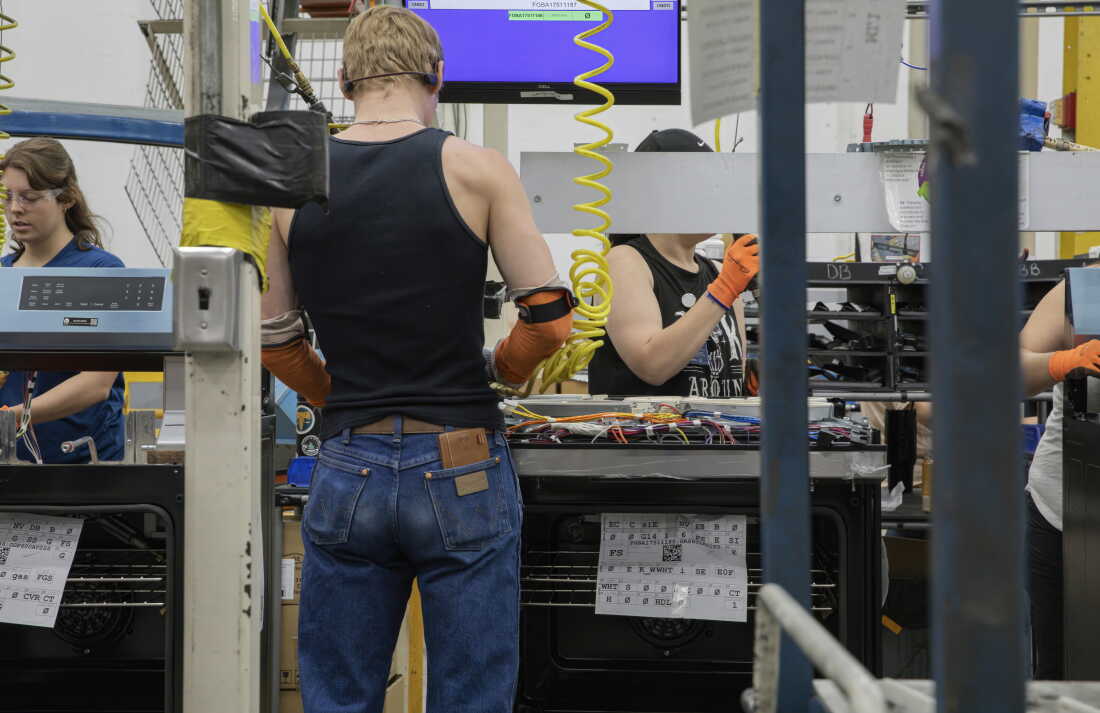
In the heart of rural northwest Georgia, a factory owned by GE Appliances is quietly rewriting the rules of modern manufacturing. Here, autonomous vehicles glide through aisles, robots assemble cooktops with precision, and AI-powered cameras watch every step for the slightest mistake. This isn't science fiction—it's the new reality of American industry, where the pressure to be flawless is met with the power of artificial intelligence. As global competition intensifies, manufacturers are turning to AI not just to improve, but to survive.
Key Takeaways
- AI-Powered Quality Control: At the LaFayette plant, cameras and sensors detect anomalies like a wrong gasket on an oven. When an error is spotted, the line halts and loud music plays—AC/DC signals a problem. This system ensures issues are caught early and fixed fast, minimizing costly downtime.
- The Pursuit of Perfection: GE Appliances aims for a 100% performance metric, not 97%. With AI's analytical capabilities, they are closer than ever to zero defects. Each percentage point of improvement saves the company $1.5–$2 million annually.
- Data-Driven Operations: The Brilliant Factory platform collects millions of data lines daily, offering real-time visibility into all nine plants. From headquarters in Louisville, managers can see machine status, repair bay usage, and scrap costs, enabling proactive decision-making.
- AI as a Troubleshooter: AI analyzes data to predict issues, such as a motor running hot, allowing scheduled repairs before breakdowns occur. Halting a line costs $300–$500 per minute, making speed critical. AI-generated reports guide plant managers on problem-solving each morning.
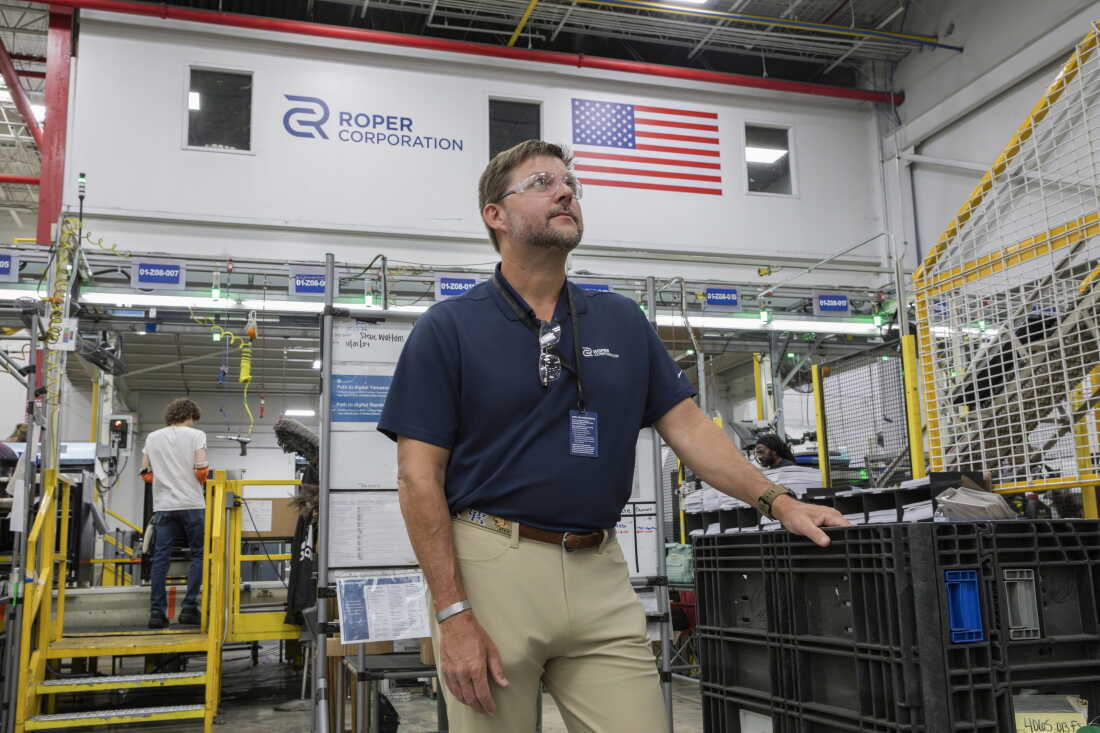
- Empowering Workers, Not Replacing Them: Despite AI's ability to "outthink" even veterans, Bill Good, VP of manufacturing, sees AI as a tool that complements human expertise. It levels the playing field for newer employees and enables U.S. manufacturing to compete with lower-wage overseas factories.
- Strategic Expansion and Staffing: Since Haier acquired GE Appliances in 2016, the company has invested $180 million in Georgia, adding 600 jobs. AI also optimizes staffing by reallocating workers and forecasting market demand, allowing flexible production decisions.
In-Depth Analysis
The adoption of AI in manufacturing is not just about automation; it's about redefining competitive advantage. GE Appliances' approach highlights a broader trend: the integration of AI to enhance human decision-making rather than replace it. By leveraging data analytics, the company has shortened the gap between seasoned experts and newcomers, creating a more agile workforce. This strategy is particularly crucial in the U.S., where labor costs are higher—AI-driven efficiency is the key to offsetting that disadvantage. Moreover, the shift toward predictive maintenance and real-time monitoring represents a paradigm shift from reactive to proactive management. As AI continues to evolve, we can expect even greater integration, potentially leading to fully autonomous factories. However, the human element remains vital, as AI cannot replicate the nuanced judgment of experienced workers. The future of manufacturing lies in this symbiotic relationship, where AI amplifies human potential, driving innovation and sustainability.
Frequently Asked Questions
How does AI improve quality control in manufacturing? AI-powered cameras and sensors continuously monitor production lines, detecting anomalies that human eyes might miss. When an error is found, the system triggers an immediate response, such as halting the line, which prevents defective products from reaching consumers and reduces waste.
Will AI replace manufacturing jobs? While AI automates certain tasks, it also creates new roles and enhances existing ones. At GE Appliances, AI is used to optimize staffing and improve efficiency, but human workers are still essential for oversight, maintenance, and complex decision-making. The technology is designed to augment, not replace, the workforce.
What are the financial benefits of AI in manufacturing? AI helps reduce errors, downtime, and scrap, leading to significant cost savings. For example, GE Appliances saves $1.5–$2 million per percentage point of improvement. Predictive maintenance also prevents costly unexpected breakdowns, and efficient operations allow companies to compete globally.

Source: https://www.npr.org/2026/09/01/nx-s1-5869801/ai-manufacturing-jobs-data-factory
Related posts

Strait of Hormuz Attacks Surge as Iran Seeks to Influence US Midterm Elections
Recent spike in vessel attacks in the Strait of Hormuz reveals Iran's strategy to impact global oil markets and US politics amid escalating tensions.
US Restrictions on Chinese Drones Backfire as Performance Gap Widens
American bans on Chinese drones are causing significant problems across multiple industries, with police departments and construction firms struggling to find affordable alternatives that match Chinese technology.

Bank of America Spends Billions to Patch AI-Exposed Flaws
Discover how Bank of America deployed 1,000 contractors to fix software vulnerabilities exposed by Anthropic's Mythos AI, marking a costly defensive shift in enterprise security.

Zelensky Announces Resumption of Strikes on Russian Oil Refineries
Ukraine to restart attacks on Russian energy infrastructure after temporary pause requested by US, citing lack of missile warnings and Starlink limitations.
SpaceX Starshield Cuts Ukraine's Starlink Speed: US-Government Pressure or Political Stunt?
Ukraine claims SpaceX Starlink speed limits are hindering military operations. We analyze the US government's alleged role in restricting Starshield services and its impact on the Ukraine war.
China Upgrades Asia-Africa Pavilion at CIIE to Boost Zero-Tariff Benefits
China's Ministry of Foreign Affairs announces enhanced Asia-Africa product zone at CIIE 2026 to help African nations capitalize on zero-tariff advantages.

Bank of America Q3 2026: Revenue Miss, Regulatory Penalty, and Stock Drop Analysis
Bank of America's third-quarter earnings reveal a challenging financial landscape marked by a $1.2 billion penalty and disappointing trading results. This analysis explores the implications for the bank's future and the broader market.

Morgan Stanley Q3 2026: AI Boom Fuels Record Equity Trading Revenue
Morgan Stanley beats Q3 estimates with 41% equities trading growth driven by AI and Asia. A deep dive into the bank's record-breaking performance and CEO Pick's outlook.
Latest Articles
- AI-Powered Counterterrorism: New Frontiers in the Fight Against Modern Terrorist Threats
- Korea's Yoon Suk Yeol Prepares for Trump Golf Meeting
- Climate Journalism at the Tipping Point: Finding Action in Environmental Crisis
- US Lawmaker: AI Transcends Borders, Urging US-China Cooperation
- United Airlines 2027 Status Changes: Why Earning Top Tier is Getting Harder
- US-EU Double Standards Exposed: Trump's Russia Diesel Deal Sparks Global Outcry