Zelensky Announces Resumption of Strikes on Russian Oil Refineries
Ukraine to restart attacks on Russian energy infrastructure after temporary pause requested by US, citing lack of missile warnings and Starlink limitations.
Source: thepaper.cn
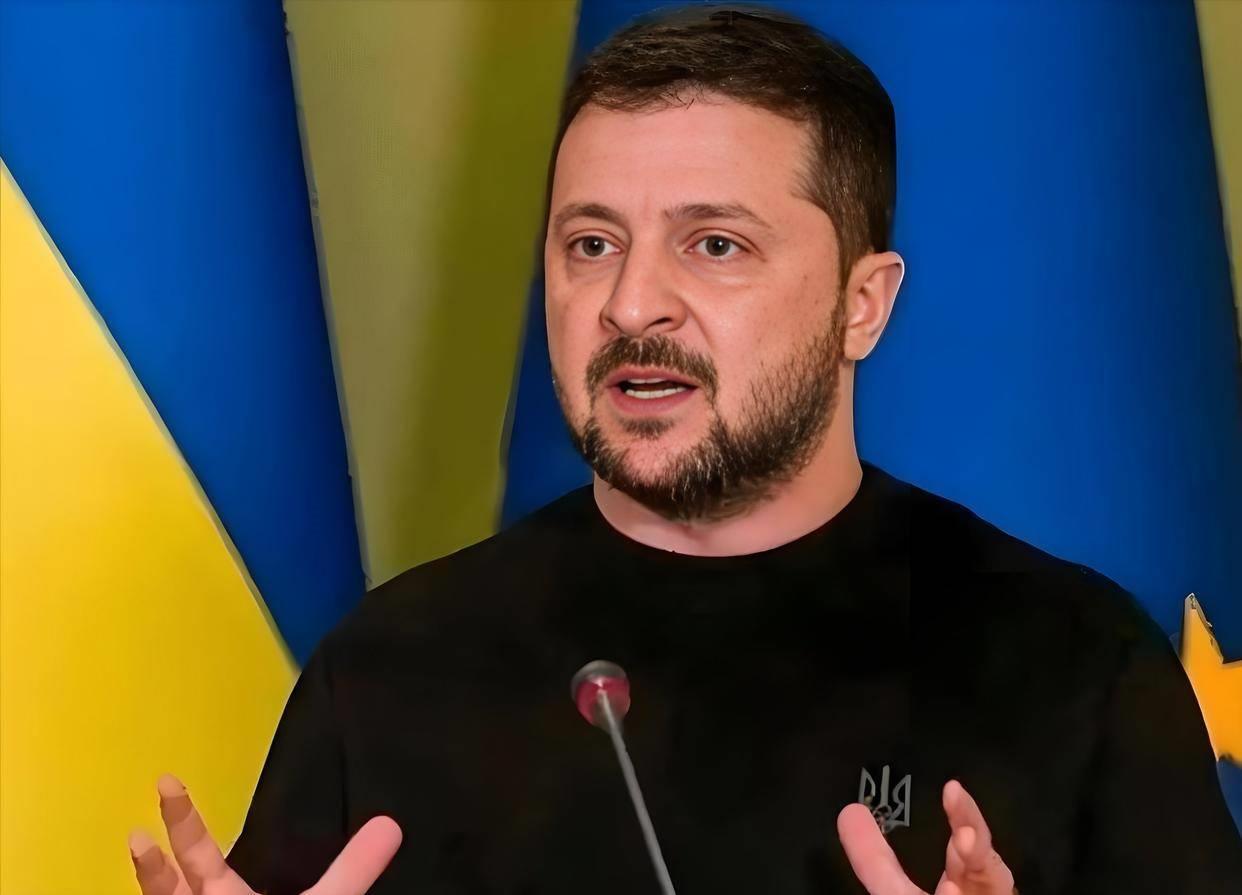
In a significant development in the ongoing conflict between Ukraine and Russia, Ukrainian President Volodymyr Zelensky has announced that Ukraine will resume strikes on Russian oil refineries. This decision comes after a three-day pause in attacks on Russian energy infrastructure, which had been implemented at the request of the United States. The announcement marks a potential escalation in the conflict's economic dimension, as energy facilities have become increasingly targeted by Ukrainian forces.
Key Developments
- Resumption of Strikes: Zelensky confirmed that Ukraine will restart attacks on Russian oil refineries, ending the three-day "energy ceasefire" that had been implemented following a request from the United States.
- US Request for Pause: The temporary halt in attacks on Russian energy infrastructure was implemented specifically at the request of American officials, though the exact reasons for this request remain unclear.
- Lack of Missile Warnings: During the pause, Ukraine did not receive the usual advance warnings about Russian ballistic missile attacks that typically come from US intelligence sources.
- Starlink System Limitations: The Ukrainian president also highlighted that restrictions on the use of Starlink systems hampered frontline operations and made it more difficult to strike Russian military facilities effectively.
- Strategic Energy Targets: Oil refineries have become increasingly important targets for Ukrainian forces as they represent a critical component of Russia's war economy and funding mechanism.
- International Implications: The decision to resume strikes reflects the complex balancing act Ukraine must perform between its military objectives and maintaining international support, particularly from Western allies.
In-depth Analysis
The resumption of strikes on Russian oil refineries represents a significant escalation in the economic warfare dimension of the conflict. By targeting these facilities, Ukraine aims to degrade Russia's ability to fund its war machine through energy exports. The three-day pause, implemented at US request, suggests ongoing diplomatic coordination between Washington and Kyiv, though the apparent lack of missile warnings during this period indicates potential intelligence gaps or disagreements.
The mention of Starlink limitations is particularly noteworthy, as it highlights the critical role that private sector technology plays in modern warfare. Elon Musk's SpaceX has been a crucial partner for Ukraine, providing satellite internet connectivity that has been essential for communications and targeting. However, the apparent restrictions during the pause period suggest that even this vital support is subject to political considerations.
Looking ahead, this development signals that Ukraine is increasingly willing to strike economic targets within Russia, potentially expanding the conflict beyond purely military objectives. The effectiveness of these strikes on Russia's refining capacity will likely determine whether this strategy becomes a more permanent feature of Ukrainian war planning. Additionally, the international reaction to this escalation will be closely watched, particularly from European nations who may be concerned about energy market volatility and potential retaliation.
Frequently Asked Questions
What impact will strikes on Russian refinaries have on the global oil market? Attacks on Russian refineries could temporarily reduce Russia's oil processing capacity, potentially affecting global oil supplies and prices. However, Russia has demonstrated resilience in maintaining energy exports through alternative routes and storage facilities.
Why did the US request a pause in these attacks? While the exact reasons aren't publicly specified, the US may have sought the pause to prevent further escalation, assess the situation, or address concerns about potential secondary effects on global energy markets. It could also reflect diplomatic considerations related to other strategic priorities.
Source: https://www.thepaper.cn/newsDetail_forward_34255568
Related posts
SpaceX Starshield Cuts Ukraine's Starlink Speed: US-Government Pressure or Political Stunt?
Ukraine claims SpaceX Starlink speed limits are hindering military operations. We analyze the US government's alleged role in restricting Starshield services and its impact on the Ukraine war.
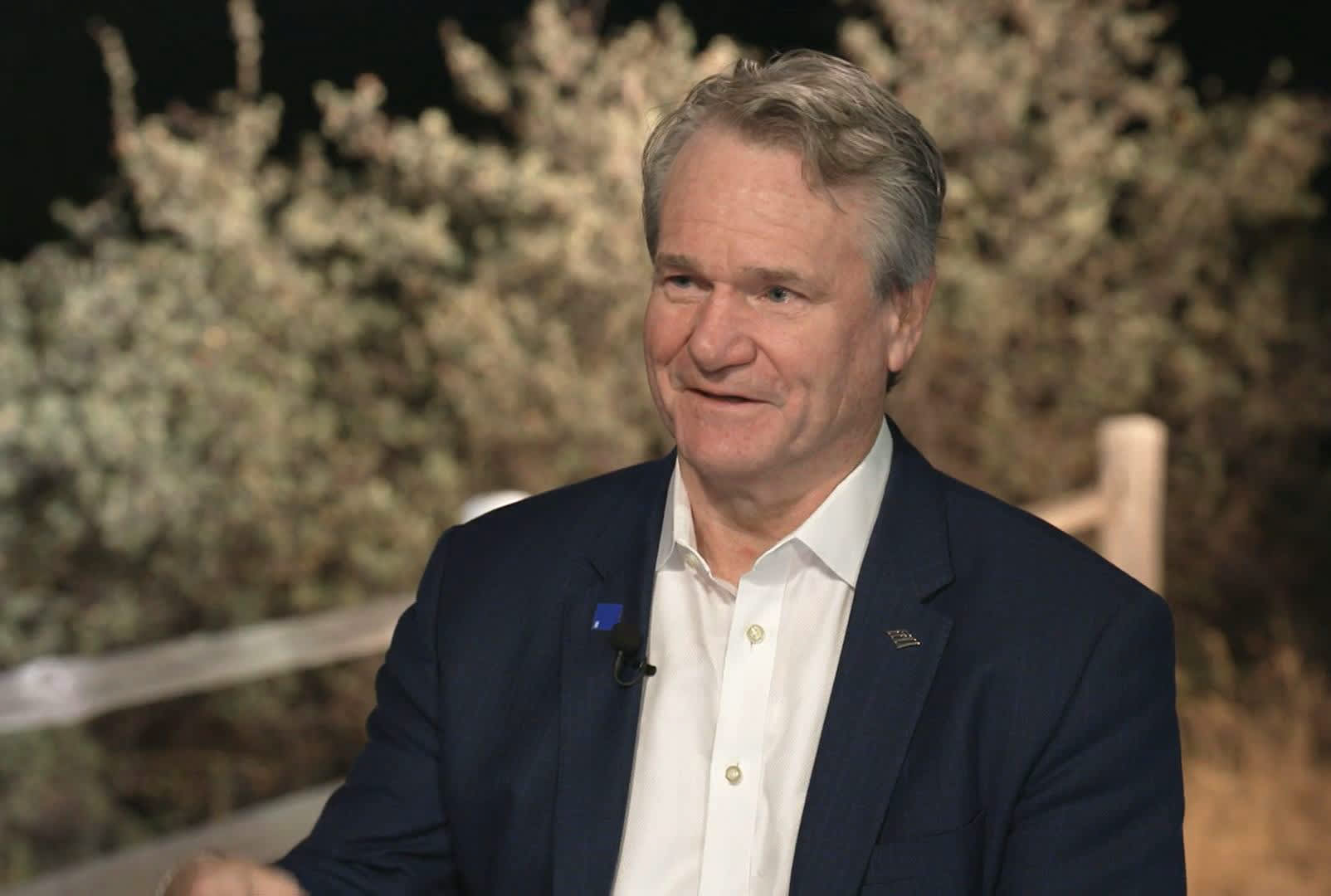
Bank of America Spends Billions to Patch AI-Exposed Flaws
Discover how Bank of America deployed 1,000 contractors to fix software vulnerabilities exposed by Anthropic's Mythos AI, marking a costly defensive shift in enterprise security.
US Restrictions on Chinese Drones Backfire as Performance Gap Widens
American bans on Chinese drones are causing significant problems across multiple industries, with police departments and construction firms struggling to find affordable alternatives that match Chinese technology.
China Upgrades Asia-Africa Pavilion at CIIE to Boost Zero-Tariff Benefits
China's Ministry of Foreign Affairs announces enhanced Asia-Africa product zone at CIIE 2026 to help African nations capitalize on zero-tariff advantages.
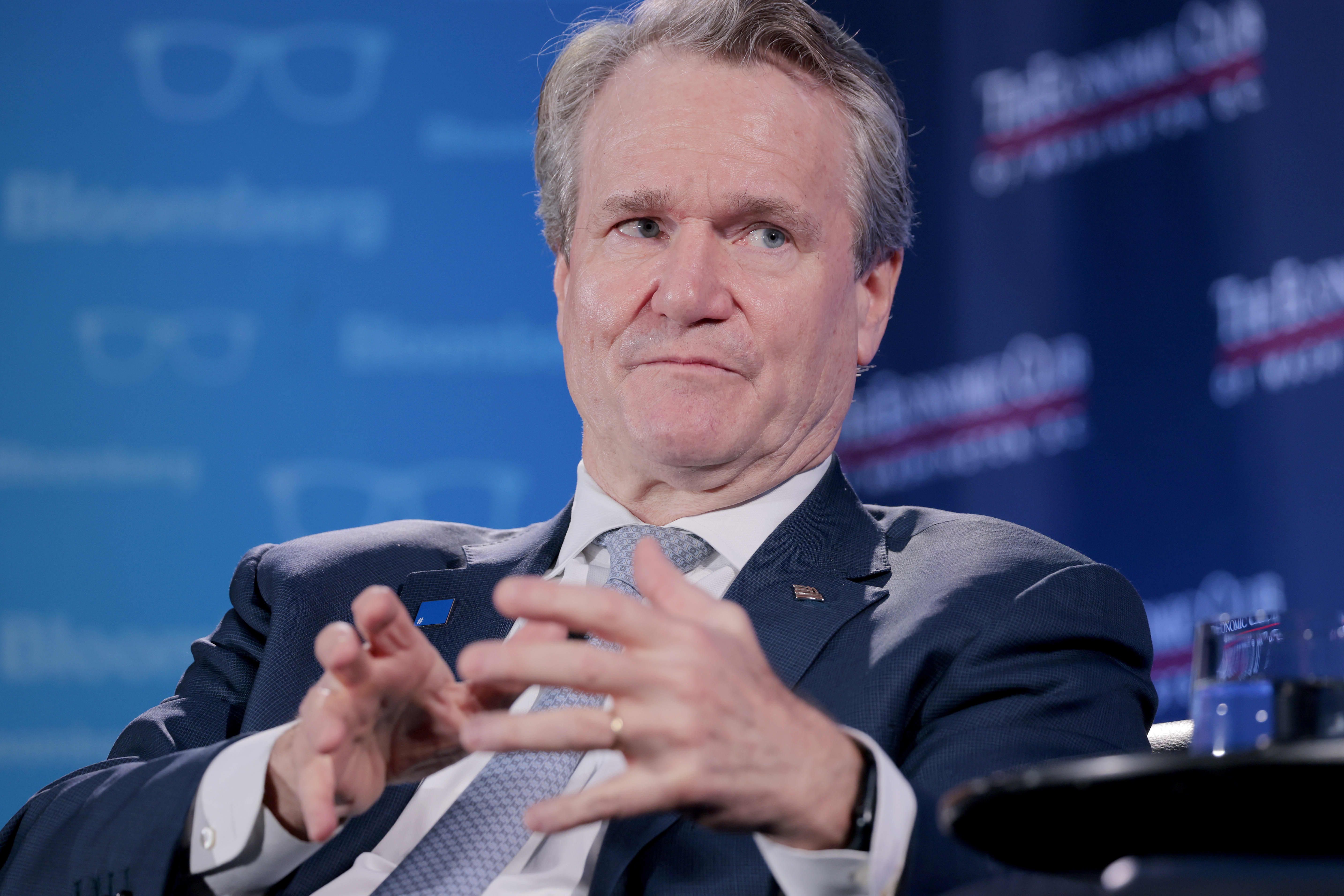
Bank of America Q3 2026: Revenue Miss, Regulatory Penalty, and Stock Drop Analysis
Bank of America's third-quarter earnings reveal a challenging financial landscape marked by a $1.2 billion penalty and disappointing trading results. This analysis explores the implications for the bank's future and the broader market.
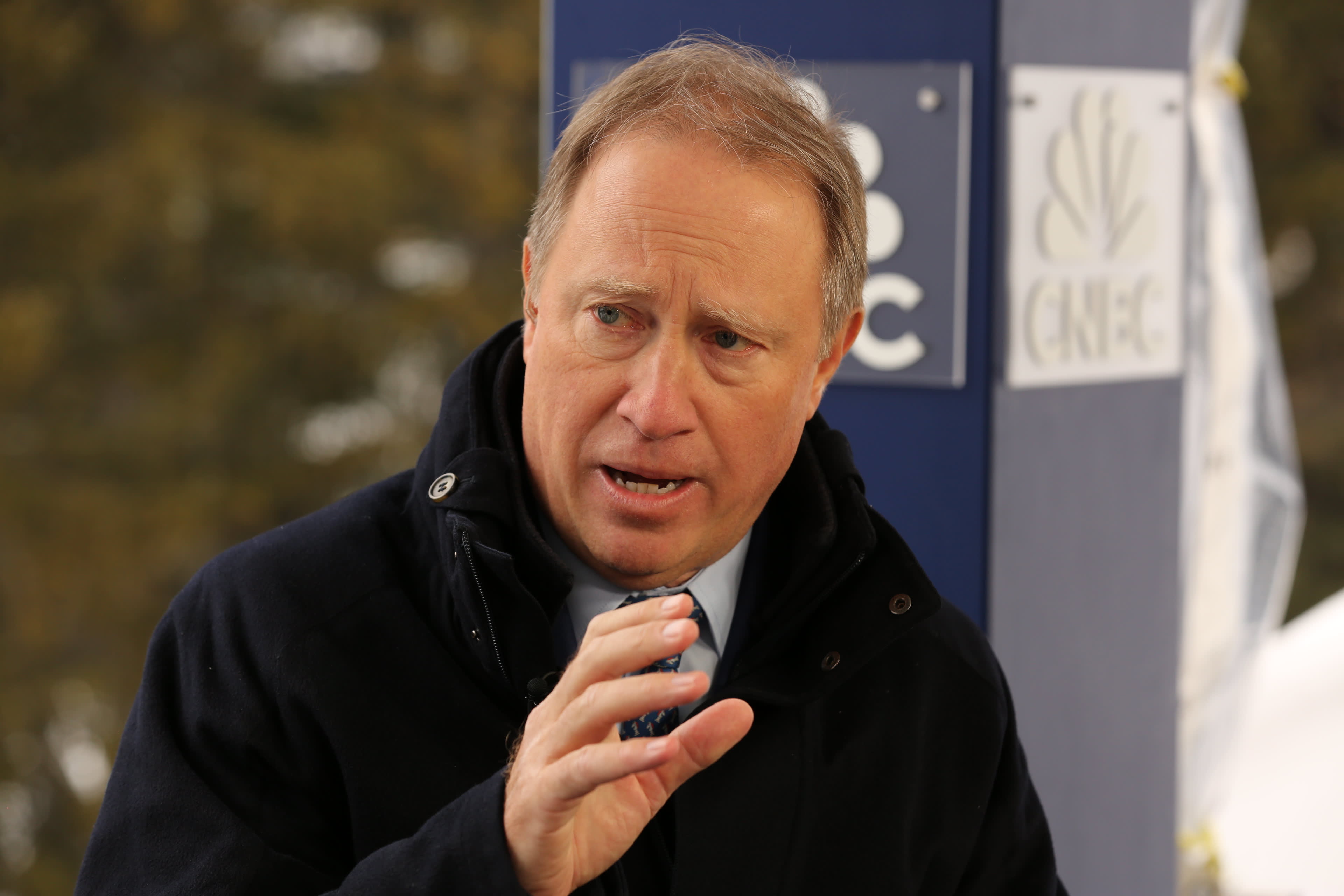
Morgan Stanley Q3 2026: AI Boom Fuels Record Equity Trading Revenue
Morgan Stanley beats Q3 estimates with 41% equities trading growth driven by AI and Asia. A deep dive into the bank's record-breaking performance and CEO Pick's outlook.
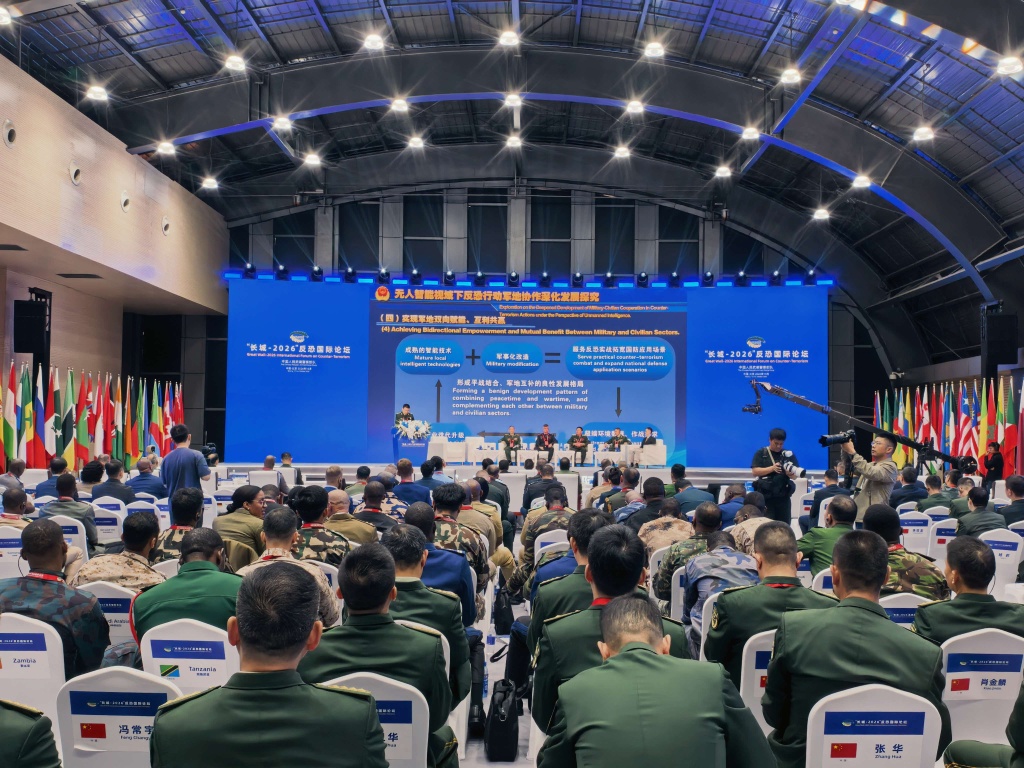
AI-Powered Counterterrorism: New Frontiers in the Fight Against Modern Terrorist Threats
Exploring how artificial intelligence is reshaping counterterrorism strategies worldwide, with insights from the 'Great Wall-2026' forum on emerging threats and defense innovations.
Korea's Yoon Suk Yeol Prepares for Trump Golf Meeting
Yoon Suk Yeol's team is setting up a special working group for a potential golf meeting with Donald Trump. Explore the diplomatic strategy, recent controversies, and the political significance behind this high-profile sporting event.
Latest Articles
- Climate Journalism at the Tipping Point: Finding Action in Environmental Crisis
- US Lawmaker: AI Transcends Borders, Urging US-China Cooperation
- United Airlines 2027 Status Changes: Why Earning Top Tier is Getting Harder
- US-EU Double Standards Exposed: Trump's Russia Diesel Deal Sparks Global Outcry
- Walmart Expands Employee Healthcare: Free GLP-1s, Insulin, and More
- Travelers Beware: How Scammers Impersonate Consular Staff