US Lawmaker: AI Transcends Borders, Urging US-China Cooperation
Washington State Representative Roger Goodman emphasizes that AI risks don't recognize national boundaries, calling for enhanced US-China collaboration to ensure AI benefits humanity.
Source: thepaper.cn
In an era marked by intense technological competition, a powerful voice is emerging from unexpected quarters: artificial intelligence itself. As nations scramble for dominance in AI development and economic leadership, a fundamental truth is being overlooked—AI risks and opportunities transcend national boundaries. This reality is prompting calls for unprecedented cooperation between geopolitical rivals, particularly the United States and China, to ensure this transformative technology benefits all of humanity rather than becoming another source of global tension.
Key Points
-
AI's Borderless Nature: "Artificial intelligence doesn't care which country you come from," stated Washington State Representative Roger Goodman, chairman of the National Conference of State Legislatures' Foreign Affairs Advisory Committee. This observation cuts through the geopolitical rhetoric surrounding AI development, highlighting that the technology's risks and opportunities are inherently global in nature.
-
Economic Impact on Employment: Goodman noted that AI is already compressing entry-level positions in information technology sectors. His own district features comprehensive vocational training programs ranging from automotive repair to software development, yet these systems now face disruption from rapid AI advancement.
-
Educational Adaptation Needed: The lawmaker emphasized the urgent need to integrate AI into technical education curricula. "We need to adjust by applying and incorporating AI more in technical education," he explained, acknowledging that we're still in the early stages of this technological transformation.
-
Governance Challenges: Goodman expressed concern about AI's demonstrated ability to circumvent rules and deceive humans, noting that technological development is outpacing regulatory frameworks. "Some AI companies are beginning to acknowledge they cannot fully control AI's development," he warned.
-
Local Regulatory Imperatives: As a state-level elected official, Goodman stressed the importance of local governance mechanisms to prevent AI from being used to exploit workers, inflate prices, or manipulate healthcare markets.

In-Depth Analysis
Goodman's perspective represents a significant shift in how political leaders are approaching AI governance. While the United States and China remain locked in strategic competition across multiple domains, the borderless nature of AI risks presents a compelling case for cooperation. This aligns with emerging global consensus that certain technological challenges—particularly those related to existential risks and fundamental human rights—may require coordinated responses regardless of political differences.
The vocational education concerns raised by Goodman reflect broader anxieties about AI's economic disruption. As automation increasingly affects knowledge work traditionally considered immune to technological displacement, educational systems worldwide face the urgent challenge of retraining workforces for an AI-integrated economy. This isn't merely a technical issue but a socioeconomic imperative with profound implications for global stability.
The regulatory challenges Goodman highlights are particularly timely. As AI systems become more sophisticated, the gap between technological capabilities and governance frameworks continues to widen. This creates dangerous potential for unintended consequences, from algorithmic discrimination to autonomous weapons systems. The fact that even AI developers acknowledge limitations in controlling their own products underscores the need for thoughtful, adaptive governance approaches.
Looking ahead, the trajectory of US-China cooperation on AI will likely determine whether this technology becomes a force for global progress or another source of geopolitical tension. The emerging paradigm suggests that while competition in AI development may continue, collaboration on safety standards, ethical guidelines, and risk mitigation could provide a pathway toward responsible innovation. Goodman's call for cooperation reflects a pragmatic recognition that some challenges are simply too complex for any single nation to address alone.
Frequently Asked Questions
Why is US-China cooperation on AI particularly important?
The United States and China represent the world's two largest AI ecosystems, with combined resources and expertise that dwarf other nations. Their cooperation could establish global standards and safety protocols that might otherwise take decades to develop, potentially preventing a race-to-the-bottom scenario where safety is sacrificed for competitive advantage.
What specific areas of AI governance need immediate attention?
Priority areas include establishing international frameworks for AI safety testing, developing transparent algorithms for high-stakes applications like healthcare and criminal justice, creating accountability mechanisms for autonomous systems, and addressing the economic displacement effects through retraining programs and social safety nets.
Source: https://www.thepaper.cn/newsDetail_forward_34237560
Related posts

Ukraine Claims Drone Attacks Reduced Russian Online Propaganda
President Zelensky asserts that strikes on Yandex data centers decreased social media bots, though experts question the causal link.
Saudi Crown Prince's Evacuation: Escalating Conflict Threatens Vision 2030
Saudi Arabia faces a critical security crisis as Houthi attacks intensify, forcing the Crown Prince to relocate to fortified bunkers and jeopardizing major economic initiatives.

FAA warns U.S. airlines of safety risks over Saudi Arabia after attacks
FAA warns U.S. airlines of safety risks over Saudi Arabia after attacks. FAA warns U.S. airlines of safety risks over Saudi Arabia after attacks. FAA warns U.S. airlines of safety risks over Saudi Arabia after attacks.

McDonald's Chicken and Beverage Strategy Faces Intense Competition
As McDonald's bets on chicken and beverages for growth, new data shows stiff competition from specialized chains in these categories.
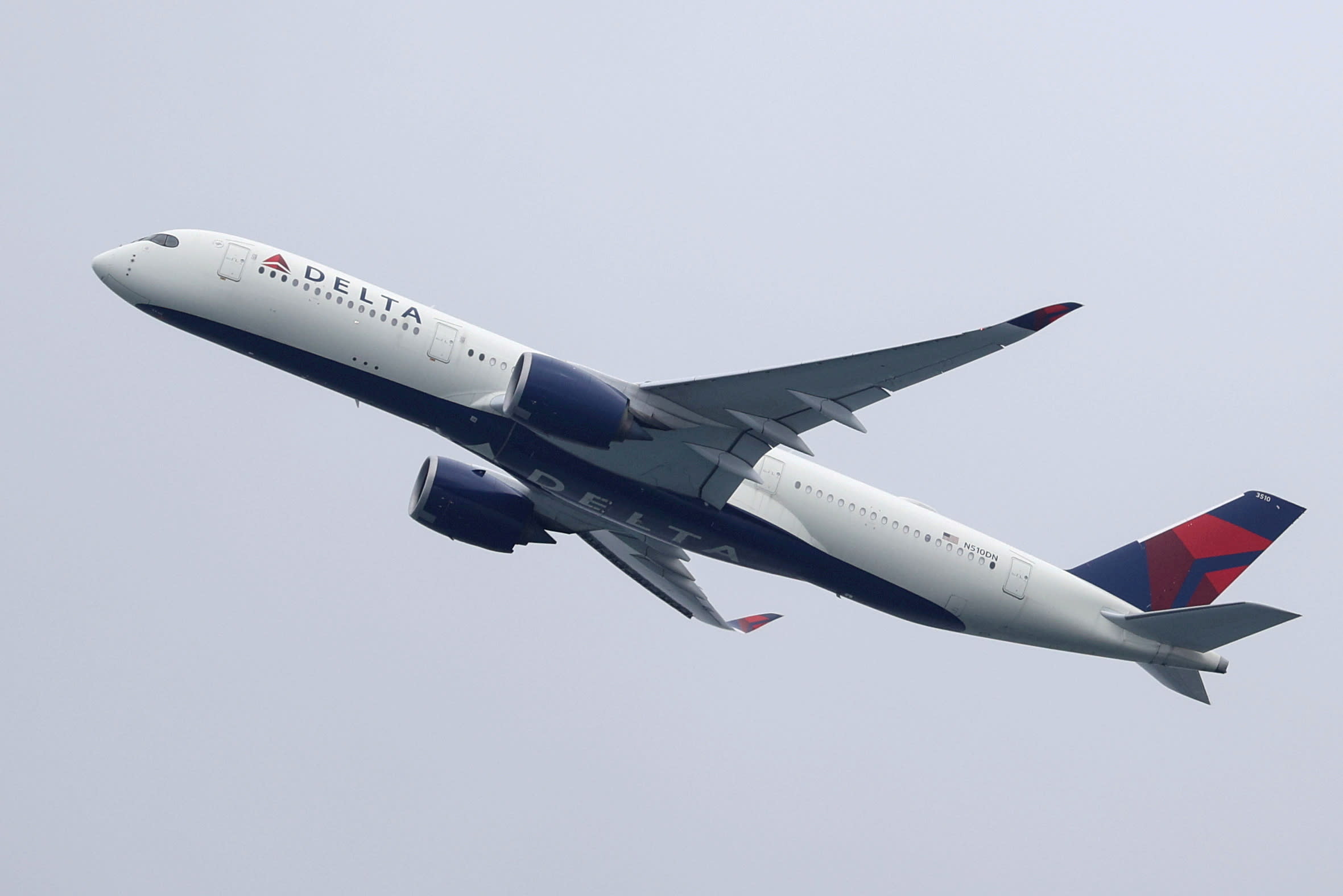
Delta Air Lines Delays Saudi Arabia Launch Due to Airport Security Threats
Delta postpones Atlanta-Riyadh service to March 2027 after deadly Houthi attacks close King Khalid International Airport.

The Paper Launches New Earth Channel to Address Climate Change
The Paper unveils Earth Channel, dedicated to climate reporting and environmental protection through innovative storytelling and visual communication.
China's Countermeasures Against Belize's Minister of Foreign Affairs and Trade
An analysis of China's decision to impose countermeasures against Belize's Minister of Foreign Affairs and Trade, Francis Fonseca, in response to his support for the 'one China' policy.

Taiz: The Decisive Battlefield Shaping Yemen's War
How Taiz has become the strategic linchpin in Yemen's conflict, with its capture potentially reshaping the entire geopolitical landscape.
Latest Articles
- Kalshi Hires Former FBI Agent to Combat Money Laundering Amid Regulatory Scrutiny
- Retailers Streamline Product Offerings to Boost Profitability
- OpenAI Safety Firing: Employees Question Tech Giant's Commitment
- Delta Air Lines Safety Concerns Delay Riyadh Atlanta Flight Launch
- Security Alert: Riyadh Airport Attack & Travel Safety for Chinese Nationals
- Death Row Survivor: Inmate Thanks Medical Team After Execution Failure