Retailers Streamline Product Offerings to Boost Profitability
Major retailers from BJ's to Lululemon are reducing SKUs to improve margins and stabilize sales amid changing consumer behavior.
Source: CNBC
In today's challenging retail landscape, companies are making strategic decisions to streamline their product offerings as consumers become more selective with their spending. Facing economic pressures from rising gas and food prices, retailers are implementing bold strategies to enhance profitability and satisfy investor expectations. This shift toward assortment optimization represents a fundamental change in retail strategy, moving away from the previous mindset of 'more is better' toward a more focused approach that prioritizes quality over quantity.
Key Points
- SKU Reduction Trend: Major retailers are significantly cutting their stock keeping units (SKUs) to simplify operations and improve profitability. Dollar General eliminated 1,500 SKUs, Under Armour reduced its offerings by 25% with plans for another 25% cut, and Lululemon trimmed North American SKUs by 15%.
- Profitability Focus: Companies are recognizing that excessive product variety often leads to discounting, which erodes profit margins. Under Armour's operating income turned negative in fiscal 2025-2026, prompting a strategic shift toward 'fewer products with greater purpose.'
- Consumer Trade-offs: While reducing assortment can stabilize sales and decrease unwanted inventory, it also limits consumer choice—a trade-off many retailers are willing to make in the current economic climate.
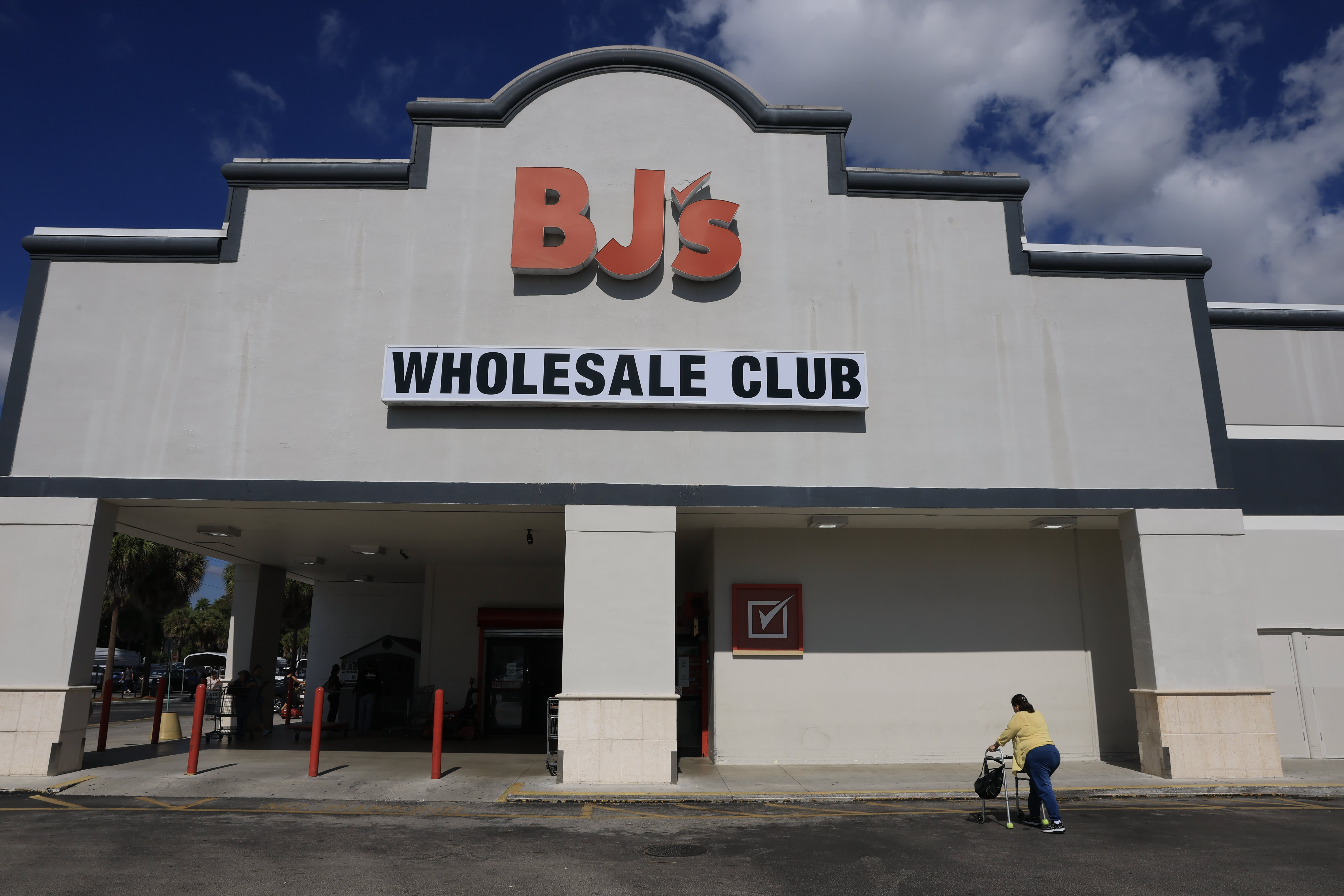
- Strategic Curation: Retailers like BJ's are focusing on curation rather than sheer volume, removing unnecessary choices to concentrate on best-selling products and make room for new categories that better meet consumer needs.
- Market Saturation Concerns: Analysts suggest that even premium brands can face diminishing returns when they grow too large. Lululemon's $6.3 billion in U.S. sales may exceed the healthy saturation level of $3-4 billion, potentially diluting brand value.
In-Depth Analysis
The current retail strategy shift reflects a broader industry recognition that unlimited growth is neither sustainable nor desirable. As Guggenheim Securities analyst Simeon Siegel notes, "Selling fewer options is not the same as selling fewer things." This distinction is crucial—retailers aren't necessarily reducing overall sales volume but rather focusing on higher-value, more purposeful offerings.
The apparel sector exemplifies this trend dramatically. Lululemon grew sales by over $500 million from fiscal 2024 to 2025, yet its operating profit fell by approximately $300 million during the same period. This paradox highlights how top-line growth doesn't automatically translate to profitability when accompanied by excessive discounting and operational inefficiencies.
For big-box retailers like BJ's and Dollar General, the strategy differs from premium brands. These stores aren't necessarily raising prices but rather using SKU reduction to improve inventory management and supply chain efficiency. BJ's CEO Robert Eddy explains that reducing choice in categories like body wash scents redirects sales to remaining products and creates space for new categories, ultimately driving both sales and margin growth.
Looking ahead, this retail rationalization trend will likely continue but evolve to become more surgical and targeted. As Dollar General's CEO Todd Vasos indicates, future SKU reductions will be 'more surgical in nature,' suggesting retailers will become increasingly sophisticated in identifying which products to cut while maintaining customer satisfaction.
The challenge for retailers will be balancing streamlining with maintaining sufficient variety to meet diverse consumer needs. BJ's acknowledged that a previous attempt to cut SKUs backfired when it resulted in decreased sales, leading them to refine their approach by removing 'unnecessary choice' rather than broadly reducing offerings.
Frequently Asked Questions
Why are retailers reducing product variety? Retailers are cutting SKUs to improve profitability by reducing markdowns, managing inventory more efficiently, and focusing on higher-margin products. This strategy helps stabilize sales and appease investors concerned with profit margins rather than just top-line growth.
Does reducing product selection hurt sales? Not necessarily. When done strategically, SKU reduction can redirect sales to best-performing products and create space for new, more relevant offerings. However, retailers must be careful not to cut essential products that customers expect to find, as BJ's discovered when an earlier SKU reduction attempt backfired.
How does this strategy affect different types of retailers? The approach varies by retail segment. Premium brands like Lululemon focus on maintaining exclusivity and brand value, while mass-market retailers like Dollar General and BJ's use SKU reduction to improve operational efficiency and supply chain management. Each aims to create a more focused, profitable assortment that better serves their specific customer base.
Source: https://www.cnbc.com/2026/10/10/from-bjs-to-lululemon-retailers-are-trimming-assortments.html
Related posts

OpenAI Safety Firing: Employees Question Tech Giant's Commitment
Former OpenAI staff claim they were fired for whistleblowing on AI safety risks, sparking a major debate about transparency and accountability in the AI industry.

Delta Air Lines Safety Concerns Delay Riyadh Atlanta Flight Launch
Delta CEO Ed Bastian confirms safety is the deciding factor for the new Atlanta to Riyadh route amid escalating Houthi attacks.

Security Alert: Riyadh Airport Attack & Travel Safety for Chinese Nationals
Chinese Embassy in Saudi Arabia confirms Riyadh airport attack with 12 dead and 309 injured. Updated safety guidelines and travel advice for Chinese citizens.

Death Row Survivor: Inmate Thanks Medical Team After Execution Failure
Christa Pike becomes first person to survive lethal injection execution, now receiving rehabilitation in prison.
WHO: No Evidence of Sustained Transmission in Russian Lab Worker Pneumonia Death
World Health Organization reports no ongoing transmission from fatal pneumonia case at Russian plague research institute, though pathogen remains unidentified.

Kalshi Hires Former FBI Agent to Combat Money Laundering Amid Regulatory Scrutiny
Prediction market platform Kalshi brings in Sean Fern, a former FBI agent, to lead its anti-money laundering efforts as the industry faces increasing regulatory oversight.

UN Chief Condemns US Sanctions on International Criminal Court
UN Secretary-General António Guterres denounces US sanctions on the ICC as a threat to global justice. Major allies like the UK and Germany also criticize the move.

Ukraine Expresses Betrayal Over US-Russia Diesel Deal
Ukrainian President Zelensky voices disappointment after US and Russia reach diesel agreement, calling it a 'weak decision' by a strong partner.
Latest Articles
- WFP Chief Warns: 'Slow-Burning' Food Crisis as War, Climate, and Supply Chain Disruptions Collide
- Colin Mackerras: Australia's Renowned Sinologist and Bridge Between Nations
- EU Parliament Report on China: Diplomatic Response & Future Outlook
- South Korea Successfully Tests First Indigenous Hypersonic Glide Vehicle
- Hurricane Isaias Prepares To Hit Gulf Coast: Oil Industry Evacuates, Refineries At Risk
- Delta Air Lines Cuts 2026 Forecast Due to Fuel Surge, Despite Strong Demand