Death Row Survivor: Inmate Thanks Medical Team After Execution Failure
Christa Pike becomes first person to survive lethal injection execution, now receiving rehabilitation in prison.
Source: thepaper.cn
In a case that has sparked international debate about capital punishment procedures, death row inmate Christa Pike has become the first person in the world to survive a lethal injection execution. After the procedure failed last month, Pike received medical treatment and has now been transferred to a rehabilitation center within the Tennessee prison system where she expressed gratitude to the medical team that saved her life.
Key Facts
- Historic Survival: Pike is the first documented case of someone surviving an execution by lethal injection, according to the Death Penalty Information Center, a nonprofit that monitors capital punishment systems.
- Medical Complications: Following the failed execution attempt on September 30, 2026, Pike remained in a coma for several days, requiring a ventilator and suffering severe arm injuries.
- Recovery Progress: By October 8, Pike had regained consciousness, began eating, and was able to walk with assistance. Her severely damaged arms have also regained mobility.
- Current Status: Pike has been discharged from the local hospital and transferred to the Debra K. Johnson Rehabilitation Center within the Tennessee prison system where she has been incarcerated for 30 years.
- Legal Background: Pike was sentenced to death at age 18 for her role in a 1995 murder case involving two other teenagers. She was also convicted of attempted first-degree murder for attacking another inmate in 2001.
- Psychological Concerns: Despite physical improvements, her legal team remains concerned about potential psychological trauma and lasting cognitive effects from the ordeal.

In-Depth Analysis
This unprecedented medical failure in the execution process has reignited critical discussions about the reliability of lethal injection protocols and the ethical implications of capital punishment. The case exposes potential flaws in execution procedures that were previously considered routine and foolproof. Pike's survival creates a complex legal and ethical dilemma for the justice system—while her crimes warrant severe punishment, her survival transforms her status in ways that complicate the state's ability to carry out its sentence.
From a medical perspective, the case raises questions about the qualifications of execution teams and the adequacy of emergency protocols when procedures go wrong. The fact that Pike required extensive medical intervention after the failed execution highlights the potential for complications that execution protocols may not adequately address.
This incident also occurs at a time when global attitudes toward capital punishment are increasingly divided, with many countries abolishing the practice altogether. In the United States, where 24 states still allow the death penalty, cases like Pike's may influence public opinion and legal challenges to the death penalty system. The international attention this case has garnered could potentially impact similar cases worldwide.
Looking forward, we may see increased scrutiny of execution procedures, with calls for more thorough medical oversight and emergency preparedness. The case might also prompt legislative reviews of capital punishment protocols in states that continue to use lethal injection.
Frequently Asked Questions
What happened during the execution attempt? The lethal injection procedure failed to achieve its intended outcome, leaving Pike alive but in critical condition with severe injuries that required extensive medical intervention.
Will Pike face another execution attempt?** Legal experts suggest that Pike's survival creates significant complications for the state's ability to carry out her death sentence, though the specific legal proceedings remain uncertain.
How has the public reacted to this case?** The case has sparked widespread debate about capital punishment procedures, with some calling for abolition of the death penalty and others demanding improvements to execution protocols to ensure they work properly.
Source: https://www.thepaper.cn/newsDetail_forward_34230701
Related posts
WHO: No Evidence of Sustained Transmission in Russian Lab Worker Pneumonia Death
World Health Organization reports no ongoing transmission from fatal pneumonia case at Russian plague research institute, though pathogen remains unidentified.
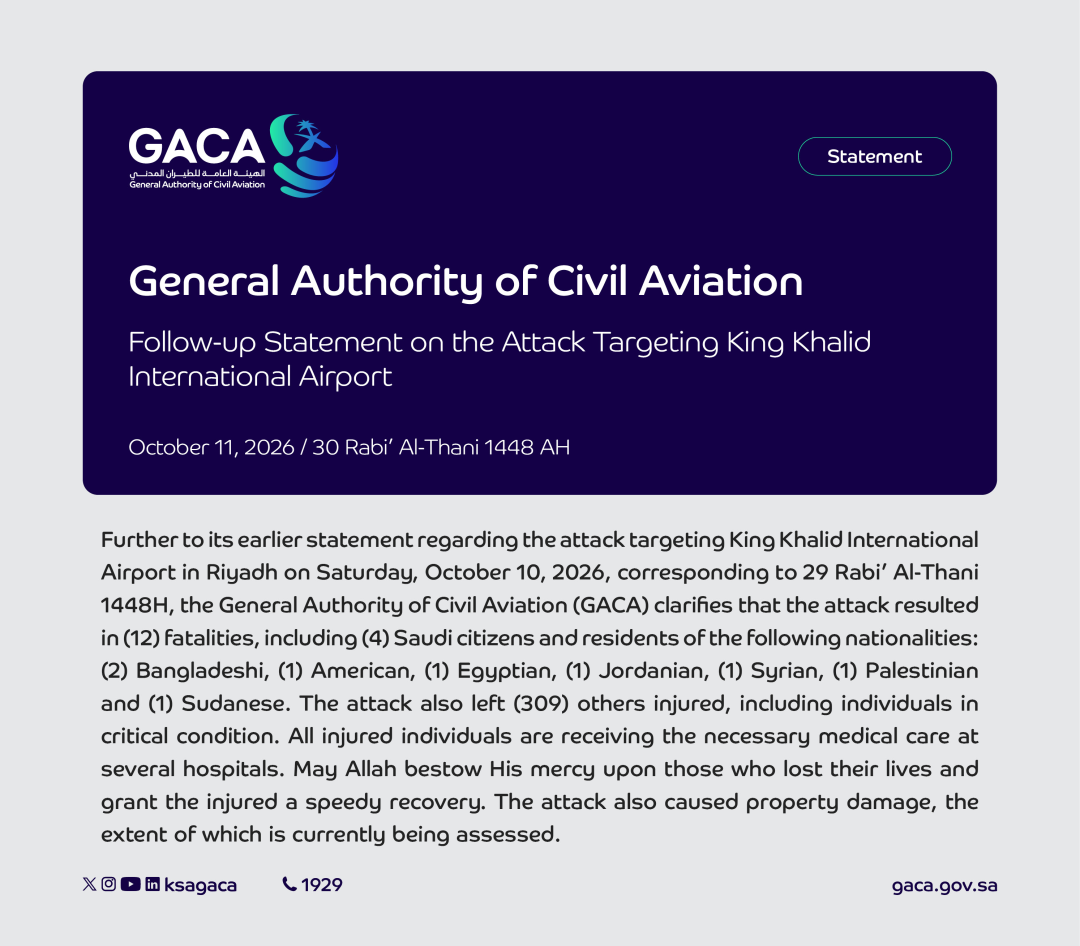
Security Alert: Riyadh Airport Attack & Travel Safety for Chinese Nationals
Chinese Embassy in Saudi Arabia confirms Riyadh airport attack with 12 dead and 309 injured. Updated safety guidelines and travel advice for Chinese citizens.

OpenAI Safety Firing: Employees Question Tech Giant's Commitment
Former OpenAI staff claim they were fired for whistleblowing on AI safety risks, sparking a major debate about transparency and accountability in the AI industry.

Kalshi Hires Former FBI Agent to Combat Money Laundering Amid Regulatory Scrutiny
Prediction market platform Kalshi brings in Sean Fern, a former FBI agent, to lead its anti-money laundering efforts as the industry faces increasing regulatory oversight.
UN Chief Condemns US Sanctions on International Criminal Court
UN Secretary-General António Guterres denounces US sanctions on the ICC as a threat to global justice. Major allies like the UK and Germany also criticize the move.

Ukraine Expresses Betrayal Over US-Russia Diesel Deal
Ukrainian President Zelensky voices disappointment after US and Russia reach diesel agreement, calling it a 'weak decision' by a strong partner.
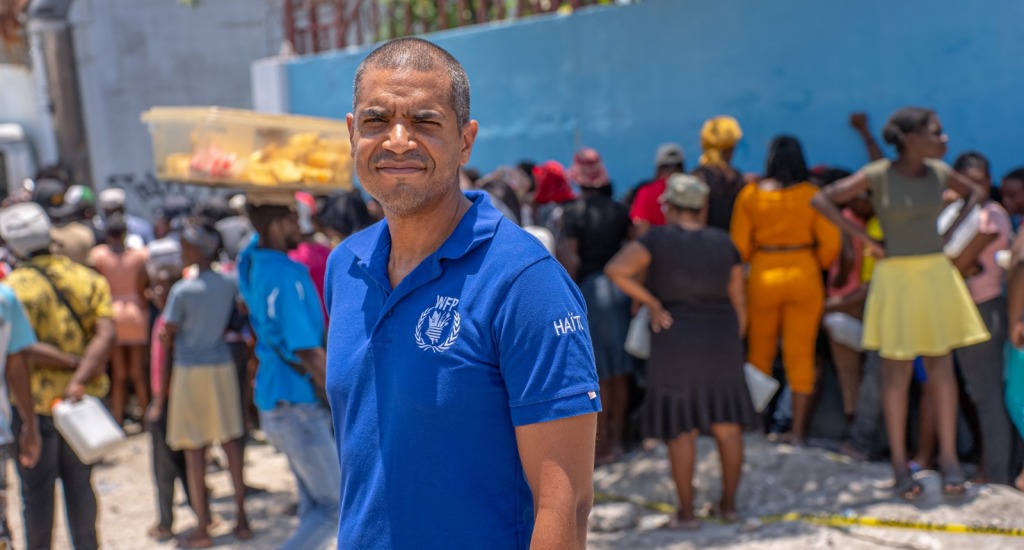
WFP Chief Warns: 'Slow-Burning' Food Crisis as War, Climate, and Supply Chain Disruptions Collide
An in-depth analysis of the structural collapse of global food security, featuring expert insights from WFP Director Jean-Martin Bauer on the compounded risks of conflict, El Niño, and logistics failures.
Colin Mackerras: Australia's Renowned Sinologist and Bridge Between Nations
Australian Sinologist Colin Mackerras passes away at 87. He received China's Friendship Award and dedicated his life to bridging cultural gaps.
Latest Articles
- EU Parliament Report on China: Diplomatic Response & Future Outlook
- South Korea Successfully Tests First Indigenous Hypersonic Glide Vehicle
- Hurricane Isaias Prepares To Hit Gulf Coast: Oil Industry Evacuates, Refineries At Risk
- Delta Air Lines Cuts 2026 Forecast Due to Fuel Surge, Despite Strong Demand
- Botswana President's State Visit to China: Strengthening Strategic Partnership
- US Budget Deficit Reaches $2 Trillion in FY 2026: A Warning Sign for Global Markets