WFP Chief Warns: 'Slow-Burning' Food Crisis as War, Climate, and Supply Chain Disruptions Collide
An in-depth analysis of the structural collapse of global food security, featuring expert insights from WFP Director Jean-Martin Bauer on the compounded risks of conflict, El Niño, and logistics failures.
Source: thepaper.cn
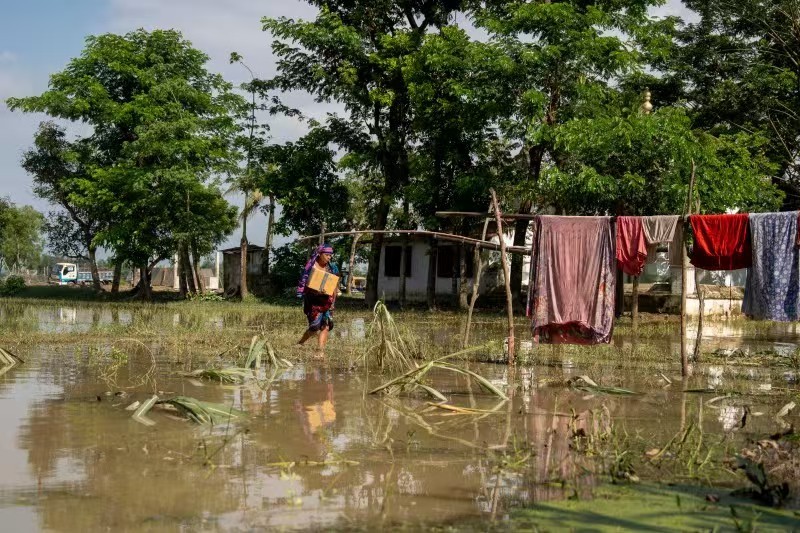
The global food system is currently navigating a perfect storm where geopolitical instability, economic shocks, and climate anomalies are converging. Unlike the acute, short-lived crises of the past, we are witnessing a 'slow-burning' structural collapse that threatens to leave millions vulnerable to famine. As shipping routes like the Red Sea and Black Sea face persistent blockades and a super El Niño event alters agricultural cycles, the window for intervention is rapidly closing. This article explores the compounded risks facing the world's most vulnerable populations and analyzes the urgent need for a shift from reactive disaster relief to proactive resilience building.
Key Factors Driving the Global Food Crisis
-
Multi-Layered Risk Accumulation: The world is facing a convergence of distinct threats. A super El Niño is disrupting weather patterns, while ongoing conflicts in the Middle East and Eastern Europe are crippling energy and fertilizer markets. These factors are not acting in isolation; they are compounding to create a systemic risk that the global supply chain is ill-equipped to handle.
-
The Logistics Bottleneck: Beyond the immediate impact on crop yields, the physical movement of food is under siege. Geopolitical tensions in the Strait of Hormuz and the Red Sea have severely restricted shipping lanes. This logistical paralysis increases the cost of transporting grains and fertilizers, driving up prices for consumers in importing nations and squeezing the margins of producers.
-
Rising Acute Hunger: According to the latest analysis from the World Food Programme (WFP), the number of people facing acute food insecurity has nearly doubled compared to pre-pandemic levels. In 2025 alone, over 266 million people were in this critical state. The most alarming trend is the sharp rise in IPC Phase 5 'Catastrophic Hunger,' with numbers reaching 1.4 million—ten times higher than in 2016.
-
Vulnerable Regions at the Brink: The impact is disproportionately felt in fragile states. Nations like South Sudan, Somalia, and Sudan are at immediate risk of famine due to their high susceptibility to conflict and climate shocks. The combination of local vulnerability and global supply chain disruptions creates a volatile environment where famine can emerge rapidly.
-
The Cost of Inaction: The financial burden of inaction is staggering. WFP estimates that for every dollar invested in 'anticipatory action'—providing aid before a disaster strikes—society can save at least three dollars in response costs. Yet, humanitarian funding remains chronically underfunded, leaving critical safety nets in place for the most vulnerable populations.

Deep Dive: The Mechanics of the Crisis
The current food crisis represents a fundamental shift in how global hunger operates. Historically, famines were often the result of a single catastrophic event, such as a drought or a specific crop failure. Today, the situation is more insidious. We are seeing a 'slow-burning' crisis where the stressors accumulate over time, eroding the resilience of communities before a sudden spike in food prices or a natural disaster triggers a humanitarian emergency.
Jean-Martin Bauer, Director of the WFP's Security and Nutrition Analysis Service, highlights that the global food system is inherently more fragile than it was in previous decades. The reliance on long, complex supply chains makes the system susceptible to systemic shocks. When the Black Sea grain corridor was blocked, the shock was not just about the loss of Ukrainian wheat; it was about the disruption of a critical link in the global food web that other nations depended on.
Furthermore, the role of climate cannot be overstated. The current El Niño phenomenon is not merely a weather event; it is a multiplier of existing vulnerabilities. In regions like Sub-Saharan Africa, where agriculture is rain-fed and highly dependent on precise timing, the disruption of planting and harvesting seasons can be catastrophic. The impact is felt far beyond the farm; as farmers sell off livestock to survive, food prices rise for urban consumers, and those without assets are forced to make impossible choices between food and other essentials like medicine or education.
This crisis also demands a re-evaluation of the 'Green Revolution' model. While it successfully increased global food production, it often created dependencies on imported inputs like chemical fertilizers and fossil fuels. As the cost of these inputs soars, many nations are realizing that a resilient food system must be more localized. Investing in domestic production of staple crops and strengthening regional trade networks are essential strategies to insulate nations from global disruptions.

Frequently Asked Questions
Q: How does El Niño specifically impact global food prices?
A: El Niño disrupts global weather patterns, leading to droughts in some regions (like Southern Africa) and excessive rainfall in others (like parts of South America). This variability causes crop yields to fluctuate wildly. When major producing regions face drought, global supply tightens, driving up prices. Additionally, the disruption of rain affects the availability of water for irrigation and livestock, further reducing the supply of food and agricultural inputs like meat and dairy.
Q: Why is the WFP shifting from 'disaster response' to 'anticipatory action'?
A: Waiting for a crisis to hit is not only ethically problematic but economically inefficient. By using predictive data, the WFP can identify at-risk communities before a disaster strikes and provide cash transfers or food aid in advance. This 'anticipatory action' allows families to purchase food, repair their homes, and maintain their livelihoods, preventing them from sliding into catastrophic hunger. It is a cost-effective strategy that saves lives and reduces the long-term economic damage caused by disasters.
Q: What is the role of conflict in the current food crisis?
A: Conflict is the primary driver of hunger in the world today. It disrupts agricultural labor, destroys infrastructure, and blocks humanitarian access. In many cases, it is not a lack of food in the market, but the inability of people to access it due to violence and instability. Resolving conflicts is therefore a prerequisite for solving food insecurity, as it restores the normal functioning of markets and allows aid organizations to operate safely.
Conclusion
Source: https://www.thepaper.cn/newsDetail_forward_34050241
Related posts
Colin Mackerras: Australia's Renowned Sinologist and Bridge Between Nations
Australian Sinologist Colin Mackerras passes away at 87. He received China's Friendship Award and dedicated his life to bridging cultural gaps.

Ukraine Expresses Betrayal Over US-Russia Diesel Deal
Ukrainian President Zelensky voices disappointment after US and Russia reach diesel agreement, calling it a 'weak decision' by a strong partner.
UN Chief Condemns US Sanctions on International Criminal Court
UN Secretary-General António Guterres denounces US sanctions on the ICC as a threat to global justice. Major allies like the UK and Germany also criticize the move.
EU Parliament Report on China: Diplomatic Response & Future Outlook
China's Foreign Ministry responds to the European Parliament's recent report, condemning ideological bias and interference in domestic affairs.

South Korea Successfully Tests First Indigenous Hypersonic Glide Vehicle
President Lee Jae-myung watches the successful launch of the Hycore hypersonic missile, marking a major shift in regional defense capabilities.

Hurricane Isaias Prepares To Hit Gulf Coast: Oil Industry Evacuates, Refineries At Risk
Hurricane Isaias is approaching the Gulf Coast. Major oil companies evacuate offshore platforms and prepare refineries. Gas prices are expected to rise.

Delta Air Lines Cuts 2026 Forecast Due to Fuel Surge, Despite Strong Demand
Delta Air Lines reduces 2026 profit outlook as jet fuel prices double, but CEO Ed Bastian insists travelers are booking despite higher fares.
Botswana President's State Visit to China: Strengthening Strategic Partnership
Botswana's President Mokgweetsi Masisi to visit China for high-level talks and Fujian province tour, marking 51 years of diplomatic relations.
Latest Articles
- US Budget Deficit Reaches $2 Trillion in FY 2026: A Warning Sign for Global Markets
- Starbucks Acquisition of Chipotle: A Strategic Fit or Financial Overreach?
- Japan Requests China Show 'Respect' to Prime Minister, Sparks Diplomatic Row
- Skydance & Warner Bros. Merger: Building the Next Gen Media Giant
- PepsiCo Slashes Earnings Forecast as North American Turnaround Faces Delays
- German Intelligence Chief Arrested in Major Espionage Scandal