Starbucks Acquisition of Chipotle: A Strategic Fit or Financial Overreach?
Starbucks reportedly explores buying Chipotle. Analyze the potential merger, synergies, and risks for both restaurant giants.
Source: CNBC
Imagine a world where your morning coffee and your lunch burrito come from the same corporate umbrella. Recently, whispers of a potential Starbucks takeover of Chipotle Mexican Grill have sent ripples through the financial world. Reports suggest the coffee giant has been exploring a bid for the fast-casual chain, a move that would combine two of America's most recognizable restaurant brands. While the idea sounds exciting on paper, the reality of merging two distinct corporate cultures and business models is far more complex. This potential megadeal raises critical questions about the future of the restaurant industry and the strategic direction of two of its titans.
Key Takeaways
- Strategic Synergy Potential: A merger could unlock significant cost savings through shared real estate and combined rewards programs, potentially offsetting the high acquisition price.
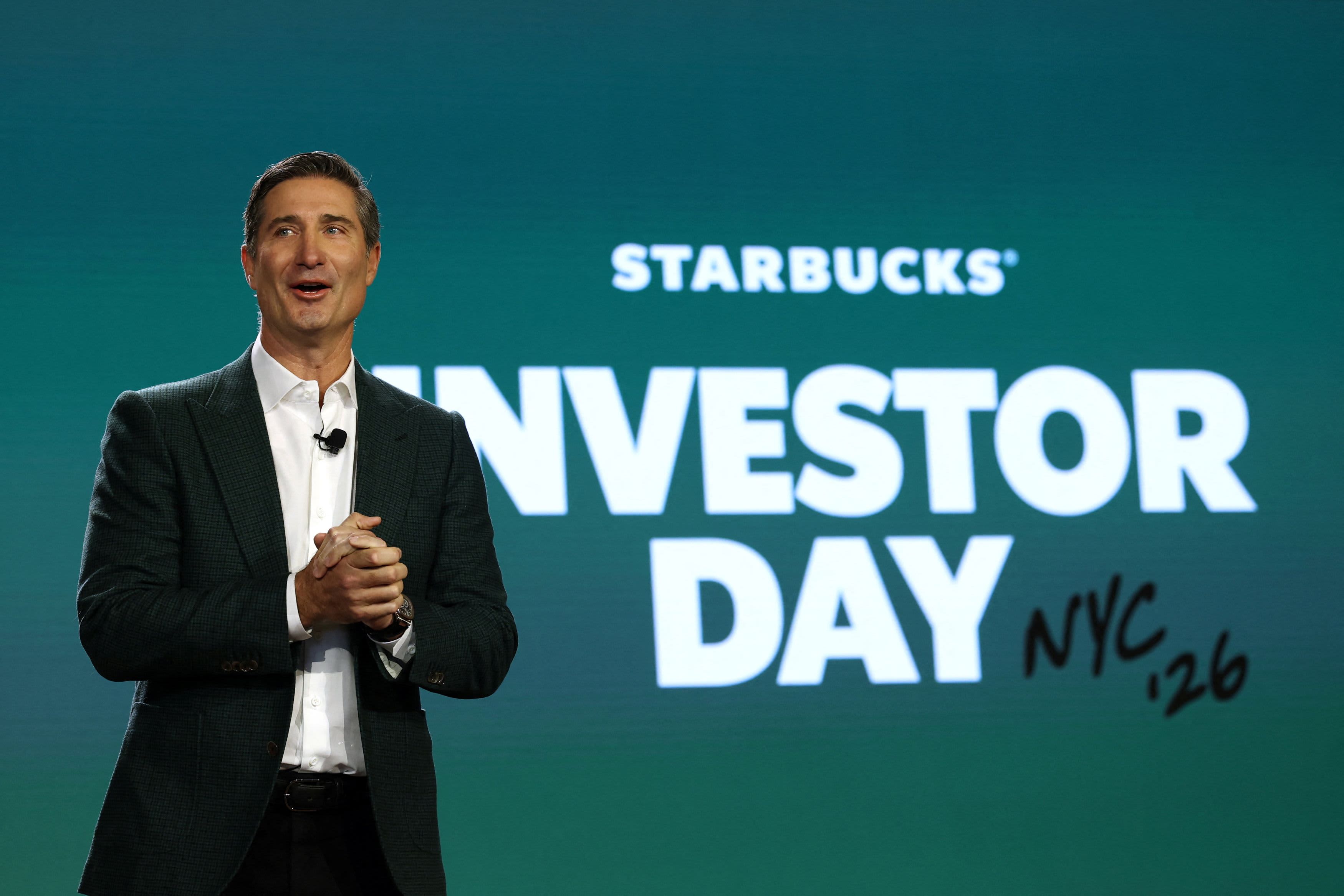
- CEO Overlap and Expertise: Starbucks CEO Brian Niccol previously led Chipotle, giving him unique insight into the burrito chain’s operations and turnaround history.
- Real Estate Overlap: A staggering 90% of Chipotle locations are within one mile of a Starbucks, suggesting massive operational efficiencies could be realized.
- Financial Risk: Analysts estimate the deal would require Starbucks to take on significant debt, potentially diluting shareholder value and complicating its ongoing turnaround efforts.
- Historical Precedent: The restaurant industry is littered with failed mergers, such as the Jack in the Box acquisition of Del Taco, which ultimately resulted in a financial loss for the buyer.
- Market Reaction: The rumor sent Chipotle stock surging while Starbucks shares dipped, indicating investor skepticism about the deal's immediate value proposition.
- Uncertain Odds: Despite the buzz, analysts like Matt Curtis assign a relatively low probability—around 20%—to the deal actually being completed.
Deep Dive Analysis
The prospect of Starbucks acquiring Chipotle is a fascinating case study in the complexities of corporate strategy. On the surface, the logic seems sound. Starbucks, having recently hired Brian Niccol—who previously served as Chipotle’s CEO for over six years—to lead its own turnaround, possesses a deep understanding of the burrito chain's DNA. Niccol’s history with Chipotle suggests he might be the ideal architect for a merger, capable of navigating the cultural nuances of both organizations. However, the execution would be fraught with peril.
From a financial perspective, the deal would be a monumental undertaking. Starbucks is reportedly considering a bid that would likely require significant debt financing. Analysts warn that such a move could balloon the coffee giant’s leverage to six times, a level of debt burden that could stifle future growth and frustrate shareholders already wary of the company's expensive turnaround investments. Furthermore, the sheer size of the potential deal—making it the largest restaurant acquisition in history—presents a massive distraction. As noted by BTIG analyst Pete Saleh, integrating a new, massive chain like Chipotle could consume the senior management time and resources needed to stabilize Starbucks' core business.
The restaurant industry has a long history of failed mergers that serve as cautionary tales. The recent acquisition of Del Taco by Jack in the Box stands out as a prime example. Despite initial optimism, the merger led to a catastrophic 73% drop in Jack in the Box's stock price, the closure of dozens of locations, and a financial loss when the assets were eventually sold. This history suggests that simply combining two successful brands does not guarantee success. In fact, distinct brand identities and customer loyalties often clash, making it difficult for multi-brand companies to maintain the same level of service and innovation in both segments.
Frequently Asked Questions
Q: Why would Starbucks want to buy Chipotle?
A: The primary drivers would be synergies. The two companies share a massive overlap in U.S. real estate, with 90% of Chipotle locations near Starbucks cafes. A combined entity could optimize development costs and share operational resources. Additionally, a unified loyalty program could leverage the existing customer base of both chains.
Q: What are the biggest risks for Starbucks?
A: The financial risk is the most significant. The deal would likely require Starbucks to take on substantial debt, potentially straining its balance sheet. Furthermore, the massive integration effort could distract management from the ongoing turnaround of Starbucks' core business, and the corporate culture clash between a coffee shop and a fast-casual burrito chain could prove difficult to manage.
Q: How would this deal affect the average consumer?
A: The impact could be mixed. On one hand, a combined loyalty program might offer more rewards. On the other, the risk of brand dilution is high. Consumers might view the merger as an attempt to squeeze more value out of them rather than an innovation in the dining experience, potentially eroding the unique appeal that makes each brand successful on its own.
Source: https://www.cnbc.com/2026/10/08/starbucks-chipotle-acquisition.html
Related posts
Japan Requests China Show 'Respect' to Prime Minister, Sparks Diplomatic Row
Japan demands China show proper respect to Prime Minister Sanae Takaichi after Chinese diplomats omitted her title in a press conference, escalating diplomatic tensions between the two Asian powers.
Skydance & Warner Bros. Merger: Building the Next Gen Media Giant
Skydance CEO David Ellison explains how combining Paramount and Warner Bros. creates a dominant global entertainment powerhouse.
PepsiCo Slashes Earnings Forecast as North American Turnaround Faces Delays
PepsiCo reports stronger international growth but lowers full-year earnings outlook due to underperformance in its North American market, where turnaround efforts are taking longer than anticipated.
German Intelligence Chief Arrested in Major Espionage Scandal
Former BND chief August Hanning arrested for allegedly leaking 2,000 classified documents to foreign intelligence agency, exposing critical security vulnerabilities.
US Company Accuses Chinese Entities of AI Attacks on Korean Banks
US cybersecurity firm CrowdStrike alleges Chinese individuals and organizations used AI tools to attack South Korean financial institutions, prompting diplomatic response.
Israel Closes UK Consulate in Jerusalem, Escalating Diplomatic Tensions
Israel has officially shuttered the British Consulate-General in Jerusalem and ordered the expulsion of its top diplomat and 20 staff members. This retaliatory move follows Britain's sanctions on Israeli settlements.
Death Penalty Failure in Tennessee: Legal and Ethical Crisis After Krista Parker Survives Execution
Krista Parker becomes first to survive lethal injection. Tennessee faces legal battles over executing her again amidst transparency concerns.
Levi Strauss Q3 2026: Profit Guidance Hikes Amid Tariff Refunds and DTC Challenges
Levi Strauss raised its full-year profit outlook to $1.54-$1.56 per share due to tariff refunds, but maintained a conservative 7% revenue growth target.
Latest Articles
- Lululemon's Strategic Product Shift: Athleta CEO Maggie Gauger Joins as Chief Product Officer
- Constellation Brands Strategic Pivot: Adapting to Beer Demand Shifts & Diversifying into RTD Beverages
- Used Car Prices Decline as Fuel Efficiency Demand Surges
- South Korea to Tighten Military Exemption Rules for Athletes
- South Korea's Former President Yoon Suk Yeol Acquitted in Political Funding Case
- Paramount Skydance Merger: A Historic Media Consolidation