South Korea's Former President Yoon Suk Yeol Acquitted in Political Funding Case
Seoul High Court acquits former President Yoon Suk Yeol in second trial over alleged violation of Political Funding Act, overturning lower court conviction.
Source: thepaper.cn
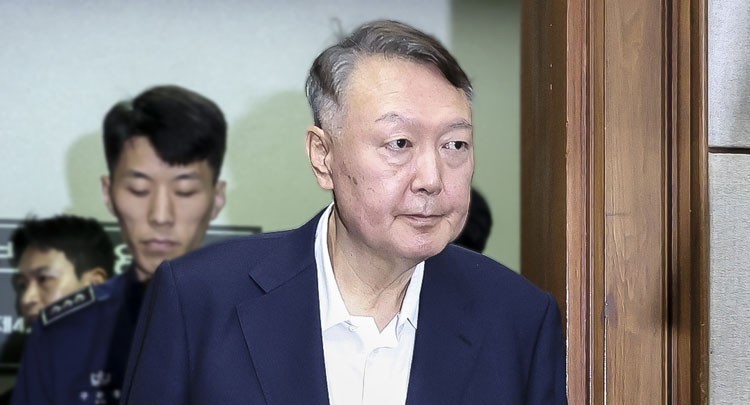
In a significant legal development that reverberates through South Korea's political landscape, former President Yoon Suk Yeol has been acquitted in his second trial regarding allegations of violating the Political Funding Act. This decision comes after a lower court had found him guilty, raising important questions about the intersection of politics, law, and public accountability in one of Asia's most dynamic democracies.
Key Points
- Court Ruling: The Seoul High Court delivered a not-guilty verdict on October 7, 2026, overturning the lower court's conviction that had sentenced Yoon to two years in prison and a fine of approximately 13.96 million Korean won.
- Allegations: Prosecutors had accused Yoon of conspiring with his wife Kim Keon Hee to receive 58 free public opinion surveys worth 270 million Korean won from political broker Myung Tae-geun between June 2021 and March 2022.
- Prosecution Claims: The prosecution maintained that these polls were artificially manipulated to favor Yoon and that he had not only received the surveys but also consulted on their methodology, undermining democratic processes.
- First Trial Outcome: The initial trial had found Yoon guilty on 14 of the 58 survey counts, while his wife Kim Keon Hee was acquitted in both trials, with her case now pending before South Korea's Supreme Court.
- Political Implications: The acquittal comes at a time when South Korea's political scene remains highly polarized, with Yoon's conservative People Power Party facing ongoing challenges.
In-depth Analysis
The acquittal of former President Yoon Suk Yeol represents a pivotal moment in South Korea's legal and political history. The case has highlighted the complex relationship between political figures and financial regulations in a country where former presidents have frequently faced legal challenges after leaving office. This pattern, from Park Geun-hye to Lee Myung-bak and now Yoon, suggests a broader systemic issue where the line between political fundraising and potential corruption remains blurred.
The prosecution's argument that manipulated polling could undermine democratic processes touches on fundamental concerns about electoral integrity in an era of sophisticated data manipulation. However, the appellate court's decision indicates that the evidence presented may not have met the high standard required for a criminal conviction in this politically charged environment.
From a market perspective, this verdict could influence investor confidence in South Korea's political stability, particularly as the country navigates economic challenges and regional security concerns. The case also raises questions about the effectiveness of South Korea's Political Funding Act in preventing potential abuses of power by political elites.
Looking ahead, the legal battles surrounding former and current officials in South Korea are likely to continue, with potential implications for the 2027 presidential election. The judiciary's apparent willingness to overturn convictions in high-profile political cases may signal a trend toward more lenient treatment of powerful figures, potentially affecting public trust in institutions.
Frequently Asked Questions
What was the core allegation against former President Yoon? Prosecutors accused Yoon of receiving free polling services worth 270 million Korean won from a political broker, claiming these polls were manipulated to favor him and that he consulted on their methodology, potentially undermining democratic processes.
How does this acquittal compare to other former South Korean presidents' legal cases? Like Park Geun-hye and Lee Myung-bak before him, Yoon has faced legal challenges after leaving office. However, unlike those cases which resulted in convictions and imprisonment, Yoon's acquittal in the second trial represents a different outcome in South Korea's pattern of post-presidential legal battles.
What impact might this have on South Korea's political landscape? The acquittal could strengthen the position of Yoon's conservative party while potentially deepening political polarization. It may also influence how future political funding cases are handled and affect public perceptions of judicial impartiality in high-profile political cases.
Source: https://www.thepaper.cn/newsDetail_forward_34208078
Related posts

Paramount Skydance Merger: A Historic Media Consolidation
The $110 billion merger of Paramount and Warner Bros. Discovery creates a global entertainment giant. Explore the timeline, challenges, and future of Skydance.

British Airways Expands Business Class to 106 Seats on A380: The Future of Luxury Travel
British Airways is transforming its A380 fleet with a record 106-seat business class cabin. Explore how airlines are betting big on high-spending travelers and the industry's shift towards premium luxury.

Cheapest & Most Expensive US Flights in November 2026
Thanksgiving airfare surges over 30% due to jet fuel costs. Discover the best budget routes like Atlanta to the Midwest and the priciest trips from Alaska to the East Coast.

Key States Hold Clues to 2026 Midterm Election Outcomes
As the 2026 midterm elections approach, six battleground states offer critical insights into voter priorities and potential shifts in political power.
World Bank Raises Economic Growth Forecast for East Asia and Pacific Region
The World Bank has upgraded its economic growth forecast for East Asia and Pacific, highlighting the region's resilience and potential in the face of global challenges.

Controversial Live Animal Feeding at Chinese Zoo Sparks Ethical Debate
A zoo in Fujian province is under fire for offering visitors the chance to pay $9 to watch live chickens being torn apart by tigers and lions, with children among the spectators.
US Bombers Withdraw from UK Base Amid Specific Threats, Trump Reveals
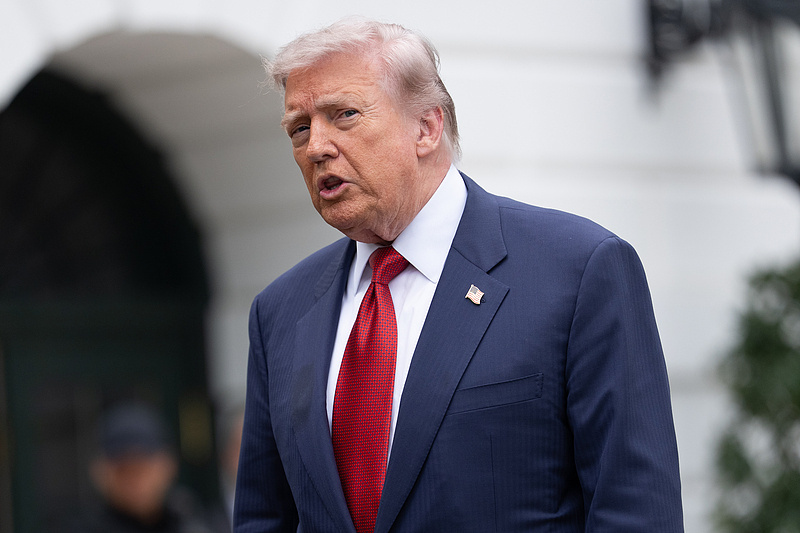
President Trump confirms B-1 bombers left RAF Fairford due to 'specific threats', with Iran allegedly involved in suspected activities against the base.
AstraZeneca's $2 Billion Bet on Summit Drug: The Future of Cancer Combinations
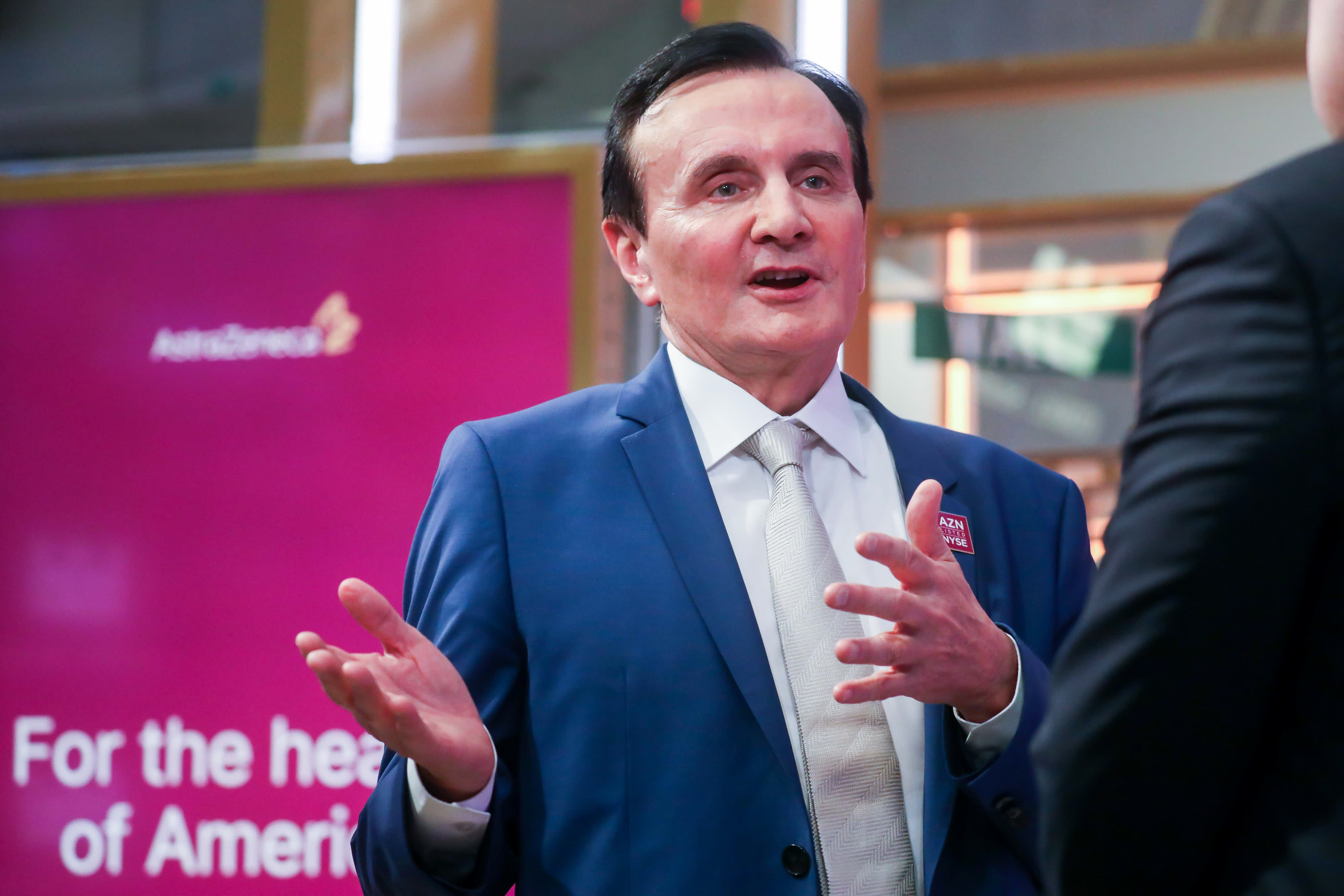
AstraZeneca CEO Pascal Soriot reveals how Summit's ivonescimab could revolutionize oncology by combining immune checkpoint inhibitors with ADC therapies. Discover the details of this historic $2 billion investment.
Latest Articles
- Lucid Motor's Q3 2026: Production Cuts Signal Shift in EV Demand Strategy
- Philippine Military Aircraft Intrusion: China's South Sea Defense Response
- Spanish Prime Minister Calls Early Parliamentary Elections Amid Political Turmoil
- GM Reverses Course, Announces Hybrid Vehicle Strategy Amid Shifting Market Demands
- Australia Investigates Dubai Airline Co-Pilot's Ties to Country Amid Terrorism Concerns
- Cornell Fraternity Rape Case: Elite Privilege vs. Justice