Spanish Prime Minister Calls Early Parliamentary Elections Amid Political Turmoil
Spain's Prime Minister Pedro Sánchez announces snap parliamentary elections for November 29 following defeat of key housing legislation in parliament.
Source: thepaper.cn
In a surprising political development that has sent shockwaves through European politics, Spanish Prime Minister Pedro Sánchez has announced the dissolution of parliament and called for early elections to be held on November 29, 2026. This decision comes nearly a year ahead of the originally scheduled election date, reflecting the deep political divisions that have paralyzed the Spanish government in recent months. The move marks a significant moment in Sánchez's tenure and could potentially reshape the political landscape of one of Europe's largest economies.
Key Developments
- Defeat of Housing Legislation: The immediate trigger for this political crisis was the rejection of two crucial housing decrees by the Spanish Parliament on October 2. The conservative People's Party and the far-right Vox party voted against the government's proposed measures, demonstrating the fragile nature of Sánchez's parliamentary majority.
- Political Consultations: Following the legislative defeat, Sánchez engaged in intensive consultations with various political stakeholders to assess his options. Despite these efforts, he concluded that early elections were the most viable path forward to break the political deadlock.
- Election Timeline: The snap elections will be held on November 29, giving political parties approximately seven weeks to campaign. This compressed timeline adds an element of urgency to an already volatile political environment.
- Government Continuity: Until the new parliament is seated, Sánchez's current government will remain in a caretaker capacity, handling routine administrative matters but unable to pursue major legislative initiatives.
- European Context: This development occurs at a time when several European nations are facing political instability, with similar situations having recently occurred in Italy and Germany, raising questions about the broader trend of political fragmentation in the European Union.
In-Depth Analysis
The decision to call early elections represents both a strategic retreat and a calculated risk for Prime Minister Sánchez. The defeat of the housing legislation exposed the vulnerabilities of his minority government, which has relied on complex coalition-building and occasional support from smaller parties to pass legislation. The housing decrees were particularly significant as they addressed one of Spain's most pressing issues: affordable housing in major cities where prices have skyrocketed in recent years.
From a market perspective, this political uncertainty could have immediate economic repercussions. Spain has been experiencing a period of relatively stable economic growth, with tourism reaching record levels and foreign investment flowing into key sectors like renewable energy and technology. However, prolonged political instability could deter investment and complicate fiscal planning, particularly as Spain continues to manage its recovery from the economic challenges of the past decade.
The timing of these elections is noteworthy, coming just months after Spain assumed the rotating presidency of the Council of the European Union. This position typically requires a degree of political stability and consensus-building, which Spain's current fragmented political landscape may struggle to provide. The election results could potentially influence Spain's stance on key EU issues including migration policy, climate change initiatives, and economic integration.
Looking ahead, the political landscape appears highly competitive. The People's Party, led by Alberto Núñez Feijóo, has been gaining momentum in recent polls, positioning itself as the primary alternative to Sánchez's Socialist Workers' Party. Meanwhile, the far-right Vox party has been consolidating its support in rural areas and among certain demographics, potentially complicating the formation of a stable government after the elections.
The outcome of these elections could have significant implications not only for Spain's domestic policies but also for its role in European politics. As one of the EU's larger economies and a key player in Mediterranean affairs, Spain's political direction will be closely watched by neighboring countries and international partners.
Frequently Asked Questions
What triggered the early elections? The immediate cause was the defeat of two government housing decrees in parliament when conservative and far-right parties voted against them, exposing the fragility of Sánchez's parliamentary majority.
How might this affect Spain's economy? Political uncertainty could potentially impact investor confidence and economic planning, though Spain's strong tourism sector and renewable energy investments may provide some stability during the transition period.
What are the main parties competing in these elections? The primary contenders are Prime Minister Sánchez's Socialist Workers' Party, the conservative People's Party led by Alberto Núñez Feijóo, and the far-right Vox party, with several smaller regional parties also competing for seats.
Source: https://www.thepaper.cn/newsDetail_forward_34201696
Related posts
Philippine Military Aircraft Intrusion: China's South Sea Defense Response
China's Southern Theater Command successfully intercepted a Philippine C-208 aircraft violating Huangyan Dao airspace, reaffirming sovereignty and regional stability.

Australia Investigates Dubai Airline Co-Pilot's Ties to Country Amid Terrorism Concerns
Australian authorities probe connections of Dubai Airlines co-pilot who attacked captain during flight, with reports linking him to Melbourne education and extremist websites.
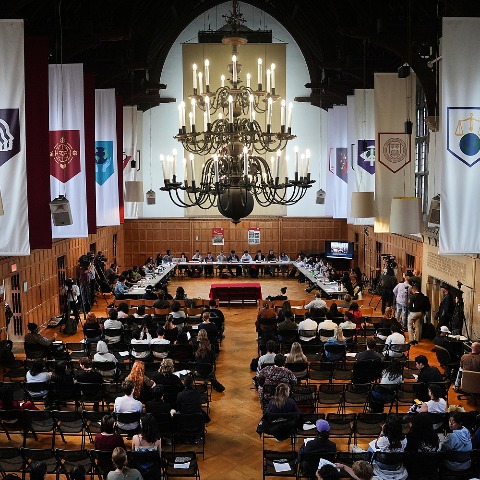
Cornell Fraternity Rape Case: Elite Privilege vs. Justice
The Cornell fraternity rape case exposes deep flaws in Title IX and legal justice. Explore the systemic issues of Greek life and elite politics.
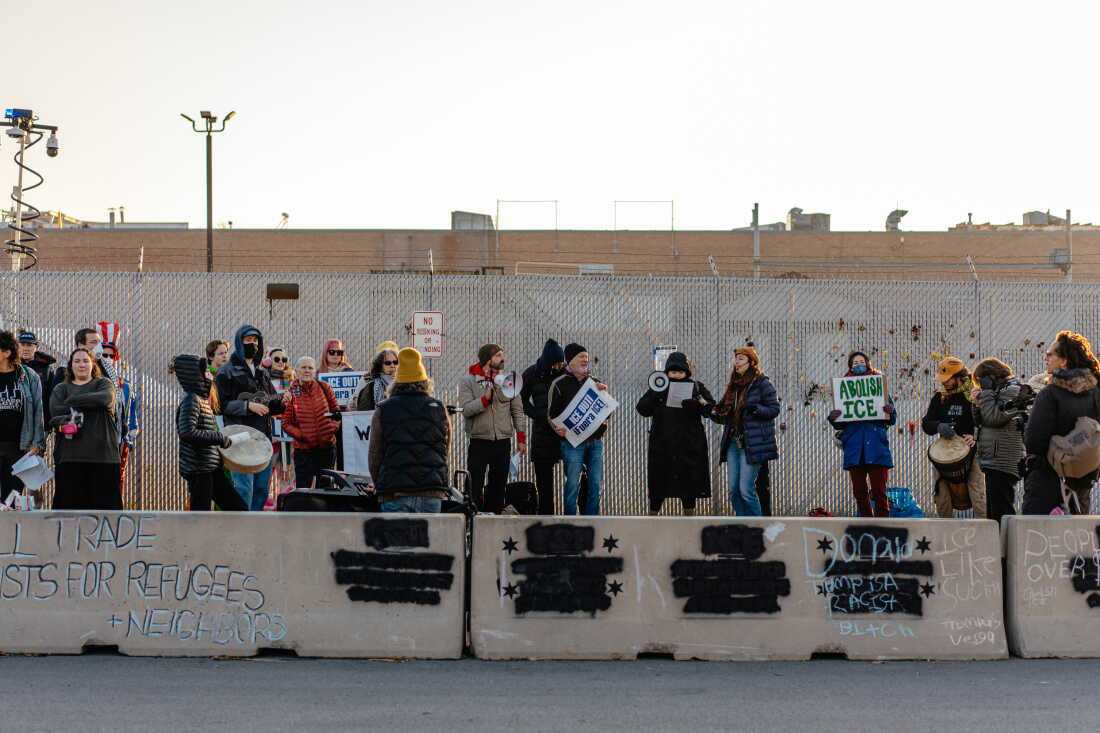
Pro-Trump Influencer Faces Defamation Lawsuit Over False ICE Protester Claims
Social media personality Benny Johnson is being sued for defamation after falsely labeling ICE protesters as 'left-wing terrorists' who assaulted federal officers.

Why Brands Like E.l.f., Wendy's, and Gap Are Creating Original Music
Major brands are shifting from traditional ads to original music and entertainment to connect with consumers. Discover how E.l.f., Wendy's, and Gap are using music to drive engagement.
Chick-fil-A CEO Andrew Cathy: Staying Family-Owned While Expanding Globally
Chick-fil-A's CEO Andrew Cathy explains why the fast-food giant is staying private, focusing on hospitality, and expanding internationally without sacrificing its core family values.

Saudi Arabia Prepares 100,000-Yemeni Force Against Houthi Militias Amid Escalating Red Sea Conflict
Saudi Arabia mobilizes massive Yemeni ground forces for potential offensive against Houthi rebels, who vow continued retaliation amid escalating Red Sea tensions.

AI Film Festival: China's 'The Last Span' Wins Best Story Award
Discover how the first Astana AI Film Festival (AAIFF) highlighted the stunning potential and current limitations of generative AI in cinema, featuring a breakthrough win for a Chinese team.
Latest Articles
- Inside the Cockpit: Dubai Airline Captain Recalls Life-or-Death Struggle
- Skydance Appoints Ynon Kreiz as Co-CEO to Lead Media Mega-Merger
- How Advanced Vehicle Technology is Driving Up Repair Costs
- India Border Shootings: Pakistan Accuses Indian Forces of Unprovoked Killing of Civilians
- Private Capital Reshaping Hollywood: New Money, New Stories
- Trump Signals Progress on Iran Strategy Amid Rising Middle East Tensions