Cornell Fraternity Rape Case: Elite Privilege vs. Justice
The Cornell fraternity rape case exposes deep flaws in Title IX and legal justice. Explore the systemic issues of Greek life and elite politics.
Source: thepaper.cn
A shocking incident at Cornell University has reignited the intense national debate over sexual assault, elite privilege, and the inadequacies of the current legal system. The recent revelations regarding a fraternity assault are not merely isolated criminal cases; they serve as a stark mirror reflecting the enduring "Boy's Club" mentality embedded within the highest echelons of American academia and social hierarchy. As New York Governor Kathy Hochul pledges to close legal loopholes, the spotlight turns to the complex interplay between institutional power, procedural justice, and the fight for gender equality.
Key Takeaways
- A Legal Loophole Exposed: The suspect in the Cornell case was initially unable to be prosecuted due to a specific statutory gap in New York State law, forcing the victim to pursue a civil lawsuit.
- The Greek System's Dark Side: Fraternities often operate as closed societies with their own codes of conduct, frequently prioritizing the protection of the group's reputation over individual safety.
- Title IX and Due Process Clash: The case highlights the ongoing tension between the Equal Educational Opportunity Act (Title IX) and the constitutional guarantee of "Due Process," creating a complex battleground for universities and the courts.
- Systemic Inertia: Despite decades of advocacy, the "deep-rooted culture of silence" within elite institutions remains a significant barrier to justice.
- Political Ramifications: The handling of the case has become a flashpoint in the broader cultural wars, with political figures from both the left and right weighing in on the future of campus safety policies.
In-Depth Analysis
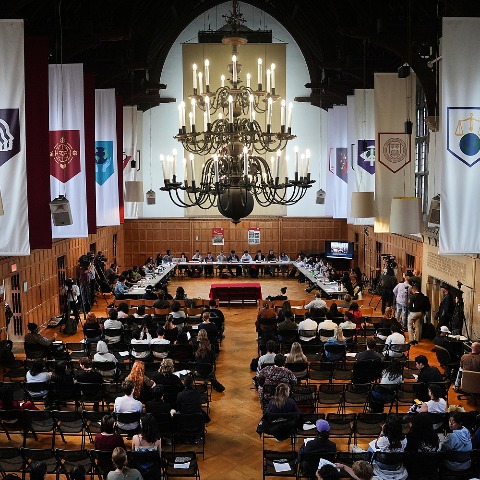
The Cornell incident is a textbook example of how systemic inequality operates within the guise of tradition. The "Greek Letter Organizations" (fraternities and sororities) at Ivy League and other elite universities are often viewed as prestigious social clubs, but they function as private enclaves that can shield members from external accountability. The assault, which allegedly involved multiple perpetrators and the use of drugs, underscores a disturbing reality: for some, the fraternity experience is not about academic growth but about the consolidation of power and the normalization of predatory behavior.
This case brings into sharp focus the limitations of the current legal framework. The victim’s decision to file a civil suit rather than a criminal one highlights the frustration many survivors feel when facing the criminal justice system. The delay in prosecution and the reliance on civil remedies suggest a failure of the state to protect its citizens effectively. This has led to increased pressure on lawmakers to amend statutes of limitation and close loopholes that allow perpetrators to evade justice.
Furthermore, the conflict between Title IX and constitutional rights illustrates the polarized nature of the current discourse. Title IX was designed to combat gender discrimination in education, but its implementation has sparked fierce debate regarding "Due Process." Critics argue that university tribunals are biased and lack the safeguards of the criminal justice system, while advocates insist that traditional legal channels are too slow and victim-blaming. The Cornell case sits right at the center of this friction, illustrating that true justice may require a hybrid approach that addresses both the individual harm and the systemic culture enabling it.
Frequently Asked Questions
Q: What is the main issue with the current legal system regarding fraternity cases?
A significant issue is the existence of "loopholes" in state laws that can prevent the prosecution of sexual assault cases, particularly when victims are incapacitated or when the incident occurs within private organizations. Additionally, the "boys' club" mentality can lead to local prosecutors being hesitant to pursue cases that lack clear evidence or face significant pushback from powerful alumni networks.
Q: How does Title IX relate to the Cornell case?
Title IX requires gender equity in educational programs. In this context, it compels universities to address sexual misconduct. The case involves a civil lawsuit against the university itself, suggesting a failure on the institution's part to provide a safe environment, thereby triggering a Title IX violation claim alongside the criminal allegations.
Q: What are the implications for the future of Greek life on campuses?
The case is likely to lead to increased scrutiny and stricter regulations for fraternities. Universities may face pressure to revoke charters for organizations with histories of violence, and state legislatures may pass laws that strip private clubs of their tax-exempt status or limit their ability to operate on campus grounds if they do not adhere to strict safety standards.
Source: https://www.thepaper.cn/newsDetail_forward_34196980
Related posts
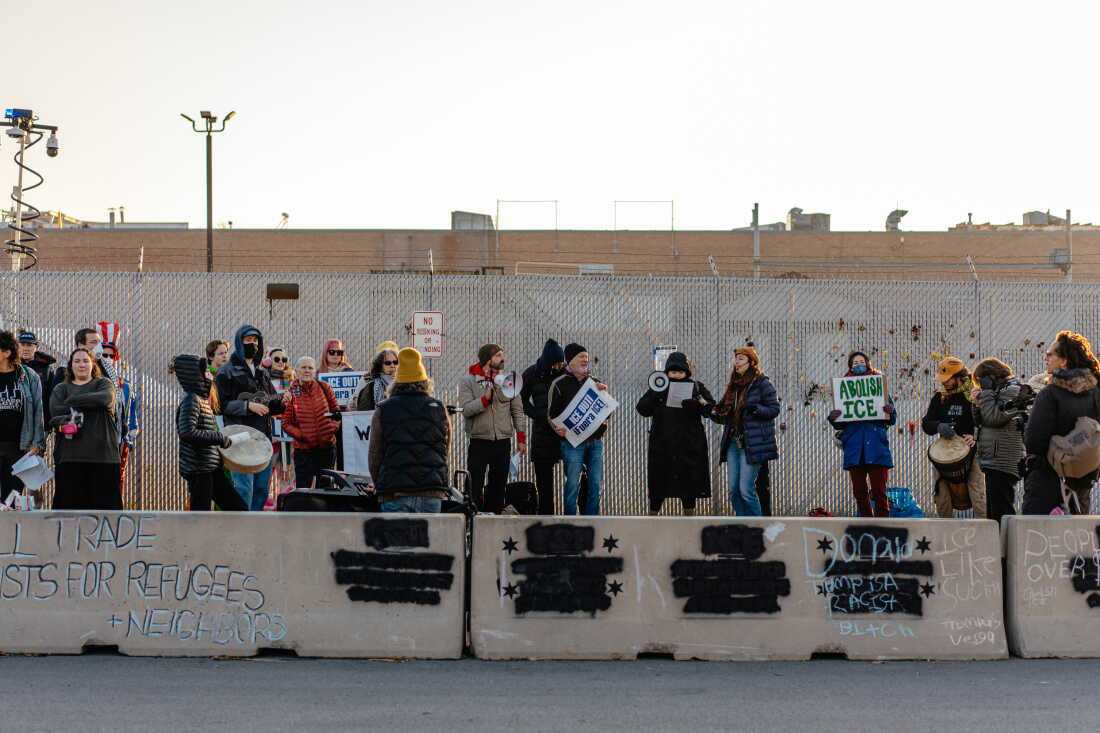
Pro-Trump Influencer Faces Defamation Lawsuit Over False ICE Protester Claims
Social media personality Benny Johnson is being sued for defamation after falsely labeling ICE protesters as 'left-wing terrorists' who assaulted federal officers.

Why Brands Like E.l.f., Wendy's, and Gap Are Creating Original Music
Major brands are shifting from traditional ads to original music and entertainment to connect with consumers. Discover how E.l.f., Wendy's, and Gap are using music to drive engagement.
Chick-fil-A CEO Andrew Cathy: Staying Family-Owned While Expanding Globally
Chick-fil-A's CEO Andrew Cathy explains why the fast-food giant is staying private, focusing on hospitality, and expanding internationally without sacrificing its core family values.

Saudi Arabia Prepares 100,000-Yemeni Force Against Houthi Militias Amid Escalating Red Sea Conflict
Saudi Arabia mobilizes massive Yemeni ground forces for potential offensive against Houthi rebels, who vow continued retaliation amid escalating Red Sea tensions.

AI Film Festival: China's 'The Last Span' Wins Best Story Award
Discover how the first Astana AI Film Festival (AAIFF) highlighted the stunning potential and current limitations of generative AI in cinema, featuring a breakthrough win for a Chinese team.
Inside the Cockpit: Dubai Airline Captain Recalls Life-or-Death Struggle
A Dubai Airline captain describes the terrifying moments a co-pilot attacked him from behind, leading to a desperate fight to save the flight.

Skydance Appoints Ynon Kreiz as Co-CEO to Lead Media Mega-Merger
David Ellison brings in Mattel's former CEO to run the combined Paramount Skydance and Warner Bros. Discovery as the $110 billion merger closes.

How Advanced Vehicle Technology is Driving Up Repair Costs
Modern vehicles with sophisticated electronics and ADAS systems are forcing repair shops to invest heavily in new equipment, with costs being passed on to consumers.
Latest Articles
- India Border Shootings: Pakistan Accuses Indian Forces of Unprovoked Killing of Civilians
- Private Capital Reshaping Hollywood: New Money, New Stories
- Trump Signals Progress on Iran Strategy Amid Rising Middle East Tensions
- Dubai Airline Co-Pilot Admits Intent to Crash Plane in Israel
- AI Agents: The New Hottest Skill on Wall Street, Demand Up 1,721%
- Boeing 737 Max 10 Certification Clears Software Glitch, FAA Confirms