How Advanced Vehicle Technology is Driving Up Repair Costs
Modern vehicles with sophisticated electronics and ADAS systems are forcing repair shops to invest heavily in new equipment, with costs being passed on to consumers.
Source: CNBC
The automotive industry is undergoing a technological revolution that's fundamentally changing how vehicles are repaired and maintained. As cars become increasingly computerized and equipped with advanced safety features, the cost of repairs has skyrocketed, creating significant challenges for both repair shops and vehicle owners. This technological shift represents one of the most significant changes in automotive maintenance in decades, with implications for everyone from independent mechanics to large dealership service centers.
Key Points
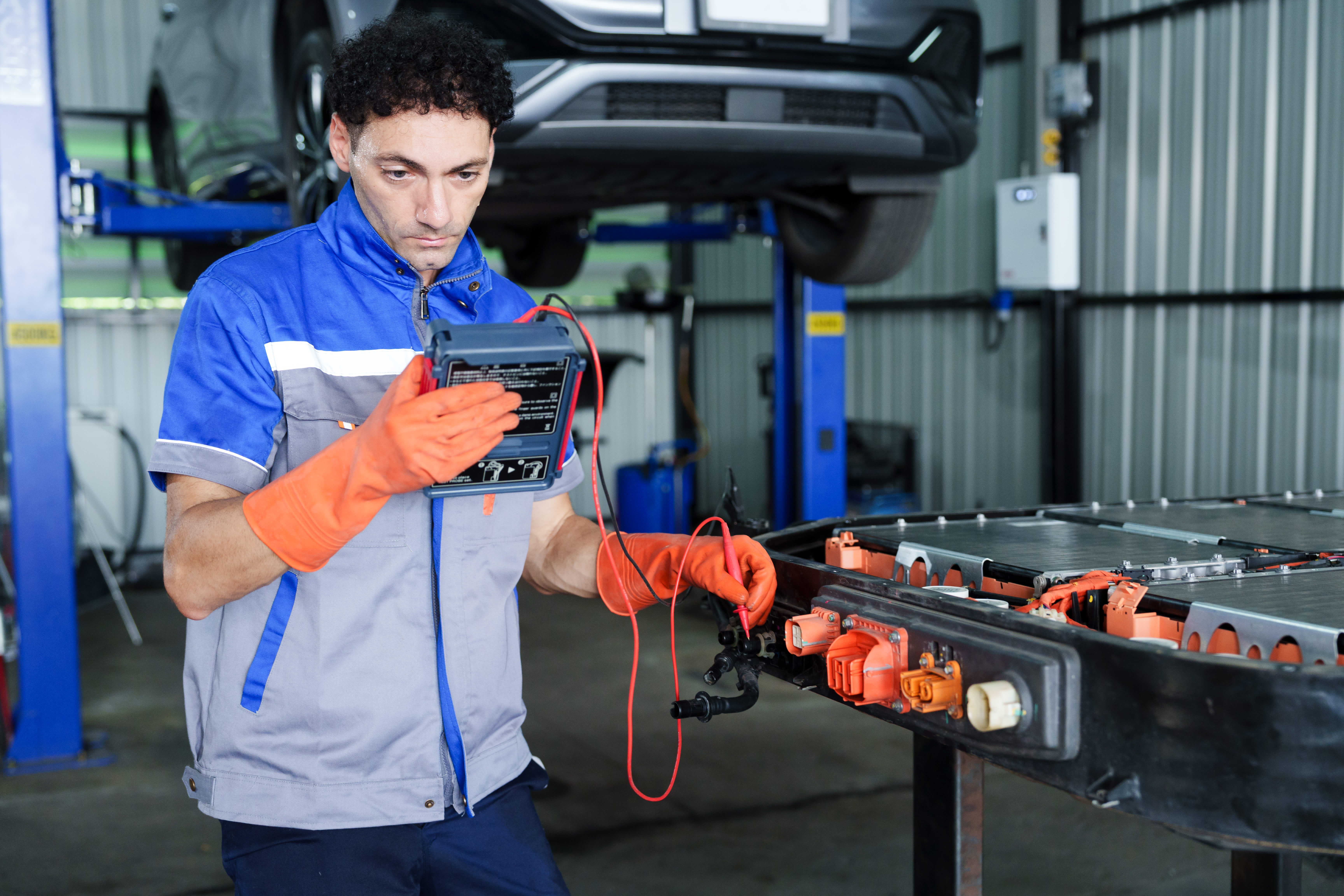
- Rising Equipment Costs: Modern repair shops must invest heavily in specialized computers, software, and calibration equipment. Ralph Czeisler, a Brooklyn mechanic, updates all his computers annually to keep up with domestic, Asian, and European vehicle systems, with costs reaching tens of thousands of dollars for complete calibration setups.
- Software Subscriptions: Repair shops must pay recurring fees for diagnostic software and data services, often available in time-limited subscriptions ranging from hours to a year. These ongoing expenses are particularly burdensome for smaller independent shops trying to service multiple vehicle makes.
- ADAS Calibration Complexity: Advanced driver-assistance systems have dramatically increased repair costs. A 2023 AAA study found that calibrating ADAS can increase collision repair costs by 37.6%. Replacing a windshield now requires camera calibration, with specialized equipment costing up to $90,000.
- Consumer Impact: These technological costs are being passed directly to consumers. Even simple procedures like resetting an oil change indicator light now require specialized software access, adding $75 or more to what would otherwise be a routine maintenance task.
- Industry-wide Trend: From January 2019 to August 2026, repair costs have risen approximately 60%, nearly double the 32% increase in overall inflation during the same period, according to the St. Louis Federal Reserve.
In-depth Analysis
The technological transformation of vehicles represents both an opportunity and a challenge for the automotive repair industry. As automakers pack more electronics and safety features into their vehicles, the traditional mechanical skills of mechanics are being supplemented with increasingly sophisticated technical knowledge. This shift has created a significant barrier to entry for new mechanics and has forced established shops to make substantial investments in training and equipment.
The rise of ADAS systems has been particularly transformative. These systems rely on multiple cameras and sensors that must be precisely calibrated after any repair affecting their positioning. A single miscalibration could lead to safety system failures, creating liability concerns for repair shops. This has forced the industry to adopt new quality control procedures and invest in expensive verification equipment.
The "right to repair" movement has gained momentum as consumers and independent shops push back against manufacturer-controlled repair information and tools. While automakers and repair industry groups have made agreements to ensure access to necessary data and parts, challenges remain, particularly around the cost and complexity of accessing proprietary information. This tension between manufacturers and independent repair facilities is likely to intensify as vehicles become more technologically complex.
Looking forward, we can expect repair costs to continue rising as vehicles incorporate more autonomous driving features and connected technologies. Electric vehicles, with their complex battery systems and specialized components, will further complicate the repair landscape. However, this challenge may also spur innovation in diagnostic tools and remote repair capabilities that could eventually help moderate costs.
Frequently Asked Questions
**Why are modern car repairs so expensive? Modern vehicles contain sophisticated electronics and computer systems that require specialized diagnostic equipment and software to repair. Additionally, safety systems like ADAS must be precisely calibrated after repairs, adding both time and expense to the process.
**Can independent repair shops compete with dealership service centers? While independent shops face significant challenges in keeping up with technological advancements, many are adapting by specializing in certain makes or investing in shared diagnostic resources. The right to repair movement is also working to ensure independent shops have access to the same information and tools as dealerships.
**Will repair costs continue to rise? Yes, repair costs are likely to continue increasing as vehicles incorporate more autonomous features, advanced safety systems, and electric powertrains. However, technological advancements in diagnostic tools and standardized repair procedures may eventually help moderate these increases.
Source: https://www.cnbc.com/2026/10/03/vehicle-repair-costs.html
Related posts
India Border Shootings: Pakistan Accuses Indian Forces of Unprovoked Killing of Civilians
Pakistan claims Indian border guards killed two civilians in Punjab, violating agreements. The incident highlights rising tensions on the Line of Control.

Private Capital Reshaping Hollywood: New Money, New Stories
How private equity is challenging legacy studios, funding diverse independent films, and changing the future of entertainment.
Trump Signals Progress on Iran Strategy Amid Rising Middle East Tensions
President Trump confirms significant progress in next steps regarding Iran as US military deployments increase in the region.
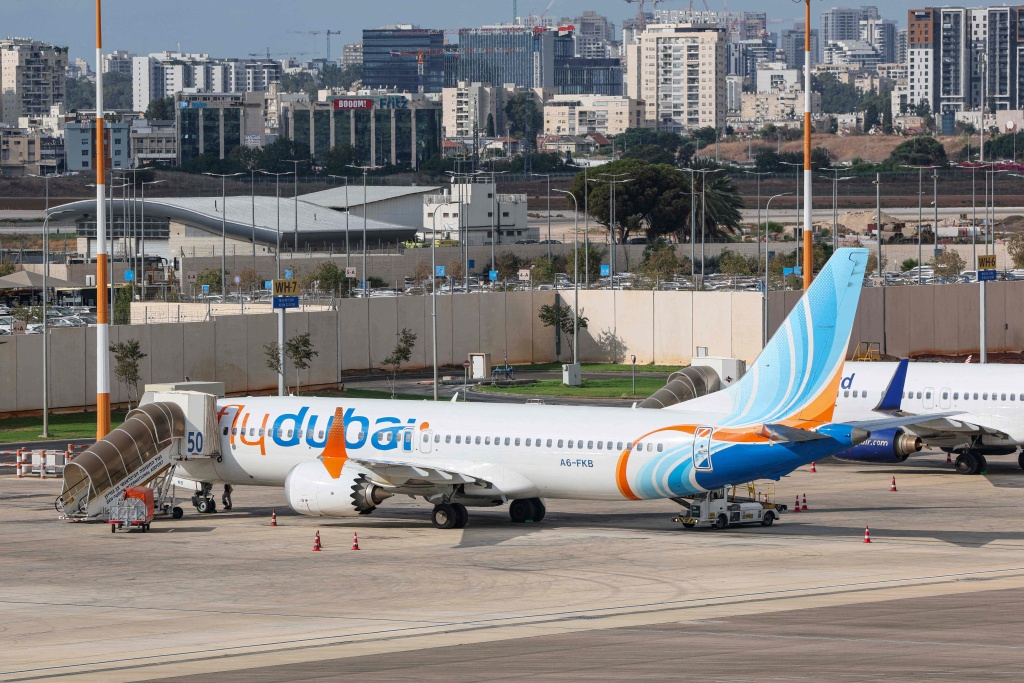
Dubai Airline Co-Pilot Admits Intent to Crash Plane in Israel
A shocking incident aboard a Dubai airline flight to Tel Aviv raises critical questions about aviation security screening and the detection of radicalized pilots.

AI Agents: The New Hottest Skill on Wall Street, Demand Up 1,721%
Wall Street is rapidly evolving beyond basic chatbots into a complex ecosystem of AI agents. Discover why agent orchestration is the hottest new skill and how it's reshaping finance careers.
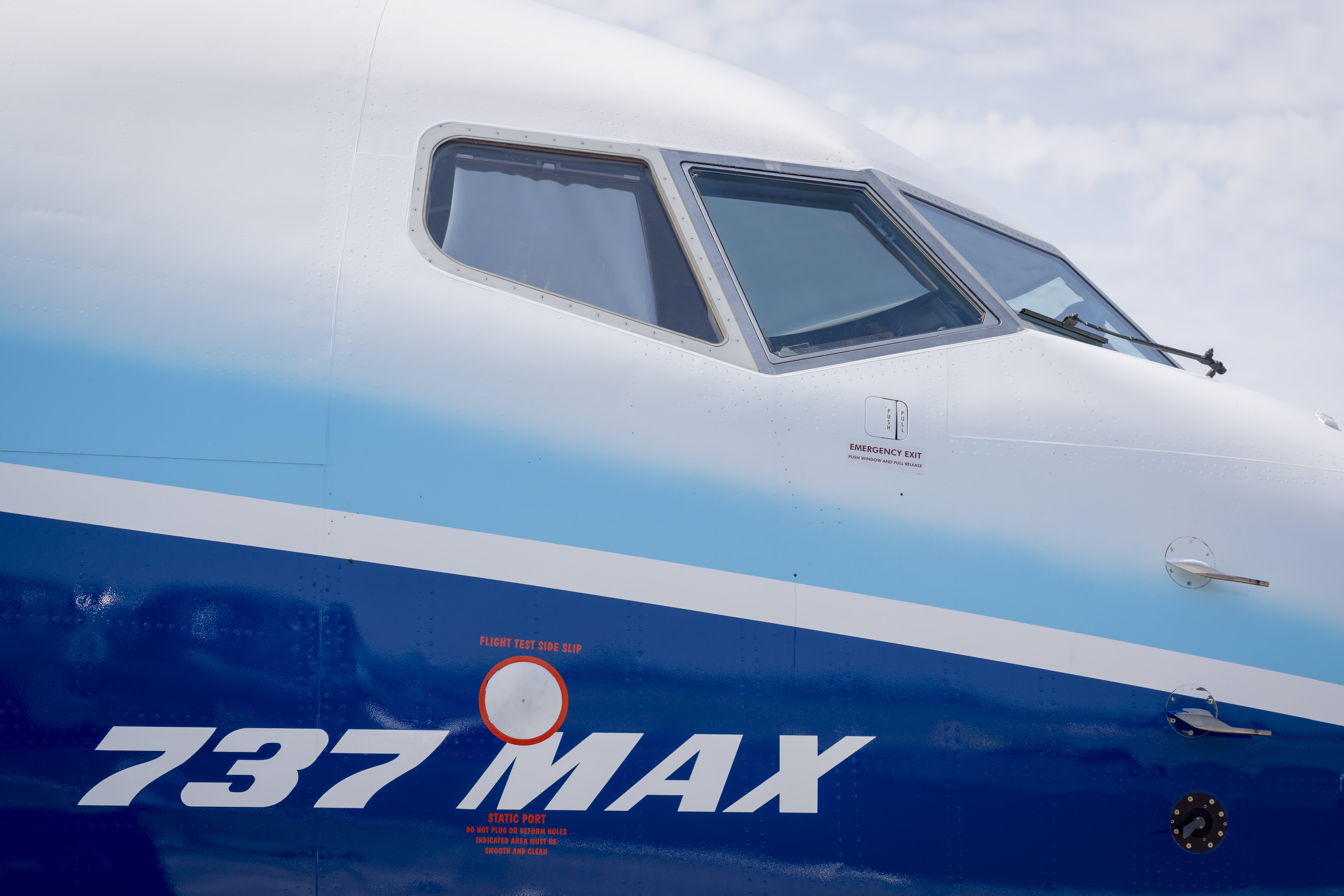
Boeing 737 Max 10 Certification Clears Software Glitch, FAA Confirms
FAA confirms Boeing 737 Max 10 software glitch isn't a flight safety issue, paving the way for certification after years of crisis.
Japan-US Military Exercise Deploys Advanced Missiles to Yonaguni Island
Japan and US to conduct large-scale joint military drills with new coastal missile systems deployed to strategic Yonaguni island for the first time.
Dubai Flight Hijack: Terror Probe, Political Fallout, and Aviation Security
An in-depth analysis of the Dubai to Tel Aviv flight incident, the investigation into the co-pilot's motives, and the geopolitical tensions surrounding the attack.
Latest Articles
- South Korea Abolishes Prosecution Office in Major Judicial Reform
- US Deploys Third Aircraft Carrier to Middle East Amid Rising Tensions
- Mattel Shares Surge After Takeover Interest From Authentic Brands Group
- Nike Restructuring: Layoffs, Supply Chain Overhaul, and Q1 2027 Outlook
- Boeing Engineers Approve New Contract: 10% Raises to Boost 737 Max 10 & 777X Production
- Middle East Diplomatic Surge: What Netanyahu's Visit to UAE Signals for Regional Stability