Middle East Diplomatic Surge: What Netanyahu's Visit to UAE Signals for Regional Stability
Analysis of recent high-level Middle East diplomacy involving Israel, Saudi Arabia, and UAE, and the strategic implications for regional security.
Source: thepaper.cn
The Middle East is currently witnessing a flurry of diplomatic activity that signals a significant shift in regional dynamics. On September 27, Israeli Prime Minister Benjamin Netanyahu made a surprise visit to the United Arab Emirates (UAE) to meet with President Mohamed bin Zayed. Just two days later, UAE Vice President Sheikh Mansour met with Saudi Arabia's Crown Prince Mohammed bin Salman in Riyadh. These high-level interactions suggest that regional leaders are increasingly prioritizing direct dialogue to navigate complex security challenges, even as they maintain distinct political boundaries. The recent diplomatic surge highlights a growing interconnectedness in the region, where traditional alliances are being tested and new forms of cooperation are emerging amidst ongoing geopolitical tensions.
Key Takeaways
- Surprise Visit to UAE: Israeli Prime Minister Benjamin Netanyahu made an unannounced visit to the UAE on September 27, meeting with President Mohamed bin Zayed. This visit was part of a broader effort to normalize relations and address shared security concerns with Gulf states.
- Saudi-UAE Coordination: Following Netanyahu's visit, the UAE Vice President met with Saudi Arabia's Crown Prince Mohammed bin Salman in Riyadh on September 29. The two leaders discussed bilateral relations and the overall regional situation, signaling a continued strengthening of ties between key Gulf nations.
- Denial of Expanded Meetings: Israeli media reported that Netanyahu also held an expanded meeting with officials from Saudi Arabia and Jordan during his UAE visit. However, both Saudi and Jordanian officials vehemently denied these reports, stating that no such meeting took place and that the claims were politically motivated.
- Focus on Regional Security: The primary topics of discussion during these high-level meetings included Iran, the Houthi conflict in Yemen, and the broader security situation in the Red Sea region. Leaders are increasingly focused on finding ways to contain Iranian influence and stabilize the volatile security environment.
- Strategic Ambiguity: The denial by Saudi Arabia and Jordan highlights a strategic approach of maintaining a delicate balance. While these nations are engaging in dialogue to address common threats, they are unwilling to formally align with Israel or join a coalition led by the Israeli government.
- Iran's Response: Iran has reacted strongly to these diplomatic developments, condemning the meetings and warning that regional nations should not allow their territories to be used as platforms for attacks against other countries. Iran is actively seeking to preserve its negotiation leverage while warning against the formation of a unified anti-Iran front.
- Yemen's Potential Reaction: Analysts suggest that the Houthi movement in Yemen may view the recent diplomatic interactions as a sign of a coordinated regional effort to address the conflict in Yemen. This perception could lead the Houthis to increase their military readiness and pressure on Saudi Arabia to prevent what they perceive as a marginalization of their cause.
In-Depth Analysis
The recent diplomatic maneuvers in the Middle East underscore a complex reality where security concerns often transcend traditional political animosities. The willingness of leaders like Mohammed bin Salman and Mohamed bin Zayed to engage in direct talks with Benjamin Netanyahu, despite the historical and ideological rifts, demonstrates a pragmatic approach to regional stability. This pragmatism is driven by a shared desire to counter Iranian influence and manage the fallout from the ongoing war in Gaza. However, the subsequent denial by Saudi Arabia and Jordan regarding the expanded meetings reveals the fine line these nations must walk. They are engaging in back-channel diplomacy to address immediate threats but are carefully avoiding any formal political entanglement with Israel that could alienate their own populations or violate their own public stances.
From a geopolitical perspective, this pattern of behavior—direct engagement combined with public denial—serves as a sophisticated tool for regional powers. It allows them to gather intelligence, coordinate military responses, and explore de-escalation strategies without committing to irreversible political agreements. The involvement of Qatar as a mediator, with Iran discussing reopening the Strait of Hormuz and negotiating with the United States, further complicates the landscape. This suggests that while the region is seeing increased coordination, it is also a period of high tension where diplomatic channels are being used as much for signaling strength as for actual negotiation. The future of the region will likely depend on whether these back-channel discussions can translate into concrete security arrangements that address the root causes of instability, or if they will remain temporary fixes to a much larger, enduring conflict.
Source: https://www.thepaper.cn/newsDetail_forward_34187134
Related posts
China's 77 Years: A Journey of Transformation and Global Impact
Exploring China's remarkable development journey over 77 years, from economic reforms to technological innovation and global engagement.
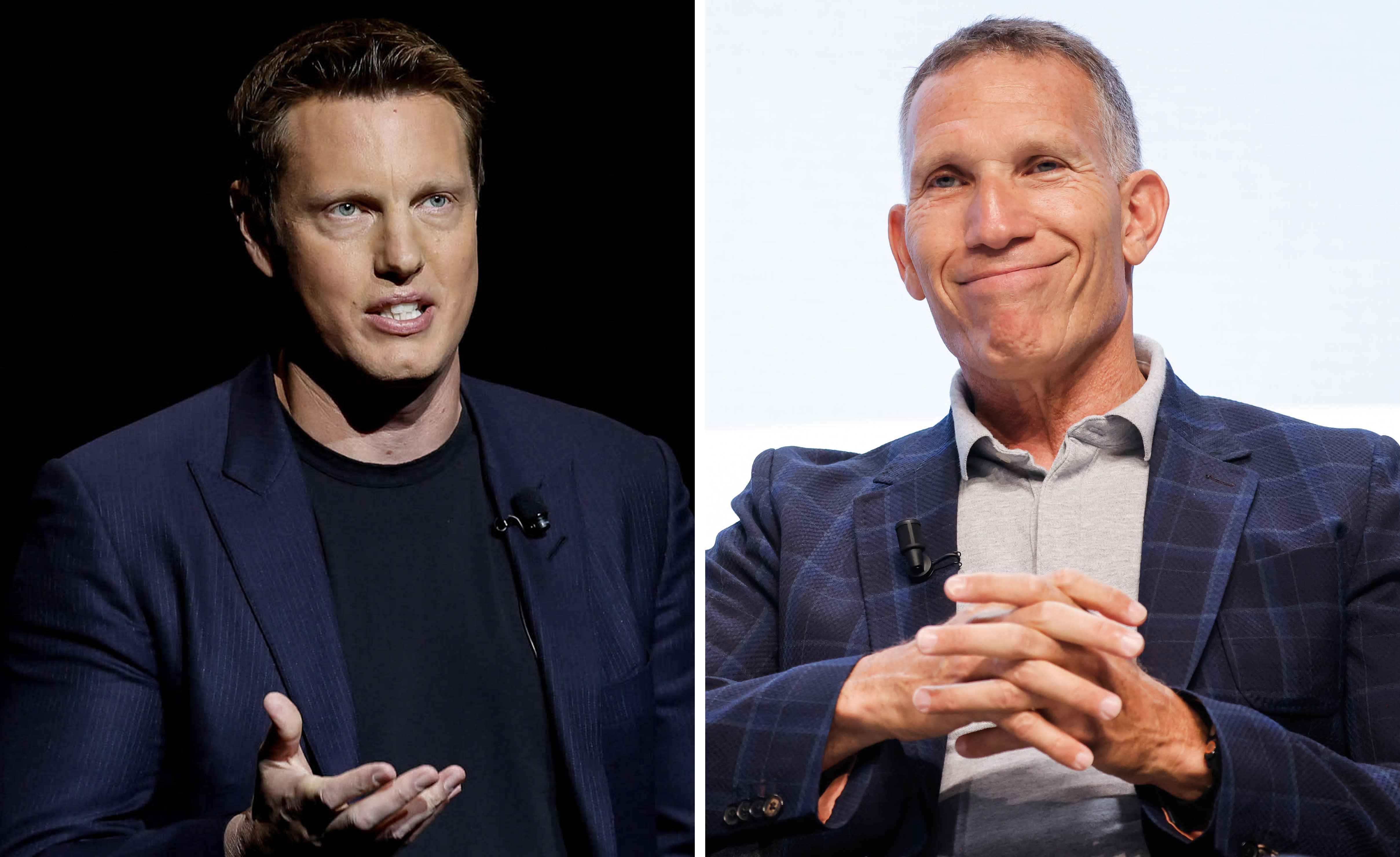
David Ellison Appoints Ynon Kreiz as Co-CEO of Merged Paramount and Warner Bros. Discovery
Skydance CEO David Ellison names outgoing Mattel CEO Ynon Kreiz as co-CEO for the anticipated $110 billion media merger, with Kreiz focusing on operations while Ellison handles strategy.
Dubai Airlines Suspends Israel Flights After Co-Pilot Attack Incident
Dubai Airlines has suspended all flights to and from Israel following a serious cockpit incident where a co-pilot allegedly stabbed the captain, causing an emergency descent.
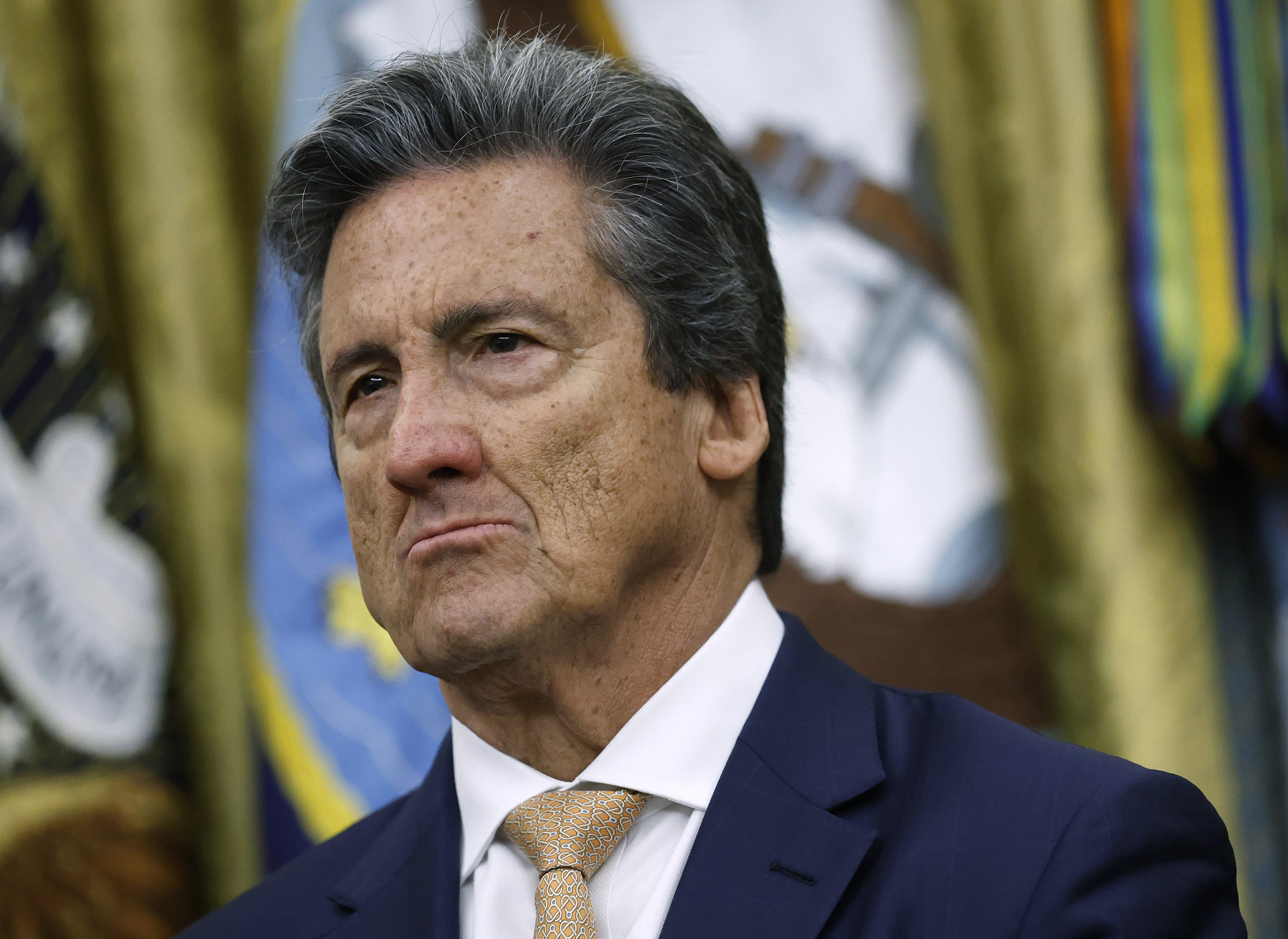
MGM Resorts Reconsiders Barry Diller's People Inc. Bid Amidst Casino Consolidation
MGM CEO Bill Hornbuckle signals potential acquisition of People Inc., as Las Vegas deals heat up and Caesars Entertainment goes private.
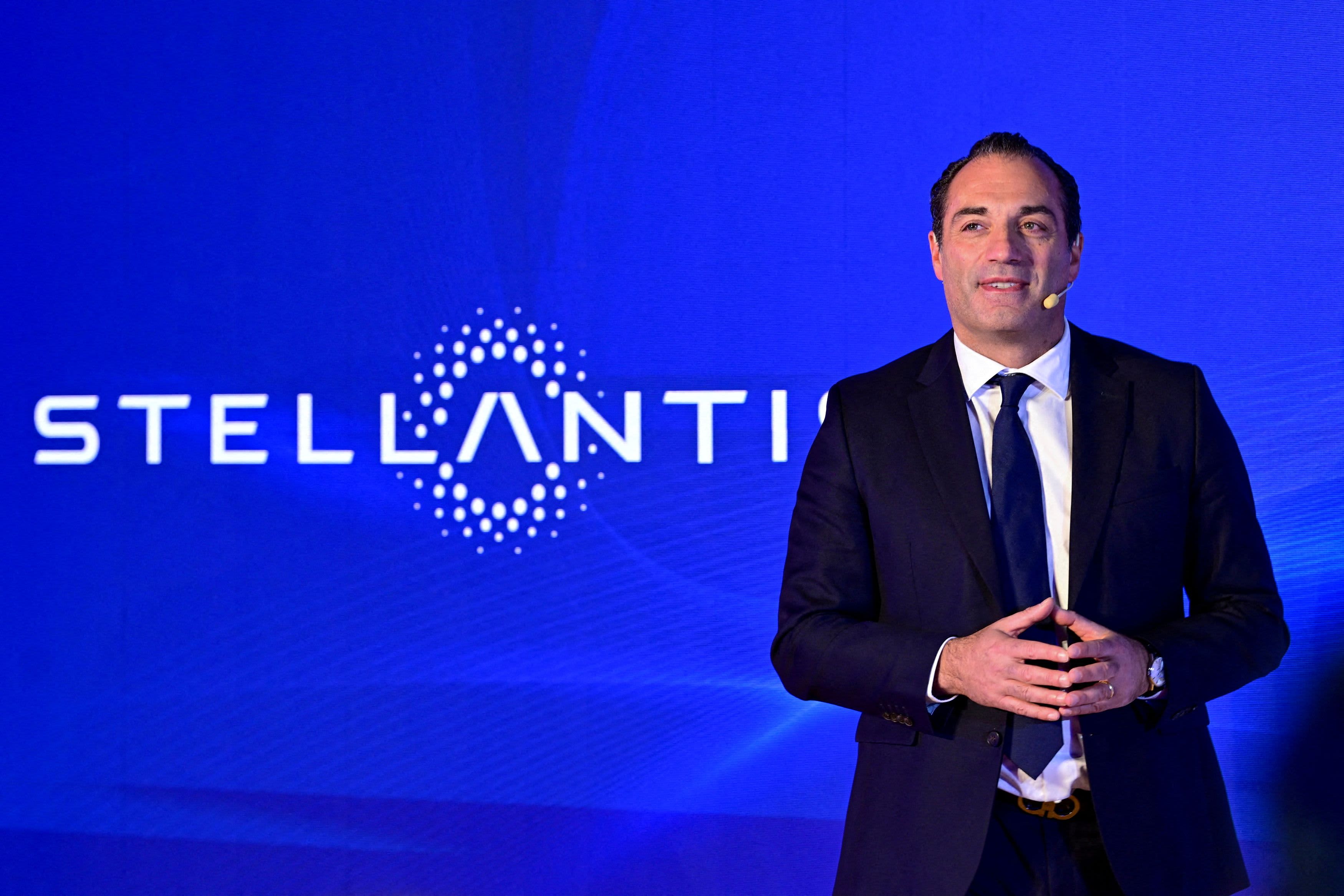
Stellantis 2026 Guidance: CEO Reaffirms Strategy Amid Stock Slump
Stellantis CEO Antonio Filosa reconfirms 2026 revenue and margin targets, detailing the automaker's $70B turnaround plan and the market's reaction to its shares hitting a record low.
Potential Trump-Putin-Xi Trilateral Meeting at APEC Shenzhen
China remains noncommittal about possible trilateral talks between US, Russian, and Chinese leaders during APEC summit in Shenzhen.
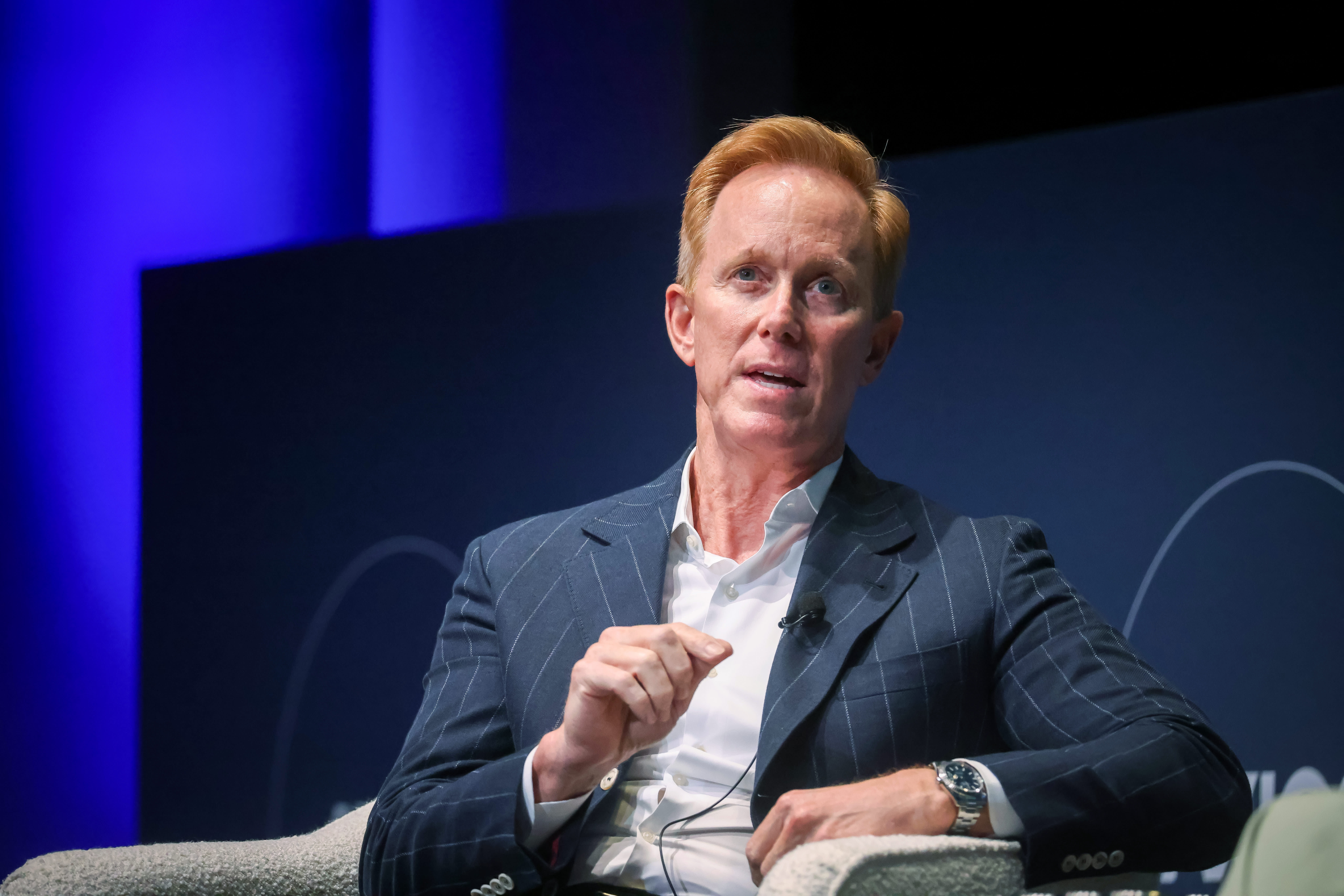
Mattel Appoints Roger Lynch as New CEO, Charting New Course for Global Toy Giant
Discover how Mattel is reshaping its leadership with the appointment of Roger Lynch. Learn about the strategic shift following the massive success of the Barbie movie and the company's expansion into digital gaming.

Swiss Neutrality in Crisis: Why Voters Rejected 'Strict Neutrality'
Swiss voters overwhelmingly rejected a constitutional amendment to adopt strict neutrality. This decision reveals how geopolitical shifts and economic realities are challenging Switzerland's two-century-old diplomatic strategy.
Latest Articles
- America.gov Launch: Trump's AI Government Portal Hits Glitches
- Alaska Airlines Unveils Premium Cabin Overhaul Amid Luxury Travel Boom
- El Pollo Loco Expands East Coast: First NYC Location Set for 2027
- How to Avoid Getting Ripped Off: 4 Strategies from a Pricing Expert
- Iran-US Nuclear Standoff: High-Stakes Diplomacy Amid Political Calculations
- Trump Administration Rolls Back Fuel Efficiency Standards: What It Means for Consumers and the Auto Industry