Youth as Climate Architects: Building a Sustainable Future
How young scholars are transforming from climate issue recipients to active builders in global climate governance.
Source: thepaper.cn
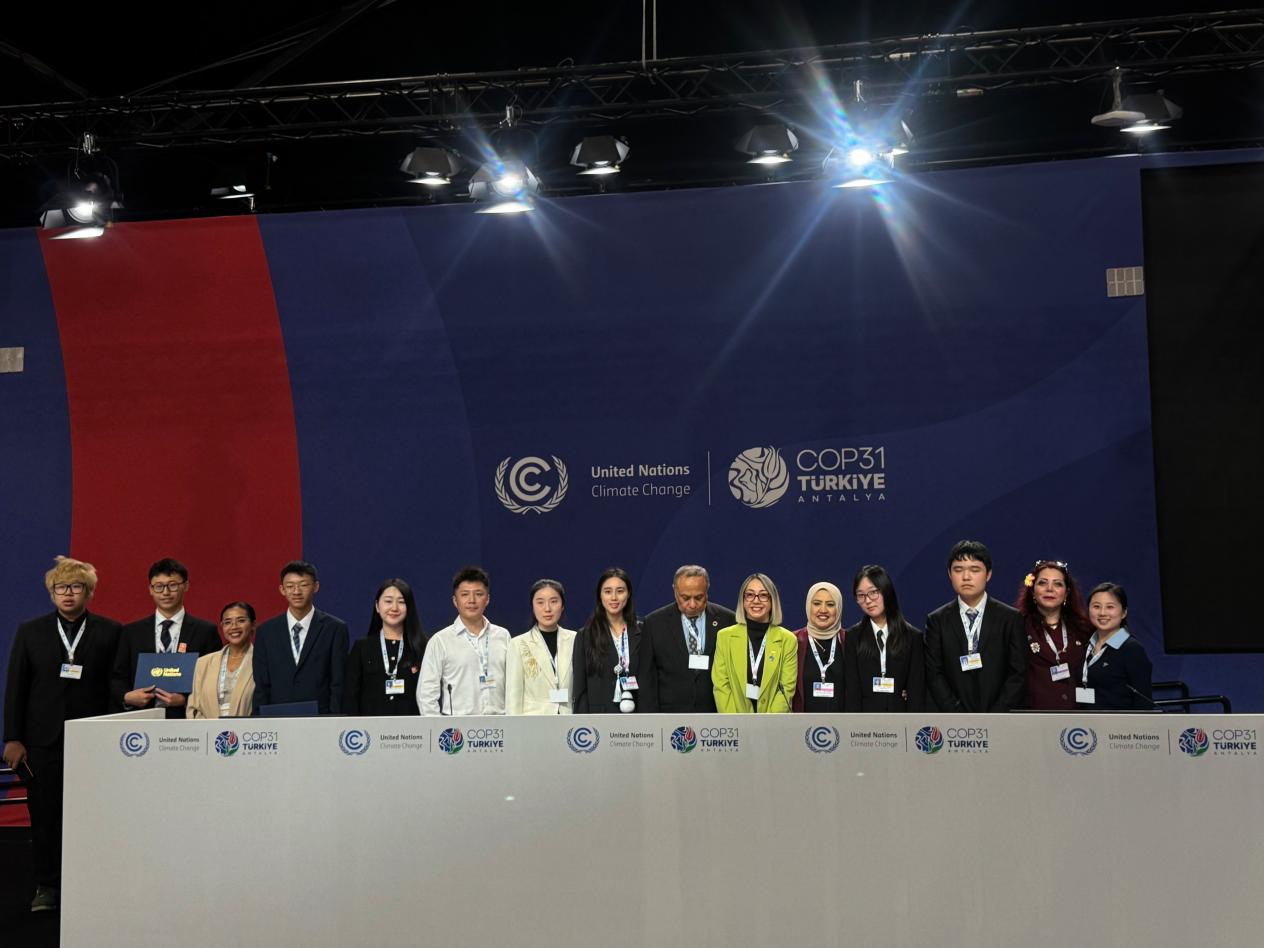
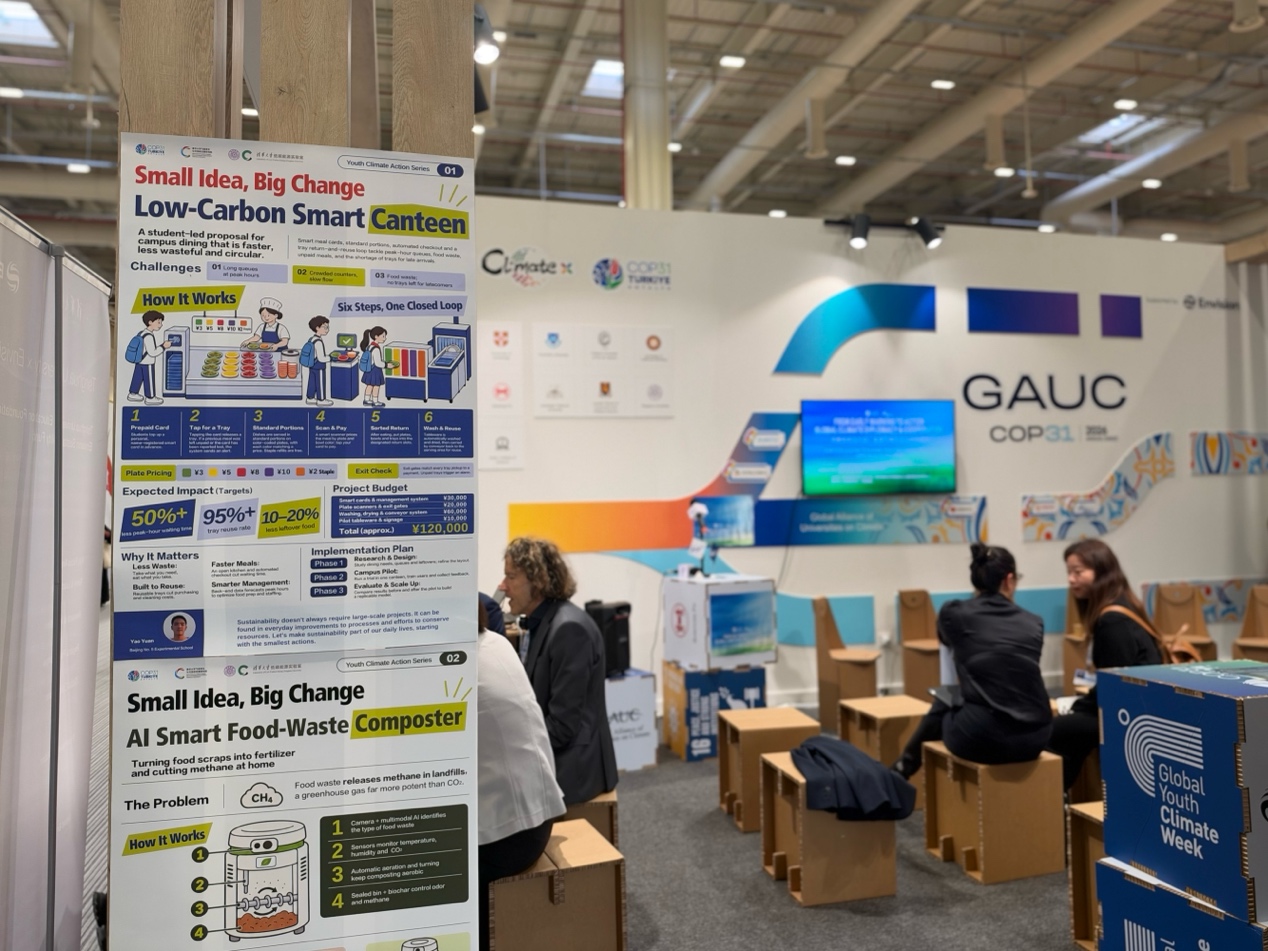
In an era when climate action has moved beyond discussion to implementation, a new generation of young scholars is emerging not just as inheritors of our planet's challenges, but as active architects of its solutions. At COP31, the Global Alliance of Universities on Climate Change (GAUC) demonstrated how youth participation is reshaping climate discourse, bringing fresh perspectives and innovative approaches to the complex challenges of climate governance.
Key Insights
-
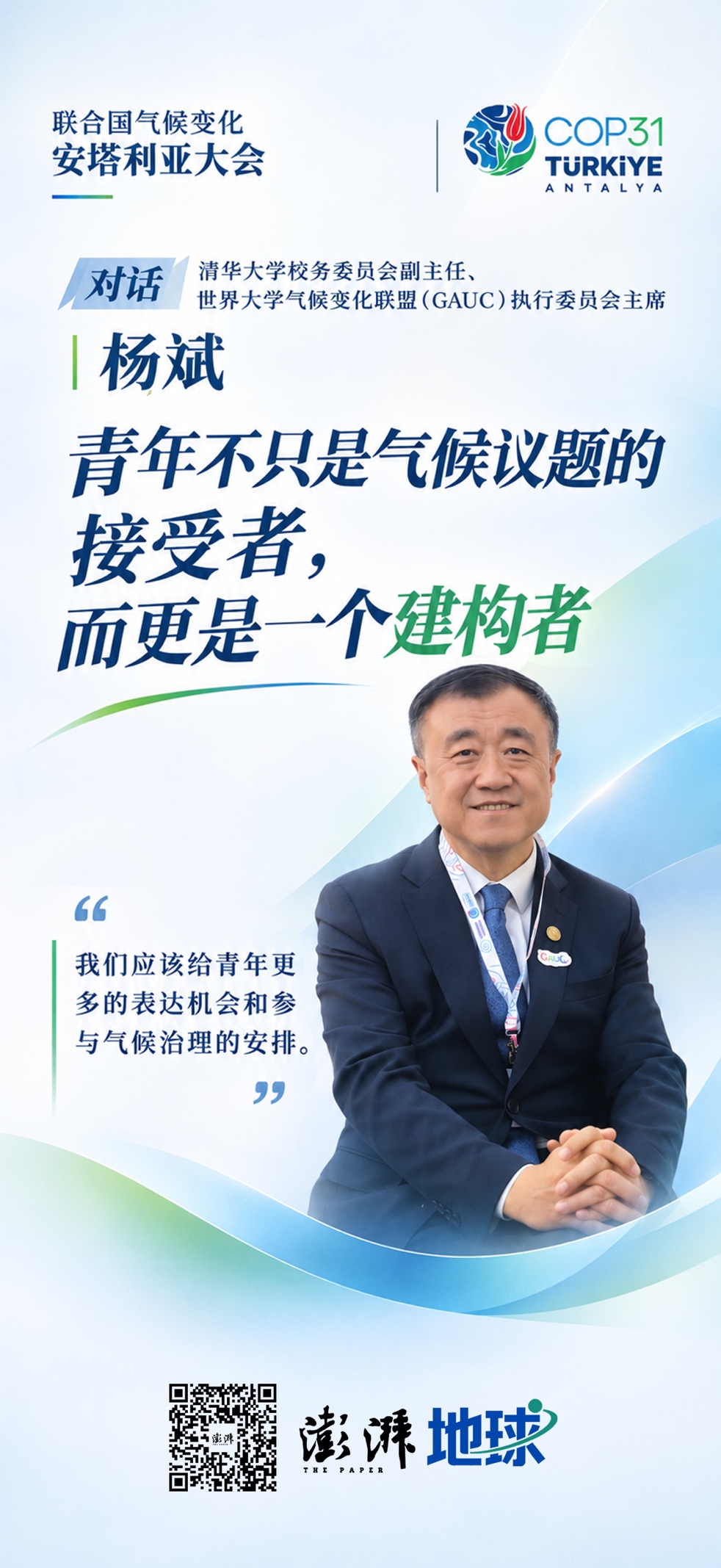
Youth as Climate Architects: Nicholas Stern, renowned climate economist, emphasized that young people are not merely recipients of climate decisions but active builders of our climate future. This paradigm shift recognizes that youth bring innovative thinking and long-term perspectives essential for addressing climate challenges.
-
Bridging the Implementation Gap: COP31's theme of "implementation" highlights the critical transition from climate commitments to action. GAUC's youth delegation, representing universities worldwide, contributes practical solutions and research that bridge the gap between policy promises and on-the-ground implementation.
-
Educational Diplomacy: Founded in 2019 by Tsinghua University and other global institutions, GAUC represents a stable channel of "educational diplomacy" that complements governmental climate negotiations. This university-led network provides continuity and expertise even when political climate agreements face instability.
-
Addressing Entry-Level Job Challenges: With AI reducing entry-level positions, Yang Bin proposes that philanthropic organizations create climate-focused entry-level positions. This innovative approach would simultaneously address climate challenges while providing young professionals with essential career development opportunities.
-
Climate as General Education: Yang advocates for climate literacy to become a fundamental component of general education across all disciplines, not just specialized environmental studies. This approach recognizes climate change as a cross-cutting issue requiring multidisciplinary solutions.
In-Depth Analysis
The youth participation at COP31 represents a significant evolution in climate governance structures. Historically, climate decision-making has been dominated by governmental entities and established institutions, often marginalizing younger generations who will bear the long-term consequences of today's decisions. GAUC's approach challenges this model by positioning universities as crucial intermediaries that can facilitate meaningful youth engagement in climate governance.
The concept of "keeping the water warm" emerges as particularly relevant in today's volatile climate diplomacy landscape. As political agreements face uncertainties and reversals, the university-led educational diplomacy represented by GAUC provides a stable foundation for continued progress. This approach becomes even more critical when governmental climate commitments falter, as was seen when the U.S. withdrew from the Paris Agreement.
The integration of AI and climate studies represents another significant development. As Yang Bin notes, both AI and climate change are transdisciplinary challenges that cannot be adequately addressed within traditional academic silos. This recognition calls for new educational frameworks that prepare students to work across disciplines and communicate complex climate concepts to diverse audiences.
The Chinese youth delegation's participation at COP31 serves as a powerful counter-narrative to misconceptions about China's climate governance. Their active engagement demonstrates that China's climate action extends beyond governmental initiatives to include broad societal consensus, particularly among educated youth. This grassroots movement, amplified through both academic and social media channels, indicates a deepening cultural integration of climate consciousness in Chinese society.
Looking forward, the model of youth engagement exemplified by GAUC offers valuable lessons for global climate governance. By positioning young people as active rather than passive participants, by creating pathways for meaningful contribution, and by fostering cross-cultural dialogue, this approach helps build the inclusive, innovative, and intergenerational collaboration essential for addressing climate change.
Frequently Asked Questions
How can universities better prepare students for climate leadership roles? Universities should integrate climate literacy across all disciplines while providing practical opportunities for students to engage in climate research and implementation. This includes creating interdisciplinary programs, supporting student-led climate initiatives, and establishing partnerships with organizations that offer climate-focused entry-level positions.
What role can philanthropic organizations play in supporting youth climate engagement? Philanthropic organizations can fund entry-level climate positions that provide young professionals with valuable experience while addressing climate challenges. This approach simultaneously advances climate goals and addresses the growing challenge of entry-level job displacement caused by automation and AI.
How does youth participation actually influence climate policy decisions? Youth participation influences climate policy by bringing fresh perspectives, innovative solutions, and long-term thinking to governance discussions. When properly integrated into decision-making processes, youth voices help ensure that policies consider intergenerational equity and future-oriented solutions, as demonstrated by GAUC's consistent presence at COP meetings.
Source: https://www.thepaper.cn/newsDetail_forward_34469880
Related posts

GM's CarBravo Strategy: Bridging the Gap Between Used Car Shoppers and New Vehicle Sales
General Motors is revolutionizing the used car market with its CarBravo program, aiming to convert used car buyers into new vehicle customers through certified pre-owned vehicles and dealership relationships.

ExxonMobil Revisits Venezuela: A Strategic Pivot in Global Oil Markets
Discover how the oil giant's return to Venezuela, once deemed 'uninvestable,' signals a major shift in energy geopolitics and climate policy.

Europe's Strategic Bet On U.S. Defense: A Growing Regret?
Europe faces a critical dilemma as reliance on American defense technology creates supply chain vulnerabilities and strategic risks.

Global IT Crisis: Microsoft Outlook Outage Impacts Millions Worldwide
Microsoft scrambles to fix widespread email outage affecting 430M users and critical infrastructure. Learn about the causes, global impact, and the future of cloud reliability.
Hamlet vs. CEO: How a Literature Professor Defends Short Dramas
Why do people love short dramas despite their clichés? An expert's analysis on the psychology of modern entertainment and the search for emotional catharsis.

Measles Outbreaks Cost US Millions Amid Rising Cases
As measles resurges in the US, outbreaks are imposing significant economic burdens through public health responses, lost productivity, and medical expenses.

After the Flood: China-Nepal Teams Search for Answers in the Himalayas
Two research teams explore the aftermath of the Nepal '8.26' debris flow, analyzing disaster mechanisms and assessing reconstruction needs for trans-Himalayan trade routes.

New Zealand Election: Two Major Parties Lose as Anti-Establishment Sentiment Grows
The 2026 New Zealand election results reveal a political earthquake, with the National and Labour parties suffering significant losses while new parties gain ground amid a deepening crisis of national trust.
Latest Articles
- MUJI Data Breach: 1 Million Credit Card Numbers Exposed
- Scout Motors' 212,000 Reservations: A New Era for American EVs?
- US Home Sales Plummet to 16-Year Low Amid Rising Mortgage Rates
- The Truth About Vision Patches: Can They Really Reverse Myopia?
- Building a Constructive Strategic Relationship Between US and China
- Immersive Star Wars Experience: Disney's New Dome Partnership