The Truth About Vision Patches: Can They Really Reverse Myopia?
Investigation reveals how 'vision patches' on social media promise to reverse myopia but often use clinics without proper medical licenses. Learn the risks of these unverified treatments.
Source: thepaper.cn
Can you really erase your myopia prescription by sticking a patch on your eye for five months? The idea sounds too good to be true, and for a family in Guangdong, it turned out to be exactly that. A consumer recently exposed a deceptive marketing scheme involving 'Vision Patches' that promised to reduce a child's nearsightedness from over 300 degrees to just 70 degrees. The reality of the transaction was far from the miracle cure advertised online. This case highlights the growing danger of health misinformation on social media platforms and the regulatory gray areas surrounding unverified health products.
Key Findings
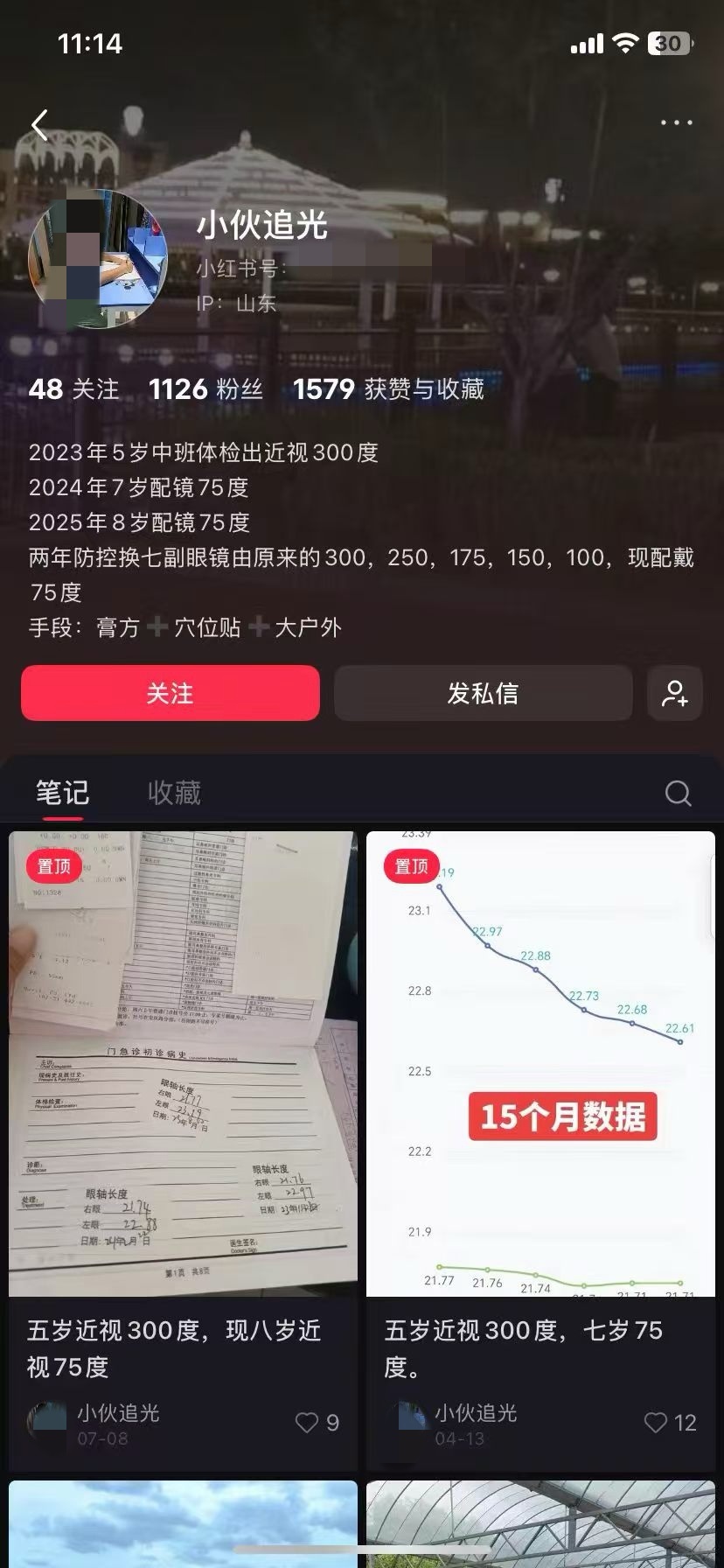
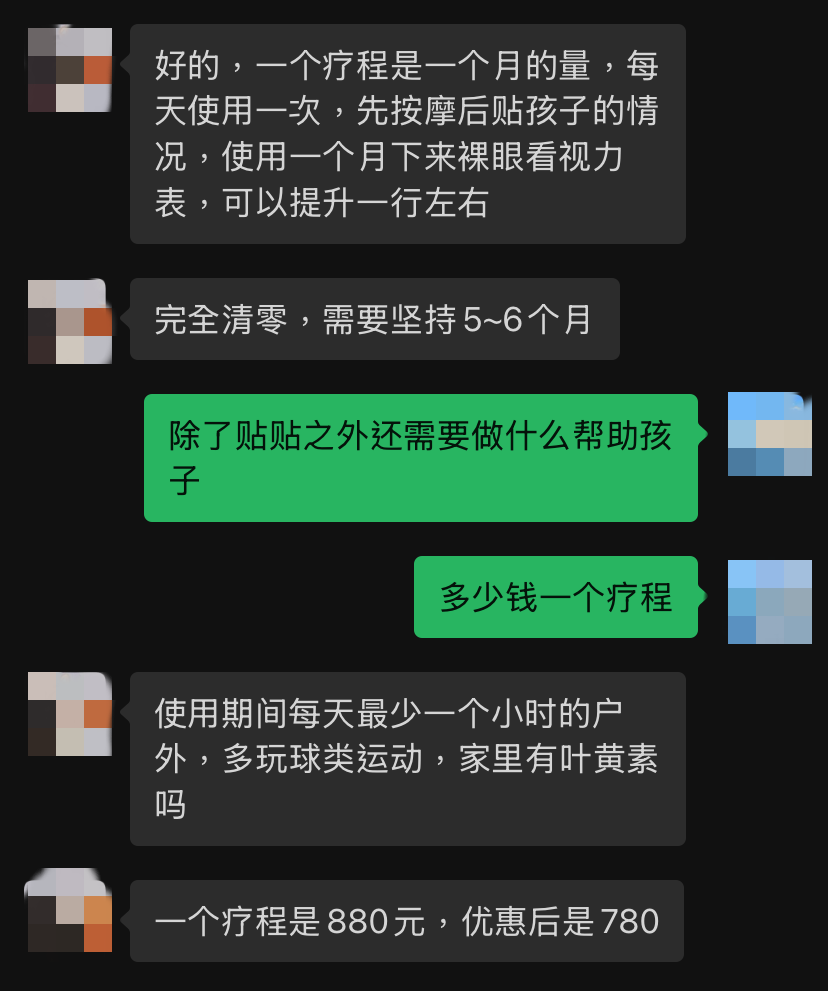
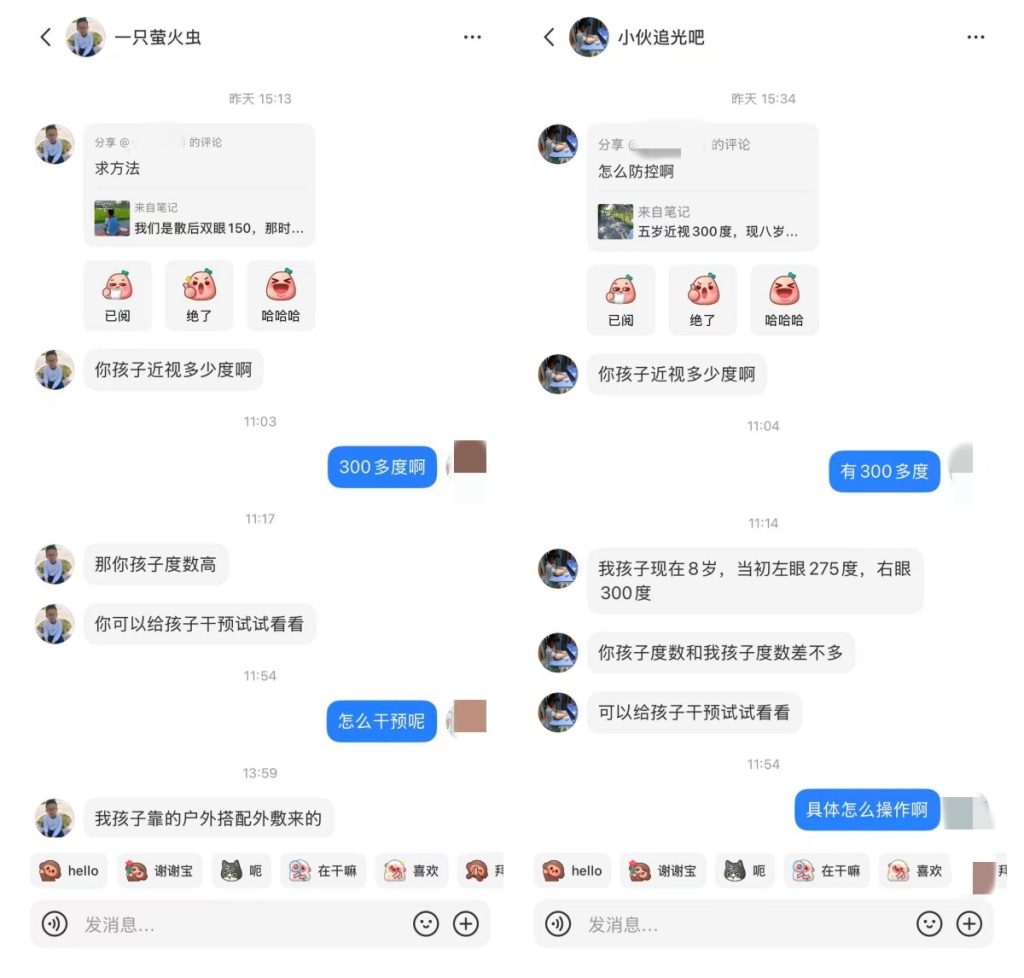
- Deceptive Marketing Tactics: Sellers on platforms like Xiaohongshu (Little Red Book) use persuasive testimonials to lure parents into purchasing vision patches, claiming that daily application combined with outdoor exercise can completely reverse myopia.
- Unqualified Clinics: The products are often sold through or recommended by clinics that lack the necessary medical licenses to perform eye treatments. The 'Shandong Liaocheng Dongchangfu Xunbentang Chinese Medicine Clinic' involved in this case is only registered for Traditional Chinese Medicine, not ophthalmology.
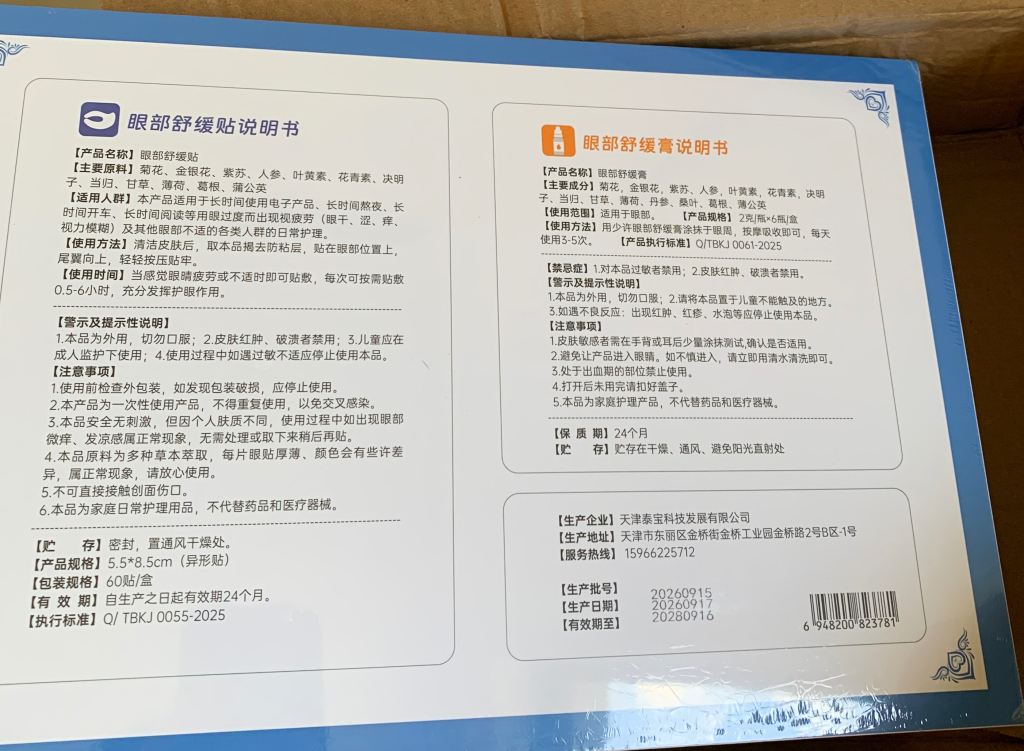
- Product Misclassification: The packaging of the 'Vision Tongban Eye Patch' explicitly states that it is a daily care product for eye fatigue and does not replace medicine or medical devices. However, sellers often downplay this to maximize sales.
- Bait-and-Switch Refund Policies: When consumers realized the product was not a medical device, they requested refunds. Sellers then claimed the product was custom-made based on the user's prescription and offered to refund only after deducting a 'material cost,' effectively trapping the customer.
- Social Media Cleanup: Once a marketing account is banned for suspicious activity, new accounts with identical usernames and scripts often appear immediately to continue the same fraudulent scheme.
In-Depth Analysis
The case of the 'Vision Tongban Eye Patch' is a textbook example of how health misinformation spreads in the digital age. Social media platforms like Xiaohongshu have become breeding grounds for these schemes. The strategy relies on the psychological vulnerability of parents desperate to improve their children's vision. By showcasing exaggerated success stories—such as a child jumping from 300 to 70 degrees in a month—scammers create a sense of urgency and hope that overrides skepticism.
The involvement of a clinic adds a veneer of legitimacy. In this case, the 'Xunbentang' clinic claimed the patch was just an auxiliary health product, not a drug. However, the clinic’s lack of an ophthalmology license is a critical red flag. In many jurisdictions, only licensed medical professionals can claim to diagnose or treat eye conditions. When a clinic without this license begins prescribing 'treatment plans' that include external patches, it crosses the line into practicing medicine without a license.
Furthermore, the manufacturer’s response is telling. The company claimed it had no knowledge of the online promotion and that it was merely fulfilling orders for qualified clients. This 'it’s not our fault' stance is common in the unverified health product industry. While they may not be the ones making the false claims, their failure to vet their distributors allows the fraud to continue.
The future outlook for consumers is concerning. As regulation tightens, scammers are likely to become more sophisticated, using AI-generated accounts and even deeper fakes to maintain their operations. For the average user, the only defense is a strong skepticism toward any health claim that sounds too good to be true. If a product claims to cure a chronic condition like myopia without medical intervention, it is almost certainly a scam.
Frequently Asked Questions
Q: Can eye patches really reduce myopia?
A: There is no scientific evidence to support the claim that over-the-counter eye patches can reduce myopia or correct vision. Myopia is primarily caused by the elongation of the eyeball, which cannot be reversed by topical patches or exercises alone. Any claims of 'clearing' vision should be viewed with extreme skepticism.
Q: How can I identify a fake health product online?
A: Be wary of products that promise miracle cures or quick results. Check the seller's credentials and the physical product's packaging. Legitimate medical products will clearly state their intended use and will not make false claims about curing diseases.
Q: What should I do if I have been scammed by a vision product?
A: If you have purchased a product that was misrepresented, gather all evidence, including transaction records, chat logs, and product packaging. You should report the seller to the platform and contact local consumer protection authorities or law enforcement to seek a refund and potentially prosecute the fraudsters.
Source: https://www.thepaper.cn/newsDetail_forward_34451747
Related posts
CANARX Executive Arrested in Major Drug Importation Scheme
US authorities arrest top Canadian healthcare official on charges of illegal prescription drug importation, raising questions about alternative funding programs.

Gasoline Prices Drop Below $4: Why Gas Is Suddenly Cheaper
Gasoline prices have fallen below $4 a gallon for the first time in months. This analysis explores the seasonal shifts, oil market dynamics, and the geopolitical factors influencing fuel costs.

American Airlines Restores Fresh First Class Food: NY-Chicago Routes Revitalized
American Airlines brings back fresh food in first class on NY-Chicago flights for the first time since 2019. Discover the new menu and the competitive premium strategy.

JetBlue's CEO Betting on Premium Travel to Bounce Back
JetBlue Airways CEO Joanna Geraghty denies bankruptcy rumors, pivoting to a premium strategy with new BlueFirst seats to restore profitability.

Iran Unveils Underground Missile City, Boosting Regional Defense Capabilities
Iran reveals a massive underground missile complex, lifting range limits and seeking advanced Russian air defense systems amid rising geopolitical tensions.
AI Image Detection: How Reliable Are Current Verification Tools?
As AI-generated images proliferate, we examine the limitations of current detection technologies and why human verification remains essential.

Climate Crisis: Why Historical Data No Longer Guides Our Future
UN disaster chief warns that past patterns can't predict future risks as climate change accelerates, calling for revolutionary approaches to disaster prevention and adaptation.

Missing Chinese Mountaineer: 25-Year-Old Blue Sky Rescue Team Member Lost on Mount Fuji
A 25-year-old Chinese mountaineer and member of the Blue Sky Rescue Team has been missing on Mount Fuji for over 60 hours. Authorities have launched a search operation amid severe weather conditions.
Latest Articles
- Bus Crash in Seoul Kills 34: Traffic Safety Analysis
- Ukraine's Priority: Ceasefire in Abu Dhabi Talks
- Fossil Group's Turnaround: Q3 2026 Results Signal a Strong Comeback
- Financial Panic Grips All Economic Classes in America
- Rivian R2 SUV & Autonomy: 2027 Is The Inflection Year For EV Maker
- Dana White Rejects White House Press Secretary Role: A Clash of Worlds