Iran Unveils Underground Missile City, Boosting Regional Defense Capabilities
Iran reveals a massive underground missile complex, lifting range limits and seeking advanced Russian air defense systems amid rising geopolitical tensions.
Source: thepaper.cn
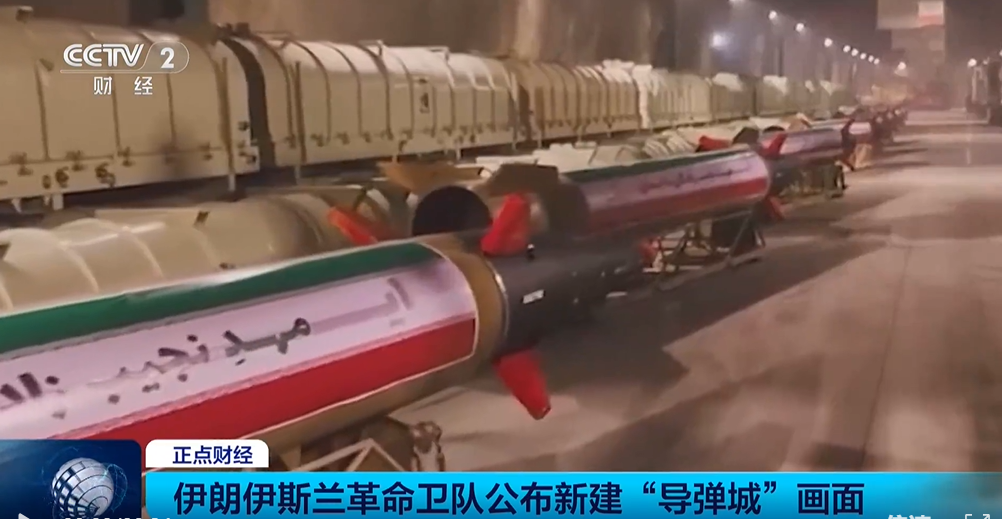
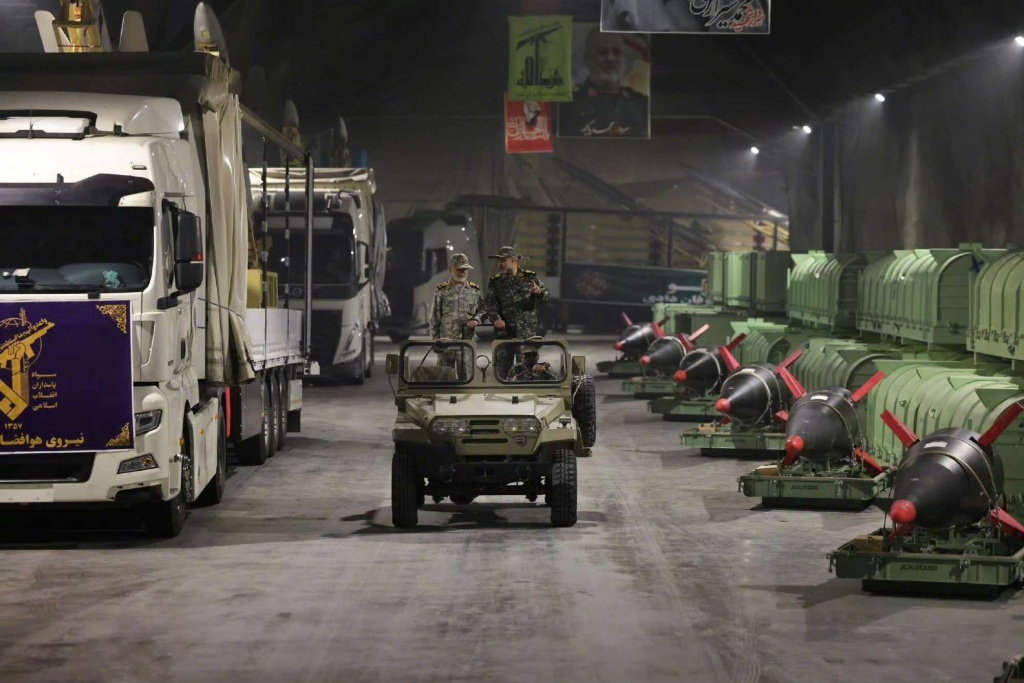
The revelation of Iran's newly constructed underground missile city marks a significant escalation in regional defense posturing, highlighting the durability of underground military infrastructure and the ongoing arms race in the Middle East. As geopolitical tensions simmer, this development serves as a stark reminder that conventional strikes often fail to dismantle deeply buried strategic assets.
Key Developments and Capabilities
- Strategic Reinforcement: The unveiled underground facility demonstrates Iran's commitment to hardening its missile arsenal against potential air strikes, ensuring that critical deterrent capabilities remain operational even under sustained bombardment.
- Extended Range: In a strategic shift, Iran has officially lifted the restrictions on its missile range, signaling a willingness to project power beyond its immediate borders and targeting "unpredictable locations" during asymmetric warfare.
- Production Resilience: Despite significant damage from previous conflicts, Western intelligence estimates suggest Iran maintains a robust production capacity, capable of manufacturing approximately 50 ballistic missiles per month.
- Arsenal Strength: Reports indicate that Iran retains a formidable stockpile of at least 1,700 ballistic missiles, providing a credible deterrence that complicates any potential adversary's decision-making process.
- Dual-Purpose Focus: Beyond offensive missile capabilities, the Islamic Revolutionary Guard Corps is concurrently upgrading its air defense systems, indicating a comprehensive strategy to protect its assets while retaining offensive punch.
Deep Dive: Strategic Implications and Future Outlook
The unveiling of this underground missile city is not merely a display of military hardware; it is a calculated geopolitical signal aimed at deterring both Israel and the United States. By relocating production and storage underground, Iran has effectively negated the kinetic advantages of precision-guided munitions, which historically struggle against deeply buried targets. The recent lifting of range restrictions further complicates the security calculus for regional powers, as it expands the potential strike envelope of Iranian forces.
Furthermore, the simultaneous pursuit of advanced Russian air defense systems, such as the S-400 and portable 'Verba' systems, suggests a holistic approach to modernizing its defense matrix. This dual-track strategy—offensive missile proliferation coupled with enhanced air defense—creates a robust deterrent posture that is difficult to breach. As regional dynamics continue to evolve, the durability of these underground facilities will likely remain a central factor in the strategic balance of power in West Asia.
Frequently Asked Questions
Q: How does the underground missile city protect Iran from air strikes?
A: Underground facilities are significantly harder to detect and destroy with conventional explosives. The reinforced tunnels and dispersed storage locations allow missile units to remain operational even if surface entrances are damaged or destroyed, ensuring a survivable second-strike capability.
Q: What is the significance of Iran lifting its missile range restrictions?
A: Removing range limits allows Iran to target a wider array of strategic and military assets across the Middle East and potentially beyond. This shift transforms Iran's deterrent strategy from regional defense to a more expansive asymmetric warfare capability.
Q: Has Iran successfully integrated Russian air defense systems?
A: Iran has a history of acquiring Russian defense technology, including the S-300 system in 2016. Current negotiations suggest a renewed effort to acquire advanced systems like the S-400 and portable missiles, aiming to bolster its ability to intercept incoming threats.
Source: https://www.thepaper.cn/newsDetail_forward_34452199
Related posts

AI Image Detection: How Reliable Are Current Verification Tools?
As AI-generated images proliferate, we examine the limitations of current detection technologies and why human verification remains essential.

Climate Crisis: Why Historical Data No Longer Guides Our Future
UN disaster chief warns that past patterns can't predict future risks as climate change accelerates, calling for revolutionary approaches to disaster prevention and adaptation.

Missing Chinese Mountaineer: 25-Year-Old Blue Sky Rescue Team Member Lost on Mount Fuji
A 25-year-old Chinese mountaineer and member of the Blue Sky Rescue Team has been missing on Mount Fuji for over 60 hours. Authorities have launched a search operation amid severe weather conditions.

Bus Crash in Seoul Kills 34: Traffic Safety Analysis
A bus plowed into multiple cars in Seongnam, injuring 34. We analyze the causes, safety protocols, and what this means for urban transport.

Ukraine's Priority: Ceasefire in Abu Dhabi Talks
Ukraine's top diplomat outlines the two-phase negotiation strategy in Abu Dhabi, emphasizing a ceasefire and post-war security guarantees.

Fossil Group's Turnaround: Q3 2026 Results Signal a Strong Comeback
Fossil Group returns to profitability and sales growth in Q3 2026. CEO Franco Fogliato details the strategic shift away from smartwatches and towards a disciplined, full-price sales model.

Financial Panic Grips All Economic Classes in America
Author Mona Chalabi reveals how Americans across all income levels experience financial anxiety in her new book 'Ten Lives'.

Rivian R2 SUV & Autonomy: 2027 Is The Inflection Year For EV Maker
Rivian CEO RJ Scaringe claims 2027 will be a turning point, driven by the R2 SUV and autonomous tech. Here is an analysis of the stock performance, factory expansion, and profitability outlook.
Latest Articles
- Dana White Rejects White House Press Secretary Role: A Clash of Worlds
- Angela Merkel Backs Ilse Aigner for German President: A Historic Milestone
- Skydance Unveils $6 Billion Cost Savings Plan After Paramount-Warner Merger
- Honda to Invest $3 Billion in Ohio: A Strategic Shift in U.S. Manufacturing
- Boeing Announces 5% Workforce Reduction in Commercial Airplane Division
- Goodyear CEO Mark Stewart Steps Down Amid Turnaround Challenges