Honda to Invest $3 Billion in Ohio: A Strategic Shift in U.S. Manufacturing
Honda announces a $3 billion investment for a new assembly plant in Ohio, creating 2,000 jobs and boosting U.S. production capacity to 1.3 million units annually.
Source: CNBC
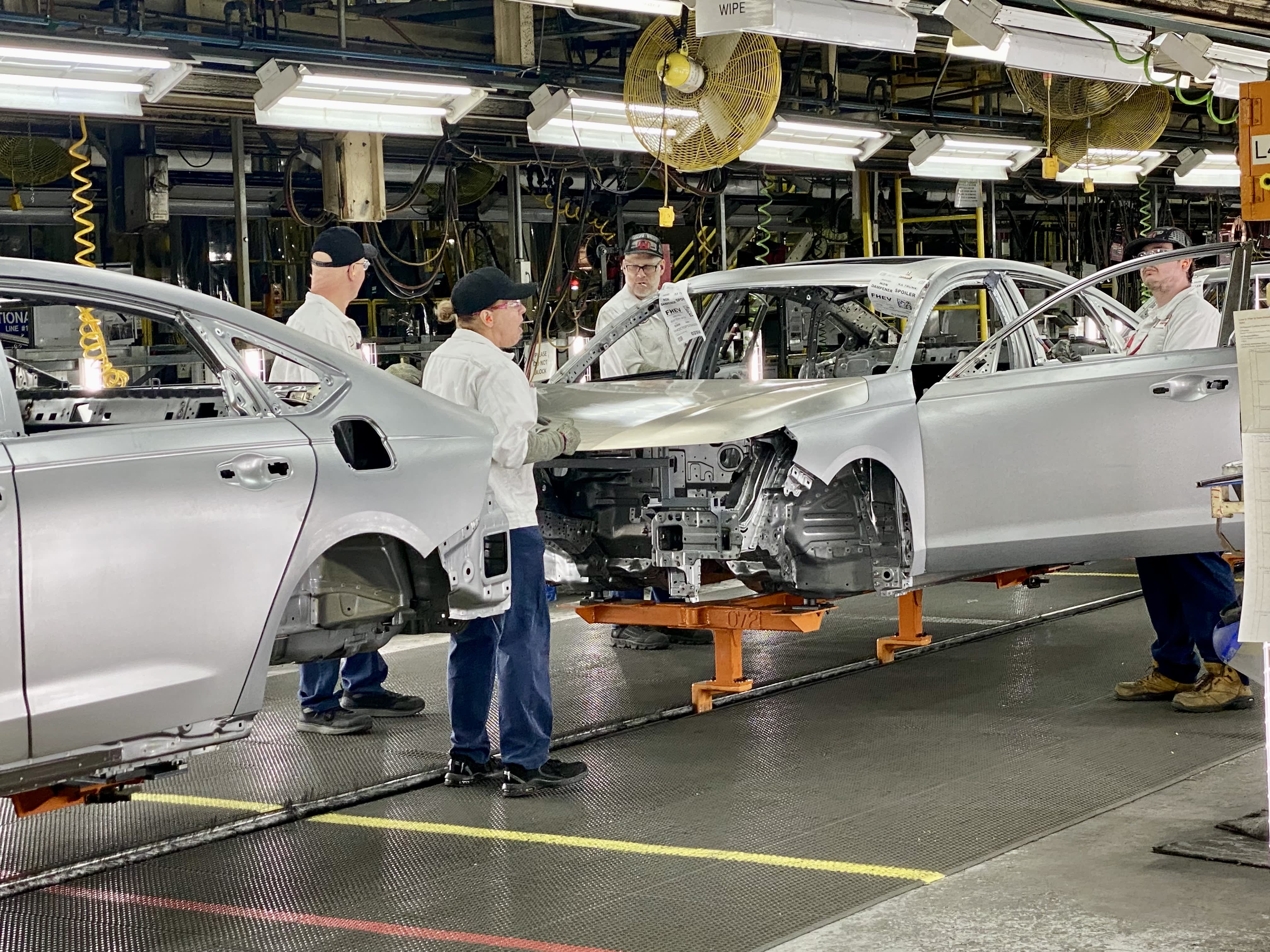
In a significant move to bolster its American footprint, Honda Motor has announced a substantial commitment to the U.S. manufacturing sector. The Japanese automaker plans to invest $3 billion to construct a new vehicle assembly plant in Marysville, Ohio. This facility, located near Honda’s existing operations, is scheduled to commence production in 2029 and will have an annual capacity of 240,000 vehicles. The project is expected to generate over 2,000 new jobs, marking a crucial step in the company’s long-term strategy to serve the American market more effectively.
Key Highlights of the Investment
- Massive Capital Injection: The $3 billion investment represents one of the largest capital expenditures in Honda’s recent history, signaling a renewed focus on physical manufacturing capabilities in North America.
- Diverse Production Capabilities: Unlike some competitors pivoting exclusively to electric vehicles (EVs), this new Ohio plant will be versatile. It is designed to produce internal combustion engine vehicles, all-electric models, and hybrid vehicles, catering to a broad spectrum of consumer preferences.
- Capacity Expansion: The new facility is expected to increase Honda's total light-duty vehicle production capacity in the U.S. to 1.3 million units annually. This boost comes as the company seeks to meet growing demand for its popular models.
- Historic Milestone: This marks Honda's first new mass-production U.S. vehicle assembly plant since 2008, when the company opened a facility in Indiana. The move underscores a strategic pivot after the company paused a major $11 billion investment plan for EV production in Canada earlier this year.
- Job Creation: Beyond the construction phase, the plant is projected to provide stable, long-term employment for over 2,000 workers, contributing to the local economy in Marysville and the broader region.
Deep Dive: Strategic Context and Future Outlook
The decision to build this plant cannot be viewed in isolation; it is a direct response to the evolving economic landscape of the automotive industry. The global push toward electrification has created uncertainty, leading companies like Honda to reassess their supply chains and production footprints. By investing in a flexible plant capable of producing internal combustion, hybrid, and electric vehicles, Honda is hedging its bets against rapidly changing consumer demands and regulatory environments.
Furthermore, the timing of the announcement is critical. Amidst rising logistics costs and the looming threat of trade tariffs, particularly from the Trump administration, automakers are under immense pressure to localize production. Executives have noted that tariffs are impacting business margins, even for companies with high localization rates. The new Ohio plant is a tangible effort to insulate Honda’s operations from these external shocks by bringing more value-added manufacturing directly to the source of demand.
This move also reinforces Honda's commitment to the U.S. labor market. With a history dating back to 1982, the company has produced over 33 million vehicles and 39 million engines on American soil. The new facility aligns with the broader industry trend of reshoring, where companies prioritize domestic production to ensure supply chain resilience and reduce dependency on international shipping routes.
Frequently Asked Questions
Why is Honda building a new plant in Ohio instead of expanding its Canadian operations?
Honda recently suspended a $11 billion investment plan for EV production in Canada and canceled three planned EVs for the U.S. market. This suggests a strategic shift away from aggressive EV-only expansion in Canada toward a more balanced approach that prioritizes U.S. manufacturing capacity and flexibility in the near term.
How does this investment affect Honda's electric vehicle strategy?
While the new plant is designed to handle all three types of powertrains, the inclusion of EV production lines indicates that Honda remains committed to the electric future. However, the flexibility to produce traditional and hybrid vehicles allows the company to adapt to market conditions without being locked into a single technology path.
What is the significance of the plant's location in Marysville?
Marysville is Honda's "hometown" in the U.S., housing its first plant and a significant portion of its workforce. Locating the new facility nearby minimizes disruption to existing operations and leverages the existing skilled labor pool and infrastructure that Honda has cultivated over decades.
Source: https://www.cnbc.com/2026/11/09/honda-to-invest-3-billion-in-new-vehicle-assembly-plant-in-ohio.html
Related posts
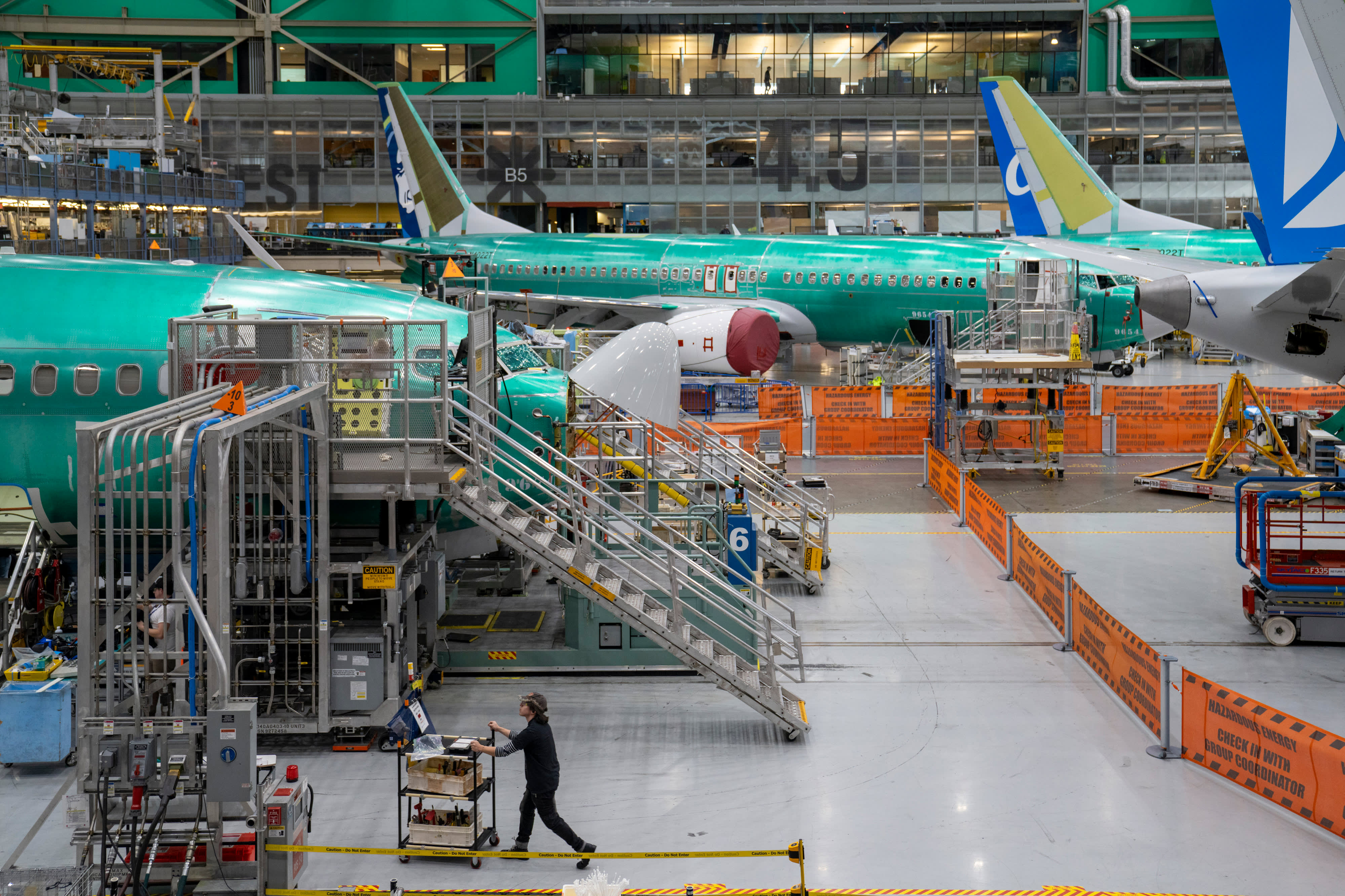
Boeing Announces 5% Workforce Reduction in Commercial Airplane Division
Boeing plans to cut 5% of its commercial airplane workforce as production ramp-up of 737 Max planes moves slower than expected, with notifications beginning in December.
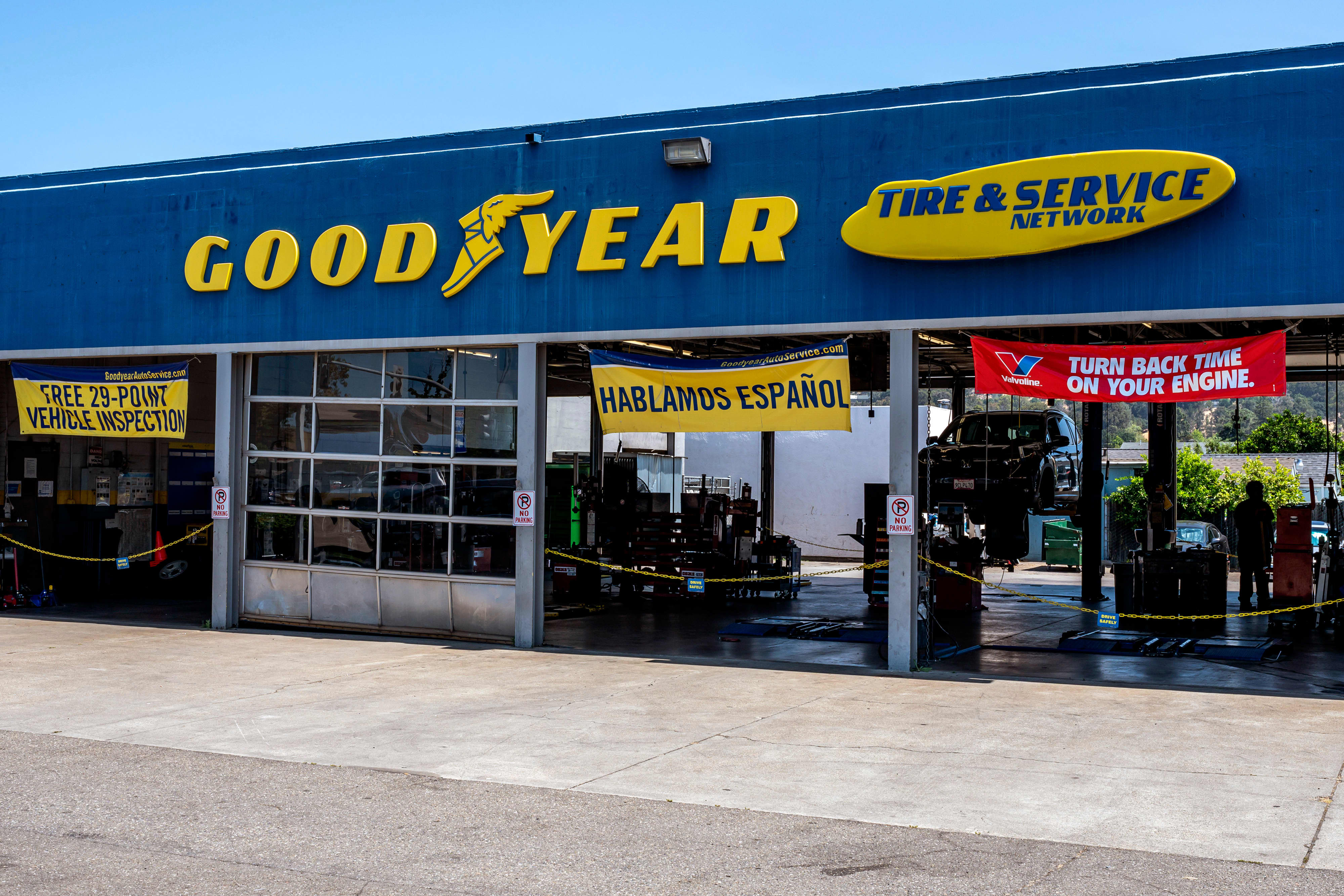
Goodyear CEO Mark Stewart Steps Down Amid Turnaround Challenges
Goodyear announces immediate leadership change as Roger Wood takes interim role during company's transformation period.

Shinzo Abe's Successor Faces Internal Party Penalty for Tax Reform Stance
Former PM Ishiba penalized by LDP for abstaining on consumption tax cut vote amid fiscal concerns. Read the analysis.

NVIDIA's Supply Chain Woes: $11.4 Million Theft Raises Concerns
NVIDIA faces growing supply chain challenges as $11.4 million in high-value computing equipment disappears during transit, highlighting risks in semiconductor logistics.

Global Diplomatic Shifts: Rubio's Paris Visit, Abu Dhabi Summit, and ASEAN Summit 2026
US Secretary of State Marco Rubio visits Paris for the G7, while Russia, the US, and Ukraine meet in Abu Dhabi. Plus, the 49th ASEAN Summit in Manila and COP31 in Turkey.

Climate Crisis as Economic and Security Issue: New Zealand Ex-Premier Helen Clark on COP31
Helen Clark urges global leaders to prioritize climate action as a core economic and security issue, not just an environmental concern, ahead of COP31 in Turkey.
Australian Youth Receive Letter from Chinese President: Building Friendship Across Borders
Chinese President Xi Jinping responds to 110 Australian university students, encouraging them to become torchbearers of China-Australia friendship and cooperation.

Thanksgiving Travel 2026: Why Frequent Flyer Miles Are Costing 32% More
Airlines have shifted to dynamic pricing, causing Thanksgiving flight miles to surge by 32%. Here is how to find the most expensive and cheapest award routes this holiday.
Latest Articles
- Poppi Founders Launch Jetty to Challenge Gatorade in Hydration Market
- China Urges Canada to Halt Support for Anti-China Activist and Stop Interfering in Internal Affairs
- Immersive Cinema Revolution: Cosm Dome Screens Redefine Premium Moviegoing
- Small Retailers Face Shipping Cost Crisis This Holiday Season
- Why Gold Prices Are Surprisingly Low
- Budget Crisis: How Libraries Become Essential Financial Lifelines