Shinzo Abe's Successor Faces Internal Party Penalty for Tax Reform Stance
Former PM Ishiba penalized by LDP for abstaining on consumption tax cut vote amid fiscal concerns. Read the analysis.
Source: thepaper.cn
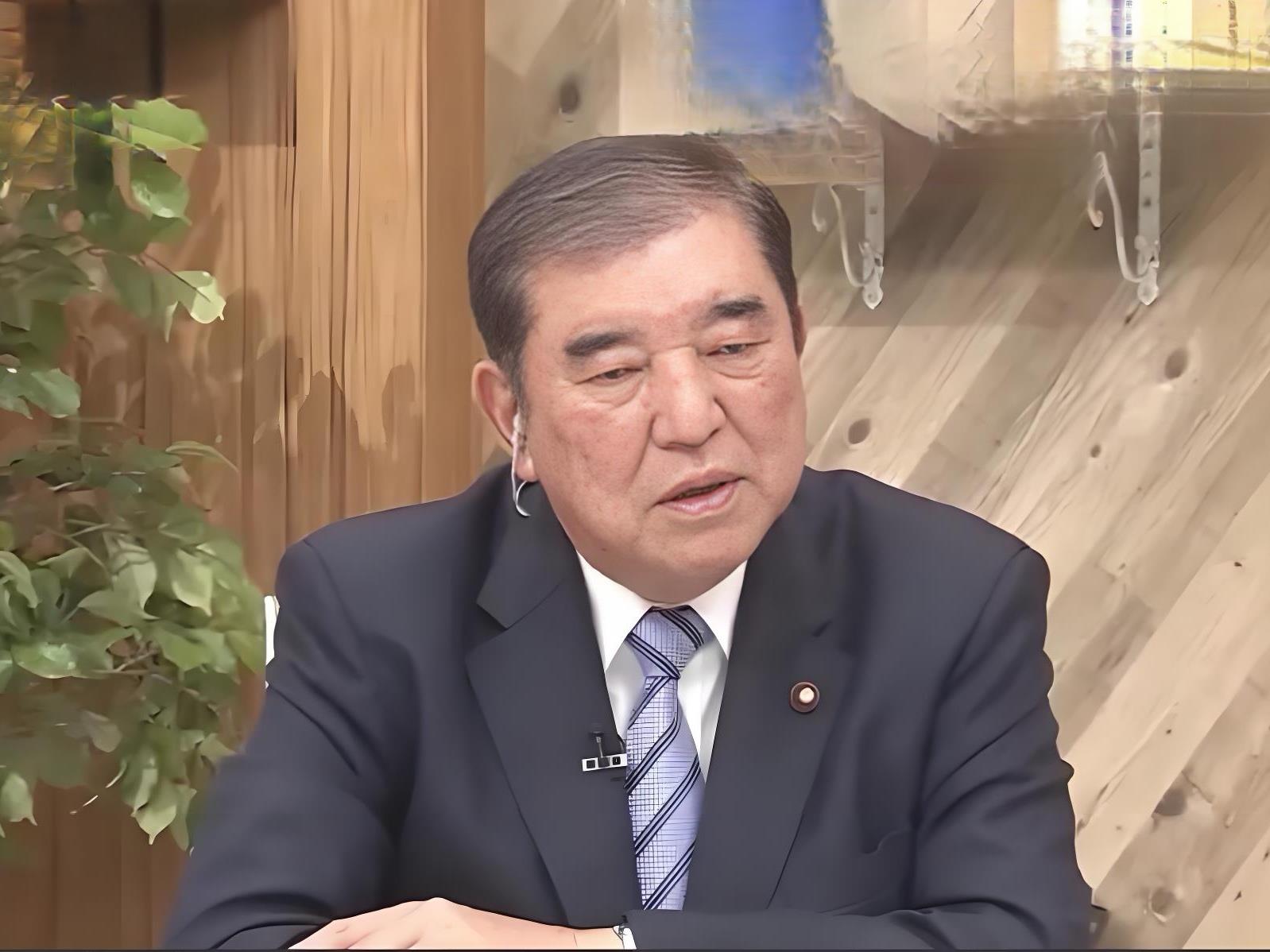
The recent disciplinary action taken against former Japanese Prime Minister Shigeru Ishiba by his own Liberal Democratic Party (LDP) highlights a growing internal conflict over fiscal policy. This decision, issued on November 9, 2026, serves as a stark reminder that political stability is often fragile, even within established ruling parties. The penalty, described as a "reprimand," was triggered not by a scandal, but by a strategic voting choice regarding the government's consumption tax reduction bill.
Key Points
- Disciplinary Action for Abstention: The LDP Executive Council formally decided to penalize Ishiba and three other former prime ministers for their absence during the critical vote on the consumption tax cut bill in the House of Representatives on November 6.
- Fiscal Responsibility Concerns: The core reason for the penalty was the lack of a clear funding source for the proposed tax cuts. The party cited that the legislation failed to adequately address how the government would finance the reduction, a point raised by Ishiba in his explanation.
- Internal Party Friction: The vote revealed a significant rift within the LDP. While the bill passed the lower house, it faced staunch opposition from both opposition parties and a faction of LDP lawmakers who prioritize fiscal discipline over short-term economic stimulus.
- Ishiba's Stance: Ishiba publicly stated he could not "agree with that kind of thing," emphasizing that the bill lacked the necessary financial backing. He argued that implementing tax cuts without a defined budget source would be irresponsible.
- LDP's Response: The party leadership, aiming to maintain a unified front on the government's economic agenda, demanded a written explanation from Ishiba and his allies. The subsequent reprimand signals a tough stance on dissenting voices within the party hierarchy.
In-Depth Analysis
This incident underscores the delicate balancing act Japanese politicians must perform between electoral promises and long-term economic sustainability. The consumption tax is a vital revenue stream for Japan's social security system, and any reduction carries significant risks if not paired with rigorous fiscal planning. Ishiba's refusal to support the bill, despite being a former leader, suggests a deep-seated concern among some senior party members about the government's economic management. The LDP's decision to penalize him, rather than accommodate his concerns, indicates a priority on maintaining legislative momentum and project unity, even at the cost of alienating influential figures. This move could set a precedent for how the party handles internal dissent in future policy votes, potentially leading to tighter control over party discipline.
Frequently Asked Questions
Q: Why was Ishiba penalized by his own party? A: He was penalized for abstaining from the vote on the consumption tax cut bill. The LDP viewed his absence as a lack of support for the government's fiscal policy, especially since the bill lacked a clear funding source.
Q: What was the main argument against the tax cut bill? A: The primary argument was that the bill did not specify how the government would finance the tax reduction, raising concerns about the sustainability of public finances.
Q: How does this affect the LDP's internal dynamics? A: It highlights a growing tension between fiscal conservatives and those who support aggressive economic stimulus, potentially leading to more stringent party discipline in the future.
Source: https://www.thepaper.cn/newsDetail_forward_34439200
Related posts

NVIDIA's Supply Chain Woes: $11.4 Million Theft Raises Concerns
NVIDIA faces growing supply chain challenges as $11.4 million in high-value computing equipment disappears during transit, highlighting risks in semiconductor logistics.

Global Diplomatic Shifts: Rubio's Paris Visit, Abu Dhabi Summit, and ASEAN Summit 2026
US Secretary of State Marco Rubio visits Paris for the G7, while Russia, the US, and Ukraine meet in Abu Dhabi. Plus, the 49th ASEAN Summit in Manila and COP31 in Turkey.

Climate Crisis as Economic and Security Issue: New Zealand Ex-Premier Helen Clark on COP31
Helen Clark urges global leaders to prioritize climate action as a core economic and security issue, not just an environmental concern, ahead of COP31 in Turkey.
Australian Youth Receive Letter from Chinese President: Building Friendship Across Borders
Chinese President Xi Jinping responds to 110 Australian university students, encouraging them to become torchbearers of China-Australia friendship and cooperation.

Thanksgiving Travel 2026: Why Frequent Flyer Miles Are Costing 32% More
Airlines have shifted to dynamic pricing, causing Thanksgiving flight miles to surge by 32%. Here is how to find the most expensive and cheapest award routes this holiday.

Poppi Founders Launch Jetty to Challenge Gatorade in Hydration Market
Allison and Stephen Ellsworth, behind Poppi's success, introduce Jetty to target everyday hydration with a focus on Gen Z and millennial moms.

China Urges Canada to Halt Support for Anti-China Activist and Stop Interfering in Internal Affairs
The Chinese Embassy in Canada demands an end to the protection of anti-China activist Joshua Wong and the cessation of interference in China's internal affairs, following a joint statement by Canadian and other foreign diplomatic departments on Wong's sentencing.

Immersive Cinema Revolution: Cosm Dome Screens Redefine Premium Moviegoing
Explore Cosm's massive domed theaters, premium ticket pricing, and how they're transforming Hollywood classics and live sports into unforgettable experiences.
Latest Articles
- Small Retailers Face Shipping Cost Crisis This Holiday Season
- Why Gold Prices Are Surprisingly Low
- Budget Crisis: How Libraries Become Essential Financial Lifelines
- Global AI Governance: UN Official Calls for International Cooperation
- Trump's 'Triumphal Arch' Project Halted as White House Rebrands as 'Military Triumphal Arch'
- China Appoints New Ambassadors: Diplomatic Shifts in Europe, Pacific, and Nordic Regions