Global AI Governance: UN Official Calls for International Cooperation
UNDP Administrator emphasizes that AI must be governed globally to ensure shared benefits and equitable development.
Source: thepaper.cn
Artificial intelligence (AI) is rapidly evolving from a futuristic concept into a central pillar of the global economy and social infrastructure. As this technology accelerates, a critical debate has emerged regarding how to maximize its benefits while mitigating inherent risks. The conversation has shifted from theoretical possibilities to practical governance, with international leaders emphasizing that AI cannot be developed or managed in a vacuum.
Key Points on AI Governance
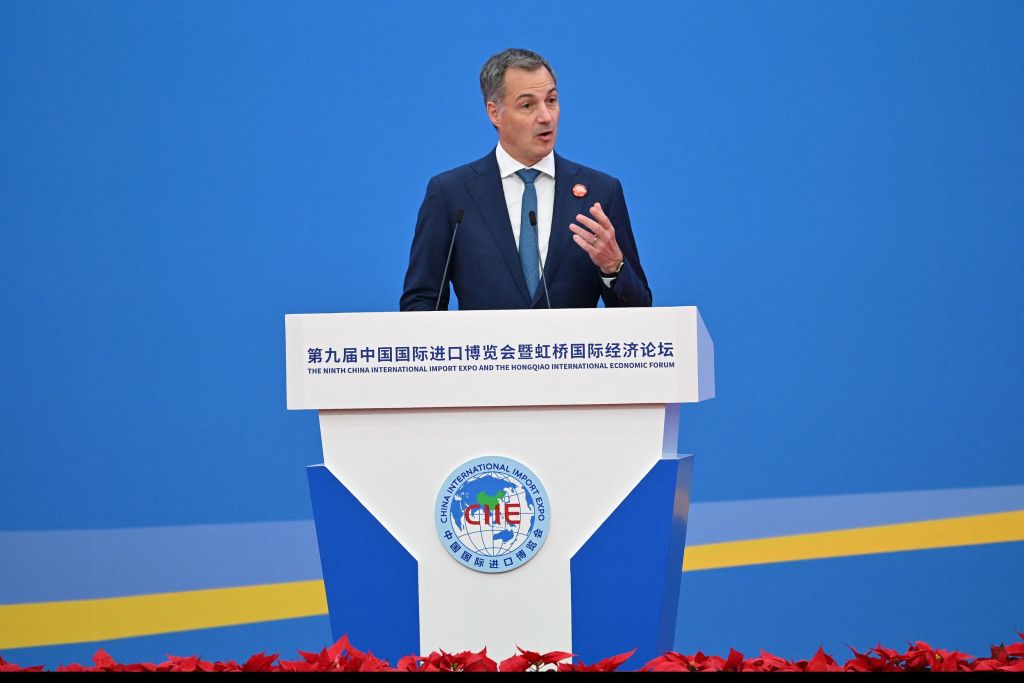
- AI as a Powerful Tool: UNDP Administrator Achim Steiner describes AI as one of humanity's most potent technological tools, capable of accelerating development and granting broader access to the benefits of technological progress.
- Risk vs. Reward: While acknowledging that AI presents both significant opportunities and risks, Steiner argues against halting technological progress due to fear of these risks.
- The Digital Divide: He highlights a critical concern: without robust international cooperation and capacity building, developing nations risk being left behind, unable to share in the economic and social gains of the AI era.
- Policy Support is Essential: Technology does not self-regulate. Steiner asserts that AI development requires strong policy support, ethical frameworks, and international dialogue to ensure it serves the public good.
- Shared Responsibility: He stresses that AI developers and manufacturers must bear a responsibility to ensure their technologies are safe, secure, and aligned with human values.
- Human-Centric Approach: The guiding principle must be human-centricity. Steiner notes that technological inventions should be led by humans and should ultimately serve human well-being.
- Future of Global Dialogue: The upcoming APEC Summit is seen as a crucial platform for nations to establish new solutions and communication channels regarding AI governance.
Deep Dive Analysis
The stance articulated by the UNDP Administrator highlights a pivotal moment in the geopolitics of technology. Historically, the digital divide was characterized by a lack of physical infrastructure—such as fiber optic cables and data centers. Today, the divide is increasingly defined by 'algorithmic sovereignty' and the ability to govern emerging technologies.
Steiner’s argument that 'technology needs policy support' is particularly resonant in the current climate of fragmented regulatory environments. Different nations are racing to establish their own standards, which can lead to a 'race to the bottom' regarding safety and ethical considerations if left unchecked. By advocating for a unified approach, the UNDP is pushing for a global safety net that protects citizens regardless of their geographic location.
Furthermore, the emphasis on capacity building for developing nations is a strategic necessity. If AI is primarily developed and optimized by a small number of global tech hubs, the resulting economic models may not be adaptable to the specific needs of developing economies. True global integration requires that the tools of the future are not just accessible, but also understandable and controllable by local institutions.
This vision aligns with the broader trend of 'responsible AI,' a concept gaining traction in international forums. It suggests that the future of AI governance will not be defined by strict bans, but by a complex ecosystem of international treaties, ethical guidelines, and cooperative research initiatives designed to align technological capabilities with human values.
Frequently Asked Questions
Q: Why is international cooperation critical for AI governance?
A: AI does not respect national borders. A cyberattack, a deepfake crisis, or a bias in a global algorithm can affect every country. Without cooperation, nations cannot effectively mitigate cross-border risks or ensure that AI development adheres to universal human rights standards.
Q: How does the UNDP plan to help developing nations with AI?
A: The UNDP focuses on 'capacity building.' This involves transferring technical knowledge, establishing regulatory frameworks, and providing the digital infrastructure necessary for developing countries to adopt AI safely and effectively.
Q: What role do AI developers play in this governance model?
A: Developers are viewed as key stakeholders. The UNDP advocates for a model where companies are legally and ethically responsible for the safety and security of their AI systems, ensuring they do not cause harm to users or society at large.
Source: https://www.thepaper.cn/newsDetail_forward_34427705
Related posts

Immersive Cinema Revolution: Cosm Dome Screens Redefine Premium Moviegoing
Explore Cosm's massive domed theaters, premium ticket pricing, and how they're transforming Hollywood classics and live sports into unforgettable experiences.

Trump's 'Triumphal Arch' Project Halted as White House Rebrands as 'Military Triumphal Arch'
Federal judge blocks Trump's controversial monument project, while White House attempts rebranding amid growing opposition from political and legal sectors.

China Appoints New Ambassadors: Diplomatic Shifts in Europe, Pacific, and Nordic Regions
President Xi Jinping's recent diplomatic reshuffle involves key ambassadorial changes across Europe, the Pacific, and Nordic nations. Explore the strategic implications of these appointments and the evolving landscape of Chinese foreign policy.

IP SHANGHAI Unveils Digital Mascot 'Nolia' to Enhance City's Creative Identity
Shanghai's creative platform introduces 'Nolia,' a digital elf inspired by the city's iconic magnolia flower, marking its fifth anniversary with innovative digital integration.

Moderna's Q3 2026 Surge: 15-25% Revenue Growth Outlook Driven by New Vaccines
Moderna beats Q3 estimates with 29% revenue jump to $1.31B, raising 2026 outlook to 15-25% growth amid strong new mRNA Covid vaccine uptake and flu shot momentum.

Tesla to Discontinue Cybertruck Production in Texas for Robotaxi Focus
Tesla plans to wind down Cybertruck production at its Texas gigafactory next year to make way for the Cybercab robotaxi, according to Elon Musk.
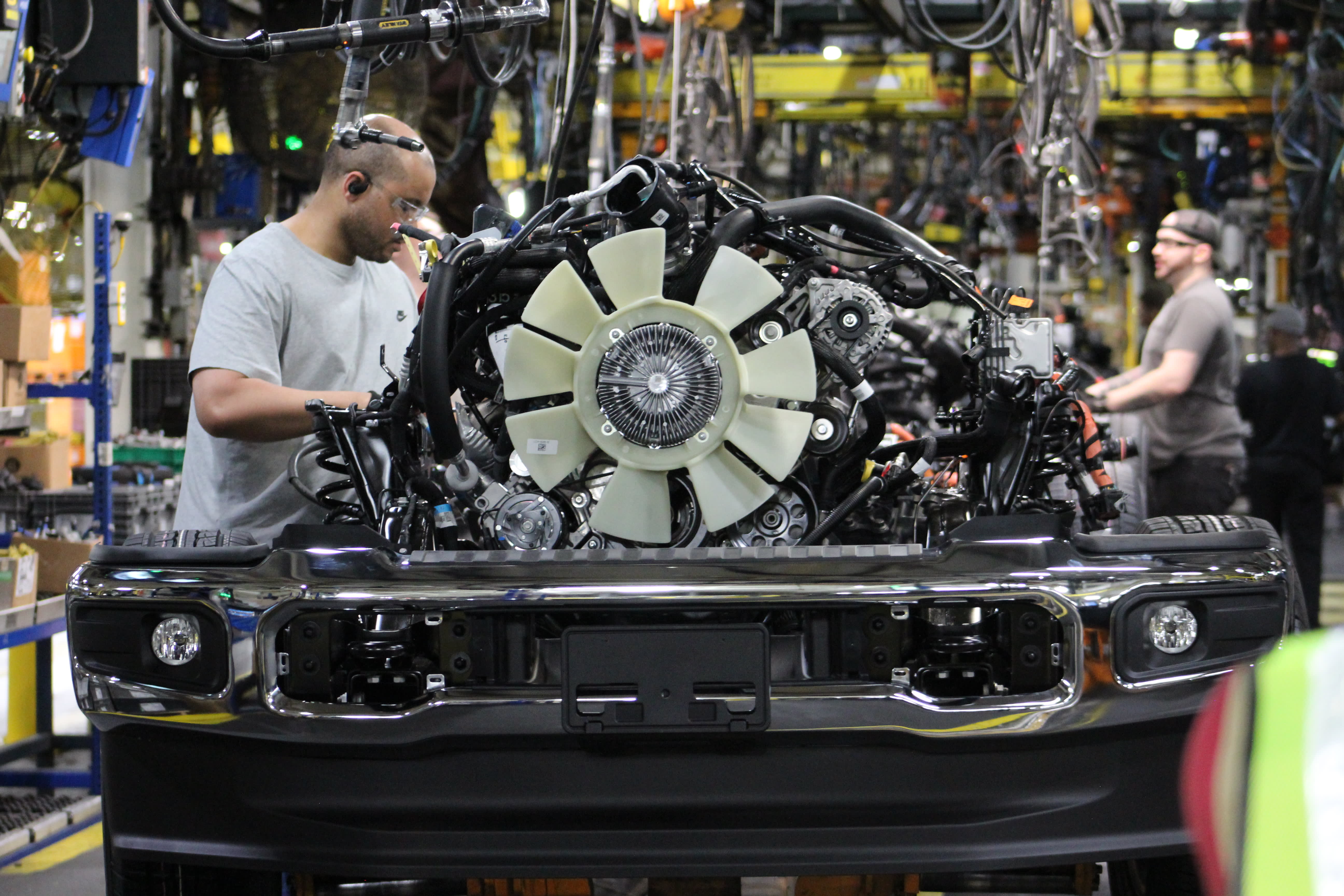
Automakers Face Challenging 2027 Amid Rising Costs and Market Pressures
Legacy automakers brace for tougher times in 2027 as inflation, Chinese competition, and flat production outlook threaten profits and growth.

US Job Market Shows Strong Growth with 165,000 New Positions in October
The US economy added 165,000 jobs in October as unemployment fell to 4.1%, with wage growth slightly outpacing inflation in key sectors.
Latest Articles
- Trump Announces End of US Aid to Israel: Shockwaves in the Middle East
- Grenada Election: Mitchell Wins Second Term, China Pledges Enhanced Cooperation
- Trump Stands By Iran War Decision Despite Election Loss
- Wendy's Rejects $1.4 Billion Trian Takeover Proposal
- Expedia CEO: AI Agents Won't Replace Human Booking Trust Yet
- Marc Lore's Wonder Files for IPO: A New Era for Food Delivery