Wendy's Rejects $1.4 Billion Trian Takeover Proposal
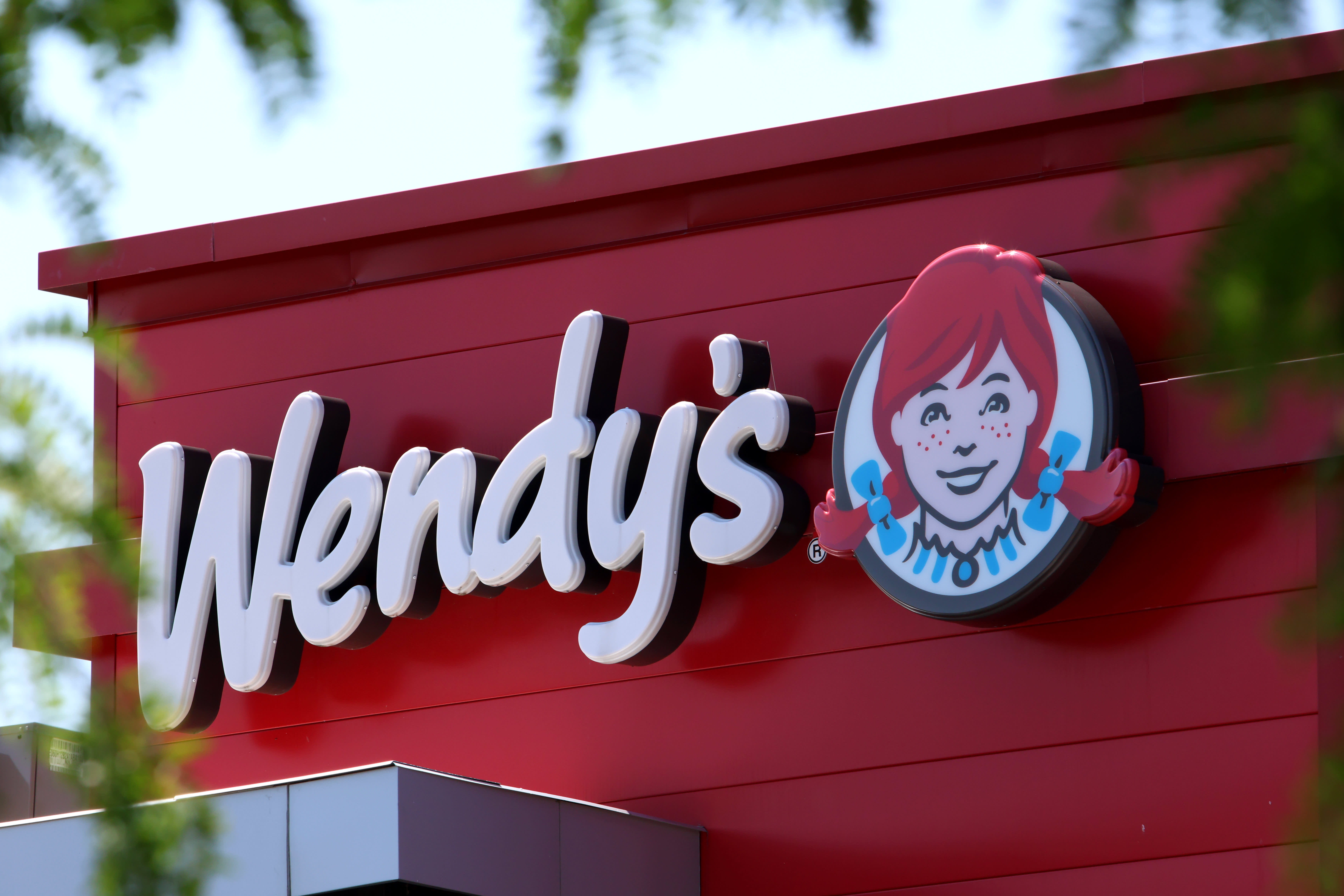
Wendy's has formally rejected a $1.4 billion buyout proposal led by Nelson Peltz, deeming the offer to undervalue the fast-food chain's turnaround strategy.
Source: CNBC
In a decisive move to maintain its strategic independence, Wendy's has officially rejected a $1.4 billion takeover proposal from an investor group led by Nelson Peltz’s Trian Fund Management. The offer, which valued the struggling burger chain at $7.35 per share, was made public on October 28, but was swiftly dismissed by the company’s board of directors. This rejection marks a significant escalation in the ongoing battle between Wendy’s management and activist investors, highlighting the tension between short-term financial gain and long-term operational vision.
Key Takeaways
- Board Rejects Valuation: The Wendy's board determined that the $7.35 per share cash offer substantially undervalues the company's potential and current market position.
- Strategic Confidence: Management expressed unwavering confidence in CEO Bob Wright’s ability to execute the chain's ongoing turnaround strategy, arguing that the offer ignores future growth.
- Poison Pill Defense: To prevent a hostile takeover, Wendy's adopted a shareholder rights plan (poison pill) with a one-year duration, making it significantly more difficult for an outside group to accumulate a controlling stake.
- Historical Context: This isn't the first time Trian has targeted Wendy's; Peltz previously led a successful activist campaign and owned the company during its spin-off from Triarc in 2008.
- Market Reaction: Despite the rejection, Wendy's stock saw a slight lift from the takeover rumors, though it remains down significantly over the past three years compared to its peak value.
Deep Dive Analysis
The rejection of Trian’s bid is a calculated strategic maneuver by Wendy’s management. By framing the $1.4 billion offer as a failure to recognize the value of its ongoing turnaround, the company is attempting to justify a higher stock price to current shareholders. The board’s statement emphasizes that the proposal fails to account for the potential gains from the restaurant business turnarounds already underway under CEO Bob Wright. This suggests that Wendy's believes its current trajectory justifies a valuation well above $7.35 per share.
Furthermore, the company’s aggressive use of a "poison pill" defense signals a hardline stance against activist investors seeking to force a change in corporate governance. This move is particularly interesting given the history between Wendy's and Peltz. Since 2008, when Peltz’s Triarc sold Wendy's to franchisees to become a standalone entity, the two parties have had a complex relationship. Peltz’s son, Bradley, and executive Peter May remain on Wendy's board, indicating that while the fight is public, there is still a channel for dialogue. However, the rejection of a standstill agreement by the investor group suggests that the relationship has soured, pushing Wendy's to fully militarize its defenses.
From a market perspective, the standoff is a classic example of the agency problem in corporate governance. The activist investor, represented by Trian, is pushing for a higher valuation and likely structural changes to unlock immediate shareholder value. In contrast, the incumbent management team is betting on the long game—improving operational metrics and brand equity to drive value over time. The fact that Wendy's reported earnings that topped Wall Street expectations, despite a decline in same-store sales, gives management a strong argument that they are on the right track. The poison pill is not just a financial barrier; it is a signal to the market that Wendy's will not be bullied into a sale that it deems unfavorable.
Frequently Asked Questions
Why did Wendy's reject the takeover offer?
Wendy's rejected the offer because the board determined that $7.35 per share substantially undervalued the company. They believe the offer ignores the potential gains from the chain's ongoing turnaround strategy under CEO Bob Wright.
What is a 'poison pill' defense?
A poison pill is a shareholder rights plan that allows existing shareholders to buy additional stock at a discount if a single entity acquires a certain percentage of shares. This dilutes the value of the acquirer's stake and makes a hostile takeover prohibitively expensive.
Who is leading the investor group?
The investor group is led by Nelson Peltz, the founder of Trian Fund Management. The group also includes investment firms BlueFive Capital and Sixth Street Partners, as well as the Flynn Group, one of Wendy's largest franchisees.
Source: https://www.cnbc.com/2026/11/05/wendys-rejects-takeover-proposal.html
Related posts
Expedia CEO: AI Agents Won't Replace Human Booking Trust Yet
Expedia CEO Ariane Gorin explains why AI travel agents haven't changed booking habits despite industry hype. Discover the future of travel tech and Expedia's strategy.
Marc Lore's Wonder Files for IPO: A New Era for Food Delivery
Wonder confidentially files for IPO, aiming to raise funds for expansion after securing $3B+ in funding.
Holiday Shopping Trends: Physical Gifts Trump Travel Despite Consumer Wishes
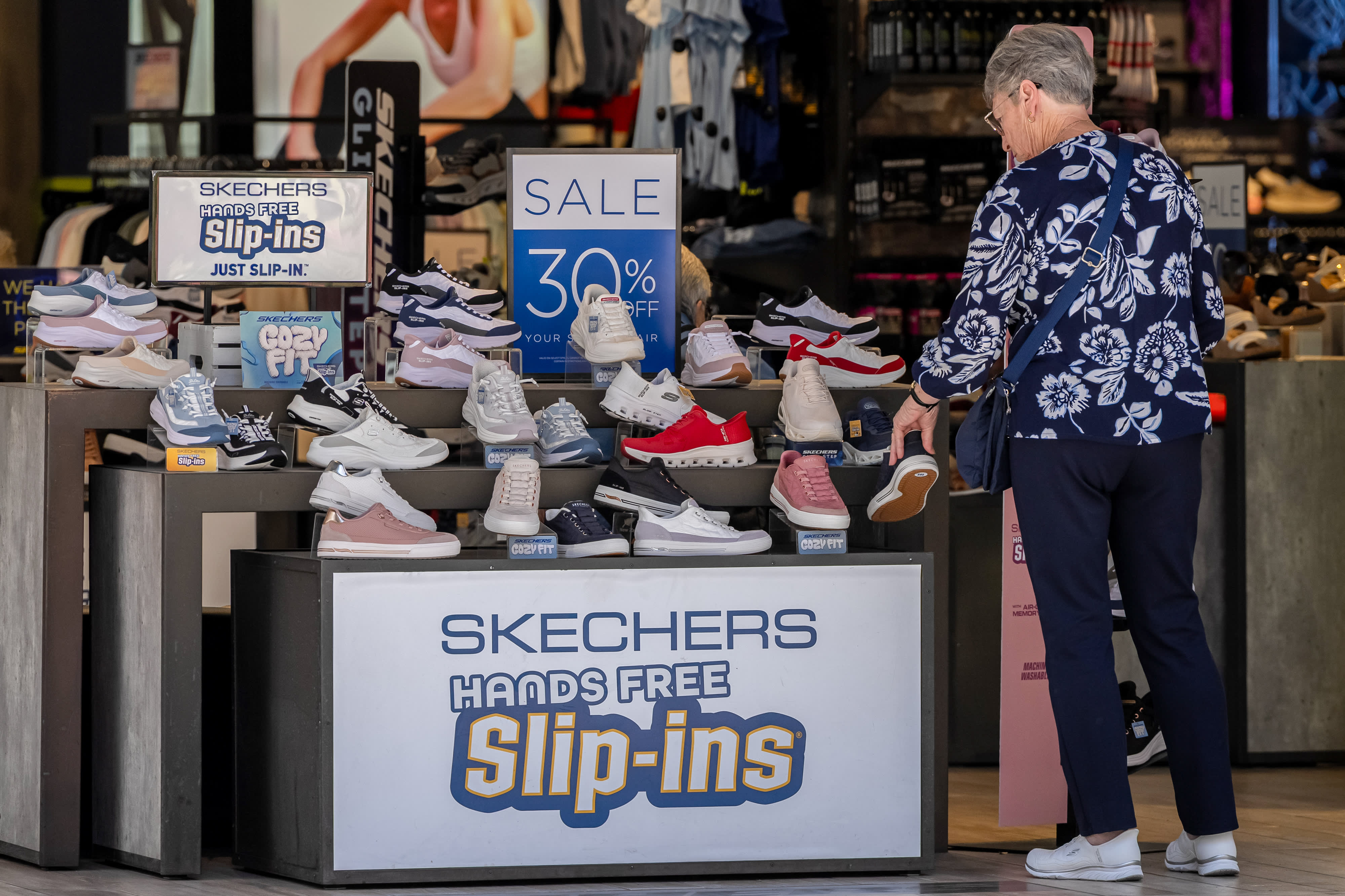
Visa survey reveals consumers desire travel experiences but prioritize physical gifts due to economic pressures and rising costs.
Ireland's Ambassador: CIIE Bridges Human Connections in a Divided World
How Ireland's top diplomat views the China International Import Expo as a vital platform for dialogue and trade amid global tensions.
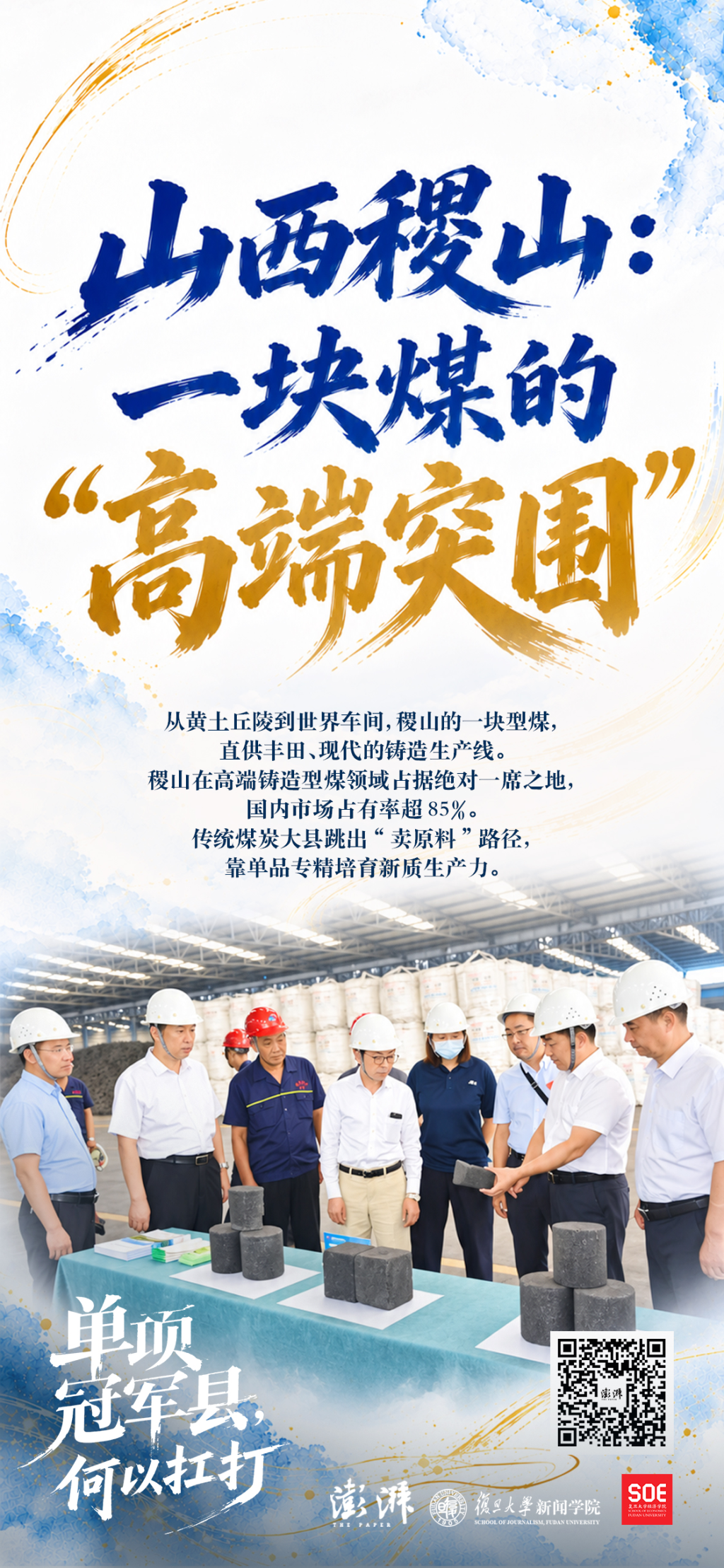
Jishan County: How a Coal Town Achieved High-End Breakthrough
Discover how Jishan County transformed from a traditional coal-based economy into a specialized manufacturing hub through innovation and quality focus.
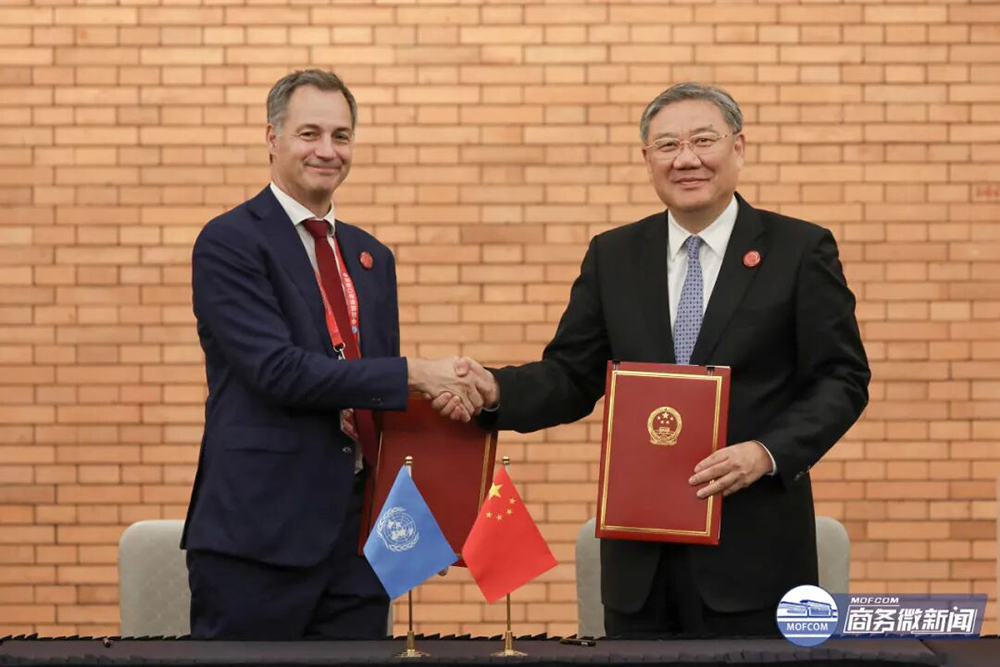
China Signs Landmark Agreement to Establish UNDP Global Sustainable Development Center in Shanghai
China and UNDP sign agreements to set up a new global hub in Shanghai, marking a historic shift in international development cooperation.

E.l.f. Beauty Reports 51% Sales Surge, Boosts Full-Year Outlook
E.l.f. Beauty exceeds expectations with 51% sales increase in Q2, raises full-year guidance as TikTok momentum drives growth.
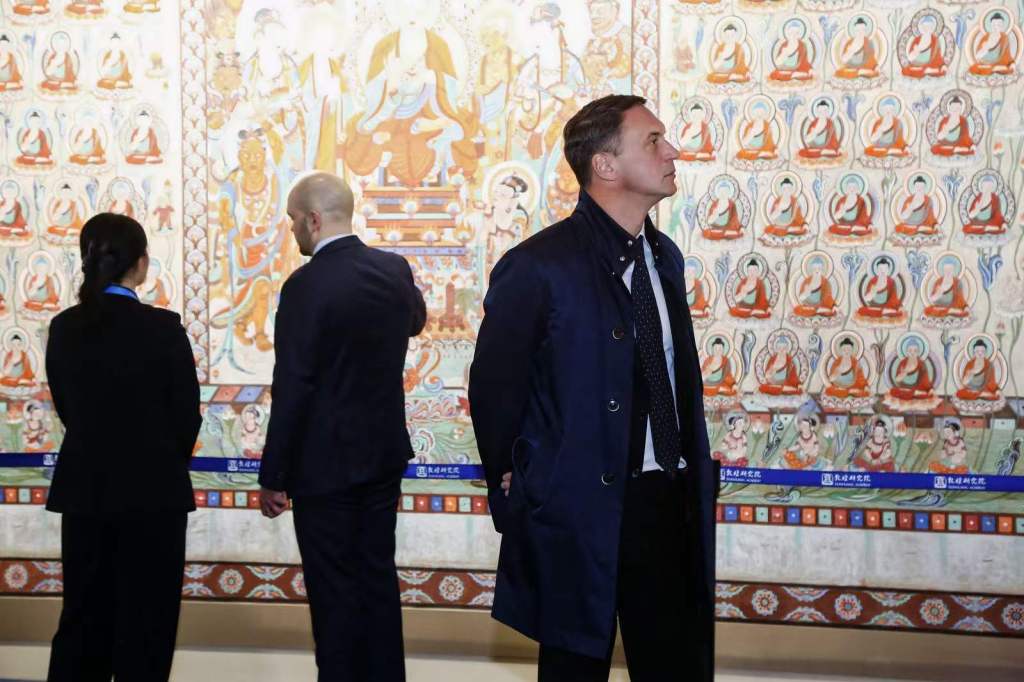
Mogao Grottoes 45: Digital Access at Dunhuang Cultural Expo
Missed Mogao Grottoes Cave 45? Experience the immersive VR tour at the 9th Dunhuang International Cultural Expo, featuring 3D recreations of ancient masterpieces.
Latest Articles
- Binance $6.3 Billion Cyber Heist: Job Interview Ruse Exposed
- Trump Blames Fox News for Midterm Losses as Ratings Plummet
- CVS Health to Split into Two Companies in Major Healthcare Restructuring
- Netanyahu Era: End or Continuation in Israeli Politics?
- Midterm Elections: Blue Wave Hits as Trump Allies Blame Iran War
- US Business Leaders Urged to Join China's Competitive Market for Mutual Growth