CVS Health to Split into Two Companies in Major Healthcare Restructuring
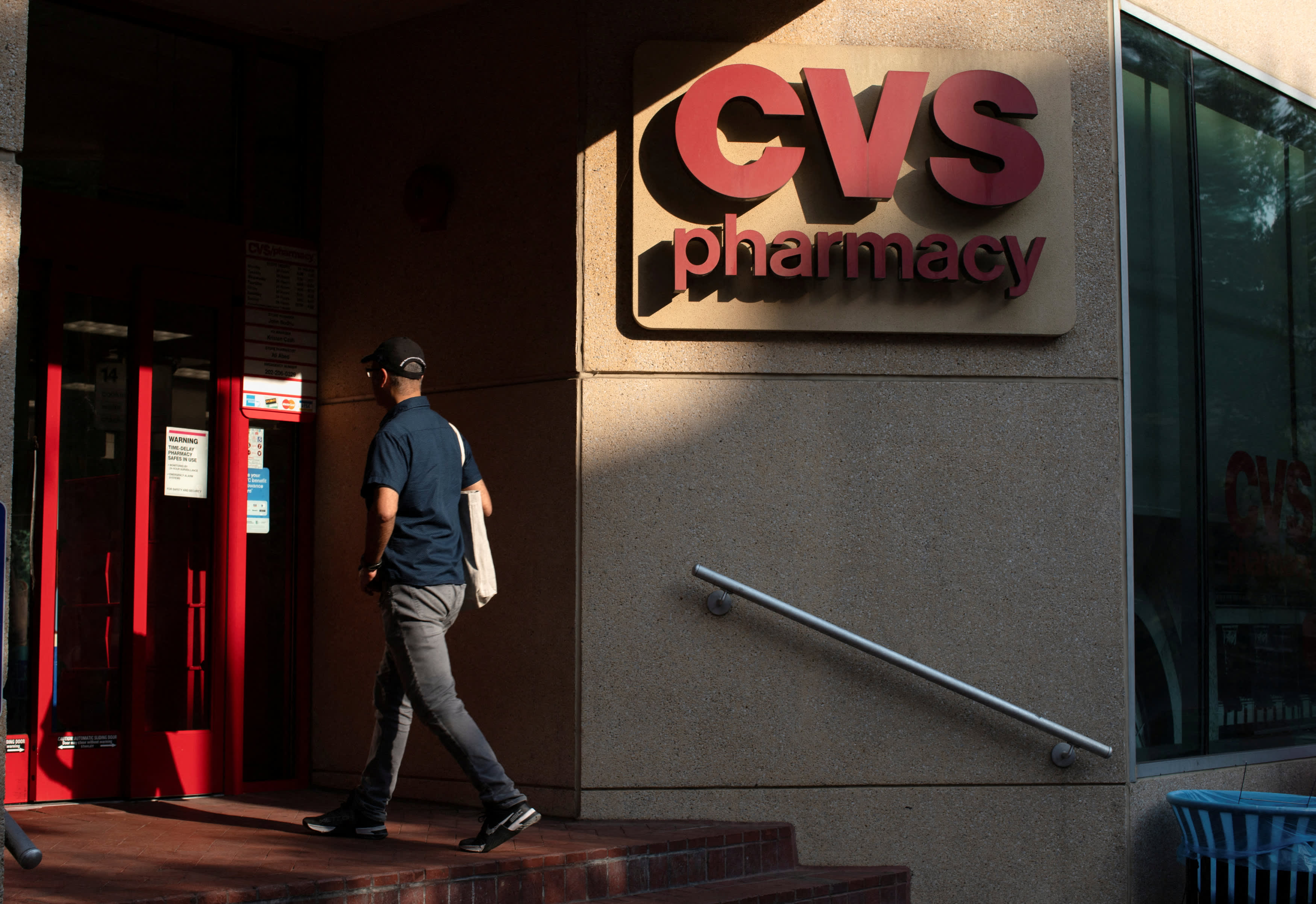
CVS Health announces plans to separate its retail pharmacy business from insurance operations by mid-2028, reversing its 2018 Aetna acquisition in one of healthcare's largest corporate splits.
Source: CNBC
In a dramatic move that reshapes the American healthcare landscape, CVS Health has announced plans to split into two independent public companies by the first half of 2028. This strategic reversal would dismantle the vertically integrated healthcare giant created through its $78 billion acquisition of Aetna in 2018, marking one of the most significant corporate breakups in healthcare history. The decision comes as CVS pursues an aggressive turnaround plan under CEO David Joyner, who has successfully revitalized the company's market position since taking the helm in October 2024.
Key Points
- Major Corporate Split: CVS Health will separate its approximately 9,000 retail pharmacies from its insurance business and pharmacy benefit manager (PBM), Caremark, creating two independently traded companies. This effectively reverses the massive 2018 acquisition of Aetna that created the integrated healthcare behemoth.
- Leadership Structure: The insurance and PBM company will retain the CVS Health name and continue to be led by CEO David Joyner, while the retail pharmacy business will be named CVS Pharmacy and led by current group president Prem Shah. Existing shareholders will receive shares in both new entities.
- Financial Performance: The split follows strong financial results, with CVS shares jumping approximately 70% since Joyner's appointment. The company reported third-quarter earnings and revenue that exceeded Wall Street expectations, with total sales reaching $108.40 billion, up from $102.87 billion in the prior year.
- Strategic Rationale: CVS cites the need for "focused strategic agendas" and enhanced ability to "innovate, adopt technology, and increase efficiency" as key reasons for the separation. The company will combine its insurer and PBM with primary care business Oak Street Health, home-visit provider Signify Health, and specialty drug operations.
- Market Context: The move comes amid increasing regulatory scrutiny of PBMs, which have faced bipartisan criticism in Washington D.C. and across states for opaque pricing practices, market power, and potential conflicts of interest. Congress enacted PBM reforms in February, including changes to Medicare Part D compensation.
In-depth Analysis
This unprecedented breakup represents a fundamental shift in CVS's strategic direction and reflects broader trends in the healthcare industry toward specialization rather than vertical integration. The decision to reverse the Aetna acquisition just eight years after its completion suggests that the synergies anticipated from combining retail pharmacy with insurance operations have not materialized as expected.
The timing of this announcement is particularly noteworthy, coming as CVS's aggressive turnaround plan under CEO David Joyner shows clear progress. The company's successful pursuit of $2 billion in cost cuts, store closures, and leadership changes has positioned it from a place of strength to undertake such a monumental restructuring.
From a market perspective, this split could unlock significant value for shareholders by allowing each business to focus on its core competencies without the complexities of managing vastly different operations. The retail pharmacy business, which has been gaining market share and stabilizing gross margins through initiatives like CostVantage, may be better positioned to thrive independently. Meanwhile, the insurance and PBM entity can navigate the increasingly complex regulatory environment without the potential conflicts arising from pharmacy ownership.
Looking ahead, this restructuring could set a precedent for other healthcare companies considering similar breakups. As PBMs face mounting regulatory pressure and consumer expectations evolve toward more specialized healthcare services, we may see further fragmentation of integrated healthcare models. The success of CVS's split will likely influence strategic decisions across the industry for years to come.
Frequently Asked Questions
What will happen to existing CVS shareholders after the split? Existing CVS shareholders will automatically receive shares in both new companies - CVS Health (insurance and PBM) and CVS Pharmacy (retail operations) - maintaining their proportional ownership in the separated entities.
How will this split affect CVS customers and employees? While specific details are still being finalized, CVS has indicated that both companies will continue to serve their respective customer bases. Employees will transition to either the new CVS Health or CVS Pharmacy based on their current business units, with leadership positions to be announced at a later date.
What triggered this sudden decision to split after years of integration? The decision follows a "comprehensive strategic review" by CVS's board and reflects changing market dynamics, increased regulatory scrutiny of PBMs, and the realization that separate entities may be better positioned to innovate and serve their customers effectively in today's healthcare environment.
Source: https://www.cnbc.com/2026/11/04/cvs-to-split-off-drugstore-business.html
Related posts
Trump Blames Fox News for Midterm Losses as Ratings Plummet
Donald Trump attacks Fox News over GOP midterm defeats, citing a 27% drop in viewership and media bias. An analysis of the shifting media landscape.
Netanyahu Era: End or Continuation in Israeli Politics?
Analysis of Israel's recent election results and the future of Benjamin Netanyahu's political legacy amid shifting power dynamics.
Midterm Elections: Blue Wave Hits as Trump Allies Blame Iran War
Democratic gains in North Carolina and South Carolina shock observers, while Trump allies cite the ongoing Iran conflict as the primary reason for Republican setbacks.
US Business Leaders Urged to Join China's Competitive Market for Mutual Growth
China's ambassador to the US calls on American businesses to actively engage with China's open market, emphasizing fairness, respect, and shared success in the evolving economic landscape.

Binance $6.3 Billion Cyber Heist: Job Interview Ruse Exposed
How North Korean hackers orchestrated the world's largest crypto theft through a sophisticated job interview scam targeting a Binance engineer.

Mogao Grottoes 45: Digital Access at Dunhuang Cultural Expo
Missed Mogao Grottoes Cave 45? Experience the immersive VR tour at the 9th Dunhuang International Cultural Expo, featuring 3D recreations of ancient masterpieces.
JetBlue Increases Bag Fees Third Time in Year Amid Rising Fuel Costs
JetBlue Airways has raised checked bag fees for the third time in less than a year as fuel costs continue to impact airline industry profits.

Middle East Peace: Wang Yi's Diplomatic Push for Dialogue in Iran Talks
Wang Yi meets Iranian deputy secretary to discuss regional stability, emphasizing dialogue over conflict and China's role in the Global South.
Latest Articles
- Merck's Keytruda Qlex Drives Q3 2026 Beat: How Pharma Giants Are Future-Proofing Blockbusters
- Versant Media Q3 2026 Earnings Beat: Digital Growth & Cable Resilience
- Bridging the Digital Divide: China's Vision for an Inclusive Internet Future
- China-Russia Military Relations Strengthen as Strategic Partnership Marks Key Anniversaries
- Trump's Election Eve Speech: Infrastructure, Inflation, and the 'Renovation Report'
- Europe Supermarket Freezer Attack: Cyber Attack Raises Temps to 50°C