Bridging the Digital Divide: China's Vision for an Inclusive Internet Future
Explore how China advocates for an 'Internet of People' to prevent AI from deepening global inequality.
Source: thepaper.cn
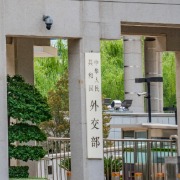
As artificial intelligence reshapes the global landscape, the conversation has shifted from mere innovation to ethical responsibility. At the recent World Internet Conference in Wuzhen, China’s Ministry of Foreign Affairs emphasized a critical shift in perspective: technology must serve humanity, not the other way around. The core message is clear—while AI offers unprecedented opportunities, it also carries the risk of widening the chasm between the developed and developing worlds. This stance marks a pivotal moment in global tech governance, urging nations to prioritize human-centric development over unchecked advancement.
Key Takeaways on Technology and Human Development
- Human-Centric AI Philosophy: China asserts that the ultimate goal of internet development is to foster the comprehensive development of individuals, requiring a fundamental shift toward valuing people over mere technological efficiency.
- Preventing the Digital Divide: Officials warn that without strict governance, AI could exacerbate the 'digital divide,' creating a scenario where the benefits of technology are monopolized by a select few, leaving others further behind.
- Empowerment Over Subservience: The principle that internet technologies should enhance human capabilities, expand choices, and highlight value, rather than turning people into subordinates to the machine.
- Global Cooperation: China is committed to 'opening up' innovation, promising to facilitate technology transfer and knowledge sharing to build a vibrant, inclusive digital ecosystem.
- Shared Responsibility: The concept of a 'Community with a Shared Future in Cyberspace' is presented not just as a slogan, but as a necessary framework for international cooperation to address common risks like digital security and misuse.
Deep Dive: The Strategic Shift in Global Tech Governance
The recent remarks from the Ministry of Foreign Affairs signal a sophisticated evolution in China's approach to digital sovereignty and global leadership. By explicitly linking internet governance to the concept of 'human development,' Beijing is positioning itself as a champion for the Global South in the digital age. This is a strategic pivot from viewing technology solely as a tool for economic growth to viewing it as a vehicle for social equity. The reference to President Xi Jinping’s 2015 vision underscores a long-term commitment to this philosophy, suggesting that current regulations are part of a broader historical trajectory.
Furthermore, the focus on preventing technology from 'aggravating the differentiation of human development' addresses a fear that is becoming increasingly palpable in international forums. As AI models require massive computational resources, there is a genuine risk that only wealthy nations and corporations will benefit from the next generation of intelligence. China's call for 'technology transfer' and 'knowledge sharing' is a direct challenge to the current trend of closed-source AI development. It suggests that the future of the internet must be built on open standards and collaborative ecosystems to ensure that the benefits of the AI revolution are distributed more evenly across the globe. This approach aligns with the broader theme of the Wuzhen conference, which sought to balance rapid innovation with the need for robust ethical frameworks.
Frequently Asked Questions
Why is the 'Digital Divide' a major concern for China?
China views the digital divide not just as a technical gap, but as a barrier to social stability and economic equality. By emphasizing that technology should not worsen human development disparities, the government aims to maintain social cohesion and promote a more equitable global order where all nations can participate in the digital economy.
What does 'Technology Transfer' mean in this context?
In this diplomatic context, 'technology transfer' refers to the active sharing of digital infrastructure, AI algorithms, and technical expertise between China and other developing nations. It implies moving away from a model where technology is proprietary and closed, toward one where knowledge is shared to foster mutual development.
Source: https://www.thepaper.cn/newsDetail_forward_34395465
Related posts
China-Russia Military Relations Strengthen as Strategic Partnership Marks Key Anniversaries
High-level talks between Chinese and Russian defense officials signal deepening military cooperation amid evolving global security challenges.
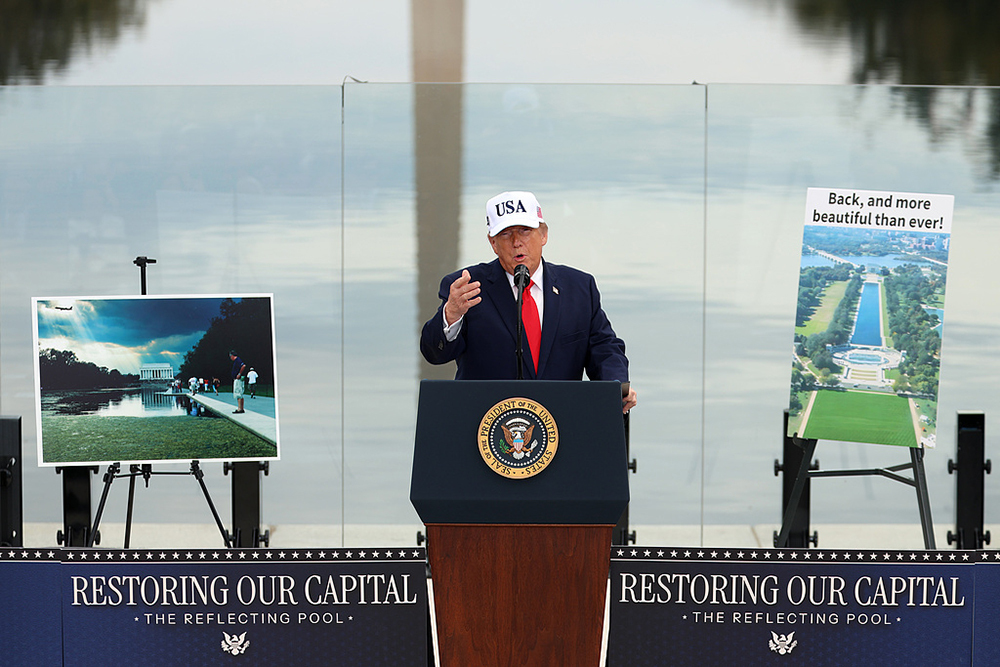
Trump's Election Eve Speech: Infrastructure, Inflation, and the 'Renovation Report'
Trump's pre-election speech focused on infrastructure projects instead of inflation, causing frustration among GOP strategists and voters.

Europe Supermarket Freezer Attack: Cyber Attack Raises Temps to 50°C
A second wave of cyber attacks hits European supermarkets, raising freezer temperatures to 50°C and threatening food supply chains across eight nations.

Merck's Keytruda Qlex Drives Q3 2026 Beat: How Pharma Giants Are Future-Proofing Blockbusters
Merck reports strong Q3 2026 earnings, beating estimates with Keytruda Qlex sales. Discover how the pharma giant is navigating patent cliffs and securing growth.
Middle East Peace: Wang Yi's Diplomatic Push for Dialogue in Iran Talks
Wang Yi meets Iranian deputy secretary to discuss regional stability, emphasizing dialogue over conflict and China's role in the Global South.

Belgian Prime Minister Resigns After Budget Talks Collapse Amid EU Pressures
Belgium faces political crisis as Prime Minister De Wever resigns following failed budget negotiations, with King Philip delaying decision amid EU fiscal requirements and NATO defense spending demands.

Cruise Lines Battle Fuel Costs: Hedging vs. Efficiency Strategies
How Royal Caribbean, Carnival, and Norwegian navigate rising oil prices with distinct financial strategies.
California's Billionaire Tax: Economic Revolution or Financial Disaster?
As California votes on America's first billionaire wealth tax, economists clash over whether it will raise billions or drive the wealthy out of state.
Latest Articles
- Spain Train Crash: 66 Victims Identified in Toledo Province Collision
- Trump Administration Prepares for Potential Democratic Control of Congress After Midterms
- Armenia Path: Global Community Re-calibrates Biodiversity Goals
- Data Center Plans Threaten West Virginia's Wilderness and Dark Skies
- Norwegian Cruise Line Surges 13% on Strong Q3 Results and 2026 Guidance
- Rivian Surpasses Q3 Earnings Expectations with Strong R2 SUV Performance