Cruise Lines Battle Fuel Costs: Hedging vs. Efficiency Strategies
How Royal Caribbean, Carnival, and Norwegian navigate rising oil prices with distinct financial strategies.
Source: CNBC
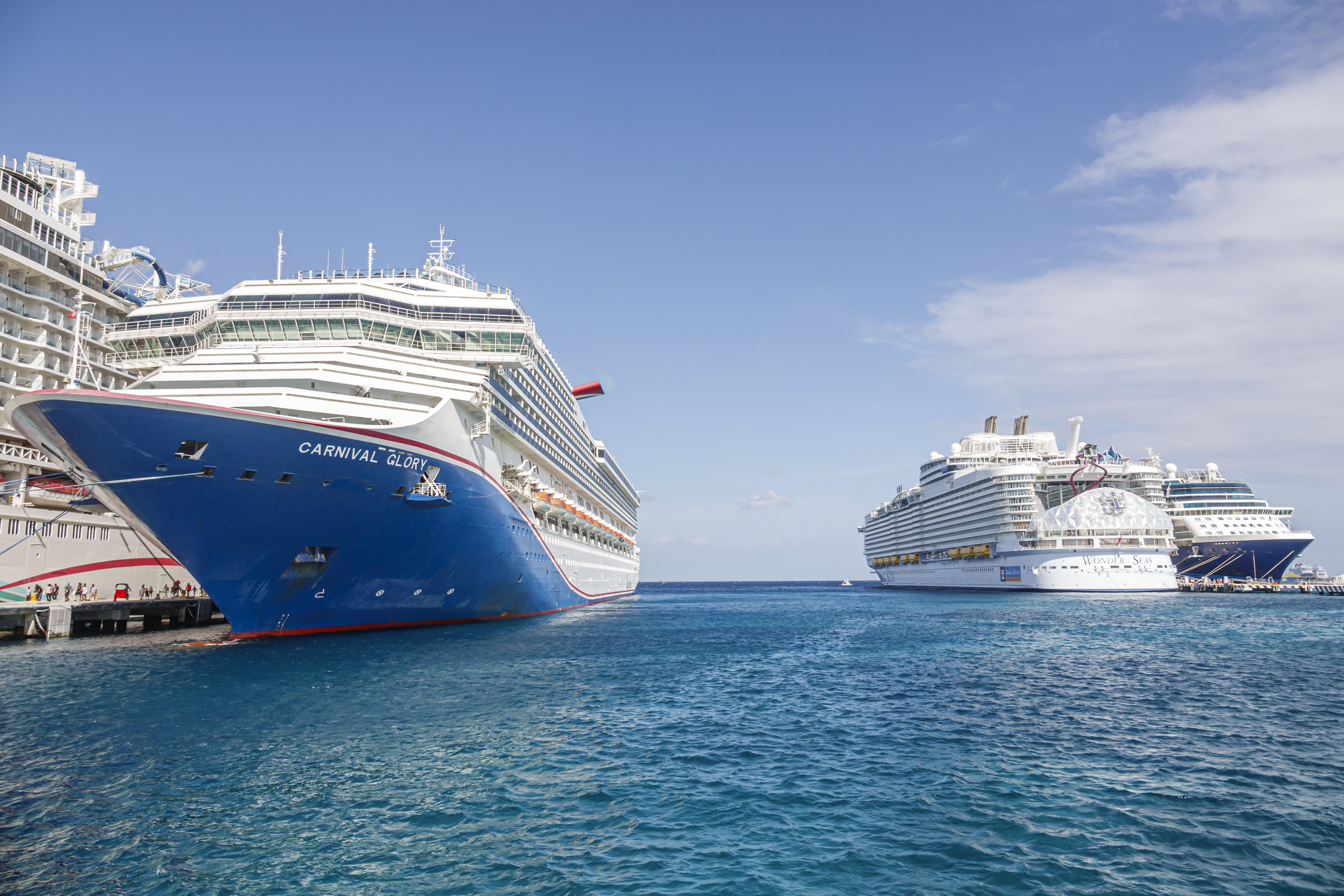
As global travel demand rebounds, the cruise industry faces a critical challenge: skyrocketing fuel prices. With Brent crude hitting $116.72 per barrel, the holiday travel season looks increasingly expensive for maritime operators. However, despite the headwinds, major cruise lines are reporting strong earnings. This resilience highlights a pivotal divergence in corporate strategy: the choice between financial hedging and operational efficiency. While Royal Caribbean and Norwegian Cruise Line Holdings lean heavily on derivatives to lock in prices, Carnival Corporation is betting on radical consumption reduction. This analysis explores how these distinct approaches are reshaping the competitive landscape of the cruise industry.
Key Takeaways
- Divergent Strategies: The industry's response to fuel volatility is split between hedging fuel costs and reducing consumption through technology and operational changes.
- Carnival's Efficiency Play: Carnival CEO Josh Weinstein argues that using less fuel is superior to financial derivatives, citing a 26% reduction in unit consumption since 2019.
- Hedging as Insurance: Royal Caribbean and Norwegian use hedging to manage Wall Street expectations and protect margins, though they still face rising costs.
- Financial Performance: Despite fuel pressures, all three major companies beat analyst expectations in their latest quarters, driven by strong demand.
- Demand Resilience: Consumer demand for vacations remains robust, with high fuel prices failing to significantly dampen booking trends.
In-Depth Analysis
The current fuel crisis underscores a fundamental difference in how the industry's titans view risk management. For Royal Caribbean and Norwegian, the primary defense is financial hedging. This involves using derivatives to lock in future fuel prices, thereby insulating the company from market spikes. While this strategy successfully shields them from the worst of the volatility, it does not eliminate the cost entirely. As noted in their earnings reports, the benefit of hedging is twofold: it stabilizes the cost base and manages investor sentiment. The "Street" often penalizes stocks with high fuel volatility, so maintaining a stable financial model is crucial for maintaining a favorable valuation multiple.
Conversely, Carnival Corporation has adopted a more radical operational stance. Rejecting the widespread use of financial derivatives, Carnival has focused on engineering a more fuel-efficient fleet and operational processes. Their strategy is not just about saving money but about structural change. By slashing its unit fuel consumption rate by 26% since 2019, Carnival has effectively turned fuel into a diminishing variable cost. This "maniacal" focus on efficiency allows them to absorb price increases without needing to hedge, offering a competitive advantage that is harder for competitors to replicate quickly. The financial results support this view, with Carnival reporting an all-time high net income of $1.9 billion, proving that operational discipline can outperform financial engineering in a high-inflation environment.
Looking ahead, the industry's ability to navigate these costs will depend on the balance between these two strategies. While hedging provides a necessary safety net for the short term, the long-term winners will likely be those who continue to innovate and reduce their carbon footprint. As the conflict in the Middle East continues to pressure oil supplies, the holiday season will serve as a real-world test of these corporate strategies. The resilience of consumer demand suggests that the industry is well-positioned to weather the storm, provided these cost management tactics are executed with precision.
Frequently Asked Questions
How does hedging work for cruise lines?
Hedging is a financial strategy where cruise companies use derivatives to purchase fuel at a fixed price for a future date. This allows them to lock in costs and protect their budgets against sudden spikes in market oil prices, ensuring more predictable financial reporting.
Why is Carnival focusing on cutting fuel consumption instead of hedging?
Carnival believes that reducing the amount of fuel used is the most effective way to control costs. By improving ship efficiency and operational processes, they can lower their input costs directly, which is often more reliable than relying on financial markets that may be subject to their own volatility.
Are high fuel prices affecting cruise ticket prices?
Despite the rising cost of fuel, cruise lines are not passing these costs directly to consumers in the form of higher ticket prices. Instead, they are managing the costs through the strategies mentioned above. Strong consumer demand and high booking numbers for 2027 indicate that passengers are willing to pay for the travel experience despite the economic headwinds.
Source: https://www.cnbc.com/2026/10/29/royal-caribbean-carnival-norwegian-fuel-costs.html
Related posts
California's Billionaire Tax: Economic Revolution or Financial Disaster?
As California votes on America's first billionaire wealth tax, economists clash over whether it will raise billions or drive the wealthy out of state.
Belgian Prime Minister Resigns After Budget Talks Collapse Amid EU Pressures
Belgium faces political crisis as Prime Minister De Wever resigns following failed budget negotiations, with King Philip delaying decision amid EU fiscal requirements and NATO defense spending demands.

Middle East Peace: Wang Yi's Diplomatic Push for Dialogue in Iran Talks
Wang Yi meets Iranian deputy secretary to discuss regional stability, emphasizing dialogue over conflict and China's role in the Global South.
Spain Train Crash: 66 Victims Identified in Toledo Province Collision
Spanish authorities confirm the identities of 66 victims in the Toledo province high-speed train collision. Read the latest updates on casualties, nationalities, and the investigation.

Trump Administration Prepares for Potential Democratic Control of Congress After Midterms
Explore how the Trump team is strategizing to bypass a Democratic Congress, utilizing executive orders and administrative power to advance its agenda despite potential investigations.
Armenia Path: Global Community Re-calibrates Biodiversity Goals
COP17 concludes with the 'Armenia Path,' a critical framework to address biodiversity gaps, despite challenges in funding and implementation.

Data Center Plans Threaten West Virginia's Wilderness and Dark Skies
A massive data center project in West Virginia raises concerns about environmental impact, light pollution, and the future of the region's pristine wilderness areas.
Norwegian Cruise Line Surges 13% on Strong Q3 Results and 2026 Guidance
Norwegian Cruise Line Holdings beats Q3 earnings expectations and raises 2026 outlook, driven by revenue growth and improved demand. CFO Mark Kempa to retire, replaced by Meghan Montana.
Latest Articles
- Rivian Surpasses Q3 Earnings Expectations with Strong R2 SUV Performance
- Judge Dismisses Trump's $10 Billion Lawsuit Against Wall Street Journal Over Epstein Letter
- Binance Security Incident: $6.3 Billion Frozen After Hack
- Deadlocked Democracy: Netanyahu's High-Stakes Calculations in Israel
- G20 Foreign Ministers' Ends Without Consensus on Geopolitical and Economic Security
- Spanish Train Crash: Viral Video is Old Footage, Not Pre-Disaster Footage