Armenia Path: Global Community Re-calibrates Biodiversity Goals
COP17 concludes with the 'Armenia Path,' a critical framework to address biodiversity gaps, despite challenges in funding and implementation.
Source: thepaper.cn
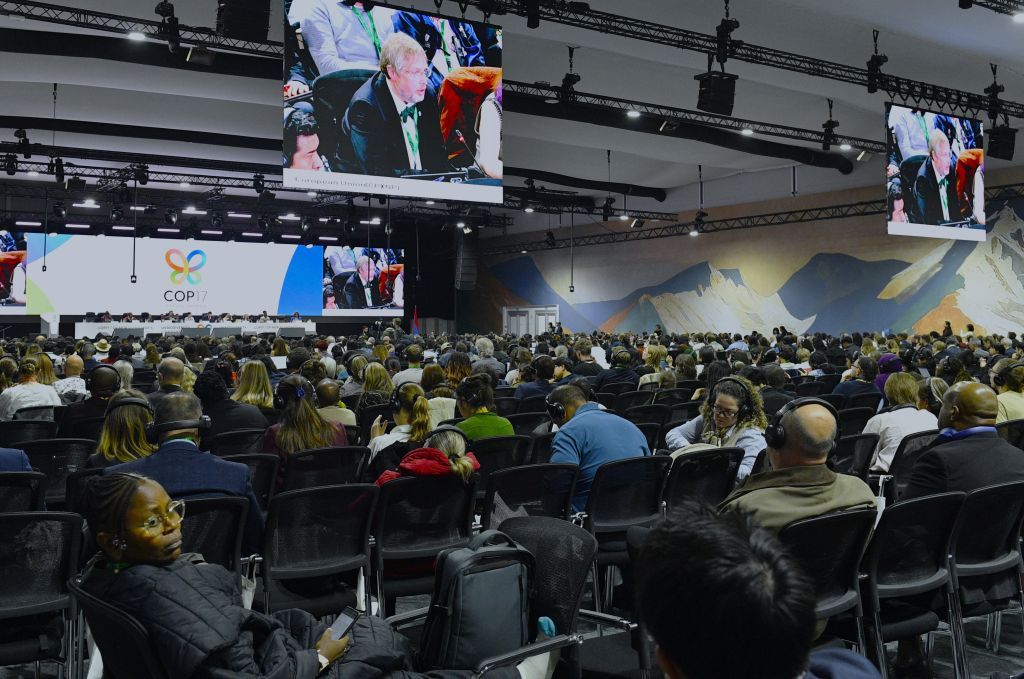
The recent conclusion of the UN Biodiversity Conference (COP17) in Yerevan, Armenia, marked a pivotal moment for global environmental policy. Despite a marathon session that lasted over 12 hours, the international community succeeded in passing the final texts for the 'Kunming-Montreal Global Biodiversity Framework.' This event highlights the urgent need to accelerate action to halt biodiversity loss by 2030.
Key Highlights of the Conference
- The 'Armenia Path' Defined: The conference established a clear roadmap called the 'Armenia Path.' This is not a new set of targets but a strategic response to the gap between current progress and the 2030 goals. It focuses on how to accelerate implementation to meet existing commitments.
- Global Progress Review: For the first time, the world conducted a collective review of the 'Kunming-Montreal Framework.' The findings were sobering; most of the 23 targets set for 2030 are behind schedule. The new path is designed to correct this trajectory.
- Financial Commitments: While the meeting was dominated by environmental urgency, significant financial commitments were announced. Over $2 billion in new funds was pledged during the conference, channeled through entities like the Global Environment Fund.
- Global Environment Fund (GEF) Challenges: A major point of contention was the funding for the next GEF cycle. There was a noted decline in the funding scale for the 2026-2030 period compared to the previous cycle, putting pressure on the ability of developing nations to implement these frameworks.
- Historical Responsibility: Developing nations pushed back against efforts by some developed countries to broaden the list of 'donors.' They argued that wealthy nations have a specific, legally binding obligation to provide the majority of funding based on historical responsibility.
- China's Role: China was recognized for its pivotal role in the framework's creation. The 'Kunming Dialogue' and the establishment of the 'Kunming Fund' were highlighted as crucial contributions that provided the foundation for this year's review.
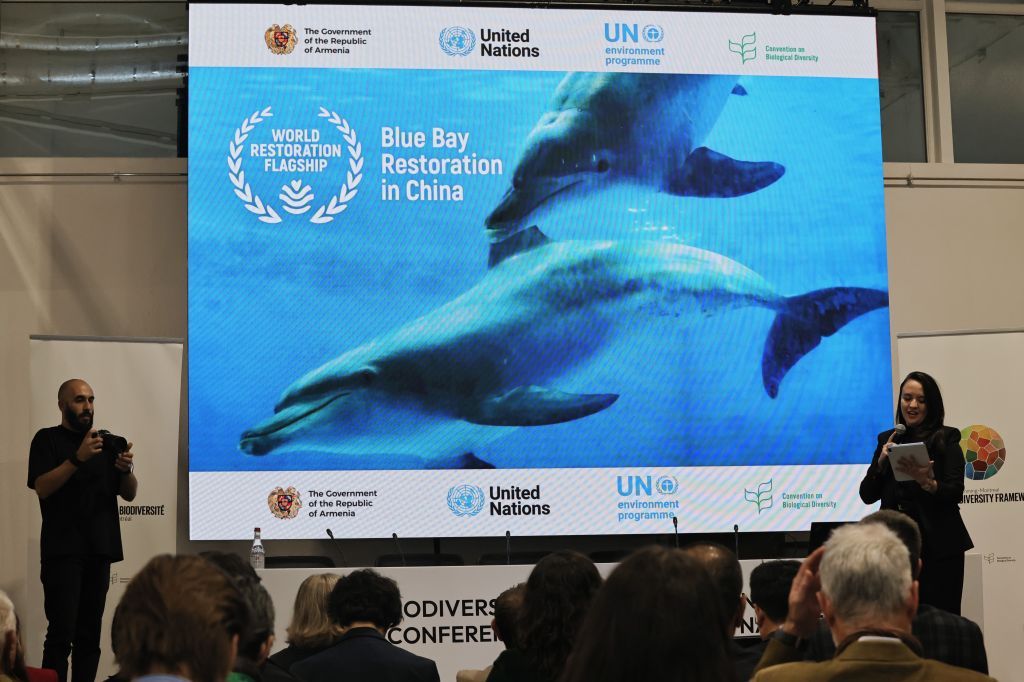
- Ecological Restoration: The conference celebrated 'World Ecological Restoration Day,' awarding the 'China Blue Bay Action' as a flagship project for its impact on coastal ecosystems.
In-Depth Analysis
The success of COP17 in Yerevan serves as a necessary, albeit imperfect, corrective to the stalled progress seen at previous conferences. The 'Armenia Path' represents a pragmatic shift from setting abstract targets to defining concrete implementation steps. It acknowledges that the initial framework was ambitious, but the mechanisms to achieve it were insufficient.
However, the underlying economic tension remains a critical barrier. The lack of full funding from developed nations undermines the multilateral system. When major financial institutions like the GEF face budget cuts, it signals a retreat from the global solidarity required to tackle climate and biodiversity crises. The debate over 'who pays' is not just an economic issue; it is a political test of the international community's commitment to equity and justice.
Looking ahead, the true measure of this conference will be the domestic policies adopted by member states. The 'Armenia Path' is only as effective as the national laws and funding mechanisms each country implements upon returning home. The focus must now shift from global negotiations to local action, ensuring that the 'Kunming-Montreal Framework' moves from paper to practice.
Frequently Asked Questions
Q: What is the 'Armenia Path'? A: It is a set of decisions made at COP17 that outlines how to bridge the gap between current biodiversity goals and the 2030 targets of the 'Kunming-Montreal Framework.' It focuses on accelerating implementation rather than setting new objectives.
Q: Why was the conference delayed, and what was the outcome? A: The conference ran long due to intense disagreements on funding and legal obligations. The outcome was the successful adoption of all major texts, including the 'Armenia Path,' ensuring the framework remains on track.
Q: How did China contribute to this year's conference? A: China was instrumental in hosting the 'Kunming Dialogue' that led to the original framework. It also provided financial support through the 'Kunming Fund' and its national reports were cited as a model for integrating conservation into development planning.
Source: https://www.thepaper.cn/newsDetail_forward_34385548
Related posts
Trump Administration Prepares for Potential Democratic Control of Congress After Midterms
Explore how the Trump team is strategizing to bypass a Democratic Congress, utilizing executive orders and administrative power to advance its agenda despite potential investigations.

Data Center Plans Threaten West Virginia's Wilderness and Dark Skies
A massive data center project in West Virginia raises concerns about environmental impact, light pollution, and the future of the region's pristine wilderness areas.

Norwegian Cruise Line Surges 13% on Strong Q3 Results and 2026 Guidance
Norwegian Cruise Line Holdings beats Q3 earnings expectations and raises 2026 outlook, driven by revenue growth and improved demand. CFO Mark Kempa to retire, replaced by Meghan Montana.

Rivian Surpasses Q3 Earnings Expectations with Strong R2 SUV Performance
Rivian beats Wall Street expectations in Q3 2026 with increased R2 deliveries and software revenue, narrowing losses while improving financial guidance.

Judge Dismisses Trump's $10 Billion Lawsuit Against Wall Street Journal Over Epstein Letter
Federal judge permanently dismisses Trump's defamation case against WSJ, ruling president failed to prove actual malice in Epstein letter reporting.

Binance Security Incident: $6.3 Billion Frozen After Hack
Binance confirms a significant security breach involving a compromised DevOps engineer's laptop. Over $6.3 billion in assets have been frozen by the exchange and stablecoin partners.
Deadlocked Democracy: Netanyahu's High-Stakes Calculations in Israel
Israel's recent election resulted in a 53-48 deadlock. Explore the political deadlock, Netanyahu's strategy, and the historical challenges of forming a majority government.
G20 Foreign Ministers' Ends Without Consensus on Geopolitical and Economic Security
The recent G20 Foreign Ministers' Meeting concluded without joint communiqué amid deep divisions over Ukraine crisis, US-Iran tensions, and trade policies.
Latest Articles
- Spanish Train Crash: Viral Video is Old Footage, Not Pre-Disaster Footage
- Binance $6.3B Crypto Heist: North Korean Cyber Warfare Explained
- AI Giants Face Critical Risks: Supply Chain and Technology Obsolescence
- How Automakers Are Revolutionizing Manufacturing with 3D Printing
- Ukraine Expands Strikes, Russia Denies Progress: The Core Conflict Remains
- EU-Canada 'Associate Member' Proposal: Ursula von der Leyen's Strategic Move Amidst Internal Divisions