Ukraine Expands Strikes, Russia Denies Progress: The Core Conflict Remains
As diplomatic talks loom in Abu Dhabi, Russia and Ukraine escalate military capabilities. Explore the stalled peace process and the deepening rift between Moscow and Washington.
Source: thepaper.cn
The geopolitical chessboard is shifting rapidly as diplomatic efforts in Abu Dhabi attempt to bridge a widening chasm between Moscow and Kyiv. While international mediators push for a truce, the reality on the ground suggests that military posturing is intensifying. Ukraine is actively expanding its long-range strike capabilities, aiming to penetrate deeper into Russian territory. Conversely, Russia maintains a firm stance, rejecting the idea that military escalation aids negotiations. This delicate balance of power highlights the immense difficulty of achieving a sustainable peace in the ongoing conflict.
Key Developments
- Ukraine's Strategic Shift: The Ukrainian military leadership has confirmed the expansion of its long-range strike forces. The primary objective is to target critical infrastructure deep within Russian territory, a move designed to pressure the Kremlin.
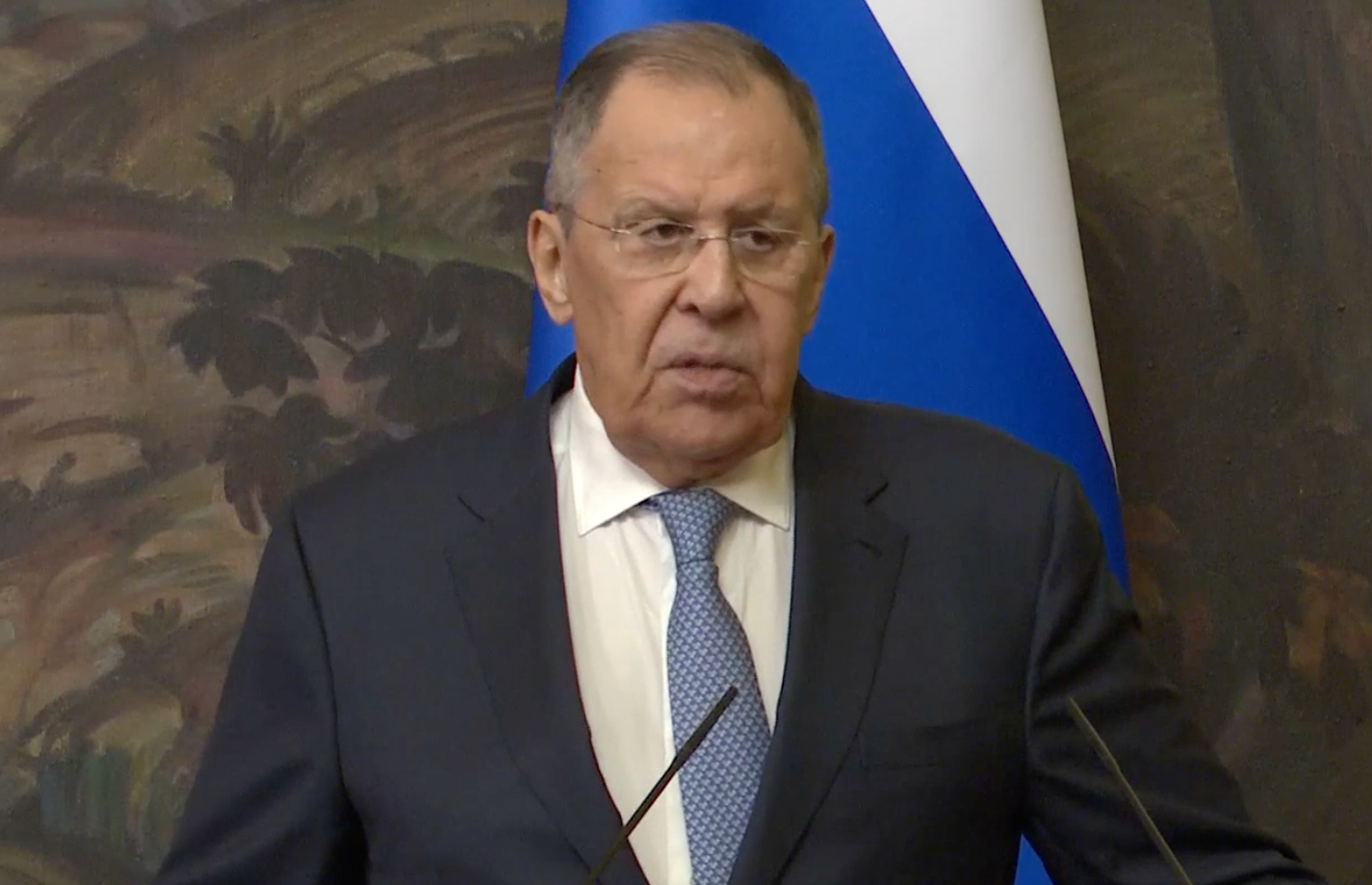
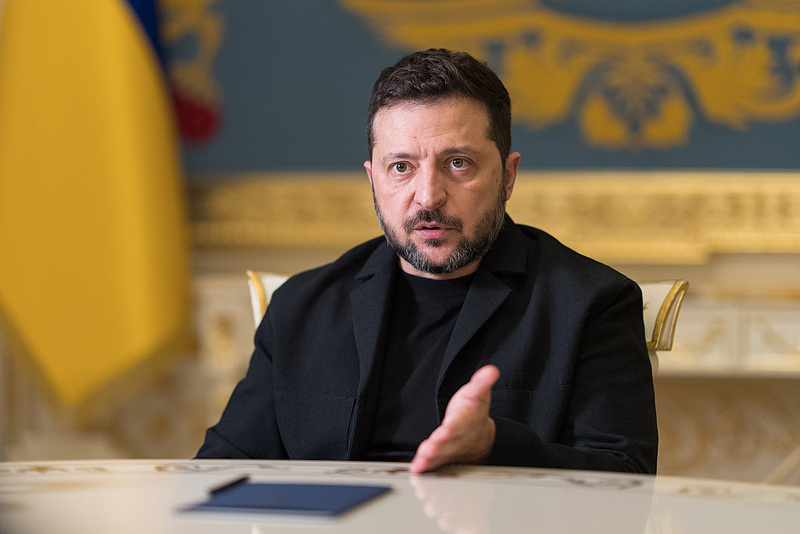
- Russian Rejection of Escalation: Russian Foreign Minister Sergey Lavrov stated that President Vladimir Putin's position remains unchanged. He argued that President Zelenskyy's public threats and military posturing are counterproductive to the preparation of new peace talks.
- The Location of Peace: Lavrov clarified that if a meeting between Putin and Zelenskyy is to occur, it must take place in Russia. He noted that Moscow guarantees the safety of a visiting head of state, a security assurance Kyiv cannot currently provide.
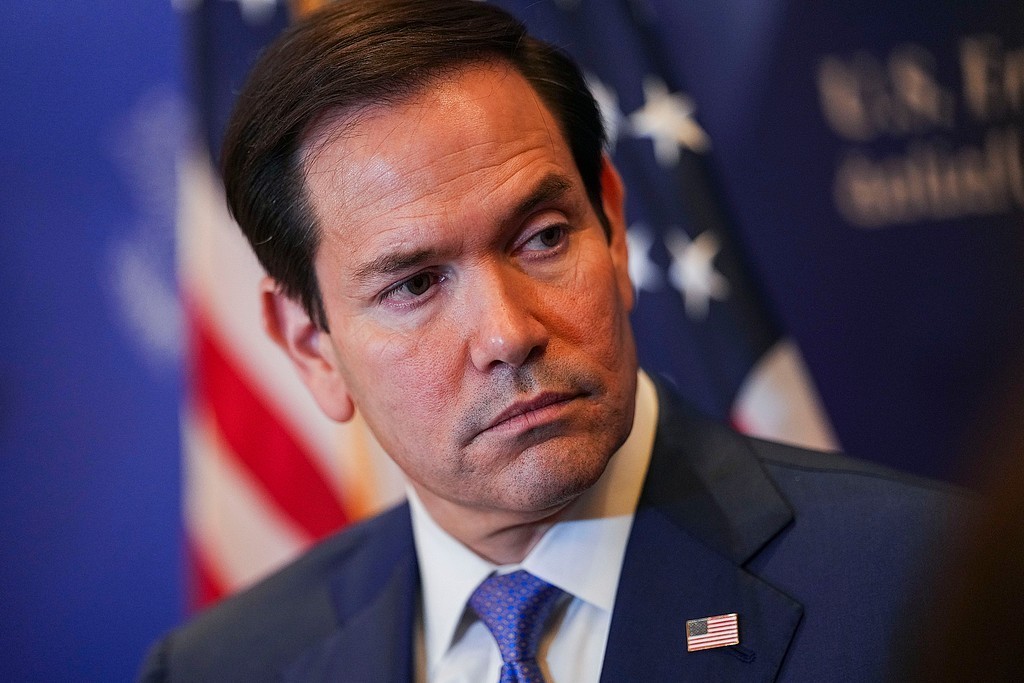
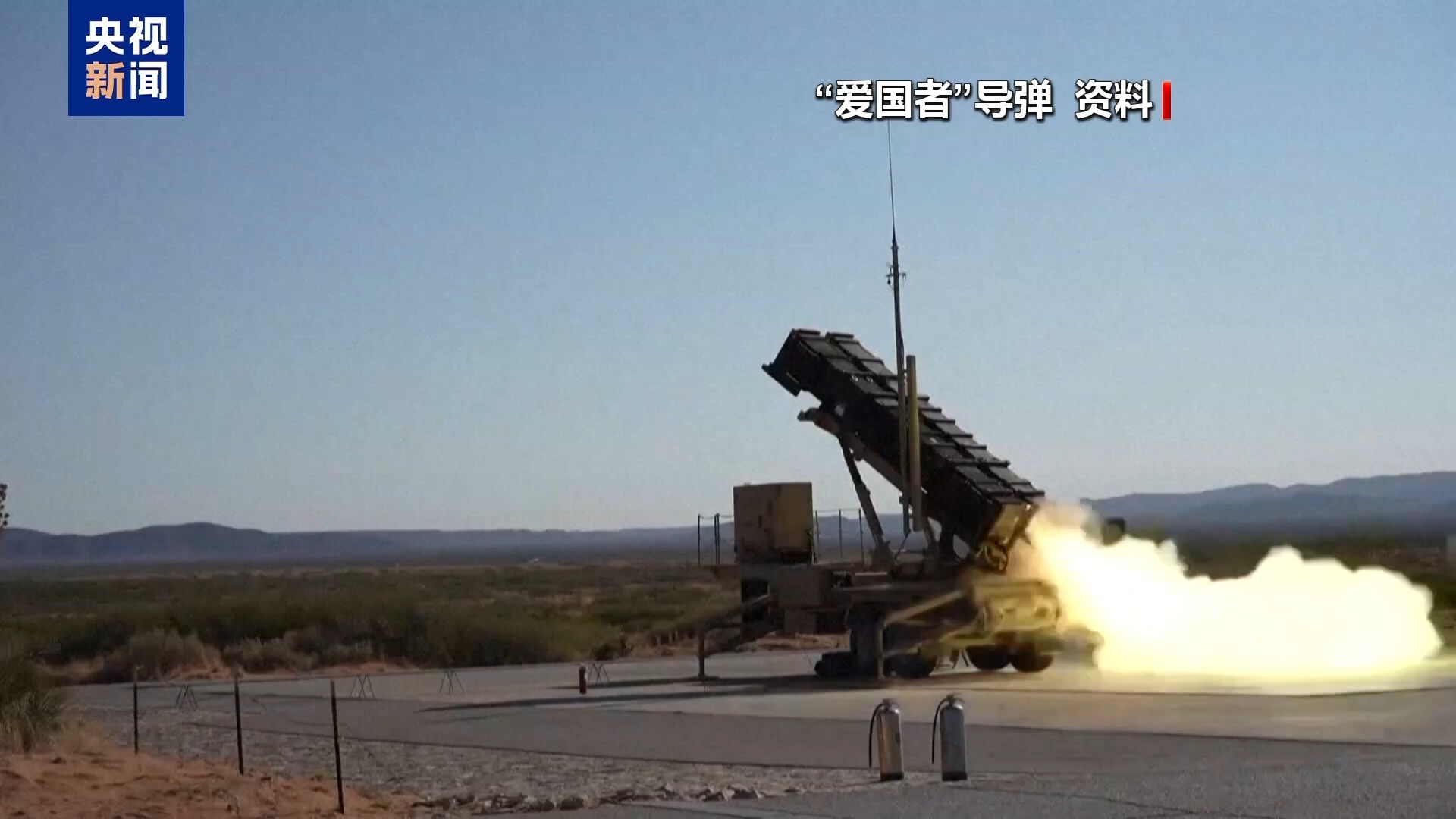
- US Military Aid Continues: Despite diplomatic rhetoric, the United States is bolstering Ukraine's defense capabilities. The State Department approved a $2.1 billion deal to supply 500 Patriot missiles, funded entirely by allies, ensuring Kyiv retains its air defense edge.
- Diplomatic Timeline: A meeting between the three parties—Russia, Ukraine, and the US—is tentatively scheduled for mid-November in Abu Dhabi. This initiative is being spearheaded by the United Arab Emirates, though the logistics remain complex.
- Trump's Role: Former President Donald Trump has indicated that a meeting between the Russian and Ukrainian leaders is imminent. He claims significant progress is being made and that a summit could yield substantial results soon.
- Gulf Mediation: The choice of Abu Dhabi as a venue is significant. It reflects the increasing role of Gulf states in global diplomacy, acting as neutral ground to facilitate dialogue between former Cold War adversaries.
In-Depth Analysis
The simultaneous pursuit of military escalation and diplomatic engagement creates a volatile environment for peace negotiations. Ukraine's decision to target deeper Russian territory is a strategic gamble. By threatening the Russian heartland, Kyiv aims to alter the cost-benefit analysis for Moscow, potentially forcing a shift in the Kremlin's war calculus. However, this move risks hardening Russian public opinion and making compromise politically impossible for Moscow's leadership.
On the Russian side, Lavrov's comments serve a dual purpose. They reinforce the narrative of Russian sovereignty and security, rallying domestic support. Furthermore, by rejecting the premise that military actions affect negotiations, Moscow sets a high bar for any future talks. The insistence that the meeting must happen in Russia further complicates the logistics, as it requires the Ukrainian leadership to physically enter a war zone.
The involvement of the United States adds another layer of complexity. While the US officially promotes diplomacy, its continuous supply of advanced weaponry like the Patriot missile system provides the military means for Ukraine to continue the fight. This contradiction—advocating for peace while arming one side—undermines the credibility of Washington's diplomatic efforts. It suggests that the US strategy relies on maintaining a stalemate that pressures Russia without allowing Ukraine to win decisively.
Ultimately, the stalemate in Abu Dhabi mirrors the broader deadlock in the conflict. While the surface-level diplomatic maneuvering continues, the underlying issues—territorial integrity, security guarantees, and war crimes accountability—remain unresolved. Until these core grievances are addressed, any summit will likely result in a symbolic handshake rather than a concrete peace agreement.
Frequently Asked Questions
Q: Why is Ukraine targeting deeper into Russia?
A: Ukraine aims to disrupt Russian logistics and morale by striking critical infrastructure deep within Russian territory. This shift in strategy is designed to force Russia to defend a much larger front and to pressure the Kremlin to reconsider its war objectives.
Q: Will the US meeting in Abu Dhabi actually happen?
A: While both Russia and Ukraine have acknowledged the talks, the meeting is not guaranteed. Significant hurdles remain, including the venue dispute and the lack of trust between the two sides. The outcome depends heavily on the willingness of both nations to compromise on their core demands.
Q: What is the significance of the Patriot missile deal?
A: The $2.1 billion deal is a major boost to Ukraine's air defense capabilities. It ensures that Ukrainian forces can continue to intercept incoming Russian missiles, which is crucial for protecting civilian infrastructure and military targets from aerial bombardment.
Source: https://www.thepaper.cn/newsDetail_forward_34376871
Related posts
EU-Canada 'Associate Member' Proposal: Ursula von der Leyen's Strategic Move Amidst Internal Divisions
EU Commission President Ursula von der Leyen pushes for Canada to become an associate member, a bid to strengthen ties amidst US trade tensions and geopolitical shifts, despite significant internal resistance from member states.

Poland's Constitutional Crisis: President Returns, PM Accused of Coup
Poland's political standoff escalates as President Nawrocki cancels a trip and PM Tusk faces accusations of a judicial coup.

Global Perspectives on China's Party Discipline: Analysis of the 20th CPC Central Committee Fifth Plenum
International media examines how China's strengthened party discipline impacts governance, modernization, and global cooperation amid complex international challenges.

Starbucks Q4 2026 Earnings: U.S. Turnaround Gains Momentum Despite Missed Targets
Starbucks Q4 2026 earnings reveal a mixed bag: international underperformance vs. strong U.S. recovery. Discover how 'Back to Starbucks' strategy is driving growth.

North Korea Linked to $6.3B Binance Hack: Cybercrime Analysis
Blockchain intelligence firms confirm North Korea's elite unit, TraderTraitor, behind the record-breaking $6.3 billion crypto heist. Here's what happened.

Budget Cars Flying Off Lots as Affordability Crisis Hits Auto Market
Lower-priced vehicles are selling faster than premium models as consumers grapple with rising fuel costs and economic pressures, creating complex market dynamics.
South China Sea Tensions: China's Defense Ministry Responds to Philippine Actions
China's Defense Ministry urges Philippines to prevent small groups from provoking incidents in South China Sea, emphasizing commitment to regional peace and sovereignty.
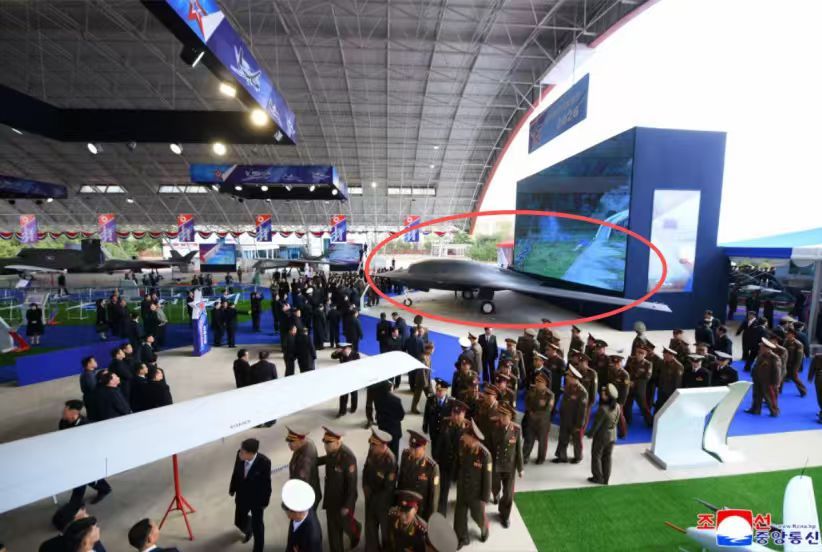
North Korea Unveils New Stealth Drone at Major Aviation Exhibition
North Korea showcased a previously unseen stealth drone with a flying wing design at the 'Unmanned Aviation Technology Development-2026' exhibition. Explore the implications of this new military hardware.
Latest Articles
- Trump's Confrontation with Reuters Journalist Sparks Media Firestorm
- Bridging US-China Divide: Need for New Generation of China-Savvy Americans
- Chinese President Expresses Condolences Over Spain Train Accident
- The Blade Master: How an 80-Year-Old Ice Hockey Sharpener Became a Legend
- Restaurant Brands Reports Mixed Q3 Results as Burger King Leads Turnaround
- Eli Lilly Boosts Sales Outlook as Obesity Drugs Drive Growth