Poland's Constitutional Crisis: President Returns, PM Accused of Coup
Poland's political standoff escalates as President Nawrocki cancels a trip and PM Tusk faces accusations of a judicial coup.
Source: thepaper.cn
The political landscape in Poland has reached a critical juncture, characterized by a deepening rift between the executive and judicial branches. The recent escalation, involving the suspension of key constitutional court figures and the cancellation of a presidential foreign trip, underscores a struggle over the soul of the nation's legal system. This crisis is not merely a domestic squabble but a continuation of a long-standing conflict that has strained Poland's relationship with the European Union.
Key Developments
-
Presidential Return: President Andrzej Duda abruptly canceled his scheduled trip to Senegal on October 30, 2026, to address the escalating domestic crisis regarding judicial control.
-
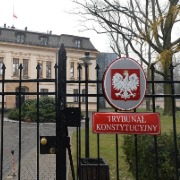
Constitutional Court Purge: The Polish Constitutional Court website announced the suspension of President Bogdan Zwarniecki and Vice-President Bartłomiej Sochański for one month, while appointing Anna Kolin-Piotrowska to temporarily oversee court affairs.
-
Official Rejection: The Constitutional Court’s official X account contradicted the government’s statement, asserting that Zwarniecki remains the president and Sochański the vice-president, and denying Kolin-Piotrowska’s judicial status.
-
Political Accusations: Supporters of the ruling Law and Justice (PiS) party have gathered outside the Constitutional Court, chanting "Tusk traitor" and accusing the Prime Minister of launching a "coup" against the judiciary.
-
PM's Justification: Prime Minister Donald Tusk defended the government's actions on social media, arguing that after years of "legal chaos," restoring the rule of law requires decisive and sometimes painful measures.
-
Historical Context: The conflict stems from the PiS party’s tenure (2015–2023), which was marked by rapid judicial appointments criticized by the European Court of Human Rights and the EU Court of Justice.
-
Election Implications: Analysts suggest that Tusk’s hardline approach may be an attempt to boost his popularity ahead of the upcoming parliamentary elections scheduled for next year.
In-Depth Analysis
This latest crisis is the culmination of a decade-long struggle for control over Poland's judicial system. The tension is rooted in the structural differences between the President and the Prime Minister. The President, as the head of state, holds significant power, particularly in foreign policy and the ability to veto legislation. In contrast, the Prime Minister, as head of government, directs domestic policy and manages the administration. Currently, President Duda represents the conservative Law and Justice (PiS) party, while Prime Minister Tusk leads the centrist Civic Platform, a coalition favoring closer ties with the EU.
The immediate trigger for this escalation was the government's attempt to assert control over the Constitutional Court, the body responsible for reviewing the constitutionality of laws. By attempting to suspend the current leadership and appointing a temporary administrator, the Tusk government aimed to dismantle the judicial framework established during the PiS era. This move was a direct challenge to the authority of the court, which had become a bastion of resistance for the opposition.
The government's narrative frames this as a necessary step to restore the rule of law, which they argue was eroded by the previous administration's politicization of the courts. However, critics, including legal experts and opposition figures, view these actions as a power grab. The deployment of riot police and the fierce resistance from PiS supporters highlight the polarized nature of Polish society. The situation reflects a broader European trend of judicial independence being used as a political weapon, where courts are seen as either guardians of democracy or tools of political control.
Looking ahead, the stability of Poland's government hangs in the balance. The Constitutional Court's refusal to recognize the new appointments suggests a protracted legal battle that could paralyze the judiciary. Furthermore, the deepening rift between the President and the Prime Minister makes it difficult to pass cohesive legislation. As the country approaches parliamentary elections, this conflict will likely remain a central theme in the campaign, with each side using the narrative of defending or restoring democracy to appeal to voters.
Frequently Asked Questions
Q: Why did President Duda cancel his trip to Senegal?
A: President Duda returned to Poland on October 30, 2026, to personally intervene in the escalating constitutional crisis. The political turmoil surrounding the judicial branch was deemed too critical to ignore, requiring his immediate domestic attention.
Q: What is the historical background of the conflict between PiS and the Constitutional Court?
A: The Law and Justice (PiS) party, which governed from 2015 to 2023, rapidly appointed new judges to the Constitutional Court to align it with their political agenda. This led to repeated sanctions from the European Court of Human Rights and the EU Court of Justice, which found Poland to be in breach of the rule of law. The current government, led by Donald Tusk, has sought to reverse these appointments and reassert EU-backed judicial standards.
Q: How does the power structure in Poland contribute to this conflict?
A: Poland has a semi-presidential system where the President and Prime Minister often have conflicting roles. The President has the power to veto laws and represents the country internationally, while the Prime Minister manages the government and domestic policy. Currently, the President supports PiS, while the Prime Minister supports the opposition, creating a deadlock over the judiciary.
Source: https://www.thepaper.cn/newsDetail_forward_34375256
Related posts

Global Perspectives on China's Party Discipline: Analysis of the 20th CPC Central Committee Fifth Plenum
International media examines how China's strengthened party discipline impacts governance, modernization, and global cooperation amid complex international challenges.
Starbucks Q4 2026 Earnings: U.S. Turnaround Gains Momentum Despite Missed Targets
Starbucks Q4 2026 earnings reveal a mixed bag: international underperformance vs. strong U.S. recovery. Discover how 'Back to Starbucks' strategy is driving growth.
North Korea Linked to $6.3B Binance Hack: Cybercrime Analysis
Blockchain intelligence firms confirm North Korea's elite unit, TraderTraitor, behind the record-breaking $6.3 billion crypto heist. Here's what happened.

Budget Cars Flying Off Lots as Affordability Crisis Hits Auto Market
Lower-priced vehicles are selling faster than premium models as consumers grapple with rising fuel costs and economic pressures, creating complex market dynamics.
South China Sea Tensions: China's Defense Ministry Responds to Philippine Actions
China's Defense Ministry urges Philippines to prevent small groups from provoking incidents in South China Sea, emphasizing commitment to regional peace and sovereignty.
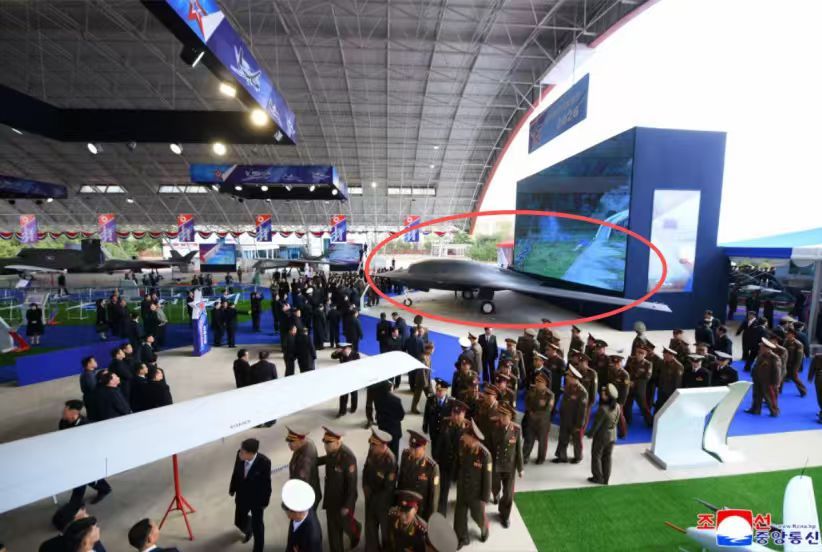
North Korea Unveils New Stealth Drone at Major Aviation Exhibition
North Korea showcased a previously unseen stealth drone with a flying wing design at the 'Unmanned Aviation Technology Development-2026' exhibition. Explore the implications of this new military hardware.
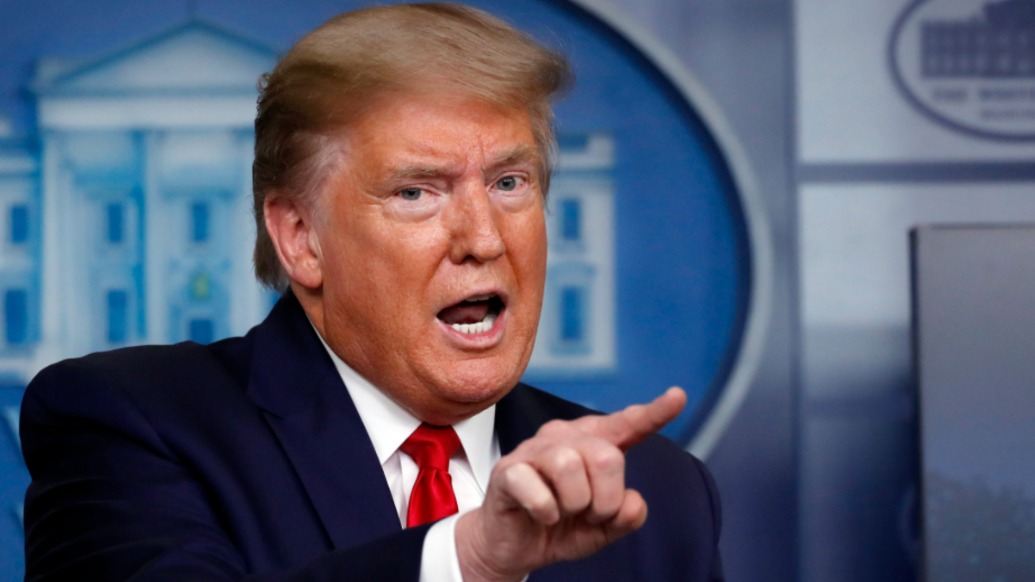
Trump's Confrontation with Reuters Journalist Sparks Media Firestorm
Former President Trump's heated exchange with a Reuters reporter at military base raises questions about press freedom and political discourse.
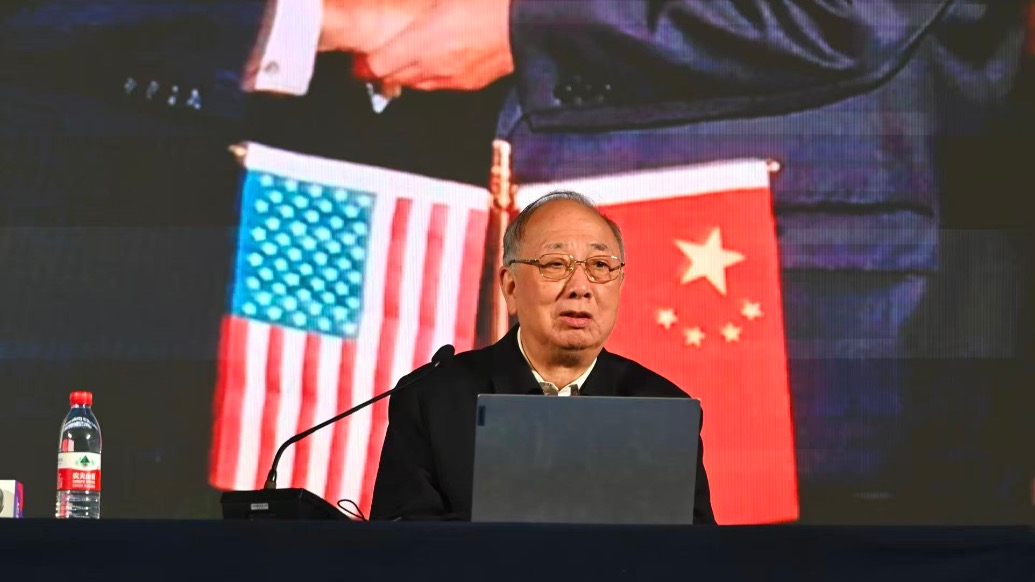
Bridging US-China Divide: Need for New Generation of China-Savvy Americans
Former Chinese official calls for young Americans who truly understand China to mend bilateral relations amid growing tensions.
Latest Articles
- Chinese President Expresses Condolences Over Spain Train Accident
- The Blade Master: How an 80-Year-Old Ice Hockey Sharpener Became a Legend
- Restaurant Brands Reports Mixed Q3 Results as Burger King Leads Turnaround
- Eli Lilly Boosts Sales Outlook as Obesity Drugs Drive Growth
- US Economy Grows 3.4% Ahead Of Midterms: Inflation Woes Persist
- South Korea's Impeached President Yoon Suk Yeol Faces Death Penalty in Second Trial for Insurrection