Budget Cars Flying Off Lots as Affordability Crisis Hits Auto Market
Lower-priced vehicles are selling faster than premium models as consumers grapple with rising fuel costs and economic pressures, creating complex market dynamics.
Source: CNBC
As fuel prices continue to climb and economic uncertainty looms, American car buyers are increasingly gravitating toward more affordable options, causing a significant shift in automotive sales patterns. This trend is reshaping dealership strategies and forcing automakers to confront changing consumer preferences in an increasingly challenging economic climate.
Key Findings
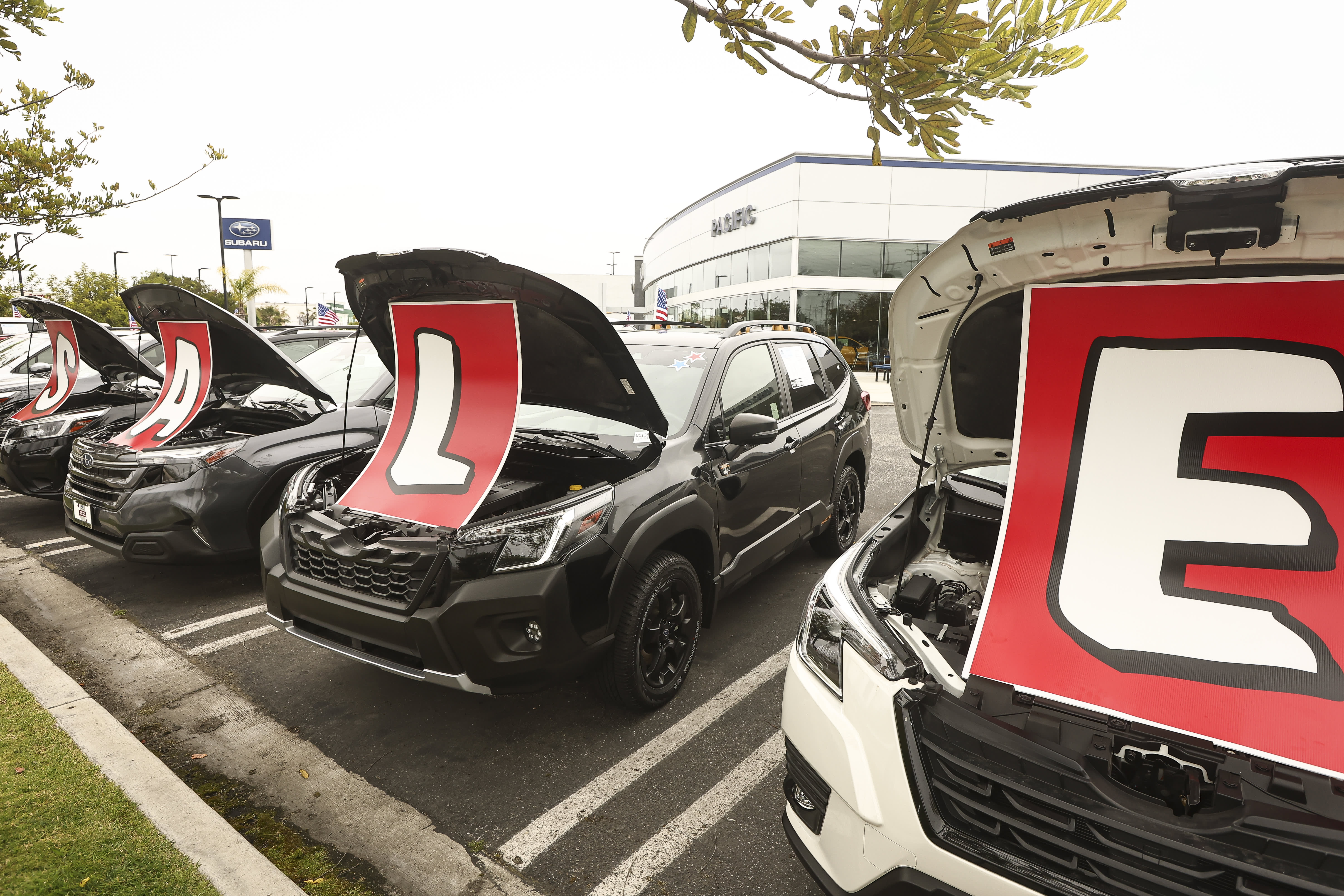
- Accelerated Sales in Lower Price Segments: Vehicles priced between $20,000-$29,999 are selling 20% faster than at the beginning of 2026, according to Edmunds data. This represents the most dramatic acceleration across all price categories, with mid-range vehicles ($30,000-$39,999) following closely at 18% faster sales.
- Inventory Challenges Persist: Despite the increased velocity of sales, affordable vehicles remain scarce. The average new car listing price stood at $49,726 in September, according to Cox Automotive, highlighting the disconnect between consumer demand and available inventory.
- Declining Sales in Key Affordable Segments: Compact car sales have dropped approximately 4% since January 2026, while compact SUVs have declined by nearly 8% during the same period, according to Cox Automotive.
- Supply Constraints Impacting Availability: The market is experiencing structural inventory challenges, particularly with the absence of two popular models: the Toyota RAV4 (undergoing production shifts) and the Ford Escape (discontinued for an upcoming EV pickup).
- Shift in Consumer Behavior: First-time buyers and those seeking supplemental vehicles are increasingly turning to the used market, with wholesale prices for compact cars rising more than nearly any other segment.
Deep Analysis
The automotive industry is currently navigating a perfect storm of economic pressures and structural changes that are fundamentally altering consumer purchasing behavior. The acceleration in sales velocity for lower-priced vehicles doesn't necessarily indicate a healthy market, but rather reflects consumers' desperate attempts to maintain mobility amid rising costs.
What's particularly telling is the paradoxical situation where affordable cars are selling faster yet overall sales in these segments are declining. This apparent contradiction can be explained by the severe inventory constraints affecting the most affordable vehicle categories. The compact car segment, once a mainstay of American automotive offerings, has been systematically dismantled over the past decade as manufacturers shifted focus to more profitable crossover SUVs with higher price points.
The industry's transition toward electric vehicles and higher-margin models has further exacerbated this trend. With American manufacturers completely abandoning the compact passenger sedan category, consumers are left with fewer options at the entry-level price point. This has created a vacuum that Japanese and Korean manufacturers have struggled to fill adequately.
Looking ahead, the automotive industry should prepare for continued market softening, particularly among budget-conscious consumers. The trend toward longer loan terms (with 84-month loans now reaching record highs) and increasing negative equity in trade-ins suggests that many buyers are stretching their finances to the breaking point. This unsustainable pattern cannot continue indefinitely, and automakers may need to reconsider their product strategies to address the growing affordability crisis.
Frequently Asked Questions
Why are budget cars selling faster despite overall sales declines? The apparent contradiction stems from severe inventory constraints in the most affordable segments. While remaining budget vehicles are moving quickly off dealer lots, there simply aren't enough of them to meet demand, leading to overall sales declines in these categories.
How are consumers adapting to rising car prices? Many buyers are stretching their finances with longer loan terms, with approximately one in four now taking out 84-month loans—a record. Others are turning to the used market or holding onto their current vehicles longer due to negative equity in trade-ins.
What does this trend mean for the future of the auto industry? The market is likely to continue softening, particularly among budget-conscious consumers. Automakers may need to reconsider their product strategies, potentially reintroducing more affordable options or adjusting production to better match current economic realities.
Source: https://www.cnbc.com/2026/10/30/cheap-cars-selling-fast.html
Related posts

South China Sea Tensions: China's Defense Ministry Responds to Philippine Actions
China's Defense Ministry urges Philippines to prevent small groups from provoking incidents in South China Sea, emphasizing commitment to regional peace and sovereignty.

North Korea Unveils New Stealth Drone at Major Aviation Exhibition
North Korea showcased a previously unseen stealth drone with a flying wing design at the 'Unmanned Aviation Technology Development-2026' exhibition. Explore the implications of this new military hardware.

Trump's Confrontation with Reuters Journalist Sparks Media Firestorm
Former President Trump's heated exchange with a Reuters reporter at military base raises questions about press freedom and political discourse.

Bridging US-China Divide: Need for New Generation of China-Savvy Americans
Former Chinese official calls for young Americans who truly understand China to mend bilateral relations amid growing tensions.

Chinese President Expresses Condolences Over Spain Train Accident
Xi Jinping sends condolences to Spanish King Felipe VI after deadly high-speed train collision in Toledo province.

The Blade Master: How an 80-Year-Old Ice Hockey Sharpener Became a Legend
Meet Ma Zhanru, the 80-year-old ice blade sharpener who has spent decades perfecting his craft, supporting champions, and finding purpose in the ice rink.
Restaurant Brands Reports Mixed Q3 Results as Burger King Leads Turnaround
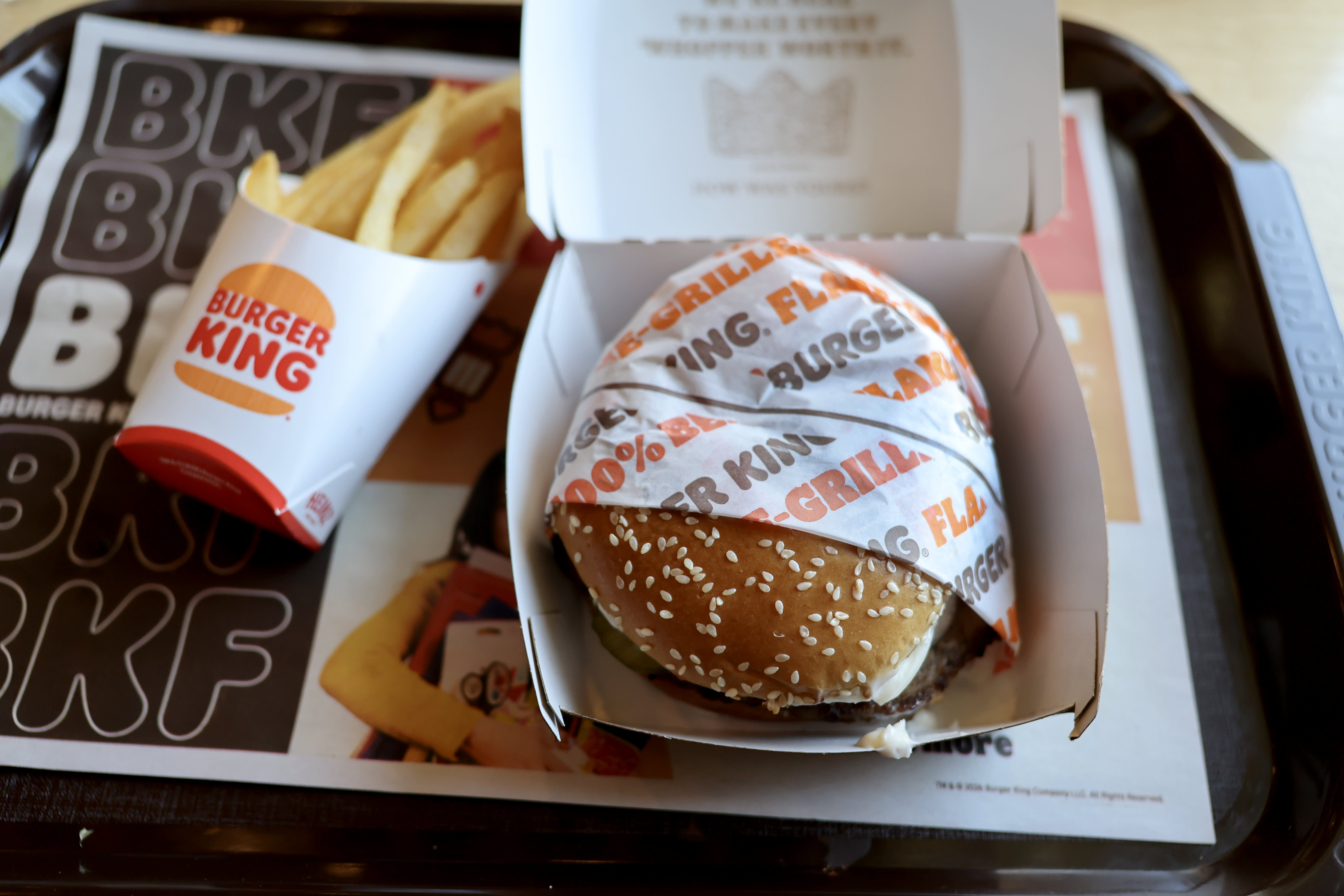
Restaurant Brands International shows mixed quarterly performance with Burger King's US success offsetting Popeyes' struggles. Same-store sales growth continues across the portfolio.
Eli Lilly Boosts Sales Outlook as Obesity Drugs Drive Growth
Eli Lilly raises 2026 revenue forecast to $91-92 billion as Zepbound and Mounjaro demand surges, despite mixed results for new obesity pill Foundayo.
Latest Articles
- US Economy Grows 3.4% Ahead Of Midterms: Inflation Woes Persist
- South Korea's Impeached President Yoon Suk Yeol Faces Death Penalty in Second Trial for Insurrection
- COP17 in Yerevan: Global Biodiversity Framework Review and Funding Gaps
- Bolsonaro Son Vows Opposition to Lula Government from Abroad, Thanks Trump and Milei
- FedEx Exceeds Q3 Earnings Expectations, Raises Full-Year Outlook
- Lula Criticizes Bolsonaro Son's Fleeing Brazil as 'Shameful' After Election Defeat