Trump's Confrontation with Reuters Journalist Sparks Media Firestorm
Former President Trump's heated exchange with a Reuters reporter at military base raises questions about press freedom and political discourse.
Source: thepaper.cn
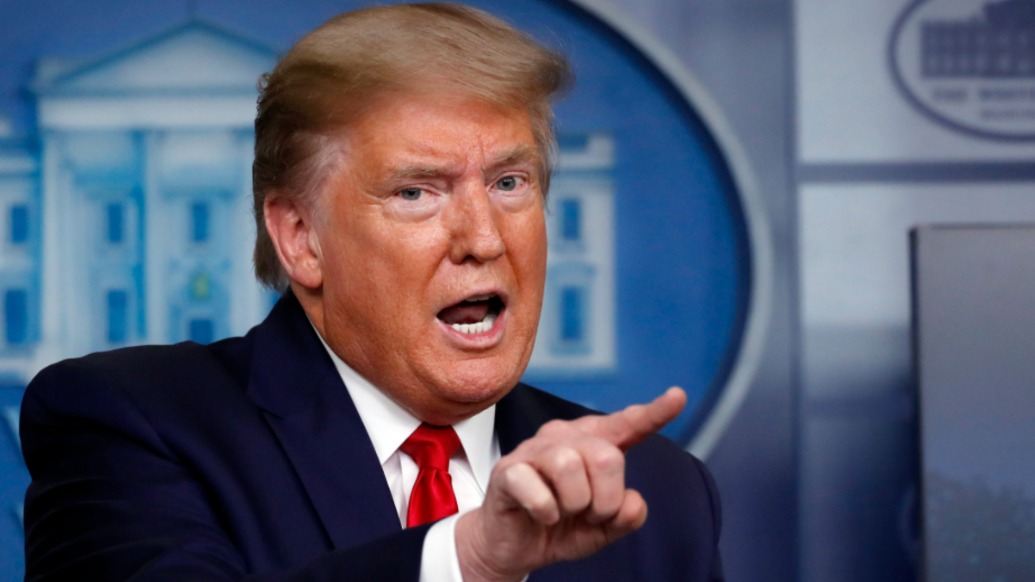
In an increasingly polarized media landscape, a recent confrontation between former President Donald Trump and a Reuters journalist has ignited fresh debate about the boundaries of political discourse and media relations. The incident occurred on October 29, 2026, as Trump returned to Washington after a campaign event in South Carolina, highlighting the ongoing tensions between political figures and the press that covers them.
Key Points
- The confrontation took place at Andrews Joint Base following Trump's campaign event in South Carolina, where a Reuters reporter inquired about his health during the busy midterm election period.
- Trump initially responded positively to the health question but became defensive when pressed further, ultimately telling the reporter "you're a sick person" and making derogatory comments about their appearance.
- When informed that the journalist worked for Reuters, Trump escalated the confrontation by declaring "Reuters is terrible," demonstrating his continued pattern of attacking established media outlets.
- The former president explained his absence from a Kansas campaign event by claiming the Republican candidate there was "doing very well," shifting focus from health concerns to political strategy.
- This incident follows a broader pattern of Trump's strained relationship with mainstream media, which he frequently labels as "fake news" while favoring more sympathetic outlets.
- The exchange occurred during a critical period in the midterm elections, with Trump actively campaigning for Republican candidates across the country.
- Military bases have increasingly become venues for political events, blurring the lines between official government functions and campaign activities.
- The incident was captured on video and quickly circulated on social media, amplifying its impact beyond traditional news coverage.
In-Depth Analysis
This confrontation between Trump and the Reuters journalist represents more than just a heated exchange—it underscores the deteriorating relationship between political figures and the press in contemporary America. The incident occurred at a military base, a traditionally neutral space that has increasingly become politicized in recent years. Trump's response to a routine health question reveals his continued sensitivity to questions about his physical condition, despite his public insistence that he is in excellent health.
The media landscape has transformed dramatically since Trump's presidency, with social media platforms allowing politicians to bypass traditional journalism and communicate directly with supporters. This has contributed to an environment where established media outlets like Reuters are increasingly viewed as adversaries by certain political figures. Trump's attack on the reporter and the Reuters organization reflects a broader strategy of delegitimizing media that provide critical coverage.
Looking ahead, such confrontations may become more frequent as the 2026 midterm elections approach. The incident highlights the challenges facing journalists who attempt to ask straightforward questions of polarizing figures. It also raises questions about the appropriate venues for political activities, particularly at military installations which are meant to be non-partisan spaces. As the media ecosystem continues to fragment, incidents like this may further deepen the divide between different segments of the population regarding what constitutes credible information.
Frequently Asked Questions
Why do political figures like Trump often have confrontations with journalists? Political confrontations with journalists often stem from a desire to control the narrative and avoid uncomfortable questions. For figures like Trump who have cultivated a direct relationship with their supporters through social media, traditional journalists asking probing questions may be seen as obstacles rather than conduits for their message.
What are the implications for press freedom when politicians attack journalists? When political figures attack journalists or media organizations, it can contribute to a climate where press freedom is eroded. Such attacks may embolden others to intimidate journalists and create a chilling effect, where reporters become more cautious in their questioning for fear of reprisal. This ultimately undermines the democratic function of a free press holding power accountable.
Source: https://www.thepaper.cn/newsDetail_forward_34369362
Related posts
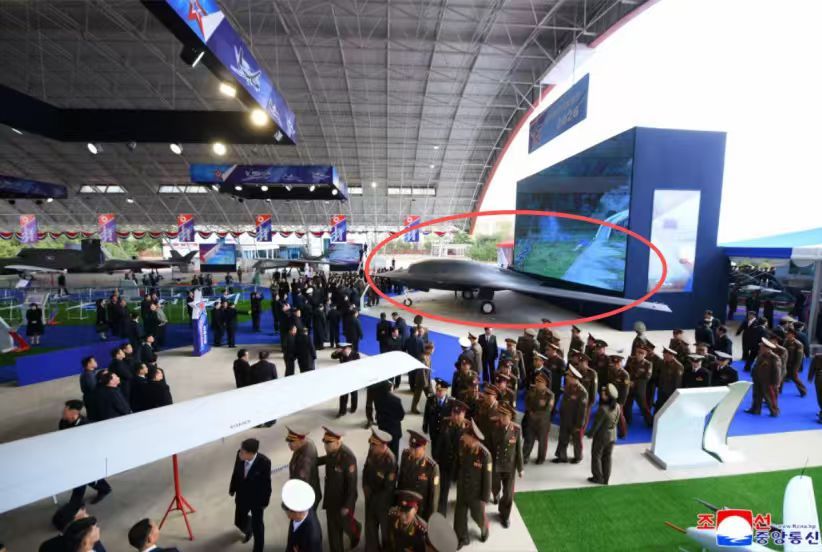
North Korea Unveils New Stealth Drone at Major Aviation Exhibition
North Korea showcased a previously unseen stealth drone with a flying wing design at the 'Unmanned Aviation Technology Development-2026' exhibition. Explore the implications of this new military hardware.
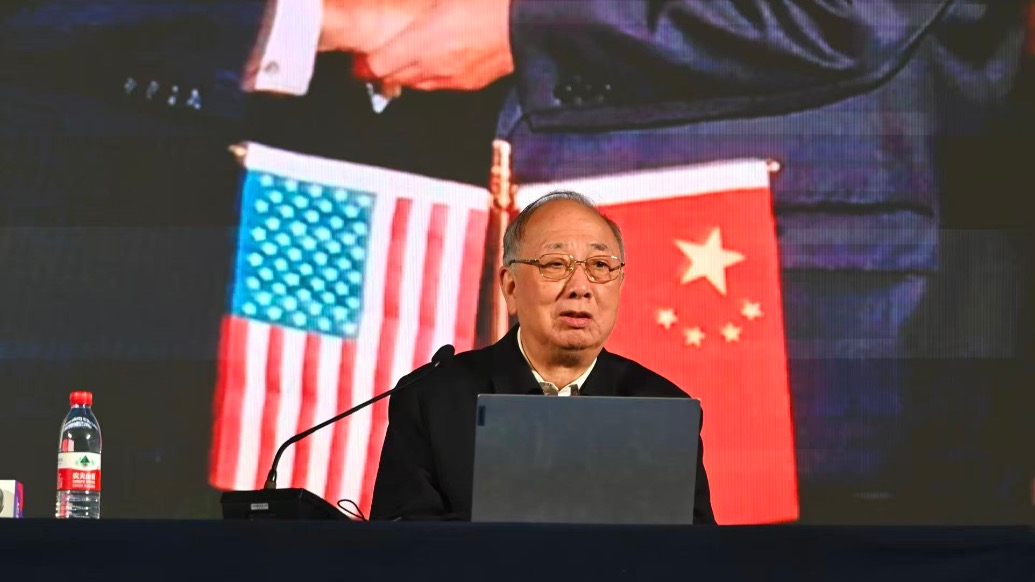
Bridging US-China Divide: Need for New Generation of China-Savvy Americans
Former Chinese official calls for young Americans who truly understand China to mend bilateral relations amid growing tensions.

Chinese President Expresses Condolences Over Spain Train Accident
Xi Jinping sends condolences to Spanish King Felipe VI after deadly high-speed train collision in Toledo province.
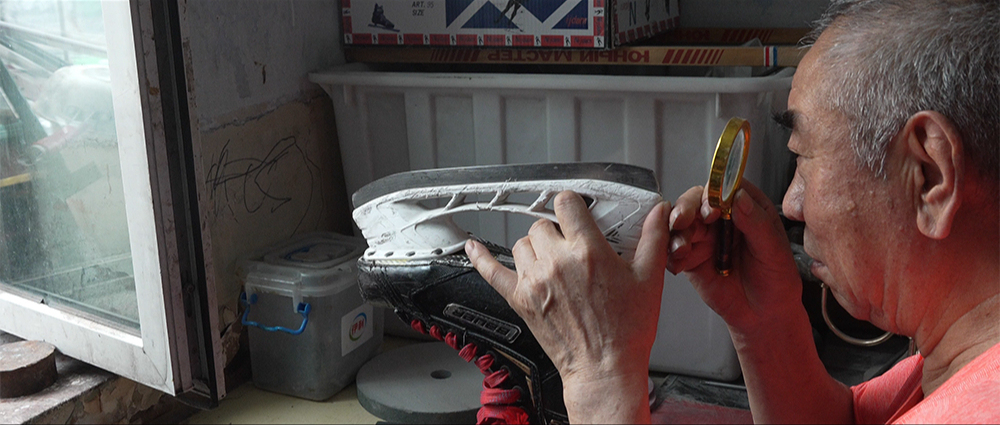
The Blade Master: How an 80-Year-Old Ice Hockey Sharpener Became a Legend
Meet Ma Zhanru, the 80-year-old ice blade sharpener who has spent decades perfecting his craft, supporting champions, and finding purpose in the ice rink.
Restaurant Brands Reports Mixed Q3 Results as Burger King Leads Turnaround
Restaurant Brands International shows mixed quarterly performance with Burger King's US success offsetting Popeyes' struggles. Same-store sales growth continues across the portfolio.
Eli Lilly Boosts Sales Outlook as Obesity Drugs Drive Growth
Eli Lilly raises 2026 revenue forecast to $91-92 billion as Zepbound and Mounjaro demand surges, despite mixed results for new obesity pill Foundayo.
US Economy Grows 3.4% Ahead Of Midterms: Inflation Woes Persist
US GDP grew 3.4% in Q3, driven by AI and consumer spending, but inflation and high costs remain key voter concerns.
South China Sea Tensions: China's Defense Ministry Responds to Philippine Actions
China's Defense Ministry urges Philippines to prevent small groups from provoking incidents in South China Sea, emphasizing commitment to regional peace and sovereignty.
Latest Articles
- South Korea's Impeached President Yoon Suk Yeol Faces Death Penalty in Second Trial for Insurrection
- COP17 in Yerevan: Global Biodiversity Framework Review and Funding Gaps
- Bolsonaro Son Vows Opposition to Lula Government from Abroad, Thanks Trump and Milei
- FedEx Exceeds Q3 Earnings Expectations, Raises Full-Year Outlook
- Lula Criticizes Bolsonaro Son's Fleeing Brazil as 'Shameful' After Election Defeat
- China's Reduced Presence at ASEAN Defense Ministers' Meeting: A Sign of Deteriorating Sino-Philippine Relations