US Economy Grows 3.4% Ahead Of Midterms: Inflation Woes Persist
US GDP grew 3.4% in Q3, driven by AI and consumer spending, but inflation and high costs remain key voter concerns.
Source: NPR
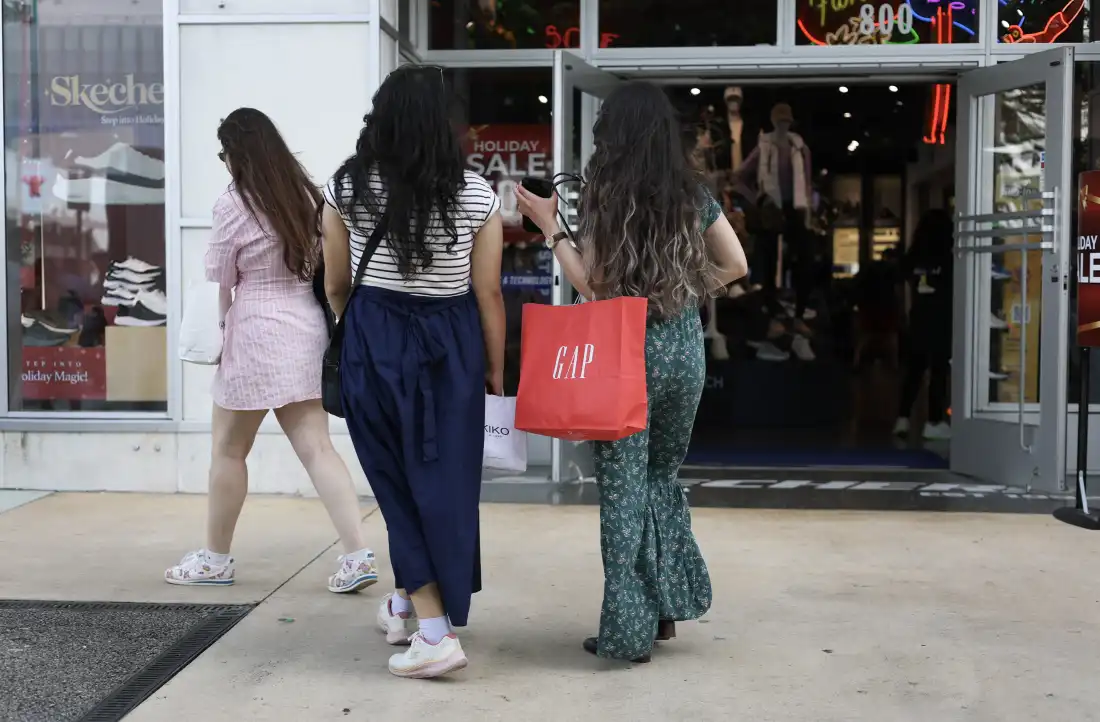
As the November midterm elections approach, the contrast between the nation's economic health and the daily financial struggles of its citizens has never been starker. While the U.S. government reports a robust expansion, millions of Americans are feeling the squeeze of persistently high prices and stagnant wages. This disconnect creates a volatile environment for voters who must weigh macroeconomic data against their personal financial realities.
Key Takeaways
- Robust GDP Growth: The U.S. economy expanded at an annual rate of 3.4% in the third quarter, outpacing the 2.2% growth seen in the previous quarter.
- AI Investment Surge: A significant driver of this growth is the massive capital expenditure by AI companies building out data centers and infrastructure.
- Uneven Consumer Spending: While spending is up, the benefits are not evenly distributed, with lower-income households facing the brunt of inflation.
- Wage-Inflation Gap: Real wages have not kept pace with rising prices, forcing many families to cut back on non-essential expenses.
- Sticky Inflation: The Personal Consumption Expenditures (PCE) price index rose 3.6% year-over-year, exceeding the Federal Reserve's 2% target.
- Fed Rate Decision: The Federal Reserve held interest rates steady, signaling a wait-and-see approach despite the higher inflation data.
- Fiscal Fragility: Economists warn that the growth, while solid, is fragile due to the cumulative effects of tariffs and geopolitical conflicts like the Iran situation.
In-Depth Analysis
The latest Gross Domestic Product (GDP) report reveals a fascinating dichotomy within the American economy. On one hand, we see a technological renaissance fueled by artificial intelligence. The third-quarter growth, which accelerated to 3.4%, is heavily reliant on the aggressive investment strategies of tech giants. As these companies pour billions into data centers and AI infrastructure, they are injecting liquidity into the market and creating high-skilled jobs. This sectoral boom provides a strong foundation for economic expansion.
However, this macro-level success masks a micro-level crisis for the average worker. The primary driver of consumption—consumer spending—remains resilient, but it is increasingly propped up by higher-income demographics who have the disposable income to weather the storm. For the lower and middle classes, the narrative is one of austerity. The Federal Reserve's preferred inflation gauge, the Personal Consumption Expenditures price index, climbed to 3.6%, significantly outpacing the central bank's 2% target. This means that for every dollar earned, more is disappearing into the cost of groceries, energy, and housing.
The disconnect is further exacerbated by the wage-inflation gap. While corporate profits soar, wage growth has failed to outpace inflation, effectively eroding purchasing power. This creates a precarious situation for policymakers. The Federal Reserve's decision to hold interest rates steady, despite the hotter-than-expected inflation data, highlights the difficulty of the balancing act. Raising rates could stifle the AI-driven growth, while keeping them low risks further fueling inflation.
Ultimately, the economic outlook feels delicate. As noted by economists, the economy is moving forward but is described as "very, very fragile." The lingering effects of trade policies and geopolitical instability add layers of uncertainty to an already complex picture. As voters head to the polls, they must decide whether to trust the headline numbers or the reality on their grocery receipts.
Frequently Asked Questions
Why is the economy growing if Americans are struggling financially?
Economic growth is driven by investment and spending, but these can be uneven. High-income households and corporate sectors (like AI) are spending heavily, while lower-income households are forced to cut back due to inflation, leading to a disconnect between macro growth and individual financial stress.
How does inflation affect the Federal Reserve's decision on interest rates?
The Federal Reserve aims for 2% inflation. Since the current rate is 3.6%, which is above this target, there is pressure to raise rates to cool down the economy. However, raising rates too quickly could stifle the recent growth, leading to a cautious "hold" decision for now.
What are the main factors driving the recent GDP growth?
The primary drivers are strong consumer spending and significant investments in Artificial Intelligence infrastructure, including data center construction and technology development.
Source: https://www.npr.org/2026/10/29/nx-s1-6021008/economy-gdp-inflation-midterms-voters-affordability
Related posts

Eli Lilly Boosts Sales Outlook as Obesity Drugs Drive Growth
Eli Lilly raises 2026 revenue forecast to $91-92 billion as Zepbound and Mounjaro demand surges, despite mixed results for new obesity pill Foundayo.
Restaurant Brands Reports Mixed Q3 Results as Burger King Leads Turnaround
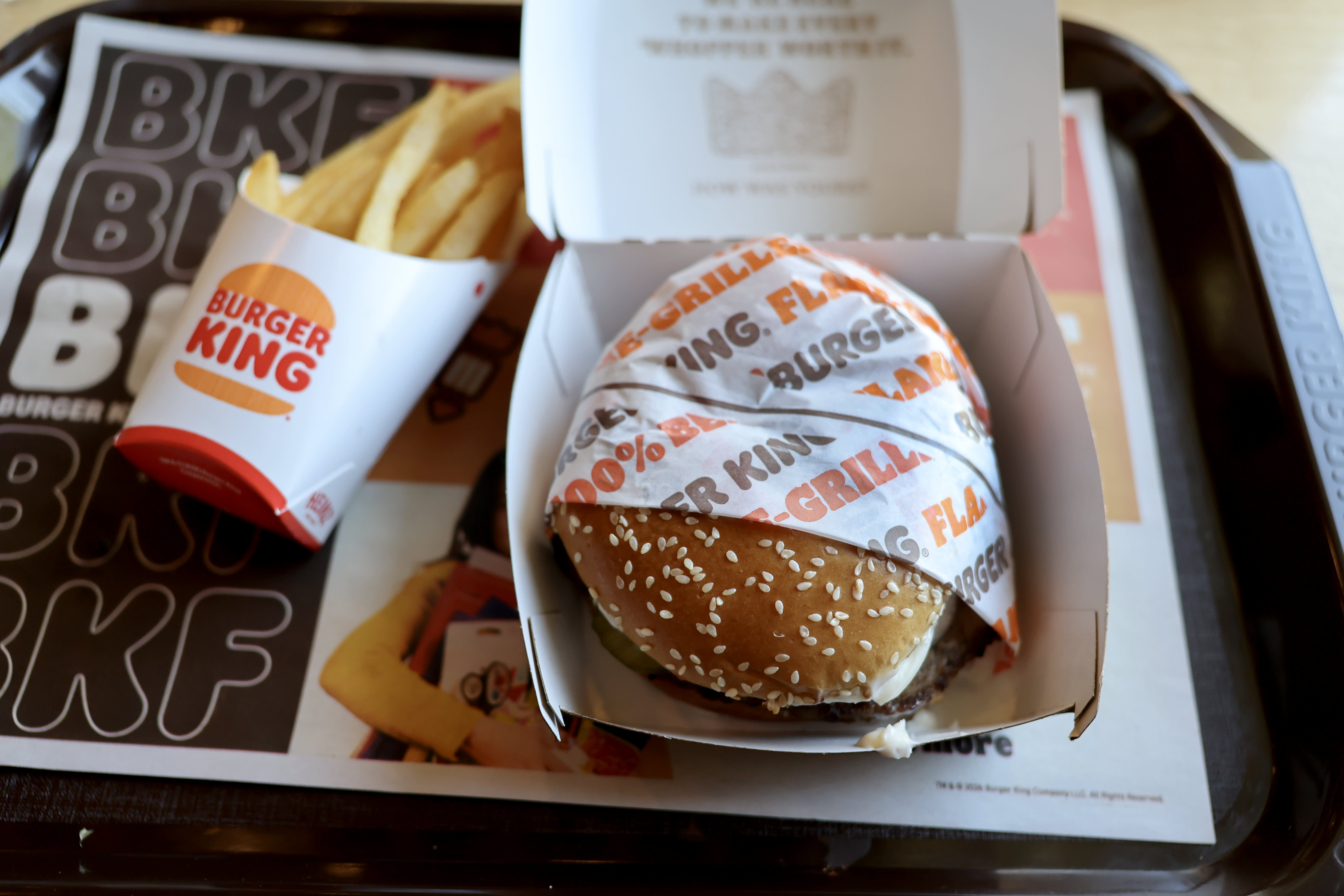
Restaurant Brands International shows mixed quarterly performance with Burger King's US success offsetting Popeyes' struggles. Same-store sales growth continues across the portfolio.

Chinese President Expresses Condolences Over Spain Train Accident
Xi Jinping sends condolences to Spanish King Felipe VI after deadly high-speed train collision in Toledo province.

South China Sea Tensions: China's Defense Ministry Responds to Philippine Actions
China's Defense Ministry urges Philippines to prevent small groups from provoking incidents in South China Sea, emphasizing commitment to regional peace and sovereignty.

South Korea's Impeached President Yoon Suk Yeol Faces Death Penalty in Second Trial for Insurrection
Special prosecutors seek the death penalty for former President Yoon Suk Yeol, citing a grave violation of constitutional order. Read the full analysis of this historic case.

COP17 in Yerevan: Global Biodiversity Framework Review and Funding Gaps
UN Biodiversity Conference reaches critical stage; 14 resolutions passed but funding and enforcement remain major hurdles.

Bolsonaro Son Vows Opposition to Lula Government from Abroad, Thanks Trump and Milei
Flavio Bolsonaro, defeated Brazilian presidential candidate, declares leadership from exile while thanking foreign allies amid political turmoil.
FedEx Exceeds Q3 Earnings Expectations, Raises Full-Year Outlook
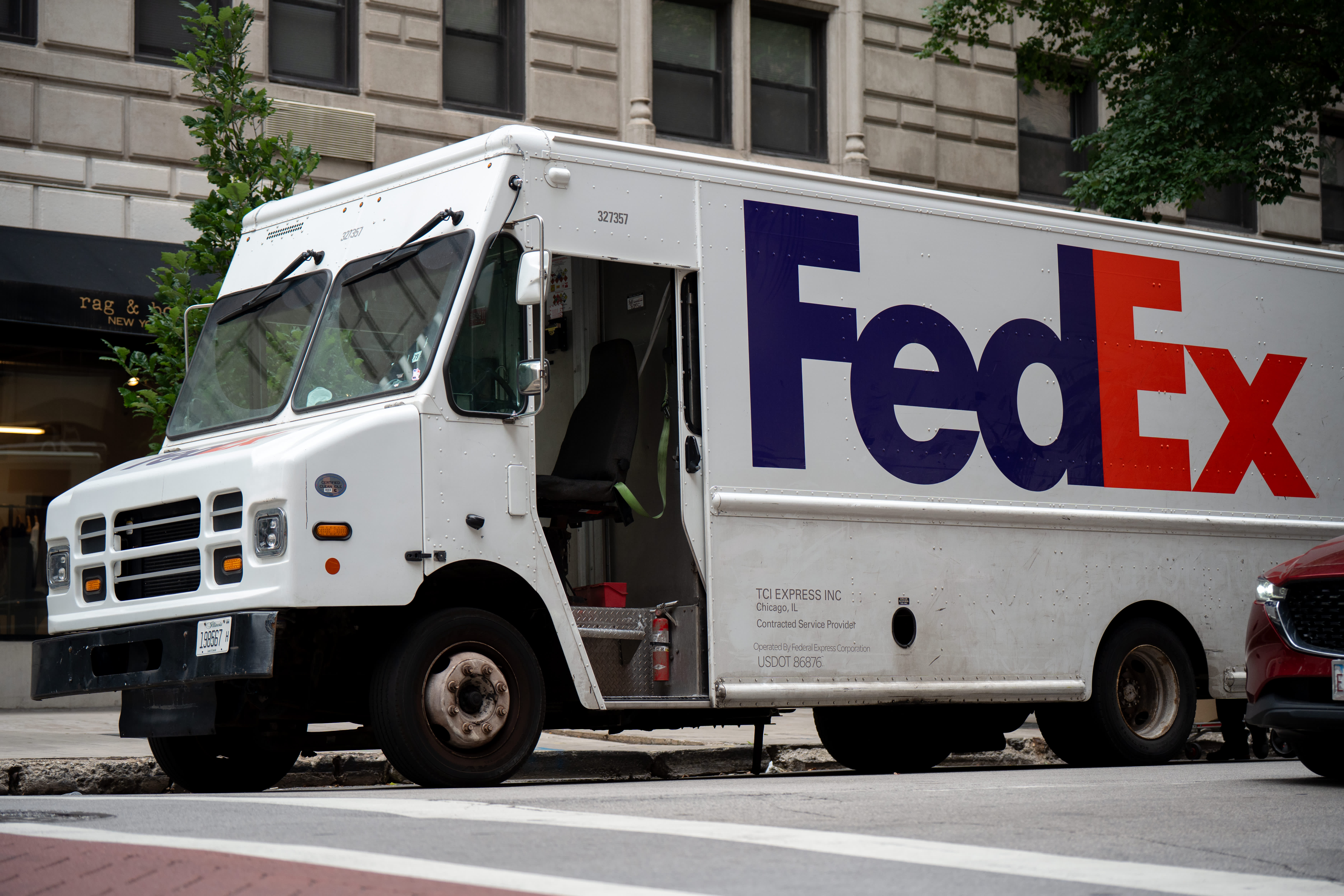
FedEx reports stronger-than-expected quarterly results and boosts annual guidance following fiscal year realignment and FedEx Freight spinoff.
Latest Articles
- Lula Criticizes Bolsonaro Son's Fleeing Brazil as 'Shameful' After Election Defeat
- China's Reduced Presence at ASEAN Defense Ministers' Meeting: A Sign of Deteriorating Sino-Philippine Relations
- China Car Exports Surge Amidst Domestic Sales Slump
- US Military Costs Against Iran Top $4.7 Billion, Damages Unaccounted For
- Real Madrid Mbappe Controversy: AI-Generated Statement Debunked
- US Signals Potential Intense Military Action Against Iran After Midterm Elections