China Car Exports Surge Amidst Domestic Sales Slump
Why Chinese automakers are aggressively expanding overseas despite a 22% drop in domestic car sales driven by economic uncertainty.
Source: CNBC
The once-thriving automotive market in China is facing a severe downturn, creating a paradoxical scenario where domestic demand is collapsing while export ambitions are soaring. This shift is driven by a combination of economic headwinds at home and fierce competition abroad. As consumer confidence wanes due to job instability and property market declines, Chinese automakers are increasingly looking to international markets to sustain their growth, leading to a dramatic reorientation of the country's industrial strategy.
Key Takeaways
- Domestic Sales Plunge: Chinese passenger car retail sales are projected to fall 22% in 2026, the lowest level since the onset of the pandemic.
- Consumer Caution: A sluggish job market and falling property prices have made consumers hesitant to make big-ticket purchases, leading to a decline in impulse buying.
- EV Market Correction: Even the once-bright electric vehicle sector is experiencing a decline, with new-energy vehicle sales dropping by 12.8% year-over-year.
- Price Wars and Margins: Intense domestic competition has eroded profit margins, forcing dealerships to cut costs and rethink discount strategies.
- Overseas Expansion: To survive, major Chinese automakers are aggressively pursuing global export markets, fearing that domestic saturation will lead to trade barriers.
- Government Incentives Cut: The government has scaled back cash-for-clunkers subsidies and tax breaks, further dampening domestic demand.
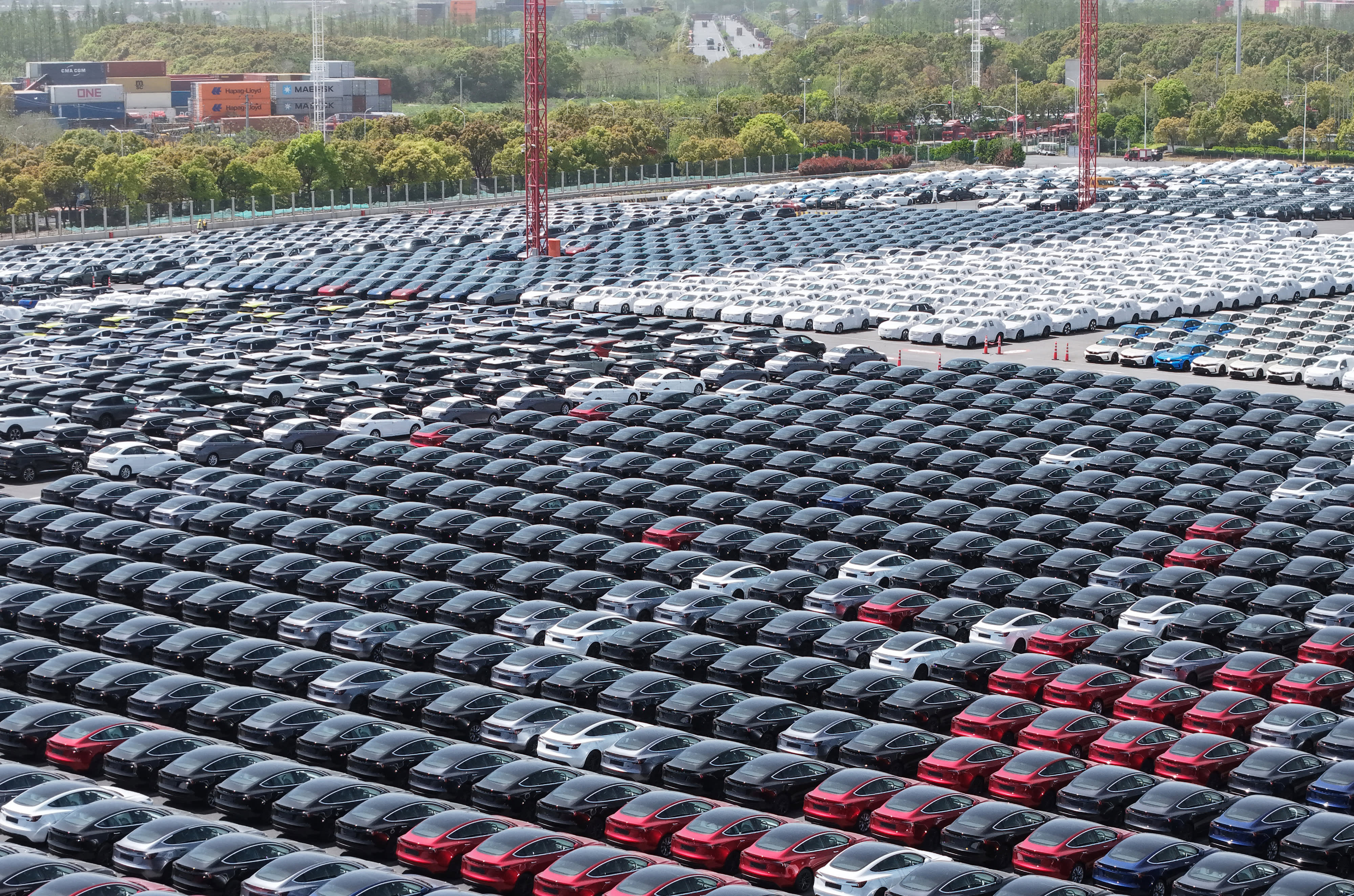
- Inventory Buildup: Dealerships are struggling with unsold inventory, leading to empty showrooms and a shift in retail strategies.
In-Depth Analysis
The current automotive crisis in China is a symptom of broader economic fragility. The traditional "golden September and silver October" sales season, which usually drives the bulk of annual vehicle sales, has failed to materialize. Dealers in Beijing report a dramatic drop in foot traffic, with salespeople like Li Ke seeing only two to three deals a week compared to daily signings in previous years. This shift is not merely seasonal; it reflects a fundamental change in consumer psychology. With job security becoming a primary concern, Chinese buyers are prioritizing practicality and long-term value over new features, leading to a prolonged replacement cycle.
The decline is particularly painful for the electric vehicle (EV) sector, which was expected to lead the transition away from gasoline cars. However, the rapid expansion of the EV market has led to market saturation and bruising price wars. Manufacturers are forced to lower prices to maintain market share, which squeezes profit margins to dangerous levels. According to the China Passenger Car Association, domestic passenger car retail sales are set to hit 18.5 million units for the full year 2026, a staggering 22% decrease from the previous year.
This domestic stagnation is pushing Chinese automakers to look beyond their borders. The Chinese government is actively supporting this push, fearing that a domestic glut will eventually lead to protectionist trade barriers from the United States and Europe. By securing foreign markets now, Beijing aims to create a buffer against potential import tariffs. However, this strategy comes with risks, as it could lead to trade disputes and anti-dumping investigations. The auto manufacturing industry's profit margins have already shrunk by 22.8% in the first nine months of the year, signaling that the cost of this aggressive expansion is becoming unsustainable.
Frequently Asked Questions
Why are Chinese car sales plummeting in 2026?
The primary drivers are economic uncertainty, including a volatile job market and a continuing slide in property prices, which have severely eroded consumer confidence and led to a preference for saving money over spending on big-ticket items like cars.
Are electric vehicles still growing in China?
No. Despite being a key focus for the transition away from gasoline cars, the new-energy vehicle sector is also seeing a decline, with sales dropping by 12.8% from January through September due to market saturation and aggressive price competition.
How is the Chinese government responding to the auto market slump?
The government has scaled back incentives such as cash-for-clunkers subsidies and tax breaks for electric vehicles. Simultaneously, they are encouraging automakers to aggressively export vehicles to international markets to absorb domestic excess inventory and prevent trade barriers abroad.
Source: https://www.cnbc.com/2026/10/28/china-car-exports.html
Related posts
US Military Costs Against Iran Top $4.7 Billion, Damages Unaccounted For
US spending on operations against Iran exceeds $4.7B, excluding critical base repair costs. Analysis of the escalating military expenses and regional impact.
Real Madrid Mbappe Controversy: AI-Generated Statement Debunked
Investigation confirms the viral Real Madrid apology screenshot was AI-generated. Here is the truth behind the Mbappe controversy and the official responses.
US Signals Potential Intense Military Action Against Iran After Midterm Elections
Reports indicate US has informed Gulf nations of possible brief but fierce military operation against Iran following midterm elections, with significant military deployments already underway.

China's Reduced Presence at ASEAN Defense Ministers' Meeting: A Sign of Deteriorating Sino-Philippine Relations
An analysis of China's decision to downgrade its participation in the ASEAN Defense Ministers' Meeting, highlighting the escalating tensions between China and the Philippines.
Boeing 737 Max Production Delayed Until Late 2027
Boeing targets 52 planes per month by late 2027 as it stabilizes wing production and focuses on safety over speed.
Honda warns 50% Canada auto tariffs would be catastrophic for industry
Honda warns 50% Canada auto tariffs would be catastrophic for industry

AI Risk and Global Governance: The 20% Probability Dilemma
Navigating the existential risks of Artificial Intelligence requires international cooperation. Experts warn that without binding rules, the potential for catastrophic consequences is too high to ignore.

Democratic Republic of Congo Ebola Cases Surpass 10,000 Amid Largest Outbreak in History
The Democratic Republic of Congo faces its worst Ebola outbreak on record with over 10,000 confirmed cases and nearly 5,000 deaths, raising global health concerns.
Latest Articles
- Coca-Cola Raises Full-Year Outlook Despite North America Demand Weakness
- Serbia Election 2026: Student-led Coalition Wins Majority with 52.7% Vote Share
- Record High Child Casualties in Conflict: UN Warns of New Era of Crisis
- FTC Sues Dollar General: Overcharging Shoppers Billions
- JetBlue 3Q 2026 Loss: Fuel Costs Rise 61% Despite Strong Travel Demand
- Anthropic IPO: The $1.5 Trillion AI Giant's Historic Stock Market Debut