Boeing 737 Max Production Delayed Until Late 2027
Boeing targets 52 planes per month by late 2027 as it stabilizes wing production and focuses on safety over speed.
Source: CNBC
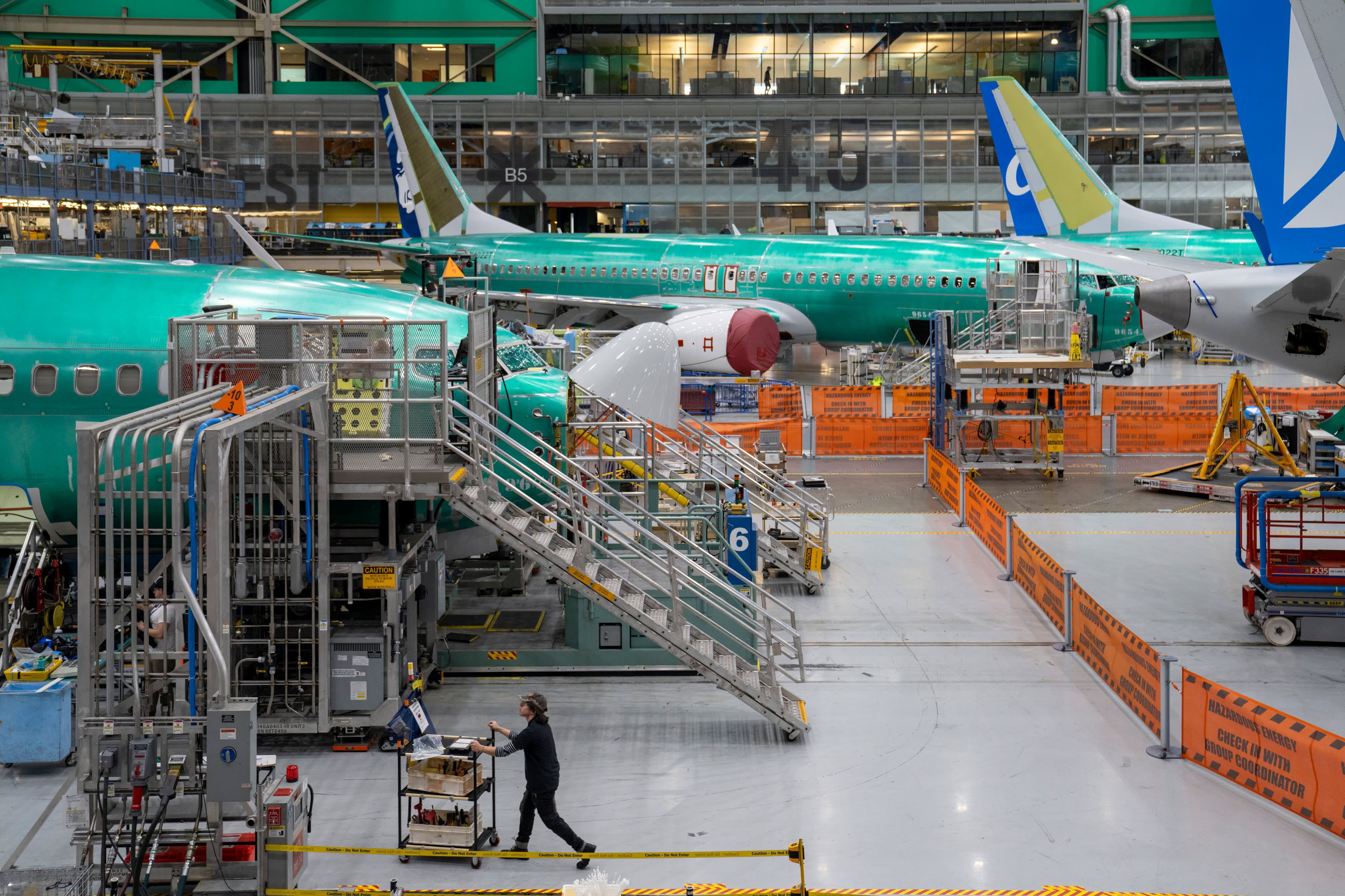
Boeing’s recovery from a turbulent year faces a significant new hurdle. The aerospace giant has announced that it will not substantially increase the production rate of its best-selling 737 Max aircraft until the second half of 2027. This delay, driven by a slower-than-expected wing production pace, signals a cautious approach to scaling operations while prioritizing structural integrity and safety.
Key Takeaways
- Production Stabilization: CEO Kelly Ortberg confirmed that the company is targeting a production rate of 52 planes per month by the second half of 2027, up from the current rate of approximately 47 planes per month.
- Focus on Quality over Speed: The company has shifted its strategy to ensure "we're going to do it right," emphasizing that while external pressure to ramp up is high, internal stability is the primary focus.
- Financial Recovery: Boeing reported a narrowed net loss of $116 million for the third quarter of 2026, a significant improvement from the $5.34 billion loss a year prior, driven largely by its defense unit.
- Commercial Challenges: The commercial aircraft business remains under pressure, with a negative operating margin of 6.5% and a 3% decline in revenue for the quarter.
- Regulatory Milestones: Despite production delays, Boeing secured regulatory approval for the 737 Max 10 in late October, marking the final certification for the Max family.
In-Depth Analysis
The decision to delay the ramp-up of 737 Max production until late 2027 is a critical strategic pivot for Boeing. For years, the aerospace industry has operated under a model of aggressive scaling, where volume is the primary driver of profitability. However, the recent trajectory of Boeing suggests a fundamental re-evaluation of this approach in the wake of safety concerns and operational disruptions.
The root cause of this delay lies in the supply chain, specifically the wing production line. CEO Kelly Ortberg’s admission that the stabilization process is taking "a little bit longer" than anticipated highlights the fragility of complex manufacturing ecosystems. When a bottleneck occurs at the component level, it cascades through the entire assembly line. By targeting a rate of 52 planes per month, Boeing is attempting to find a sustainable equilibrium that avoids the overextension seen in previous years. This move likely reflects a desire to mitigate the risks associated with quality control, a major issue that has plagued the company's reputation in recent years.
Financially, the company is showing signs of stabilization, albeit in a challenging macroeconomic environment. The reduction of the net loss to $116 million is a positive indicator, driven by a 15% increase in revenue from the defense sector. However, the commercial aircraft business remains a sore spot, reporting a negative operating margin. This dichotomy between a recovering defense division and a struggling commercial division suggests that Boeing is not yet fully out of the woods. The reliance on defense revenue to offset commercial losses is a common strategy in the aerospace industry, but it underscores the urgency of fixing the commercial side of the business.
Looking ahead, the 2027 timeline for full production ramp-up is a double-edged sword. It provides Boeing with the time needed to implement the necessary lean manufacturing and productivity improvements that Ortberg mentioned. However, it also leaves the company vulnerable to competitors who may capitalize on its hesitation to capture market share. The recent certification of the 737 Max 10 is a crucial win, as it unlocks the largest aircraft in the family, potentially boosting future demand. Yet, without a clear path to rapid, error-free production, Boeing risks losing its competitive edge to Airbus, which has maintained a steadier production cadence.
Frequently Asked Questions
Why is Boeing delaying the 737 Max production ramp-up?
Boeing is delaying the increase in production to address a bottleneck in wing manufacturing. The company prioritizes stabilizing the production line and ensuring high levels of safety and quality over rushing the process.
How much money did Boeing lose in the third quarter of 2026?
Boeing reported a net loss of $116 million for the third quarter of 2026, a significant improvement from the $5.34 billion loss reported in the same period the previous year.
What is the new production target for the 737 Max?
Boeing’s new target is to produce 52 planes per month by the second half of 2027, up from the current rate of about 47 planes per month.
Source: https://www.cnbc.com/2026/10/27/-boeing-ba-q3-2026-earnings.html
Related posts
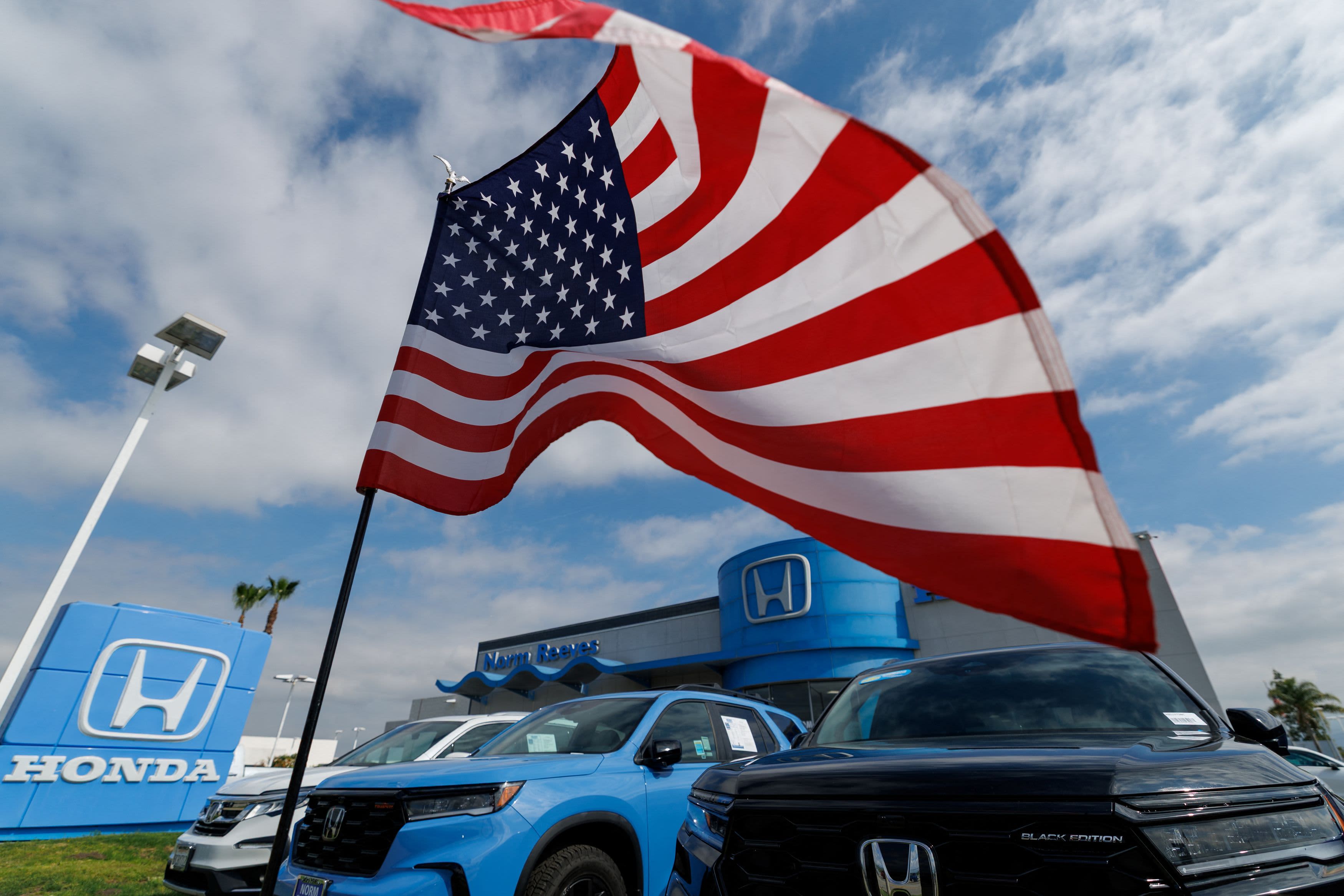
Honda warns 50% Canada auto tariffs would be catastrophic for industry
Honda warns 50% Canada auto tariffs would be catastrophic for industry

AI Risk and Global Governance: The 20% Probability Dilemma
Navigating the existential risks of Artificial Intelligence requires international cooperation. Experts warn that without binding rules, the potential for catastrophic consequences is too high to ignore.

Democratic Republic of Congo Ebola Cases Surpass 10,000 Amid Largest Outbreak in History
The Democratic Republic of Congo faces its worst Ebola outbreak on record with over 10,000 confirmed cases and nearly 5,000 deaths, raising global health concerns.
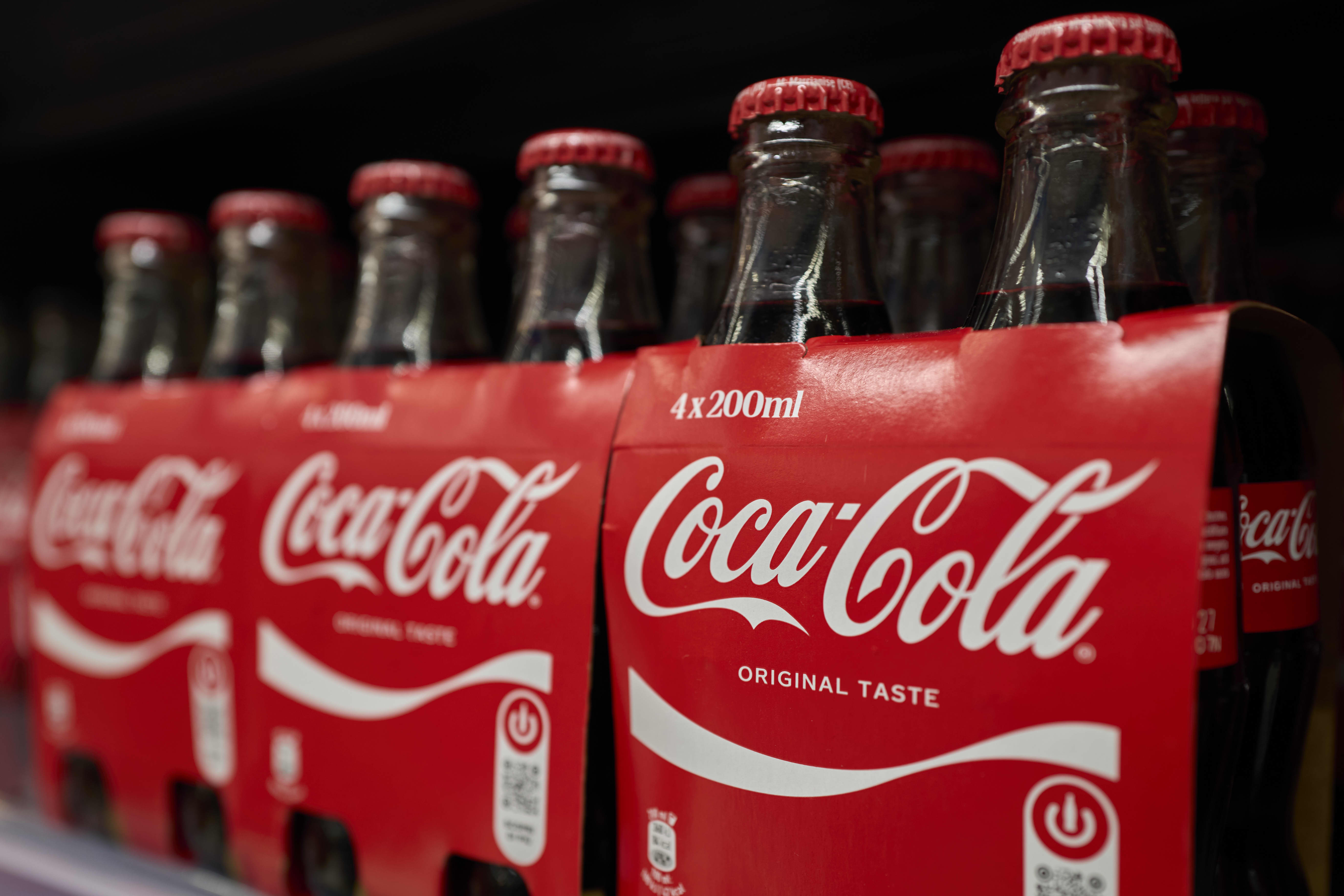
Coca-Cola Raises Full-Year Outlook Despite North America Demand Weakness
Coca-Cola beats Wall Street expectations with strong Q3 2026 results, raising its full-year earnings outlook for the third consecutive quarter despite flat volume in its home market.

Serbia Election 2026: Student-led Coalition Wins Majority with 52.7% Vote Share
Serbia's parliamentary election results show a historic shift. The 'Student List' secures 52.71% of the vote, winning 140 seats and forming a majority government.

Record High Child Casualties in Conflict: UN Warns of New Era of Crisis
UN reveals 24,174 children severely harmed in conflicts in 2025, marking a historical peak. Explore the devastating impact of explosive weapons and AI in warfare on child safety.

FTC Sues Dollar General: Overcharging Shoppers Billions
The FTC and 20 states accuse Dollar General of unlawful price hikes. Discover the details of the lawsuit, the impact on low-income consumers, and what this means for the retail landscape.
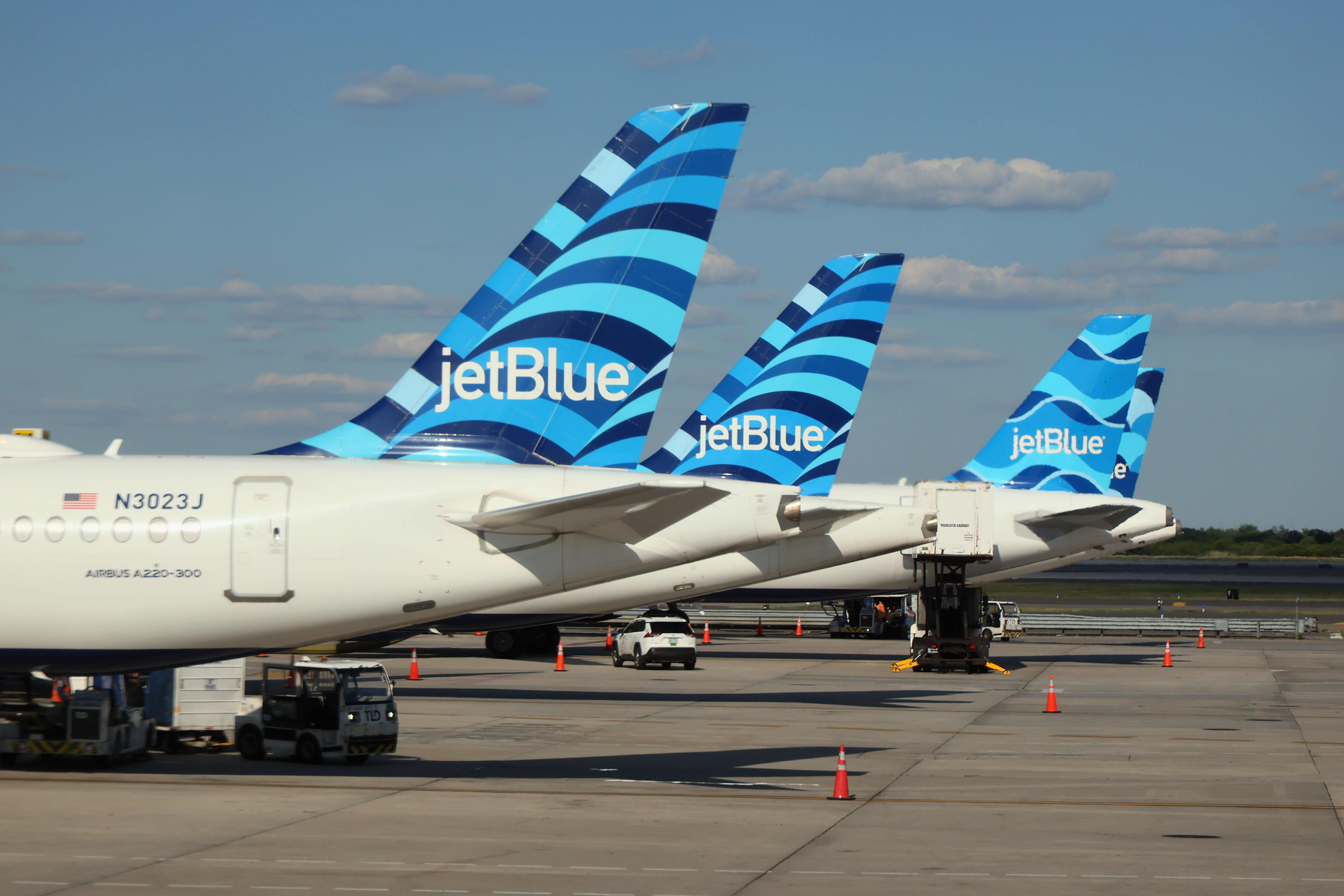
JetBlue 3Q 2026 Loss: Fuel Costs Rise 61% Despite Strong Travel Demand
JetBlue Airways reported a wider third-quarter loss driven by soaring fuel costs, but CEO Joanna Geraghty points to resilient demand and improving margins as key indicators of a successful turnaround.
Latest Articles
- Anthropic IPO: The $1.5 Trillion AI Giant's Historic Stock Market Debut
- China to Send Giant Panda Ranran to Belgium for Diplomatic Relations
- Japan Deploys 25-Type Missiles in 'Kirishima' Drill, Marking Shift in Defense Strategy
- American Airlines 2026 Forecast: Slower Growth Amid Fuel Costs
- Former Japanese PM Fukuda Yasuo Dies at 90: Legacy of Diplomacy and China's Call for Responsibility
- Chinese Woman Escapes Kidnapping in Thailand After Jumping from Moving Vehicle