Democratic Republic of Congo Ebola Cases Surpass 10,000 Amid Largest Outbreak in History
The Democratic Republic of Congo faces its worst Ebola outbreak on record with over 10,000 confirmed cases and nearly 5,000 deaths, raising global health concerns.
Source: thepaper.cn
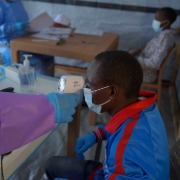
The Democratic Republic of Congo is grappling with what has become the second-largest Ebola outbreak in recorded history, with health authorities reporting more than 10,000 confirmed cases as of October 25, 2026. This unprecedented health crisis has already claimed 4,887 lives, representing a staggering fatality rate of approximately 48.6%. The World Health Organization (WHO) has classified this outbreak as a global health emergency, highlighting the urgent need for international cooperation and resources to contain the spread of this deadly virus.
Key Facts
- Scale of the Outbreak: As of October 25, 2026, the Democratic Republic of Congo has reported 10,060 confirmed cases of Ebola, making this the second-largest Ebola outbreak in history. The high mortality rate of 48.6% underscores the severity of the situation.
- Geographic Spread: The outbreak has affected 8 out of the country's 26 provinces, demonstrating the rapid and widespread nature of the virus transmission across different regions.
- Viral Strain: This outbreak is caused by the Bundibugyo ebolavirus strain, for which there are currently no approved vaccines or specific treatments available, complicating containment efforts.
- Timeline: The Democratic Republic of Congo officially declared the Ebola outbreak on May 15, 2026, and the situation has progressively worsened over the past five months.
- Regional Impact: The outbreak has transcended national borders, affecting neighboring countries in Central Africa (including Uganda and Kenya) and extending to West Africa (including Nigeria), creating a complex regional health crisis.
In-depth Analysis
The current Ebola outbreak in the Democratic Republic of Congo represents a critical challenge to global health security and highlights systemic vulnerabilities in pandemic preparedness. The Bundibugyo strain, while less virulent than the Zaire strain responsible for the 2014-2016 West African outbreak, presents unique challenges due to the absence of approved countermeasures. This situation underscores the urgent need for accelerated vaccine development and therapeutic research for less common Ebola strains.
The outbreak's progression reflects broader issues in healthcare infrastructure, particularly in regions with limited resources and existing conflict zones. The Democratic Republic of Congo's complex security situation has hampered the deployment of medical teams and implementation of containment measures, allowing the virus to spread more rapidly than in previous outbreaks. The international community's response has been criticized as insufficient, with many experts calling for increased funding and coordinated efforts to prevent a larger catastrophe.
Looking ahead, the trajectory of this outbreak will likely depend on several critical factors: the effectiveness of containment measures, the speed of vaccine development for the Bundibugyo strain, and the ability to address underlying healthcare system weaknesses. If not properly addressed, this outbreak could potentially evolve into a more widespread public health emergency with significant regional and global implications.
Frequently Asked Questions
What makes this Ebola outbreak particularly concerning? This outbreak is concerning due to its unprecedented scale, the lack of approved vaccines or treatments for the specific Bundibugyo strain involved, and its rapid spread across multiple provinces and neighboring countries.
How does this outbreak compare to previous Ebola epidemics? While not as large as the 2014-2016 West African outbreak, this is the second-largest Ebola outbreak in recorded history. Its unique characteristics include the Bundibugyo strain and the complex challenges of containment in the Democratic Republic of Congo's security environment.
What measures are being taken to control the outbreak? Health authorities are implementing contact tracing, isolation of infected individuals, and public health education campaigns. International organizations are working to develop countermeasures for the Bundibugyo strain, though these efforts face significant challenges due to the strain's novelty.
Source: https://www.thepaper.cn/newsDetail_forward_34342943
Related posts

Serbia Election 2026: Student-led Coalition Wins Majority with 52.7% Vote Share
Serbia's parliamentary election results show a historic shift. The 'Student List' secures 52.71% of the vote, winning 140 seats and forming a majority government.
Record High Child Casualties in Conflict: UN Warns of New Era of Crisis
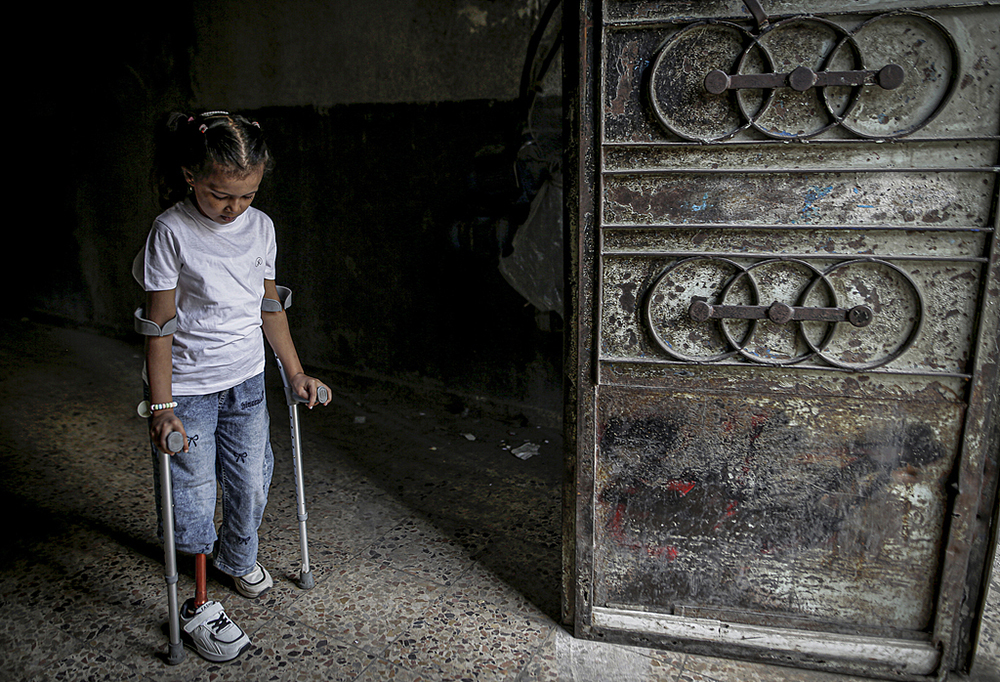
UN reveals 24,174 children severely harmed in conflicts in 2025, marking a historical peak. Explore the devastating impact of explosive weapons and AI in warfare on child safety.

AI Risk and Global Governance: The 20% Probability Dilemma
Navigating the existential risks of Artificial Intelligence requires international cooperation. Experts warn that without binding rules, the potential for catastrophic consequences is too high to ignore.

FTC Sues Dollar General: Overcharging Shoppers Billions
The FTC and 20 states accuse Dollar General of unlawful price hikes. Discover the details of the lawsuit, the impact on low-income consumers, and what this means for the retail landscape.
JetBlue 3Q 2026 Loss: Fuel Costs Rise 61% Despite Strong Travel Demand
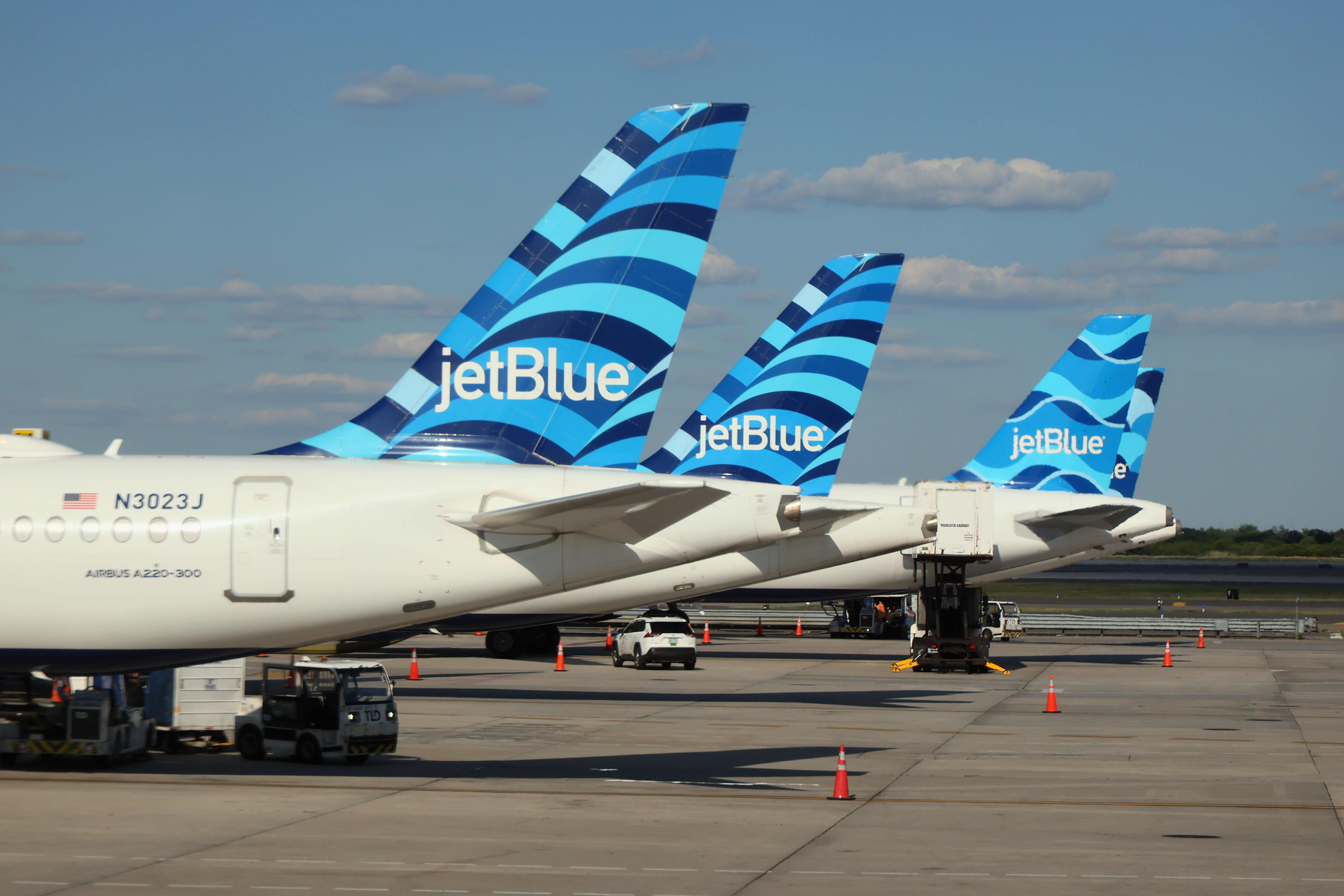
JetBlue Airways reported a wider third-quarter loss driven by soaring fuel costs, but CEO Joanna Geraghty points to resilient demand and improving margins as key indicators of a successful turnaround.

Anthropic IPO: The $1.5 Trillion AI Giant's Historic Stock Market Debut
Anthropic files for an IPO valuing the company between $1.5T and $2T. Will the AI giant's record-breaking valuation withstand market volatility?

China to Send Giant Panda Ranran to Belgium for Diplomatic Relations
To celebrate 55 years of diplomatic ties, China is sending giant panda Ranran to Belgium. This move aims to deepen bilateral cooperation in wildlife conservation.
Japan Deploys 25-Type Missiles in 'Kirishima' Drill, Marking Shift in Defense Strategy
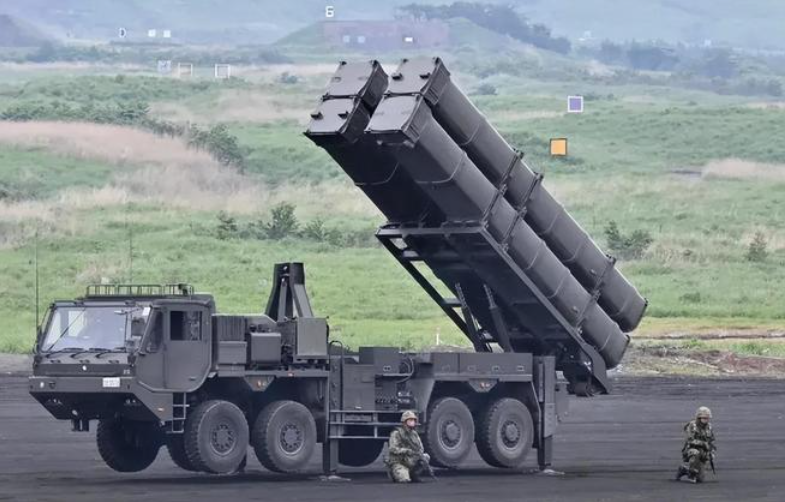
Japan's first large-scale deployment of the 25-Type land-based anti-ship missile during the US-Japan 'Kirishima' drill signals a strategic pivot away from 'strictly defensive' policies. Explore the implications of this military expansion.
Latest Articles
- American Airlines 2026 Forecast: Slower Growth Amid Fuel Costs
- Former Japanese PM Fukuda Yasuo Dies at 90: Legacy of Diplomacy and China's Call for Responsibility
- Chinese Woman Escapes Kidnapping in Thailand After Jumping from Moving Vehicle
- Lula Wins Brazilian Presidential Election with 51.79% Vote
- Xi Jinping, King Philippe Celebrate 55 Years of China-Belgium Relations
- Luxury Cruise Suites: The $25,000 Night Revolution in High-End Travel