Former Japanese PM Fukuda Yasuo Dies at 90: Legacy of Diplomacy and China's Call for Responsibility
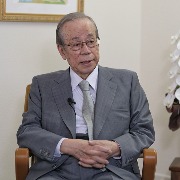
Former Japanese Prime Minister Fukuda Yasuo passed away on October 22, 2026, at the age of 90. His death prompts China to reflect on the importance of historical responsibility in Sino-Japanese relations.
Source: thepaper.cn
Former Japanese Prime Minister Fukuda Yasuo passed away on October 22, 2026, at the age of 90, following a heart failure in Tokyo. A pivotal figure in post-war Japanese politics, Fukuda served as Prime Minister from 2007 to 2008, a tenure defined by diplomatic efforts to stabilize regional relations. His passing has not only prompted mourning in Japan but has also triggered a significant diplomatic signal from China regarding the future direction of Sino-Japanese ties.
Key Takeaways
- Historical Diplomat: Fukuda was a key architect of the Sino-Japanese relationship, playing a crucial role in signing the fourth political document between the two nations, which established the legal and political foundation for their cooperation.
- Family Political Legacy: He was the eldest son of former Prime Minister Fukuda Takeo, making them the first father-son duo to both serve as Prime Minister in Japanese history.
- Economic and Environmental Vision: During his brief tenure, he established the Consumer Affairs Agency and proposed the "Fukuda Vision," setting a long-term goal for Japan to reduce greenhouse gas emissions by 60-80% by 2050.
- Bridge for Peace: Even after leaving office, he dedicated his later years to promoting Asian exchange, serving as the Chairman of the Boao Forum for Asia and frequently visiting China to foster mutual understanding.
- China's Diplomatic Response: Chinese Foreign Ministry spokesperson Guo Jiakun praised Fukuda as a "good friend of the Chinese people" and urged current Japanese leaders to uphold the principles of the four political documents, emphasizing the importance of not turning back on the path of friendship.
In-Depth Analysis
Fukuda Yasuo’s death arrives at a critical juncture for East Asian geopolitics, where historical grievances and modern strategic competition often collide. As a member of the "old guard" of Japanese politicians who came of age during the post-war economic boom, Fukuda represented a generation that viewed China not merely as a strategic rival but as a partner with whom dialogue was essential. His insistence on the "correct view of history" and his adherence to the four political documents—treaties signed in 1972, 1978, 1998, and 2008—served as a stabilizing anchor in an otherwise turbulent relationship.
The Chinese government’s response highlights a growing frustration with the current political climate in Japan. By explicitly referencing Fukuda’s commitment to the four political documents, Beijing is implicitly criticizing the current administration for what it perceives as a drift away from the diplomatic norms established by Fukuda’s generation. The comment that Fukuda’s stance was a reflection of "integrity and responsibility" serves as a stern reminder to the sitting leaders in Tokyo that the continuity of diplomatic dialogue relies heavily on respecting these historical agreements. In the context of the broader Indo-Pacific strategy, Fukuda’s legacy suggests that economic interdependence and high-level dialogue remain the most viable paths to conflict prevention, a lesson that current policymakers are seemingly struggling to internalize.
Frequently Asked Questions
Q: What is the significance of the "Four Political Documents" in Sino-Japanese relations?
A: These four documents—ranging from the Joint Communiqué of 1972 to the Joint Statement of 2008—constitute the fundamental legal and political basis for bilateral relations. They define the principles of non-interference, peaceful coexistence, and the resolution of historical issues, serving as the "constitution" of the diplomatic relationship.
Q: Why did Fukuda Yasuo resign from office so early?
A: Fukuda’s administration was hamstrung by the "twisted Diet" (Kakushitsu Kokkai), a political deadlock where the ruling coalition controlled the House of Representatives while the opposition controlled the House of Councillors. Unable to pass key legislation or form a stable coalition with the Democratic Party of Japan, his approval ratings plummeted, leading to his resignation in September 2008.
Q: How did Fukuda Yasuo contribute to environmental policy?
A: He is credited with establishing the Consumer Affairs Agency to protect citizens' rights and was a pioneer in environmental diplomacy. His "Fukuda Vision" committed Japan to drastic carbon reduction targets, positioning the country as a leader in global climate action during his tenure.
Source: https://www.thepaper.cn/newsDetail_forward_34333429
Related posts
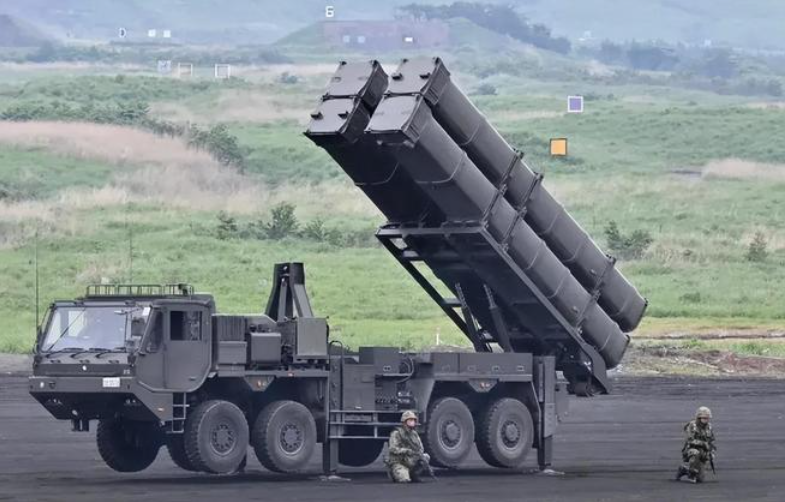
Japan Deploys 25-Type Missiles in 'Kirishima' Drill, Marking Shift in Defense Strategy
Japan's first large-scale deployment of the 25-Type land-based anti-ship missile during the US-Japan 'Kirishima' drill signals a strategic pivot away from 'strictly defensive' policies. Explore the implications of this military expansion.

Chinese Woman Escapes Kidnapping in Thailand After Jumping from Moving Vehicle
A 24-year-old Chinese tourist survives abduction in Thailand, jumping from a moving car to escape captors targeting tourists with romance scams.
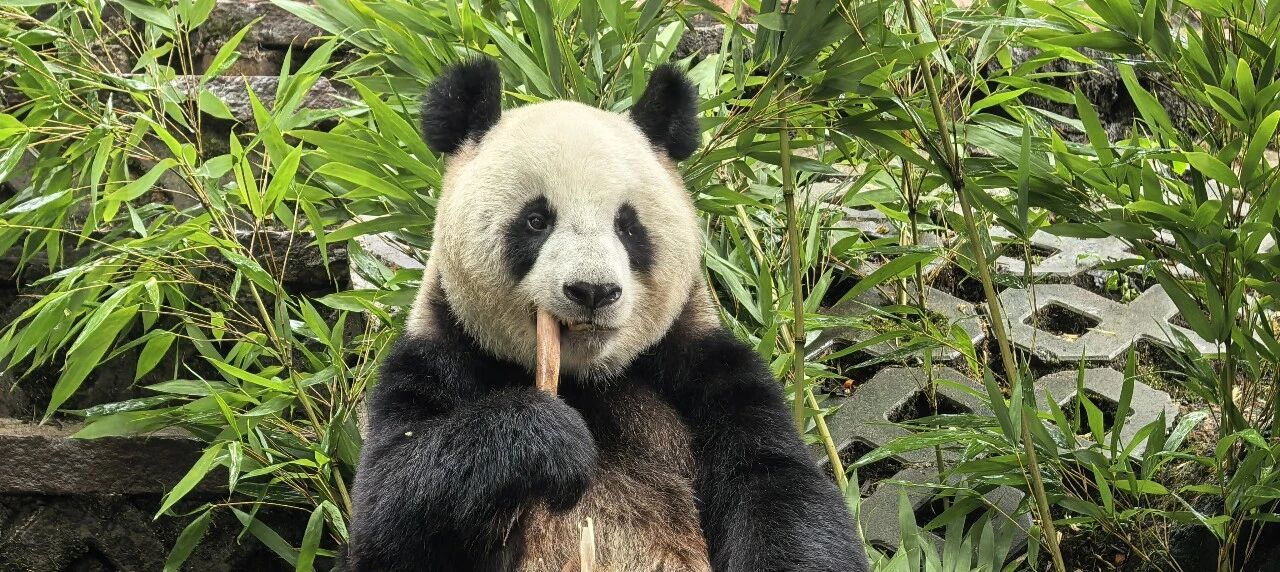
China to Send Giant Panda Ranran to Belgium for Diplomatic Relations
To celebrate 55 years of diplomatic ties, China is sending giant panda Ranran to Belgium. This move aims to deepen bilateral cooperation in wildlife conservation.
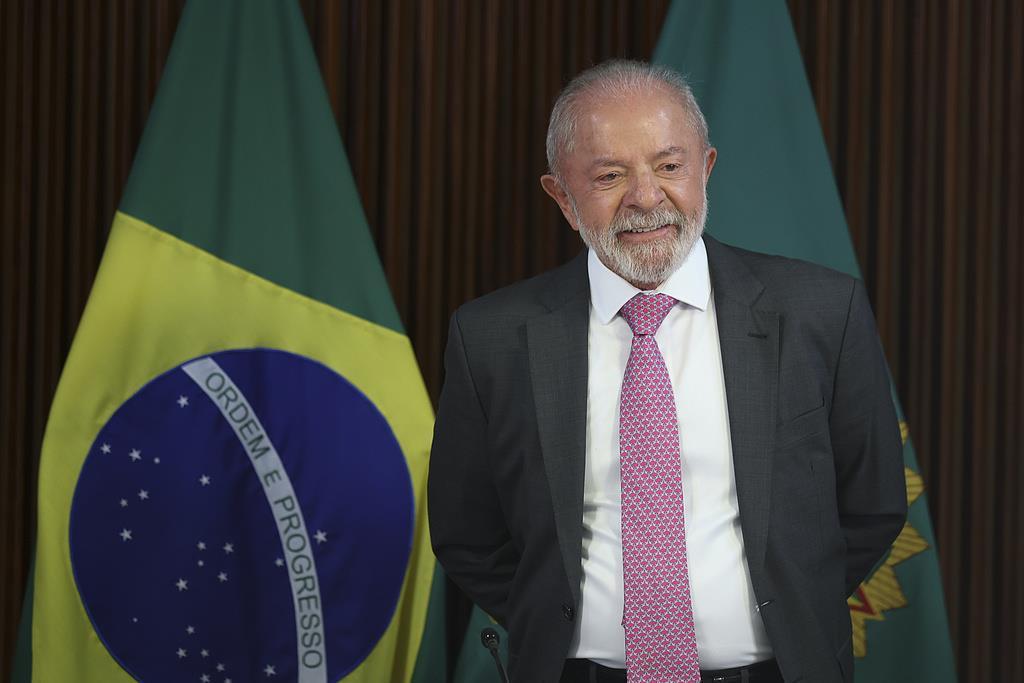
Lula Wins Brazilian Presidential Election with 51.79% Vote
Luiz Inácio Lula da Silva secures narrow victory in Brazil's presidential runoff, securing his fourth term as president with 51.79% of the vote.

Xi Jinping, King Philippe Celebrate 55 Years of China-Belgium Relations
President Xi Jinping and King Philippe exchanged congratulatory messages, highlighting 55 years of strategic partnership and mutual respect.

Luxury Cruise Suites: The $25,000 Night Revolution in High-End Travel
Explore the booming luxury cruise market with suites costing up to $25,000 a night. Learn how elite travel is reshaping the industry and why space and privacy are the new currency.

Wonder's Bold Vision: Texas Expansion, Automation, and User-Built Restaurants Ahead of Potential IPO
Marc Lore's food tech giant Wonder plans aggressive Texas expansion, automation push, and user restaurant platform as it considers going public with $9B valuation.
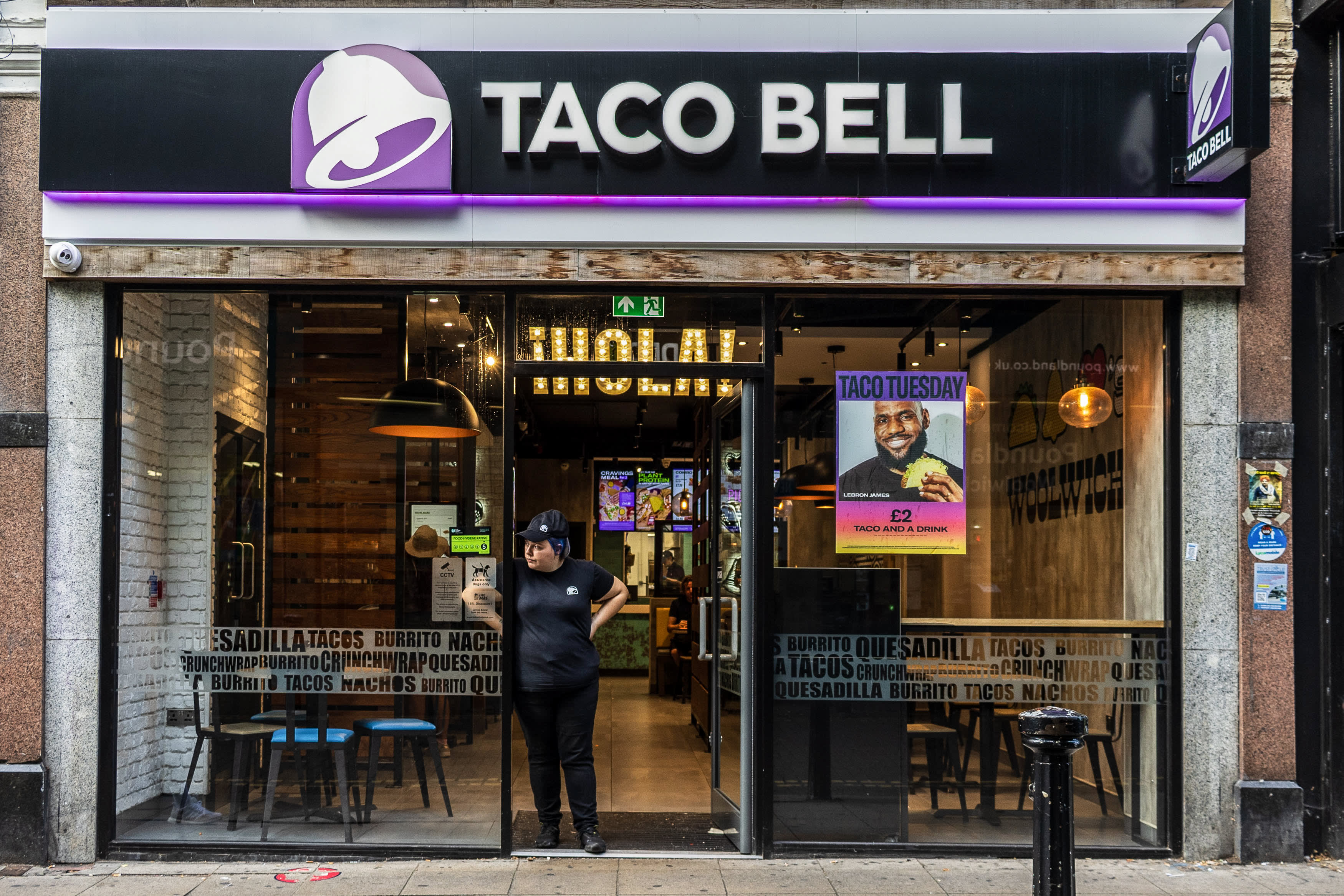
Pepsi Extends Taco Bell Partnership Despite KFC's Switch to Coke
PepsiCo renews beverage deal with Taco Bell through 2036, days after sister chain KFC switches to Coca-Cola in strategic industry shift.
Latest Articles
- Brazil Presidential Election Runoff: Bolsonaro vs. Lula
- China's Middle East Envoy Holds Key Talks with Saudi Diplomatic Advisor
- Israel Election 2026: Netanyahu Faces Historic Protests and Tight Polls
- US Travel Alert: Middle East Security Risks Rise Amid Iran and Houthi Threats
- AI Safety Risks: Global Experts Share Solutions at 2026 Governance Forum
- UN Reform: China's 55-Year Commitment to Multilateralism