Pepsi Extends Taco Bell Partnership Despite KFC's Switch to Coke
PepsiCo renews beverage deal with Taco Bell through 2036, days after sister chain KFC switches to Coca-Cola in strategic industry shift.
Source: CNBC
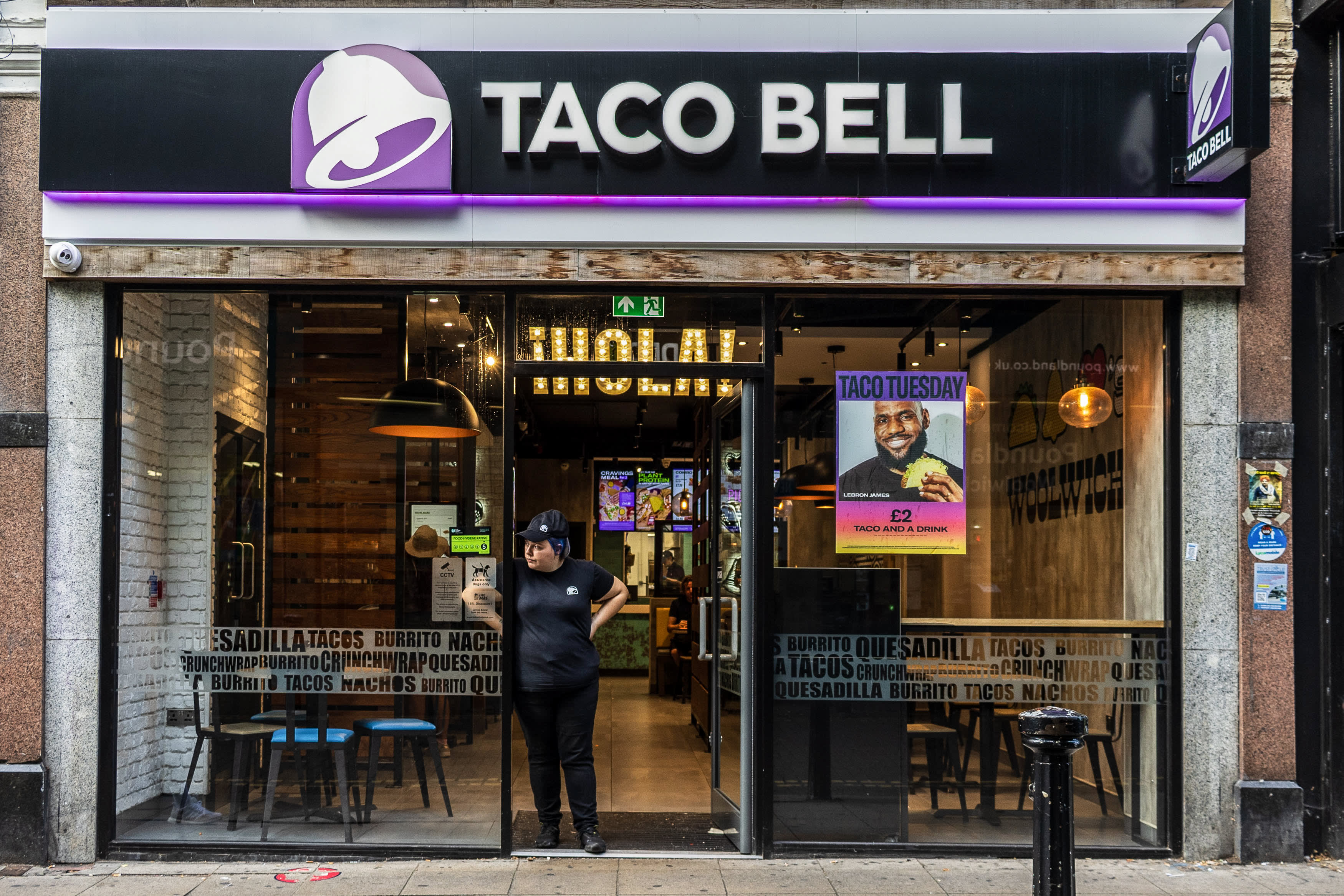
In the ever-competitive beverage industry, PepsiCo has secured its position with Taco Bell by extending their partnership through 2036, demonstrating the enduring value of long-standing collaborations in the fast-food sector. This move comes just one week after Taco Bell's sister chain, KFC announced its switch to Coca-Cola in the United States, highlighting the intense rivalry between the two beverage giants and their strategic maneuvers to secure lucrative restaurant partnerships.
Key Points
- Extended Partnership: PepsiCo and Taco Bell have renewed their long-standing beverage agreement, ensuring Pepsi products will remain available at Taco Bell locations worldwide through 2036. This extension solidifies one of the most recognizable brand partnerships in the quick-service restaurant industry.
- Market Context: The renewal follows KFC's decision to switch to Coca-Cola in the U.S. market, representing a significant but not unprecedented shift in the competitive landscape between the beverage behemoths.
- Historical Connection: Pepsi's relationship with Taco Bell and parent company Yum! Brands spans decades, dating back to when PepsiCo actually owned these restaurant chains before spinning them off into a separate public company in 1997.
- Exclusive Products: The partnership has enabled Taco Bell to develop exclusive menu items featuring Pepsi products, such as the popular Mountain Dew Baja Blast and Doritos Locos Tacos, which have become signature offerings for the brand.
- Global Reach: The renewed agreement ensures Pepsi products will continue to be served in Taco Bell's international markets, including Canada, the United Kingdom, Ireland, and Thailand, maintaining a consistent global brand presence.
In-Depth Analysis
The extension of PepsiCo's partnership with Taco Bell represents more than just a business agreement; it's a strategic move in the ongoing cola wars that have defined the beverage industry for decades. While KFC's switch to Coca-Cola in the U.S. market might seem like a significant victory for Atlanta-based Coca-Cola, Pepsi's retention of Taco Bell demonstrates the complex nature of these relationships and the value of multi-market agreements. The beverage industry has evolved beyond simple product placement, with companies now offering comprehensive packages that include marketing support, custom product development, and financial incentives to secure these coveted partnerships.
From a market perspective, this development highlights how regional decisions don't necessarily reflect global strategies. While KFC U.S. has switched to Coca-Cola, Pepsi remains a crucial partner for Yum! Brands internationally, suggesting that the parent company is maintaining a balanced approach to maximize benefits across different markets. The competitive dynamics between Coca-Cola and Pepsi have intensified in recent years, with both companies investing heavily in diversifying their portfolios beyond traditional sodas into healthier alternatives, energy drinks, and functional beverages.
Looking ahead, we can expect these beverage giants to continue leveraging their deep pockets and marketing expertise to secure high-profile restaurant partnerships. The Taco Bell-Pepsi relationship, particularly through exclusive product collaborations like Mountain Dew Baja Blast, demonstrates how these partnerships can create unique consumer experiences that drive brand loyalty and differentiate competitors in an increasingly crowded market.
Frequently Asked Questions
Why would KFC switch to Coca-Cola while Taco Bell stays with Pepsi? This strategic decision likely reflects different market conditions and partnership opportunities for each brand within Yum! Brands. KFC may have secured more favorable terms with Coca-Cola for the U.S. market, while Taco Bell's relationship with Pepsi offers unique advantages internationally and through exclusive product collaborations.
How important are these restaurant partnerships for beverage companies? These partnerships are extremely valuable as they provide consistent, high-volume distribution channels and serve as powerful marketing platforms. Exclusive product collaborations like Mountain Dew Baja Blast create unique brand associations that drive consumer loyalty and differentiate competitors in the crowded beverage market.
Source: https://www.cnbc.com/2026/10/22/pepsico-taco-bell-beverage-deal.html
Related posts
Wonder's Bold Vision: Texas Expansion, Automation, and User-Built Restaurants Ahead of Potential IPO
Marc Lore's food tech giant Wonder plans aggressive Texas expansion, automation push, and user restaurant platform as it considers going public with $9B valuation.

Brazil Presidential Election Runoff: Bolsonaro vs. Lula
The second round of the Brazilian presidential election begins. Two major political forces clash in a tight race.

Xi Jinping, King Philippe Celebrate 55 Years of China-Belgium Relations
President Xi Jinping and King Philippe exchanged congratulatory messages, highlighting 55 years of strategic partnership and mutual respect.

China's Middle East Envoy Holds Key Talks with Saudi Diplomatic Advisor
China's special envoy for Middle East affairs meets with Saudi diplomatic advisor to discuss bilateral relations and regional stability amid ongoing geopolitical tensions.

Israel Election 2026: Netanyahu Faces Historic Protests and Tight Polls
Israel's upcoming parliamentary election is a referendum on PM Netanyahu. Massive protests and tight polls signal a historic shift in Israeli politics.

US Travel Alert: Middle East Security Risks Rise Amid Iran and Houthi Threats
US State Department updates travel warnings for 13 Middle East nations. Learn about new security risks involving Houthi attacks and Iranian threats.

AI Safety Risks: Global Experts Share Solutions at 2026 Governance Forum
International experts gathered at the 2026 Global Governance Forum in Xiong'an to address critical AI safety challenges and propose collaborative solutions.

UN Reform: China's 55-Year Commitment to Multilateralism
Explore China's deepening role at the UN, from peacekeeping to global development initiatives, and how it shapes the future of international cooperation.
Latest Articles
- Why Airlines Are Scrapping Brand-New Aircraft Amid Engine Shortage Crisis
- Comcast Exceeds Q3 Earnings Expectations as Media Strength Outweighs Connectivity Challenges
- David's Bridal Spins Off AI Platform Pearl for Public Listing
- Elon Musk's Billion-Dollar Bet: New Investment in Skydance Media
- NHK Documentary Exposes Secret 1978 Yasukuni Shrine Ritual
- Philippines Air Force Training Crash: 4 Pilots Killed in SF-260 Collision