Why Airlines Are Scrapping Brand-New Aircraft Amid Engine Shortage Crisis
Airlines are dismantling planes years ahead of schedule due to unprecedented engine shortages, creating a booming market for aircraft parts while raising concerns about sustainability and operational costs.
Source: CNBC
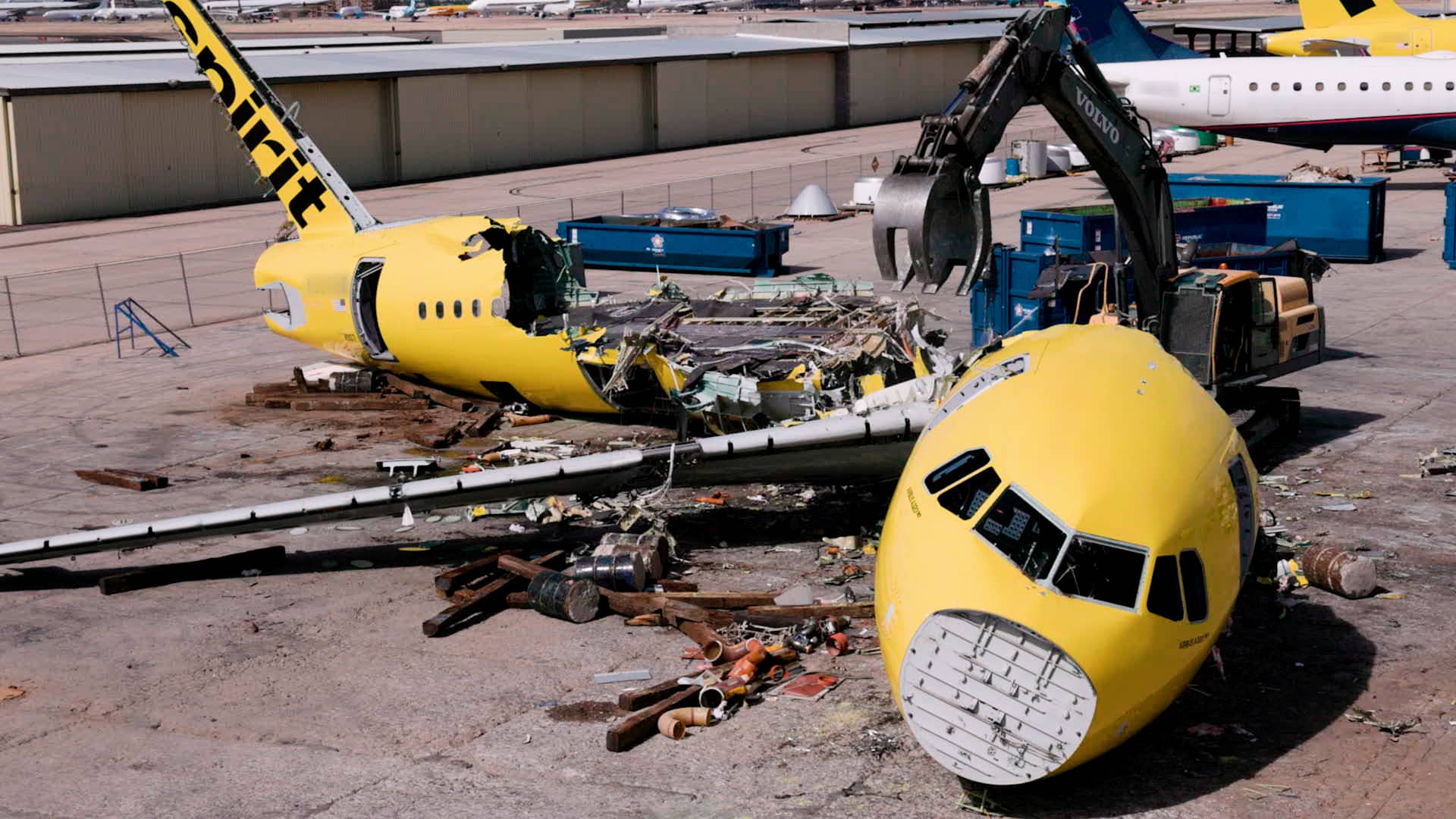
In an unprecedented turn for the aviation industry, airlines are increasingly scrapping aircraft that are barely four years old—decades before their expected retirement. This dramatic shift, driven by critical engine shortages and skyrocketing maintenance costs, is reshaping the economics of air travel and creating a thriving aftermarket for aircraft components. The phenomenon represents a stark departure from traditional aviation practices, where narrow-body planes typically served for over two decades before being retired.
Key Insights
-
Early Retirement Trend: Aviation data reveals that 21 next-generation aircraft were dismantled between June 2025 and August 2026, with an average age of just 6.4 years. This contrasts sharply with the industry standard of 21.7 years for narrow-body aircraft retirement, highlighting the severity of the current crisis.
-
Engine Shortage Crisis: The primary driver is a critical shortage of aircraft engines, particularly advanced models that burn hotter and use less fuel. These engines are requiring maintenance far earlier than anticipated, overwhelming repair facilities and creating a bottleneck that affects global operations.
-
Profitable Parts Market: Companies like EirTrade Aviation are purchasing young aircraft for "single-digit millions" and generating profits by harvesting over 1,000 parts before scrapping the airframes. Components like engine fan blades can cost $50,000-$100,000 each, while engine discs may fetch $1-$2 million.
-
Spirit Airlines Impact: The collapse of Spirit Airlines has exacerbated the trend, flooding the market with its Airbus fleet. The airline had already been severely affected by engine recalls from Pratt & Whitney, which contaminated powdered metal issues had grounded hundreds of planes worldwide.
-
Storage Dilemma: Airlines face difficult decisions between paying substantial storage fees for grounded aircraft or scrapping them for parts. Desert storage facilities in arid climates like Arizona preserve aircraft but come with significant costs, creating economic pressure to dismantle rather than preserve.
In-Depth Analysis
The current aircraft scrapping crisis reflects deeper structural challenges within the aviation industry's supply chain and maintenance infrastructure. The unprecedented demand for engine maintenance has created a perfect storm where airlines cannot access necessary components to keep their fleets operational. This situation has been compounded by manufacturers' inability to keep pace with production demands while maintaining quality standards.
The trend toward early retirement represents a fundamental shift in aviation asset management, where the traditional calculus of maximizing aircraft utilization has been replaced by urgent parts harvesting. Industry experts note that this "cannibalization" of young aircraft creates a paradoxical market where newer components become more valuable than the airframes themselves.
Looking ahead, this crisis may accelerate innovation in engine technology and maintenance processes, potentially leading to more durable components and streamlined supply chains. However, the environmental implications of scrushing relatively new aircraft raise sustainability concerns that the industry will need to address. The current situation may also prompt airlines to diversify their engine suppliers and maintenance strategies to build more resilient operations.
As the aviation industry navigates these challenges, the balance between operational efficiency, economic viability, and environmental responsibility will become increasingly critical. The scrapping of young aircraft, while economically rational in the short term, may prompt long-term strategic shifts in how airlines manage their fleets and maintenance operations.
Frequently Asked Questions
Why are airlines scrapping relatively new aircraft? Airlines are scrapping young aircraft primarily due to critical engine shortages and exorbitant maintenance costs. When the value of harvested parts exceeds the aircraft's worth or the cost of waiting for repairs, dismantling becomes the most economically viable option.
How does this affect air travel costs for passengers? The engine shortage and parts scarcity contribute to higher operational costs for airlines, which may be passed on to passengers through increased fares. Additionally, reduced aircraft availability could potentially limit route expansions or frequency on certain routes.
What happens to the scrapped aircraft beyond parts harvesting? After valuable components are removed, the remaining airframe is typically crushed and recycled. The metal may be repurposed for various uses outside aviation, including consumer products, though the process represents a significant loss of the aircraft's original value and embodied energy.
Source: https://www.cnbc.com/2026/10/24/spirit-airlines-planes-scrapped-engine-shortage.html
Related posts

NHK Documentary Exposes Secret 1978 Yasukuni Shrine Ritual
Newly released archival footage reveals the 1978 secret ritual that enshrined Class-A war criminals, exposing Japan's persistent historical revisionism.
Philippines Air Force Training Crash: 4 Pilots Killed in SF-260 Collision
A tragic air collision during a routine training mission in the Philippines has resulted in the deaths of four Air Force pilots. The incident highlights critical safety concerns within the country's military aviation infrastructure.

North Korea Holds Third Company Commanders Meeting Amid Military Reinforcement
Analysis of North Korea's recent military leadership gathering focused on strengthening company-level units and enhancing combat readiness.

Gen Z Candidates Tackle Housing Crisis in Midterms 2026
Young lawmakers from both parties are campaigning on solving the record-high cost of living. Explore how Gen Z is reshaping the housing debate.
Tibetan Plateau Earthquake: Analysis of the 7.0 Magnitude Quake and Post-Disaster Response
Expert analysis of the 7.0 magnitude earthquake in Baingoin, Tibet, examining its geological significance and the unique challenges of disaster response at high altitudes.

Meta's New Link Policy: Why Social Media Sites Want You to Stay
Meta is introducing paid plans to limit free hyperlink posting, a strategic move driven by the business model of keeping users engaged on platforms.

Darden vs. Chipotle: How Portfolio Diversification Impacts Restaurant Stock Performance in 2026
Why owning multiple brands like Darden and Brinker International outperformed single-chain giants like Chipotle and McDonald's in 2026. Analyzing the power of portfolio diversification.

High Fares And Fewer Passengers: Why Airlines Are Profitable Despite Lower Demand
As airfare surges and passenger numbers decline, major carriers prioritize yield over load factor, turning a high-price strategy into record profits despite fuel costs.
Latest Articles
- American Express Cuts 5% of Workforce to Accelerate AI Transformation
- Israel Imposes Total West Bank Blockade After Hebron Attack
- Russia Starts Diesel Exports to US: Geopolitical Shifts Ahead
- Peru Allocates $1.8 Billion to Combat El Niño and Economic Headwinds
- Trump Demands SpaceX Lift Starlink Restrictions for Ukraine Amid Geopolitical Tensions
- Louvre, Orsay Museums to Close on Oct 24 Amid Paris Protests