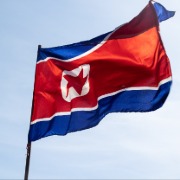
North Korea Holds Third Company Commanders Meeting Amid Military Reinforcement
Analysis of North Korea's recent military leadership gathering focused on strengthening company-level units and enhancing combat readiness.
Source: thepaper.cn
In a significant development highlighting North Korea's ongoing military modernization efforts, the country recently convened its third meeting of company commanders, marking the first such gathering since the 10th Congress of the Workers' Party. This event underscores Pyongyang's commitment to enhancing its military capabilities at the tactical level while reinforcing its overall defense posture in the current geopolitical climate.
Key Developments
- Leadership Presence: North Korean leader Kim Jong Un personally presided over the two-day meeting held in Pyongyang on October 22-23, demonstrating the high priority placed on this military gathering.
- Strategic Objectives: The meeting aimed to mobilize company commanders to strengthen their units, establishing them as the foundation for overall military enhancement with the goal of creating "most elite combat forces capable of independently accomplishing any mission."
- Military Philosophy: Kim Jong Emphasized the core principle of building the strongest army through cultivating the strongest companies, framing this as essential for achieving "complete wartime posture" and meeting "new era military construction goals."
- Recognition Ceremony: Following the main proceedings, the event included a ceremony honoring model company commanders who made outstanding contributions to unit strengthening efforts.
- Political Context: This gathering represents the first military-wide meeting since the 10th Party Congress, suggesting it serves as an important mechanism for implementing decisions made at the party's highest levels.
In-depth Analysis
The timing and content of this meeting reveal several important aspects of North Korea's military strategy. By focusing specifically at the company level (typically consisting of 100-200 soldiers), Pyongyang appears to be addressing tactical execution capabilities that are crucial for modern warfare. The emphasis on creating "multi-role, multi-domain capable companies" indicates a recognition that future conflicts will require smaller units to operate independently across different mission types.
The concept of "universal companies" capable of independent operations suggests North Korea is moving toward a more decentralized command structure, potentially enhancing battlefield resilience. This approach could be particularly important given the country's resource constraints and the need to maximize the effectiveness of its military personnel.
The meeting also serves as a political messaging tool, reinforcing Kim Jong Un's direct control over the military while demonstrating the party's continued focus on military development despite economic challenges. The timing, coming after the party congress, suggests this is part of implementing the decisions made during that gathering.
Looking ahead, this focus on company-level capabilities may indicate preparation for potential conflicts on the Korean Peninsula, with smaller units being better suited for the terrain and operational environment. It may also reflect North Korea's assessment of changing warfare paradigms, where smaller, more flexible units play increasingly important roles.
Frequently Asked Questions
What is the significance of focusing on company-level units? Company-level units represent the smallest tactical formation capable of independent operations, making them crucial for battlefield effectiveness. By strengthening these units, North Korea aims to improve overall military performance while maximizing limited resources.
How does this meeting relate to North Korea's broader military strategy? This gathering appears to be implementing decisions from the 10th Party Congress, focusing on practical military enhancement at the tactical level. It suggests a shift toward more decentralized operations and increased battlefield resilience.
What does this indicate about North Korea's military priorities? The emphasis on creating "universal companies" capable of independent operations across multiple domains suggests North Korea is preparing for potential conflicts requiring flexible, adaptable forces that can operate independently in various scenarios.
Source: https://www.thepaper.cn/newsDetail_forward_34324063
Related posts

NHK Documentary Exposes Secret 1978 Yasukuni Shrine Ritual
Newly released archival footage reveals the 1978 secret ritual that enshrined Class-A war criminals, exposing Japan's persistent historical revisionism.

Gen Z Candidates Tackle Housing Crisis in Midterms 2026
Young lawmakers from both parties are campaigning on solving the record-high cost of living. Explore how Gen Z is reshaping the housing debate.
Tibetan Plateau Earthquake: Analysis of the 7.0 Magnitude Quake and Post-Disaster Response
Expert analysis of the 7.0 magnitude earthquake in Baingoin, Tibet, examining its geological significance and the unique challenges of disaster response at high altitudes.

Meta's New Link Policy: Why Social Media Sites Want You to Stay
Meta is introducing paid plans to limit free hyperlink posting, a strategic move driven by the business model of keeping users engaged on platforms.

Darden vs. Chipotle: How Portfolio Diversification Impacts Restaurant Stock Performance in 2026
Why owning multiple brands like Darden and Brinker International outperformed single-chain giants like Chipotle and McDonald's in 2026. Analyzing the power of portfolio diversification.

High Fares And Fewer Passengers: Why Airlines Are Profitable Despite Lower Demand
As airfare surges and passenger numbers decline, major carriers prioritize yield over load factor, turning a high-price strategy into record profits despite fuel costs.

American Express Cuts 5% of Workforce to Accelerate AI Transformation
American Express announces workforce reduction of 5% to become more agile and prepare for AI integration, with a $336 million restructuring charge.
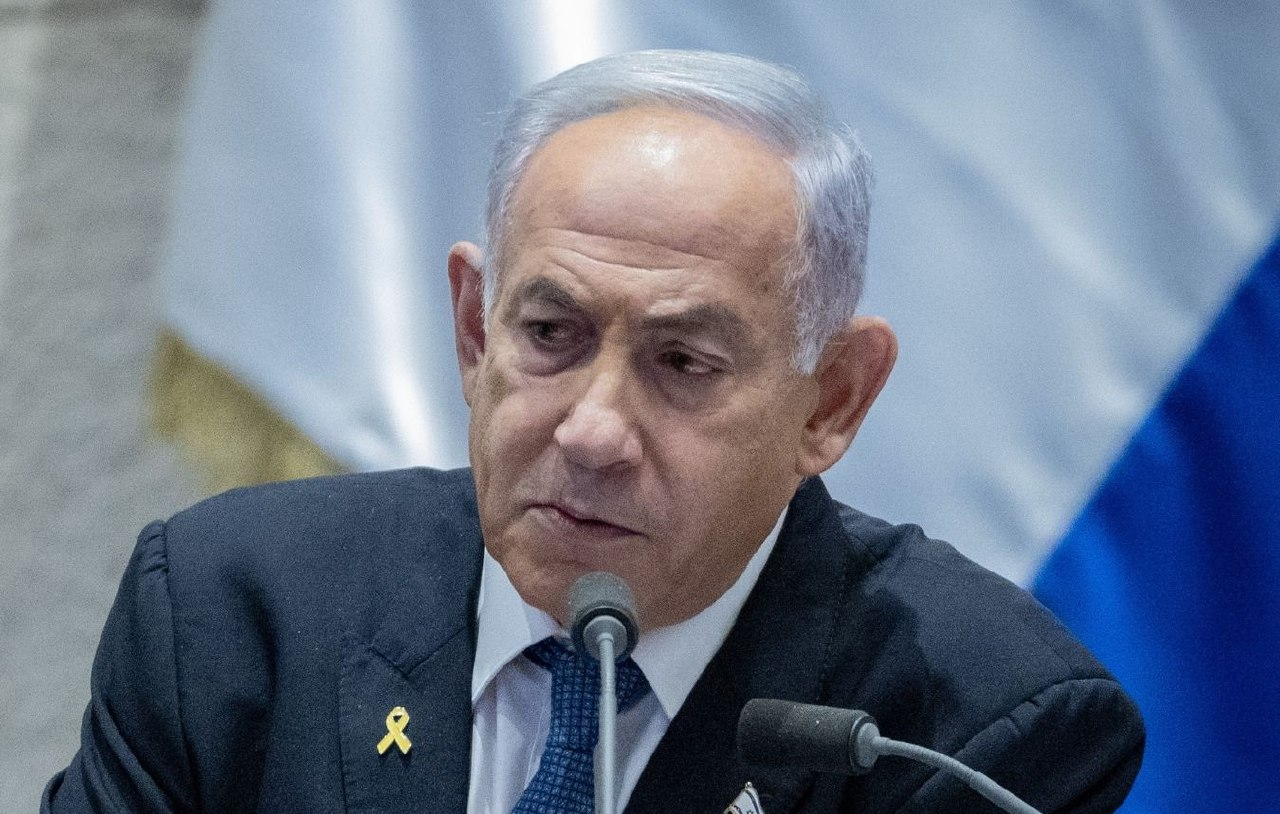
Israel Imposes Total West Bank Blockade After Hebron Attack
Israel orders a full siege of the West Bank following a deadly attack in Hebron. Here is the analysis of the escalation and the implications for regional security.
Latest Articles
- Russia Starts Diesel Exports to US: Geopolitical Shifts Ahead
- Peru Allocates $1.8 Billion to Combat El Niño and Economic Headwinds
- Trump Demands SpaceX Lift Starlink Restrictions for Ukraine Amid Geopolitical Tensions
- Louvre, Orsay Museums to Close on Oct 24 Amid Paris Protests
- Moderna Cancer Vaccine Shows Promise Despite Stock Drop After Data Leak
- Wall Street Titans Debate AI Bubble: Internet Era or Long-Term Winner?