Meta's New Link Policy: Why Social Media Sites Want You to Stay
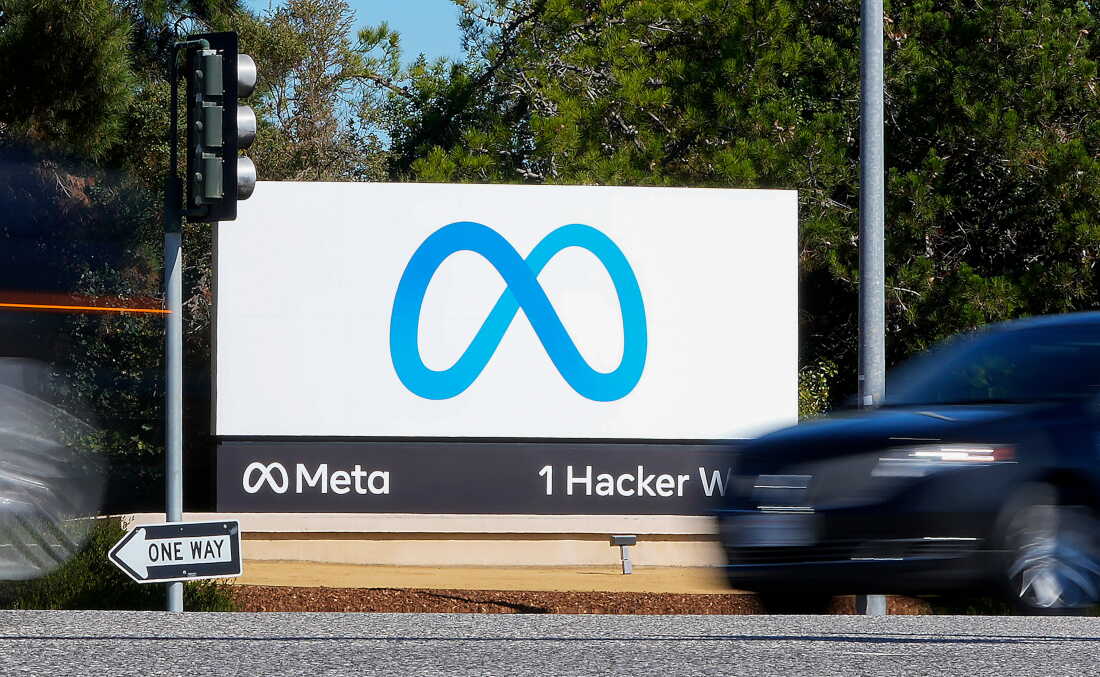
Meta is introducing paid plans to limit free hyperlink posting, a strategic move driven by the business model of keeping users engaged on platforms.
Source: NPR
In the rapidly evolving landscape of digital media, the economics of attention have become the central currency of the internet. Social media giants, particularly Meta, are continuously refining their business models to maximize user retention and monetization. Recently, Meta announced a controversial shift in its policy regarding hyperlink posting on Facebook Pages, introducing subscription tiers that restrict free access to sharing external links. This move has sparked widespread debate among content creators, journalists, and business owners, signaling a potential shift in how information is distributed across the web. The decision to charge for hyperlinks is not merely a pricing change; it is a strategic maneuver to reinforce the walled garden of social media platforms.
Key Takeaways
- Paid Hyperlink Limits: Facebook Pages can now only post two hyperlinks for free each month, with options to purchase additional links through paid subscription plans.
- Business Model Shift: The policy is designed to keep users on the platform longer, as social media companies rely on capturing and selling user attention to advertisers.
- Impact on News and Content: Publishers and independent creators may face significant challenges in driving traffic to their external websites, potentially disrupting the current ecosystem of social sharing.
- Subscription Tiers: Meta offers a $49.99/month plan for eight links and a $499/month plan for unlimited links, creating a tiered access system for content distribution.
- Industry Response: The move has been criticized as a form of "enshittification," where platforms prioritize profit over user experience and accessibility.
Deep Dive into the Hyperlink Tax
The introduction of paid hyperlink posting is a direct reflection of the underlying business philosophy of major social media platforms. Unlike traditional media outlets that rely on subscriptions or ad revenue generated from their own sites, social media companies primarily monetize the time users spend within their ecosystem. By restricting the ability to share external links, Meta is incentivizing users to consume content directly within the Facebook ecosystem rather than navigating away to external sources. This strategy aims to increase "time on site," a critical metric for advertisers who pay premium rates for high-engagement environments.
Ashley Gullen, a game design company owner, aptly described the situation as achieving "absurd new heights of enshittification," a term popularized by Cory Doctorow to describe the decline of platforms as they prioritize profit over user value. This sentiment is shared by many industry analysts who argue that such restrictions stifle the open web and create barriers to information flow. The policy effectively turns hyperlinks into a premium commodity, forcing content creators to choose between paying for visibility or risking reduced reach on the platform.
The implications for the news industry are particularly concerning. News organizations have long relied on social media as a primary distribution channel for their stories. Limiting the number of links they can post could reduce the traffic they receive from social platforms, potentially impacting their revenue models and ability to inform the public. This trend mirrors earlier observations by Nieman Lab, which found that posting links can actually hurt news publishers on other social media platforms, suggesting that Meta is not alone in this approach.

Future Outlook
As social media platforms continue to tighten their grip on content distribution, the future of the open web may be at stake. The "attention economy" is a zero-sum game, where platforms must constantly innovate to capture and retain user attention. While paid subscriptions for features like hyperlink posting may seem like a niche change, it represents a broader shift towards a more controlled and monetized internet. For users and creators alike, this means navigating an increasingly complex landscape where access to information is contingent upon financial transactions. The long-term success of these policies remains to be seen, but one thing is clear: the way we share and consume information is changing fundamentally.
Frequently Asked Questions
Why is Meta charging for hyperlinks?
Meta is implementing this policy to keep users engaged within the Facebook ecosystem for longer periods. By limiting the ability to share external links, they aim to increase "time on site," which is a key metric for advertisers and ad revenue.
How much does it cost to post more links?
Meta offers a $49.99/month "Meta One Advanced" plan that allows for eight hyperlinks per month. There is also a $499/month "Max" plan that offers unlimited hyperlink posting.
Will this affect news publishers?
Yes, news publishers and content creators who rely on social media for traffic may see a significant reduction in their reach. This could impact their ability to drive readers to their websites and potentially affect their advertising revenue.
Source: https://www.npr.org/sections/planet-money/2026/10/23/nx-s1-6012726/why-meta-is-charging-to-post-more-hyperlinks
Related posts
Darden vs. Chipotle: How Portfolio Diversification Impacts Restaurant Stock Performance in 2026
Why owning multiple brands like Darden and Brinker International outperformed single-chain giants like Chipotle and McDonald's in 2026. Analyzing the power of portfolio diversification.
High Fares And Fewer Passengers: Why Airlines Are Profitable Despite Lower Demand
As airfare surges and passenger numbers decline, major carriers prioritize yield over load factor, turning a high-price strategy into record profits despite fuel costs.
American Express Cuts 5% of Workforce to Accelerate AI Transformation
American Express announces workforce reduction of 5% to become more agile and prepare for AI integration, with a $336 million restructuring charge.

Israel Imposes Total West Bank Blockade After Hebron Attack
Israel orders a full siege of the West Bank following a deadly attack in Hebron. Here is the analysis of the escalation and the implications for regional security.

Russia Starts Diesel Exports to US: Geopolitical Shifts Ahead
Russian President's spokesperson confirms first oil tanker heading to the US, marking a significant shift in energy markets and sanctions.

Peru Allocates $1.8 Billion to Combat El Niño and Economic Headwinds
President Kina Fujimori announces a massive fiscal stimulus to address climate crises, fuel costs, and infrastructure needs in 2027.
Trump Demands SpaceX Lift Starlink Restrictions for Ukraine Amid Geopolitical Tensions
President Trump expressed dissatisfaction with SpaceX CEO Elon Musk over throttling Starlink services, demanding the removal of speed limits to aid Ukraine's defense capabilities against Russian drones.

Louvre, Orsay Museums to Close on Oct 24 Amid Paris Protests
Paris museums including the Louvre and Orsay will close on Oct 24 due to planned demonstrations. Here is what you need to know about the closures and the ongoing unrest.
Latest Articles
- Moderna Cancer Vaccine Shows Promise Despite Stock Drop After Data Leak
- Wall Street Titans Debate AI Bubble: Internet Era or Long-Term Winner?
- Travel Advisory: Safety Alert for Saudi Arabia Due to Airport Attacks
- EU's Cold War Approach to China's Arctic Activities Undermines Regional Stability
- Iran's 'Father of All Bombs' Challenge to US Military Dominance
- US Israel Strike Plans Against Iran Post-Midterms: Escalation Risks