Trump Demands SpaceX Lift Starlink Restrictions for Ukraine Amid Geopolitical Tensions
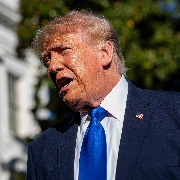
President Trump expressed dissatisfaction with SpaceX CEO Elon Musk over throttling Starlink services, demanding the removal of speed limits to aid Ukraine's defense capabilities against Russian drones.
Source: thepaper.cn
The recent escalation between US President Donald Trump and tech mogul Elon Musk highlights a critical vulnerability in modern military operations: the reliance on commercial satellite technology for national security. This unfolding drama, which centers on the "Starlink" satellite constellation, reveals how geopolitical strategies can be directly impacted by corporate decisions and the delicate balance of power between a commander-in-chief and a tech CEO.
Key Points
-
Presidential Intervention: President Trump directly contacted Elon Musk to express his dissatisfaction regarding the throttling of Starlink services, insisting on the immediate restoration of full operational capacity for Ukraine.
-
Restoration of Services: Following the telephone conversation, Starlink services in Ukraine resumed a more normal operational state on October 22, though officials note the system has not yet fully returned to pre-limit levels.
-
Impact on Defense: Ukrainian officials have warned that previous speed limits severely hampered the military's ability to intercept Russian drones, threatening the safety of critical infrastructure.
-
Corporate vs. Military Control: Musk clarified that Starlink is operated under the "Starshield" system, which is owned and controlled by the US government, implying that any restrictions are ultimately dictated by the Pentagon and the President.
-
Public Dispute: The incident has sparked a public debate about the ethics of commercial companies holding leverage over sovereign military operations and the potential for technology to become a weapon of geopolitical warfare.
In-Depth Analysis
The friction between the Trump administration and SpaceX underscores a paradigm shift in how modern conflicts are fought. Traditionally, military logistics relied on government-owned infrastructure, but the rapid integration of commercial technology—like Starlink—has created a hybrid dependency. The fact that a US President had to personally intervene to resolve a service limitation demonstrates the immense strategic value placed on this satellite network.
From a market and geopolitical perspective, this event signals a growing risk for defense contractors and tech giants. When private companies provide essential infrastructure for state defense, they inevitably become targets of political pressure. The "Starshield" designation is a crucial distinction; it suggests that while SpaceX owns the hardware, the US government retains ultimate veto power. However, the speed at which the US military can react to corporate decisions remains a concern.
Looking ahead, this incident will likely accelerate the push for "sovereign cloud" and independent satellite networks. Nations are becoming wary of relying on systems where a single CEO’s decision-making process can alter the trajectory of a war. For investors and analysts, the focus will shift to how defense agencies will mitigate this risk by developing autonomous, state-controlled alternatives to commercial constellations in the near future.
Frequently Asked Questions
Q: Why was Starlink restricted in Ukraine? A: Reports indicate that SpaceX implemented speed limits to manage costs associated with maintaining the network. The system was reportedly throttled to reduce bandwidth usage, which directly impacted the military's ability to track and intercept incoming threats.
Q: What is the difference between Starlink and Starshield? A: Starlink is SpaceX's consumer and commercial internet service, while Starshield is a government-focused division designed to provide secure, military-grade satellite communication and data services.
Source: https://www.thepaper.cn/newsDetail_forward_34315801
Related posts

Louvre, Orsay Museums to Close on Oct 24 Amid Paris Protests
Paris museums including the Louvre and Orsay will close on Oct 24 due to planned demonstrations. Here is what you need to know about the closures and the ongoing unrest.

Moderna Cancer Vaccine Shows Promise Despite Stock Drop After Data Leak
Moderna's personalized cancer vaccine demonstrates significant efficacy in melanoma treatment, causing stock market volatility despite positive clinical results.

Wall Street Titans Debate AI Bubble: Internet Era or Long-Term Winner?
Citadel, BlackRock, and Oaktree leaders clash over AI valuations. Is the tech boom a repeat of 2000, or the dawn of a new era?

Travel Advisory: Safety Alert for Saudi Arabia Due to Airport Attacks
A deadly attack at King Fahd International Airport in Dammam has caused casualties and disrupted flights. The Chinese Embassy advises citizens to avoid travel and stay vigilant amid rising security threats.
EU's Cold War Approach to China's Arctic Activities Undermines Regional Stability
China criticizes EU's new Arctic strategy for adopting Cold War mentality, warning that geopolitical tensions threaten Arctic peace and sustainable development.
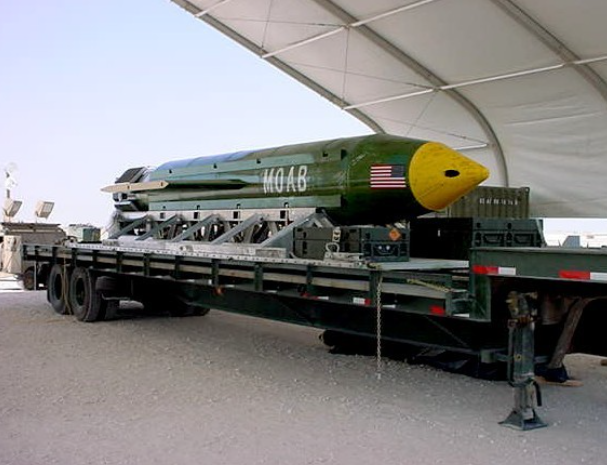
Iran's 'Father of All Bombs' Challenge to US Military Dominance
Iran announces development of 'Father of All Bombs' in response to US military threats, escalating tensions in the Middle East amid potential new military actions.

US Israel Strike Plans Against Iran Post-Midterms: Escalation Risks
US and Israel are reportedly preparing for potential military action against Iran after the US midterm elections, as tensions rise and diplomatic efforts falter.

Saudi Arabia Execution of Bangladeshi Workers: Debunking the 'Honeymoon Kiss' Myth
Fact-checking the viral claims that two Bangladeshi citizens were executed in Saudi Arabia for a honeymoon kiss. We analyze the source of the rumors and the actual circumstances of their arrest and execution.
Latest Articles
- Southwest Airlines Cuts 2026 Profit Forecast Due to Rising Fuel Costs
- eBay 9% Workforce Cut: Strategic Shifts & AI Investment in 2026
- The AI Stock Boom: Goldman Sachs, JPMorgan, and Morgan Stanley's Dominance
- The 30,000 km Journey of Beijing Swifts: Understanding Transnational Bird Conservation
- Japanese Telecom Giant Admits CEO's Actions Caused Massive Mongolia Grassland Fire
- Shanghai Cooperation Organization: Strengthening Global Governance and Future Collaboration