Shanghai Cooperation Organization: Strengthening Global Governance and Future Collaboration
Explore Premier Li Qiang's key address at the SCO Dushanbe Summit, focusing on multilateralism, economic cooperation, and the strategic vision for the next decade.
Source: thepaper.cn
In an era defined by complex geopolitical shifts and the urgent need for robust international cooperation, the Shanghai Cooperation Organization (SCO) stands as a pivotal player in shaping global governance. The recent meeting of Prime Ministers in Dushanbe, Tajikistan, marked a significant milestone, not only celebrating the organization's 25th anniversary but also setting a definitive trajectory for its future. As global powers increasingly prioritize strategic autonomy and regional stability, the discussions held by Chinese Premier Li Qiang highlighted the critical role of multilateralism in addressing shared challenges. This article delves into the core outcomes of the Dushanbe Summit, analyzing the strategic implications for the member states and the broader international community.
Key Highlights from the Dushanbe Summit
-
Strategic Continuity and 25th Anniversary: The meeting served as a pivotal moment to commemorate the Shanghai Cooperation Organization's 25th anniversary. This milestone underscores the organization's evolution from a regional security forum into a comprehensive platform for political, economic, and cultural cooperation, reflecting its growing influence on the global stage.
-
Implementation of Strategic Blueprints: Premier Li Qiang emphasized the urgent need to translate the strategic blueprints established at previous summits, such as the Tianjin Summit, into tangible actions. The focus is on deepening practical cooperation projects that deliver real benefits to the citizens of member nations, ensuring that high-level agreements translate into ground-level development.
-
Enhancing Organizational Efficiency: A central theme of the meeting was the drive to improve the operational efficiency of the SCO. This involves streamlining decision-making processes, enhancing communication channels among member states, and ensuring that the organization can respond swiftly and effectively to emerging regional and global issues.
-
Support for Pakistan’s Chairmanship: Pakistan officially assumed the rotating chairmanship of the SCO, a role that brings with it the responsibility of steering the organization's agenda. The Chinese leadership expressed full support for Pakistan’s initiatives, signaling a commitment to a unified and cooperative approach to regional leadership.
-
Advancing the Four Global Initiatives: Premier Li reiterated China’s commitment to the four major global initiatives proposed by President Xi Jinping. These initiatives—covering areas such as global development, security, and civilization—serve as a guiding framework for the SCO's future activities, aligning regional cooperation with global governance goals.
-
Maximizing Unity Amidst Diversity: In a diverse geopolitical landscape, the SCO is tasked with the challenge of promoting unity while respecting differences. The summit discussions reinforced the importance of 'seeking common ground while reserving differences,' a principle that allows member states with varying political systems and cultural backgrounds to collaborate effectively.
Active Global Engagement: Beyond its regional focus, the SCO is increasingly looking outward. The organization aims to play a more active role on the global stage, engaging with international partners to strengthen multilateralism and contribute to the reform of global governance structures, ensuring that developing voices are heard in international affairs.

In-Depth Analysis: The SCO’s Strategic Imperative
The recent developments at the Dushanbe Summit reveal a deliberate strategic pivot by the Shanghai Cooperation Organization towards greater operational efficacy and global relevance. The emphasis on 'seeking common ground while reserving differences' is particularly noteworthy; it reflects a sophisticated diplomatic approach that acknowledges the diverse political and economic realities of its members while fostering a collective identity. This approach is crucial for maintaining cohesion within a bloc that includes both authoritarian and democratic states, a dynamic often seen in other international forums like the G20 or BRICS.
Furthermore, the focus on 'doing practical work' and strengthening cooperation projects addresses a common critique that multilateral organizations can sometimes become bureaucratic or symbolic. By prioritizing tangible economic and infrastructure projects, the SCO is not only deepening its internal bonds but also demonstrating its value to the populations of Central and South Asia. This aligns with the broader trend of 'economic diplomacy,' where trade and connectivity are used as tools to enhance political stability and mutual trust.
Looking ahead, the organization's ability to navigate the complex geopolitical landscape will depend heavily on its capacity to balance the interests of its members while projecting a unified front. The incoming leadership under Pakistan is expected to face significant challenges, including regional security threats and the need for sustainable economic development. However, the strong mandate given to the new leadership by the summit suggests a renewed commitment to the SCO's founding principles of mutual respect, non-interference, and shared prosperity.
Frequently Asked Questions
Q: What is the primary goal of the Shanghai Cooperation Organization?
A: The SCO's primary goal is to promote stability, security, and prosperity in Eurasia. It achieves this through political dialogue, economic cooperation, and cultural exchange among its member states, while also aiming to enhance international security and reform global governance structures.
Q: How does the SCO differ from other international organizations like NATO or the EU?
A: Unlike NATO, which is primarily a military alliance, or the EU, which focuses heavily on economic and political integration among similar states, the SCO is a more diverse bloc. It includes countries with vastly different political systems and focuses on a broader range of issues including security, counter-terrorism, and infrastructure development, with a specific emphasis on 'seeking common ground while reserving differences.'
Q: What role does China play within the SCO?
A: China is a founding member and the largest economy within the SCO. It plays a leading role in driving the organization's agenda, particularly through initiatives like the Belt and Road and the promotion of the 'Four Global Initiatives,' which seek to align regional cooperation with global governance goals.
Source: https://www.thepaper.cn/newsDetail_forward_34280428
Related posts

Japanese Telecom Giant Admits CEO's Actions Caused Massive Mongolia Grassland Fire
KDDI admits its subsidiary Mobicon's CEO triggered a 530,000-hectare fire in Mongolia's Numrug Nature Reserve during a 4G trial, sparking international outrage.

The 30,000 km Journey of Beijing Swifts: Understanding Transnational Bird Conservation
Discover how Beijing swifts' epic migration across continents highlights the critical need for international cooperation in wildlife conservation efforts.

Nvidia CEO Jensen Huang: Europe Must Act Fast or Risk Falling Behind in AI Race
Nvidia CEO Jensen Huang urges Europe to accelerate AI adoption, criticizing Germany's hesitation and questioning the UK's excessive caution in the global tech race.

Boeing 737 Max 10 FAA Approval: A Major Win After Years of Delays
Boeing secures FAA certification for the 737 Max 10 after significant delays, facing new competition from China and Europe. Discover the implications for airlines and the future of aviation.

General Motors Beats Q3 2026 Earnings Estimates, Announces $20B Buyback
GM beats Wall Street expectations with Q3 2026 earnings, raises free cash flow guidance, and announces a massive $20 billion stock buyback amid inflationary headwinds.

Netflix Q3 2026 Earnings: Ad Tier Growth vs. Stock Slump Analysis
How Netflix's ad-supported tier and cost cuts impact earnings amid slowing subscriber growth and intense competition.
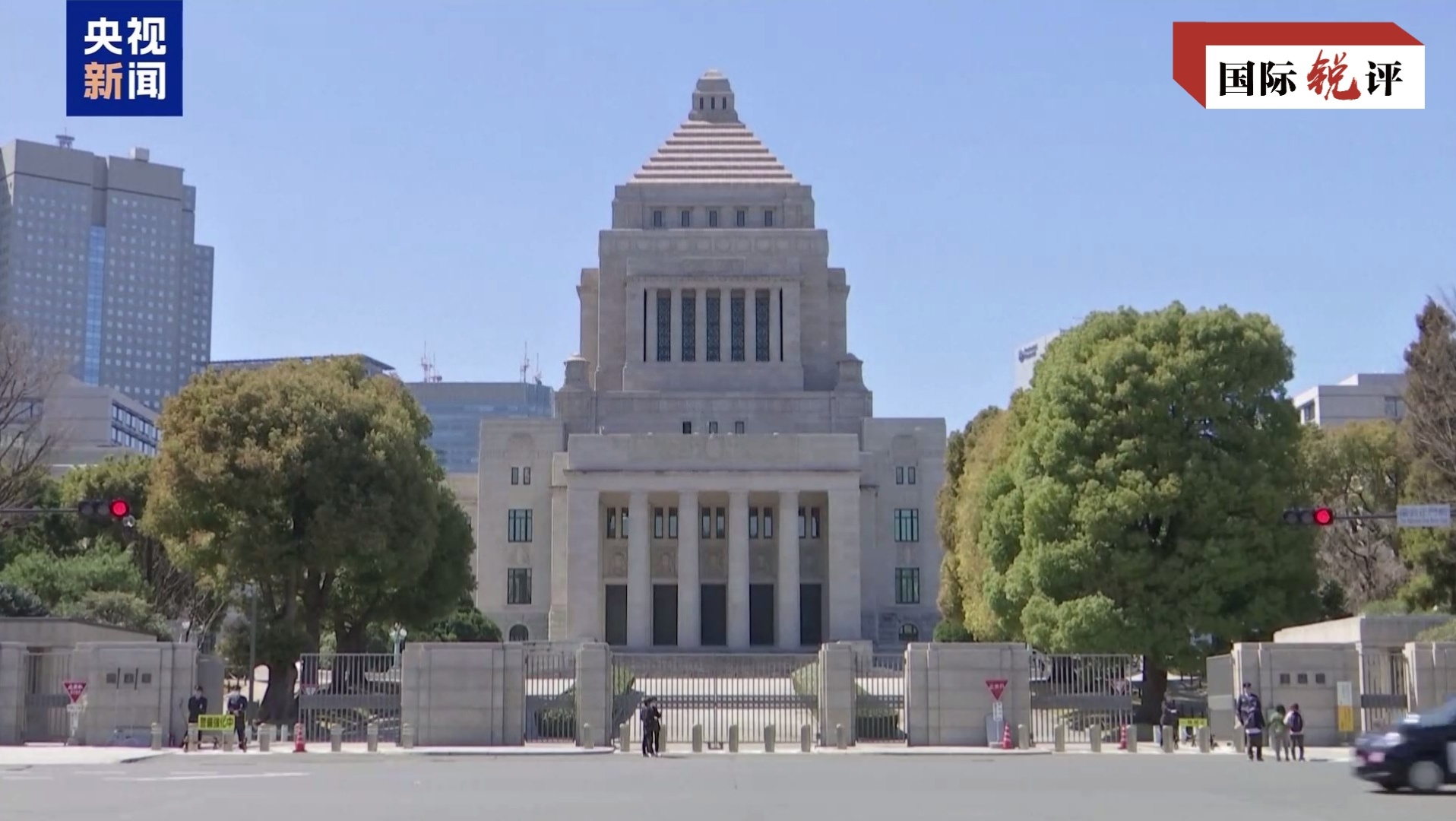
Japanese Politicians' Yasukuni Shrine Visits Spark International Concern
Recent visits by Japanese officials to the controversial war shrine raise alarms about historical revisionism and militarization in the region.
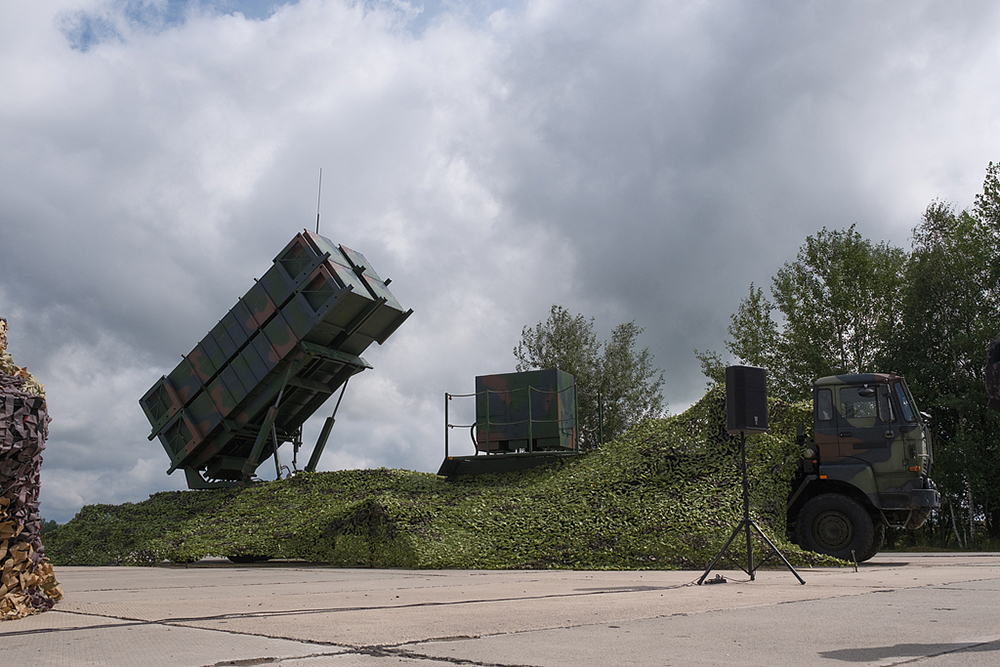
Patriot Missile Holdback: Ukraine Faces Its Darkest Hour Since War Began
US delays critical missile transfers as Ukraine confronts its most challenging period since the conflict began, with dire implications for national defense.
Latest Articles
- Korea's Shrinking Military Pool: The Debate Over Gender-Equal Conscription
- JPMorgan Chase's $5 Billion Defense Strategy: Robot Factories & Hypersonic Missiles
- Netflix cuts 1,000 jobs as streaming growth slows and competition intensifies
- Shanghai's Cultural Renaissance: Festival, Theater, and Consortium Illuminate the City's Artistic Future
- High-and-Mighty Cabinet: More Officials Visit Yasukuni Shrine Amid Rising Controversy
- Oil Exports Plummet as Iran Increases Attacks in Strait of Hormuz