Korea's Shrinking Military Pool: The Debate Over Gender-Equal Conscription
As Korea faces a critical manpower shortage, opposition parties push for gender-neutral conscription. Explore the economic and social implications of mandatory female service.
Source: thepaper.cn
South Korea is standing at a crossroads regarding its national defense strategy. With the number of eligible male conscripts plummeting due to demographic shifts, the country's ability to maintain a robust military is under unprecedented scrutiny. The conversation has shifted from theoretical debates to urgent policy discussions, centering on the controversial proposal of gender-equal conscription. As the government struggles to fill ranks, the question of whether women should serve alongside men is becoming a pivotal issue for the nation's security and social cohesion.
Key Points of the Conscription Debate
- Demographic Crisis: The Korean government projects that the pool of men eligible for conscription will drop below 150,000 by 2040, a significant decline from historical figures. This shrinking population threatens the operational readiness of the Armed Forces.
- Gender-Equal Conscription Proposal: Opposition lawmakers have formally introduced the concept of "gender-equal conscription," arguing that the current system, which mandates service only for men, is outdated and unfair. They suggest that the current approach is a form of "lazy governance" that ignores the needs of national defense.
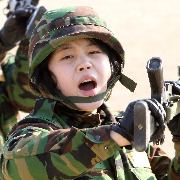
- Current Service Options for Women: Currently, women can only join the military in voluntary capacities as officers or warrant officers. They are not subject to the draft and cannot serve as ordinary soldiers, a distinction that is central to the current legal framework.
- Government's Stance: The Ministry of National Defense and the Military Manpower Administration have stated that they have not yet formally considered a shift to universal conscription. However, they acknowledge the trend and are focusing on improving the social status of military personnel to attract volunteers.
- President Lee Jae-myung's Vision: President Lee Jae-myung advocates for a selective conscription system. He proposes that eligible individuals choose between a shorter 10-month term as an ordinary soldier or a longer 36-month term as a non-commissioned officer, aiming to create a more professional and technologically advanced force.
- Rising Public Support: Public opinion is shifting. Recent surveys indicate that approximately 60% of South Koreans now support mandatory military service for women, a significant increase from previous years when support was below 50%.
In-Depth Analysis
The push for gender-equal conscription in South Korea is not merely a matter of fairness; it is a pragmatic response to a looming existential threat. The country's mandatory military service, which has been in place since 1950, was originally designed around a population structure that is now rapidly vanishing. The demographic cliff facing Korea is steeper than many other developed nations, meaning the pool of young men is shrinking faster than the military can adjust.
From a strategic perspective, the argument for universal service is compelling. In an era of high-tech warfare, maintaining a large standing army is increasingly expensive and difficult to sustain. However, the proposal faces significant hurdles beyond just logistics. The military culture in Korea is deeply traditional, and integrating women into combat roles—where the physical demands are highest—requires a complete overhaul of training standards and unit cohesion.
Furthermore, the social fabric of Korea is currently strained by deep ideological divides. The debate over conscription is often entangled with broader gender wars. Critics argue that forcing women into service without first addressing the systemic issues of sexual harassment within the military would be counterproductive and could fuel further social unrest. The recent high-profile sexual assault scandals involving military personnel have already cast a long shadow over the institution, making the prospect of expanding the draft a sensitive political topic.
Looking ahead, the government appears to be hedging its bets. While the immediate focus is on retaining male volunteers through better pay and conditions, the long-term solution may indeed require a paradigm shift. Whether that shift involves universal conscription or a highly attractive voluntary system remains to be seen, but the pressure on policymakers is mounting as the 2040 deadline approaches.
Frequently Asked Questions
Will women be drafted into the military in South Korea soon?
Currently, there are no immediate plans to implement universal conscription for women. While the opposition party has proposed gender-equal service, the government has stated that they are focusing on improving the current system rather than changing the fundamental structure of the draft.
How does the South Korean military plan to handle the shortage of soldiers?
The government is pursuing a dual approach. They are reforming the conscription system to offer shorter service terms and better benefits for non-commissioned officers to attract volunteers. Simultaneously, they are trying to raise public awareness about the importance of fulfilling military obligations to stem the decline in enlistment rates.
What is the difference between the current conscription system and the proposed selective system?
The current system mandates service for all eligible men. The selective system, championed by President Lee Jae-myung, would allow young men to choose between a shorter 10-month term as a regular soldier or a longer 36-month term as a non-commissioned officer, which comes with higher pay and benefits.
Source: https://www.thepaper.cn/newsDetail_forward_34288682
Related posts
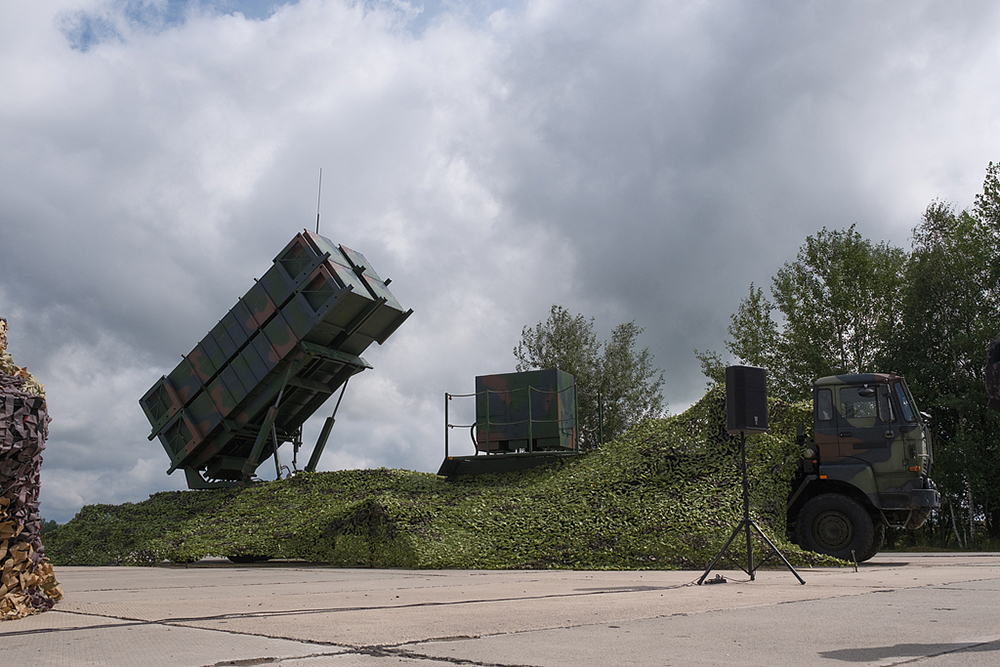
Patriot Missile Holdback: Ukraine Faces Its Darkest Hour Since War Began
US delays critical missile transfers as Ukraine confronts its most challenging period since the conflict began, with dire implications for national defense.
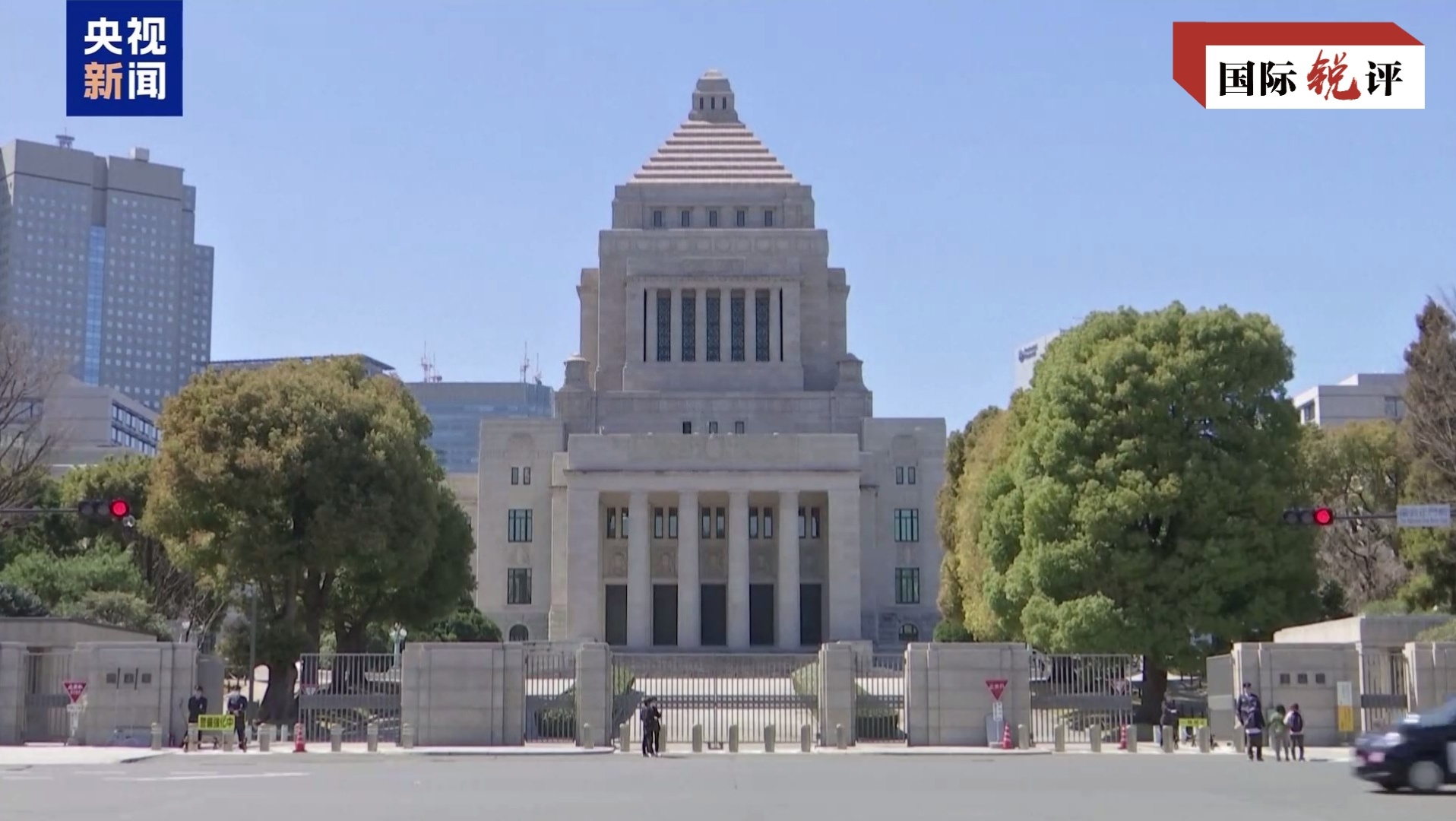
Japanese Politicians' Yasukuni Shrine Visits Spark International Concern
Recent visits by Japanese officials to the controversial war shrine raise alarms about historical revisionism and militarization in the region.

JPMorgan Chase's $5 Billion Defense Strategy: Robot Factories & Hypersonic Missiles
JPMorgan invests $5B in defense startups like Hadrian and Castelion to secure US supply chains against geopolitical threats.

Netflix cuts 1,000 jobs as streaming growth slows and competition intensifies
Netflix lays off 6% of its workforce amid stagnating viewership and the rise of competitors like Skydance and YouTube.
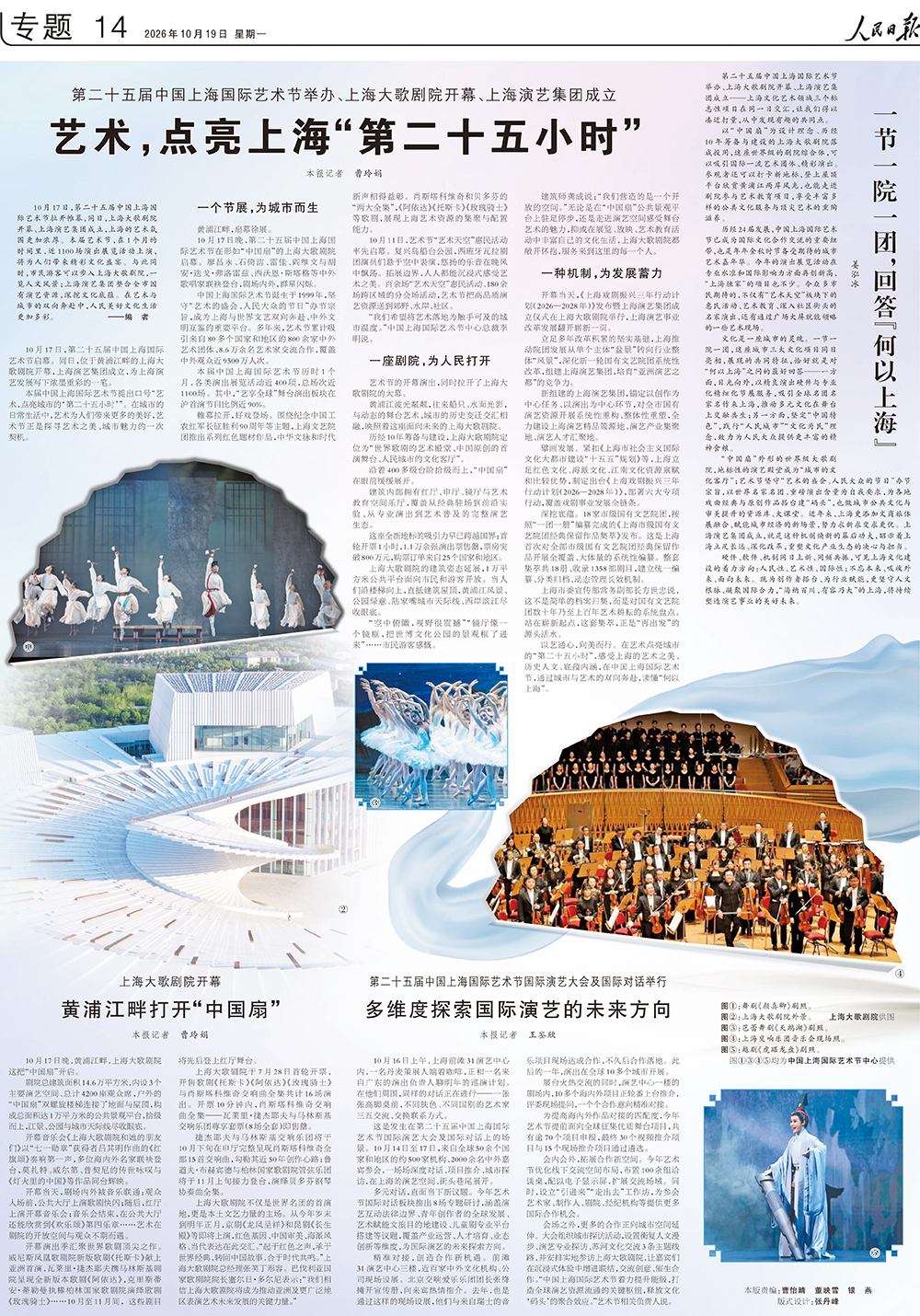
Shanghai's Cultural Renaissance: Festival, Theater, and Consortium Illuminate the City's Artistic Future
Exploring how Shanghai's 25th International Arts Festival, Grand Theater, and Performing Arts Consortium are transforming the city into a global cultural hub through innovative programming and accessible art experiences.
High-and-Mighty Cabinet: More Officials Visit Yasukuni Shrine Amid Rising Controversy
Environment Minister Miyamoto Hiroyuki joins a growing list of conservative politicians visiting Yasukuni Shrine, sparking diplomatic tensions and domestic debate.

Oil Exports Plummet as Iran Increases Attacks in Strait of Hormuz
Three oil tankers hit by mines in one week, causing a sharp drop in global crude exports. Read the analysis of the escalating crisis.

Food Bank Lines Surge Ahead of Midterms: US Families Face Inflation and Welfare Cuts
As inflation and federal budget cuts tighten their grip, long lines are forming at US food banks. This is the reality facing American families ahead of the 2026 midterm elections.
Latest Articles
- Japan's High-profile Yasukuni Shrine Visit: A Challenge to Post-War Order
- U.S. Loosens Fuel Economy Rules: Boost for V-8 Engines and Pickup Trucks
- Noah Adams: NPR Icon And Voice For Rural America
- Social Security Benefits Boost, Russia-Ukraine War Updates, And Global Geopolitical Shifts
- COP17: Critical Moment for Biodiversity Framework Implementation
- Iran's Deep Involvement in Yemen Conflict and Egypt's Potential Military Intervention