Iran's Deep Involvement in Yemen Conflict and Egypt's Potential Military Intervention
Saudi Arabia faces critical shortages in air defense due to Houthi attacks, prompting urgent requests for help. Reports reveal Iran's intelligence support for Houthi strikes, while Egypt prepares to defend Saudi sovereignty.
Source: thepaper.cn
As the conflict between Saudi Arabia and the Houthi forces escalates into a regional crisis, the balance of power in the Arabian Peninsula is shifting dramatically. The situation has moved beyond a localized civil war to a high-stakes geopolitical standoff involving major regional powers. The recent revelations regarding Iran's direct involvement and Egypt's readiness to intervene suggest that the conflict is on the brink of a dangerous expansion.
Key Developments
-
Saudi Arabia's Defense Crisis: Saudi Arabia is facing a critical shortage of air defense interceptors due to relentless missile and drone attacks from the Houthi forces. The Kingdom has been forced to urgently seek military assistance from multiple nations, including France, the UK, Pakistan, and Egypt.
-
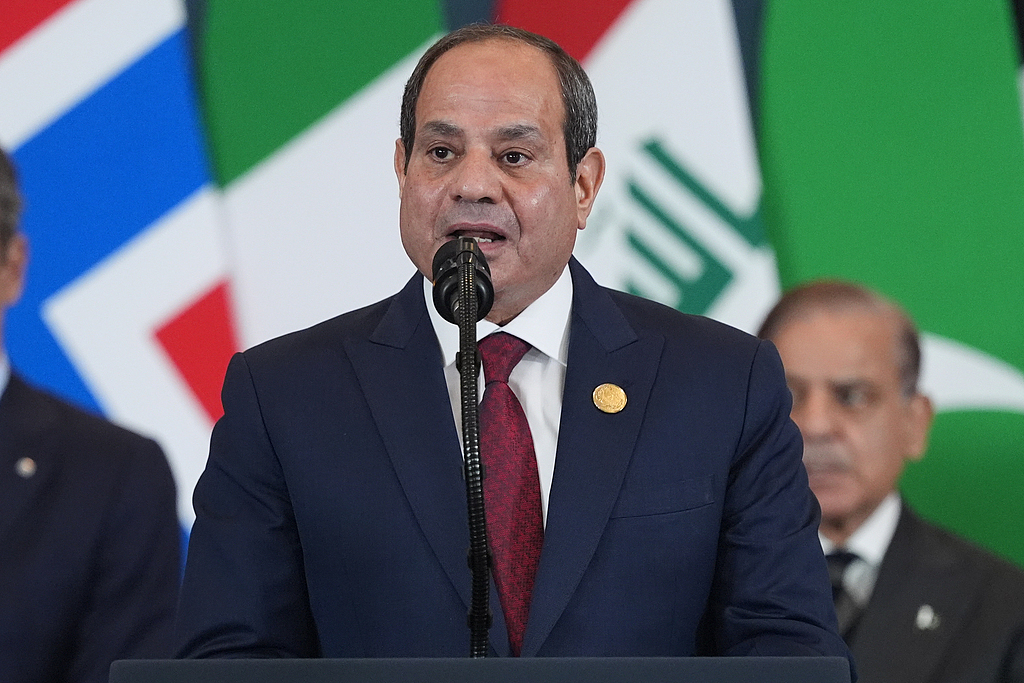
Egypt's Strategic Readiness: Egyptian President Abdel Fattah el-Sisi has signaled that Egypt is prepared to take all necessary measures to defend Saudi Arabia's security and sovereignty if requested. This marks a significant shift in Egypt's traditional non-interventionist stance regarding regional conflicts.
-
Iran's Intelligence Role: Investigations have exposed that the Houthi forces' precision in targeting Saudi infrastructure, including airports and energy facilities, is likely due to critical intelligence, training, and tactical guidance provided by Iran. The Houthi leadership denies these allegations, but evidence suggests a deep strategic alliance.
-
Economic Motivations for Egypt: Egypt is highly motivated to support Saudi Arabia to protect the Suez Canal, a vital economic artery. Attacks by Houthi forces on Red Sea shipping have already caused a significant decline in transit numbers, costing Egypt billions of dollars in lost revenue.
-
Historic Strategic Alliance: Since 2013, Saudi Arabia and Egypt have maintained a robust strategic and economic partnership. Saudi Arabia has provided billions in aid and investment to Egypt, creating a mutual obligation for the Egyptian military to defend the Saudi Kingdom against threats.
In-Depth Analysis
The current escalation in Yemen is not merely a continuation of a civil war; it is a proxy conflict with global economic implications. The Houthi forces' ability to strike deep into Saudi territory with precision indicates a level of military sophistication that cannot be achieved in isolation. This capability is largely attributed to Iran's Revolutionary Guard Corps, which is believed to be providing not just weapons, but the operational know-how to execute complex multi-domain attacks.
For Egypt, the decision to potentially intervene is driven by a mix of strategic obligation and economic necessity. The Suez Canal is the lifeblood of Egypt's economy, and any disruption caused by a wider regional war would be catastrophic. Furthermore, Egypt's military leadership views the defense of Saudi Arabia as a direct extension of its own national security, a sentiment reinforced by decades of diplomatic and financial ties with Riyadh.
The involvement of external actors like the UK and France adds another layer of complexity. It signals a potential return of traditional Western powers to the region, complicating the geopolitical landscape. As the conflict threatens to spill over into the Red Sea, the risk of a broader Middle East war increases, potentially triggering a global energy crisis due to the disruption of oil supplies.
Frequently Asked Questions
Q: Why is Egypt willing to get involved in the Yemen conflict?
A: Egypt's involvement is driven by a strong strategic alliance with Saudi Arabia, which includes significant financial aid. Additionally, Egypt is economically dependent on the safety of the Suez Canal; attacks by Houthi forces have already caused a massive drop in shipping traffic and revenue.
Q: How is Iran supporting the Houthi forces?
A: Reports indicate that Iran is providing critical intelligence, military training, and tactical guidance to the Houthi forces. This support allows the Houthi forces to conduct precise strikes against high-value targets within Saudi Arabia.
Q: What are the broader implications of this conflict?
A: The escalation threatens to destabilize the entire Red Sea region, disrupting international shipping lanes. It also risks drawing in other global powers and could lead to a significant increase in global oil prices due to supply chain fears.
Source: https://www.thepaper.cn/newsDetail_forward_34274890
Related posts

Food Bank Lines Surge Ahead of Midterms: US Families Face Inflation and Welfare Cuts
As inflation and federal budget cuts tighten their grip, long lines are forming at US food banks. This is the reality facing American families ahead of the 2026 midterm elections.

Oil Exports Plummet as Iran Increases Attacks in Strait of Hormuz
Three oil tankers hit by mines in one week, causing a sharp drop in global crude exports. Read the analysis of the escalating crisis.

High-and-Mighty Cabinet: More Officials Visit Yasukuni Shrine Amid Rising Controversy
Environment Minister Miyamoto Hiroyuki joins a growing list of conservative politicians visiting Yasukuni Shrine, sparking diplomatic tensions and domestic debate.

Shanghai's Cultural Renaissance: Festival, Theater, and Consortium Illuminate the City's Artistic Future
Exploring how Shanghai's 25th International Arts Festival, Grand Theater, and Performing Arts Consortium are transforming the city into a global cultural hub through innovative programming and accessible art experiences.

Japan's High-profile Yasukuni Shrine Visit: A Challenge to Post-War Order
Prime Minister Sanae Takaichi and over 70 lawmakers attend the autumn festival, provoking international condemnation.

Netflix cuts 1,000 jobs as streaming growth slows and competition intensifies
Netflix lays off 6% of its workforce amid stagnating viewership and the rise of competitors like Skydance and YouTube.

U.S. Loosens Fuel Economy Rules: Boost for V-8 Engines and Pickup Trucks
The U.S. lowers fuel economy targets to 34.9 mpg by 2031. Automakers see a financial tailwind, leading to a resurgence of V-8 engines and a shift away from compliance-focused EV investments.

Noah Adams: NPR Icon And Voice For Rural America
Explore the legacy of NPR's Noah Adams, a master storyteller who captured the soul of rural America and shaped public radio journalism for decades.
Latest Articles
- Social Security Benefits Boost, Russia-Ukraine War Updates, And Global Geopolitical Shifts
- COP17: Critical Moment for Biodiversity Framework Implementation
- Haze from Kalimantan Forest Fires Reaches Jakarta Sky
- France Protests 2026: Mass Demonstrations Over Living Costs and Education
- Trump Signs Executive Order to Waive Key Sanctions on Russia Amid Energy Crisis
- LDP Senior Official Visits Yasukuni Shrine Amid Rising Regional Tensions