COP17: Critical Moment for Biodiversity Framework Implementation
As the Kunming-Montreal Global Biodiversity Framework faces implementation challenges, COP17 must deliver concrete solutions to address funding gaps, subsidy reforms, and global cooperation.
Source: thepaper.cn
The global community stands at a critical juncture in the fight against biodiversity loss. With the first global progress report on the Kunming-Montreal Global Biodiversity Framework revealing significant implementation gaps, all eyes are on COP17 in Yerevan, Armenia. This conference represents our best chance to transform ambitious commitments into actionable solutions before the 2030 deadline looms closer. The stakes have never been higher, as scientists warn that delaying action could double conservation costs and push more species toward irreversible extinction.
Key Findings from the Global Progress Report
-
Uneven Progress Across All 23 Targets: The first-ever "Biodiversity Status Report" reveals that while countries have taken action on all 23 biodiversity targets, none are progressing positively across the board. The most significant gaps appear in areas requiring fundamental economic shifts, including reforming harmful subsidies and integrating biodiversity into economic decision-making.
-
Funding Shortfall Remains Critical: The international community has fallen drastically short of financial commitments. While the framework calls for $30 billion annually by 2030 (and $20 billion by 2025), actual reported funding averaged just $4.4 billion per year between 2020-2023. This massive gap threatens the entire implementation effort.
-
Harmful Subsidies Persist: Despite a target to reduce $500 billion annually in biodiversity-harmful subsidies by 2030, only about 5% of countries have established quantified reduction targets. Political resistance and entrenched interests continue to block necessary reforms in this crucial area.
-
Implementation Lags in Key Areas: The Convention on Biological Diversity reports that less than half of national targets aligned with the framework are progressing as scheduled. Particularly concerning are slow advances in resource mobilization, harmful subsidy reform, and inclusive governance approaches.
-
Mixed Results in Conservation Efforts: While some conservation targets show "promising efforts," the overall pace remains insufficient to halt biodiversity loss. Protected areas are expanding, but effectiveness and equitable management remain significant challenges.

In-Depth Analysis
The implementation challenges revealed in the progress report expose a fundamental tension between immediate economic interests and long-term ecological sustainability. The World Wildlife Fund correctly identifies that public fiscal constraints, food and energy security concerns, and political short-sightedness are driving factors behind the slow progress. When reforms threaten powerful industries or require short-term costs without immediate visible benefits, political will tends to weaken.
The international dimension adds another layer of complexity. The framework's financial mechanism, which requires developed nations to support developing countries, faces credibility issues as actual funding falls far below promises. This creates a trust deficit that hinders global cooperation on biodiversity conservation.
Economically, the business case for delayed action grows weaker with each passing year. The Intergovernmental Science-Policy Platform on Biodiversity and Ecosystem Services estimates that current economic models are imposing hidden costs of $10-25 trillion annually through biodiversity loss, climate change impacts, water scarcity, and health risks. These externalities are not being accounted for in national accounting systems, creating a perverse incentive system that undervalues conservation.
Looking ahead, COP17 must bridge the gap between aspiration and implementation. The conference presents a unique opportunity to establish clear mechanisms for monitoring progress, reforming harmful subsidies, and scaling up financing. Success will require not just technical solutions but also addressing the political economy of biodiversity conservation – finding ways to distribute costs equitably while ensuring benefits are widely shared.

Frequently Asked Questions
What specific outcomes can we expect from COP17? COP17 is expected to produce a comprehensive implementation roadmap with specific targets for funding mechanisms, subsidy reforms, and monitoring systems. The conference will likely establish clearer accountability measures and create new financial instruments to bridge the implementation gap.
How will COP17 address the funding shortfall? The conference is expected to finalize details on the Global Biodiversity Framework Fund and explore innovative financing mechanisms such as debt-for-nature swaps, biodiversity credits, and increased private sector engagement. Developing countries will be pushing for binding financial commitments with clear timelines.
What role will businesses play in implementing the framework? COP17 is expected to strengthen requirements for businesses to assess and report their biodiversity impacts, similar to how climate reporting has evolved. Companies will likely face increasing pressure to align their operations with the framework's targets, particularly in sectors like agriculture, forestry, and fisheries that have significant biodiversity footprints.
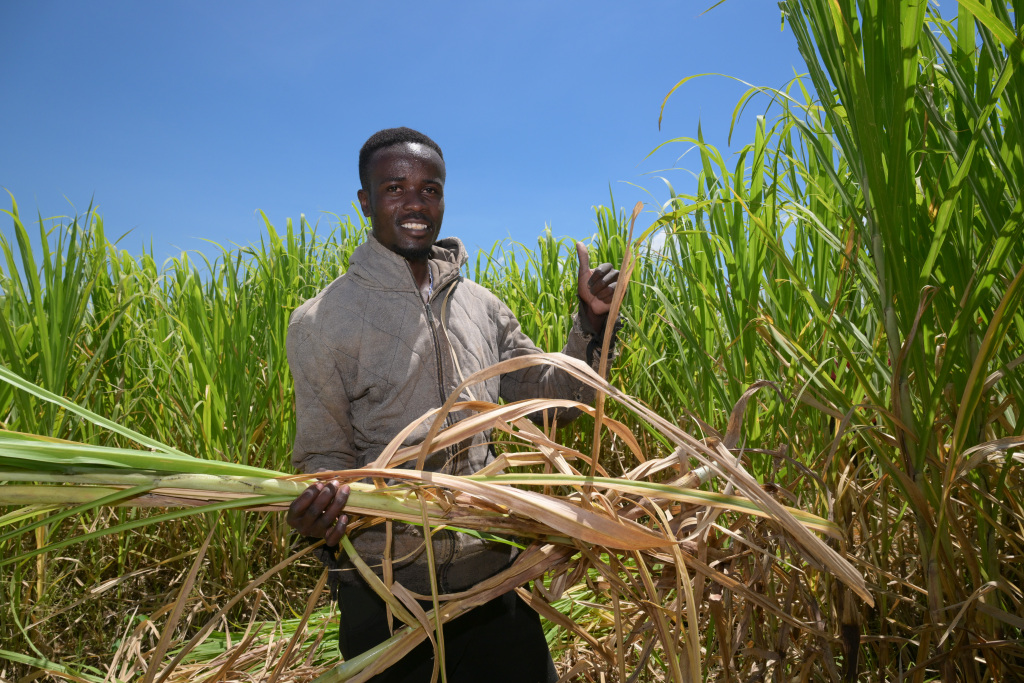
Source: https://www.thepaper.cn/newsDetail_forward_34269123
Related posts
France Protests 2026: Mass Demonstrations Over Living Costs and Education
Hundreds arrested in France as millions march against fuel prices, education cuts, and public service reforms. Explore the latest updates.
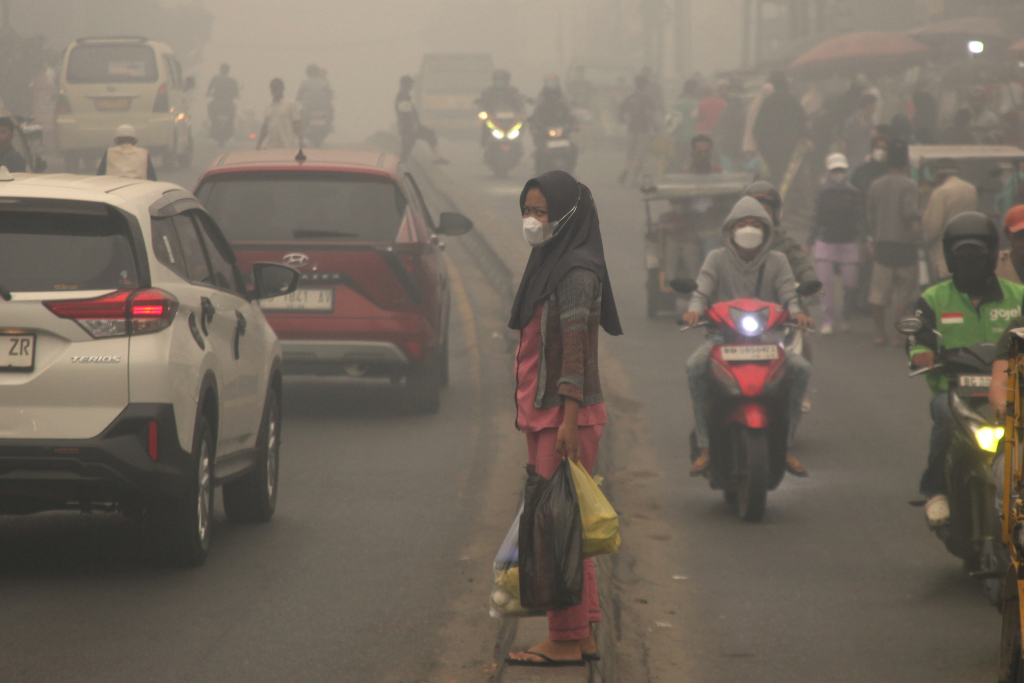
Haze from Kalimantan Forest Fires Reaches Jakarta Sky
Smoke from massive forest fires in Kalimantan, Indonesia, has drifted over the capital, Jakarta, creating hazardous air quality conditions and affecting neighboring Singapore and Malaysia.

Trump Signs Executive Order to Waive Key Sanctions on Russia Amid Energy Crisis
Trump administration exempts major parts of the Graham Bill, including 500% tariffs on Russian imports, to stabilize domestic fuel markets.

LDP Senior Official Visits Yasukuni Shrine Amid Rising Regional Tensions
Analysis of the recent high-profile visits to Yasukuni Shrine by Japanese LDP leadership, including Katsunobu Kato and Masako Okada, and their implications for regional diplomacy.
Merck CEO: Cancer Vaccine Production Timeline to Shorten
Merck and Moderna's personalized cancer vaccine is evolving. CEO Rob Davis discusses speeding up the six-week manufacturing process to reach more patients sooner.

Porsche Unveils Mission S Concept: New Flagship Design Direction
Porsche reveals Mission S concept car previewing new design language and positioning above iconic 911 as part of turnaround strategy.
AI Startup Bankruptcies: The Reverse Acquihire Trend Explained
Character.ai's bankruptcy reveals a troubling trend in the AI industry: 'reverse acquihires' by tech giants like Google. We analyze the financial and strategic implications for startups.
IMF Secretary-General Warns: Strait of Hormuz Risks Remain High Amid Rising Attacks
The Strait of Hormuz faces severe security threats, with over 110 vessels attacked since conflict escalation. Learn why global shipping is at risk and what measures are being taken.
Latest Articles
- Trump's AI to SI Rename: Political Theater or Tech Revolution?
- KFC Switches to Coca-Cola After Decades-Long Partnership with Pepsi
- Netflix Appoints Peter Rice as New Chief Content Officer to Revitalize Strategy
- Nike's India Campus Strategy Amid China Sales Decline
- China's Diplomatic Stance on Philippines: Navigating Tensions and Seeking Stability
- US Restrictions on Chinese Drones Backfire as Performance Gap Widens