Trump's AI to SI Rename: Political Theater or Tech Revolution?
Examining the implications of Trump's controversial decision to replace 'AI' with 'SI' in all US government documents, analyzing the political motivations and global repercussions.
Source: thepaper.cn
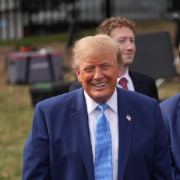
In the ever-evolving landscape of technology and politics, few moves have sparked as much controversy as the recent executive order mandating the replacement of 'AI' (Artificial Intelligence) with 'SI' (Super Intelligence) across all US government communications. This abrupt terminology shift, announced on September 29, 2026, has sent shockwaves through global tech circles, academia, and diplomatic channels. The directive threatens penalties for government officials and federal contractors who continue using the traditional term, raising profound questions about the intersection of language, politics, and technological progress in an increasingly divided world.
Core Content
-
Historical Context: The term 'Artificial Intelligence' has been the global standard since 1956 when computer scientist John McCarthy first introduced it at the Dartmouth Conference. This terminology has remained consistent through decades of technological evolution, from traditional machine learning to today's generative models, representing a foundational concept in computer science that transcends national boundaries.
-
The .ai Domain Paradox: Interestingly, the tiny Caribbean nation of Anguilla benefits economically from the .ai domain extension, which became valuable precisely because of the global recognition of 'AI' as a technological term. This small territory has thrived by renting out its country code domain to AI companies worldwide, demonstrating how global consensus on terminology creates tangible economic benefits that would disappear if terminology were arbitrarily changed.
-
Political Motivations: The renaming appears strategically motivated to distance current US policy from previous administrations. Trump has criticized Biden-era AI policies as overly ideological and restrictive, with this terminology change serving as a symbolic break from that approach while attempting to project American technological dominance in an increasingly competitive global landscape.
-
Industry Response: The tech community remains deeply divided. While some prominent figures like Elon Musk and Jensen Huang have embraced the change, modifying their company branding to use 'SI', the overwhelming majority of researchers, academics, and international governments have rejected the new terminology. Polls show only 9% of Americans support the change, with over half preferring the traditional term.
-
Global Repercussions: The directive has created significant friction in international scientific cooperation. Seventy years of research papers, collaborative projects, and technical standards have been built around the term 'AI'. Forcing terminology changes threatens to fragment the global scientific community, increase communication barriers, and potentially slow down collective progress in artificial intelligence development.
In-depth Analysis
This terminology shift represents far more than a simple semantic change—it's a deliberate attempt to reshape the narrative around American technological leadership. In an era where China and other nations are rapidly advancing in AI capabilities, the US faces increasing pressure to maintain its competitive edge. By introducing 'Super Intelligence' as the new standard, the administration aims to create a perception of American technological superiority that may not yet exist in practice.
The move follows a pattern of Trump's previous attempts to modify geographical names, including renaming the Gulf of Mexico to 'American Gulf' and attempting to revert Denali to Mount McKinley. These actions reflect a consistent strategy of leveraging language as a tool for asserting dominance and reshaping international perceptions.
Historically, such attempts to impose terminology changes have rarely succeeded. Colonial powers that renamed territories to erase local cultures found those reverted after independence. Similarly, the Soviet Union's attempt to create alternative physics terminology failed because scientific progress depends on universal standards that enable global collaboration.
The most concerning aspect of this policy is its potential to politicize science itself. When terminology becomes subject to political whims rather than scientific consensus, it risks undermining the objectivity that drives innovation. This could accelerate the formation of competing technological blocs, each with its own terminology and standards, ultimately fragmenting global progress.
Looking ahead, the long-term impact of this policy remains uncertain. While the US government may enforce the use of 'SI' in its communications, the global scientific community will likely continue using 'AI' as the standard term. This divergence could create interesting tensions in international research collaborations and potentially accelerate the development of alternative technological ecosystems outside American influence.
Frequently Asked Questions
Why is the Trump administration pushing for this change? The administration argues that 'Super Intelligence' better reflects current technological capabilities beyond simple 'artificial' systems. However, critics view this as primarily a political move to rebrand American technological leadership and create distance from previous policies rather than a scientifically necessary change.
Will other countries follow this terminology change? Unlikely. Major technological powers including Japan, China, and European nations have explicitly stated they will continue using 'AI' as the standard term. The global scientific community relies on established terminology for consistency in research and collaboration, making widespread adoption of 'SI' improbable.
What practical impact will this have on the tech industry? The immediate impact may be minimal in technical terms, as underlying technologies remain unchanged. However, it could create confusion in international business, academic publishing, and standard-setting bodies. Companies operating globally may need to navigate dual terminology systems, potentially increasing costs and complexity.
Source: https://www.thepaper.cn/newsDetail_forward_34263975
Related posts
KFC Switches to Coca-Cola After Decades-Long Partnership with Pepsi
Breaking: KFC will replace PepsiCo with Coca-Cola beverages across all U.S. locations by Q1 2027, marking a major shift in the fast-food industry's beverage alliances.
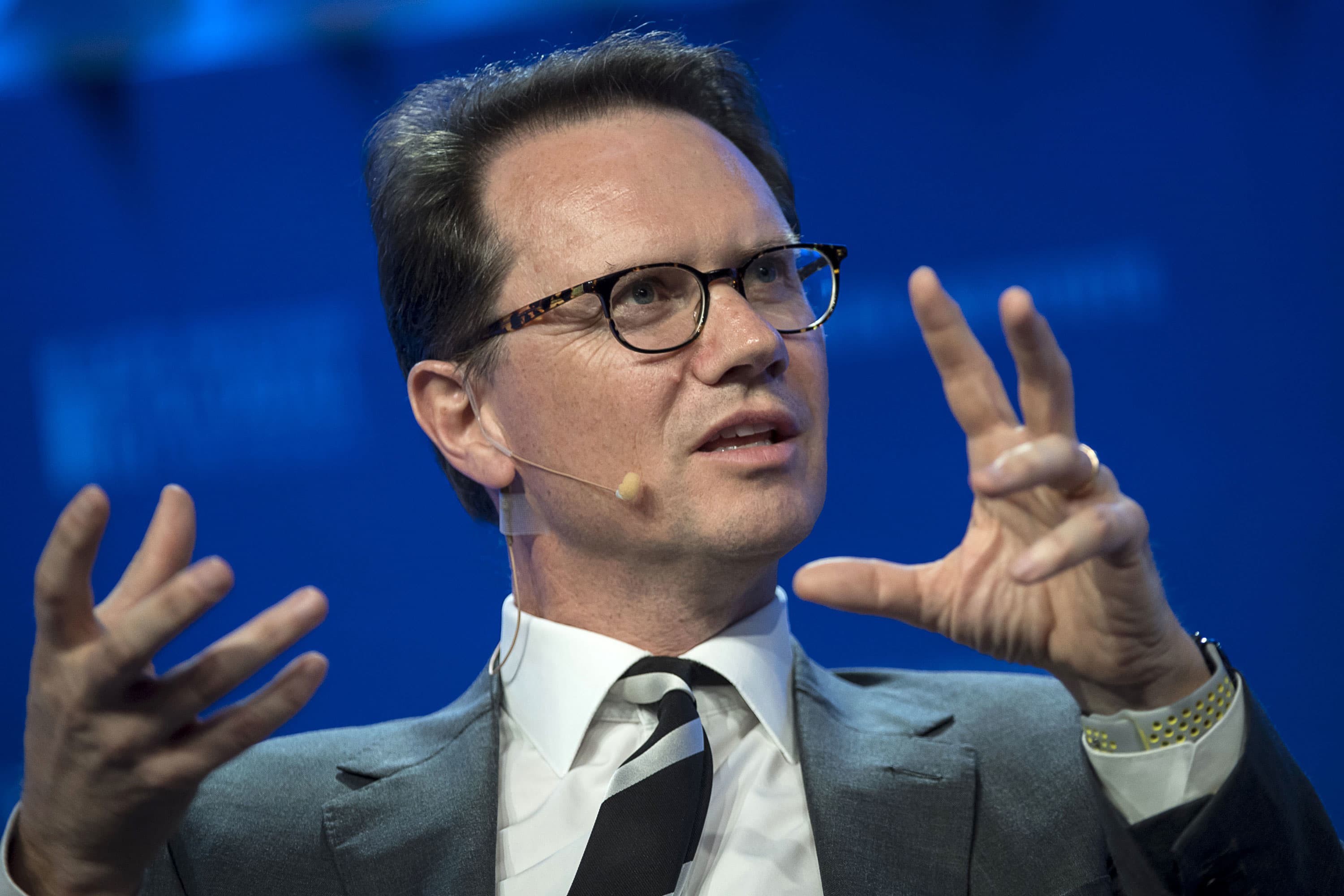
Netflix Appoints Peter Rice as New Chief Content Officer to Revitalize Strategy
Netflix hires former Disney executive Peter Rice to lead content, replacing Bela Bajaria amid declining viewership and a massive workforce cut.
Nike's India Campus Strategy Amid China Sales Decline
Nike invests in Bengaluru campus as growth strategy while facing 26% revenue drop in China market.
China's Diplomatic Stance on Philippines: Navigating Tensions and Seeking Stability
China urges the Philippines to accurately understand its stance on improving bilateral relations amidst rising tensions and military rhetoric.
US Restrictions on Chinese Drones Backfire as Performance Gap Widens
American bans on Chinese drones are causing significant problems across multiple industries, with police departments and construction firms struggling to find affordable alternatives that match Chinese technology.

Strait of Hormuz Attacks Surge as Iran Seeks to Influence US Midterm Elections
Recent spike in vessel attacks in the Strait of Hormuz reveals Iran's strategy to impact global oil markets and US politics amid escalating tensions.
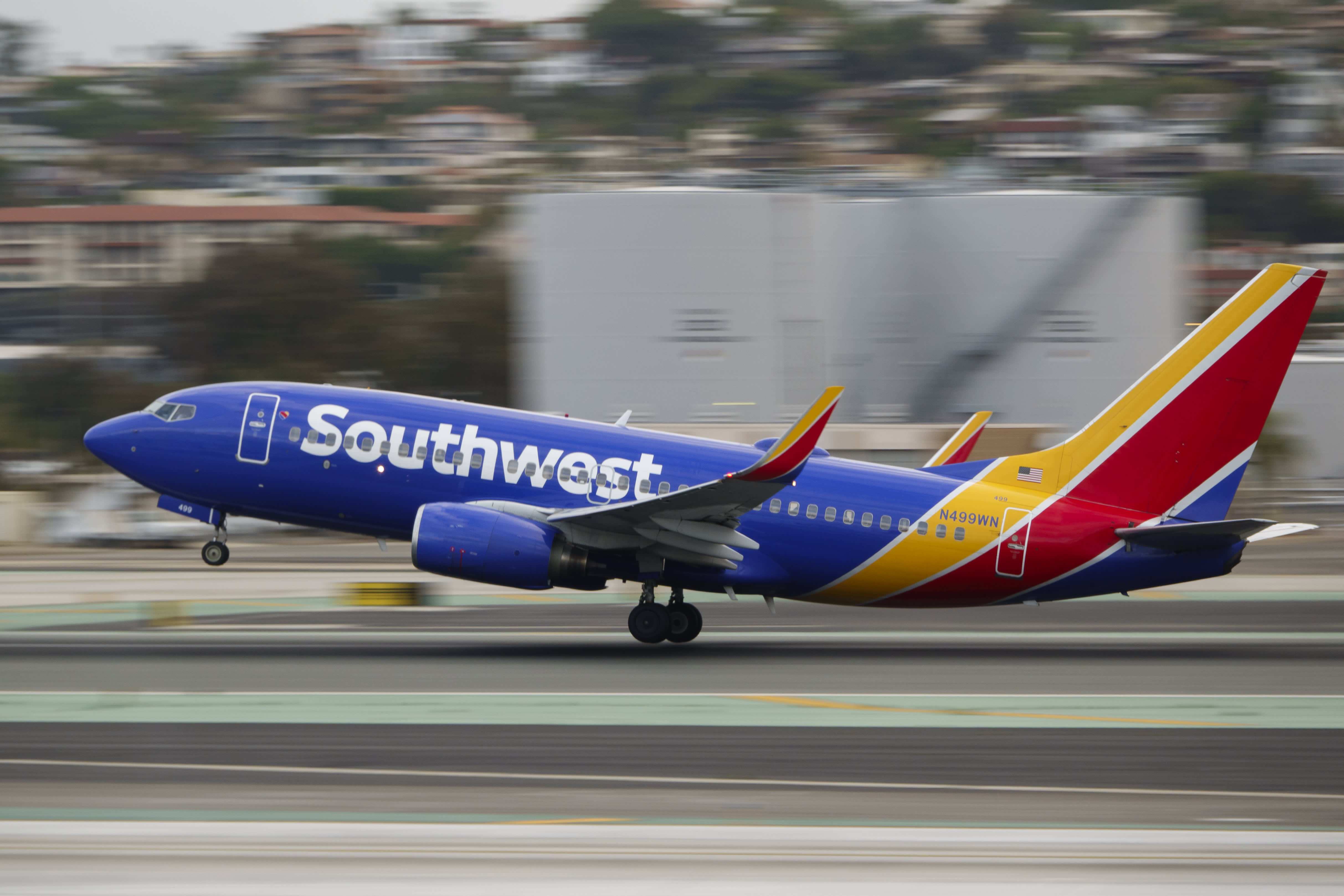
Southwest Airlines Overhauls Loyalty Program with New Tiers and Benefits
Southwest Airlines is replacing its two-tier frequent flyer program with silver, gold, and platinum levels, offering enhanced benefits and changing its approach to the Companion Pass.
Oregon School Shooting: Tragedy Sparks Debate on Gun Control
A deadly shooting at an Oregon elementary school leaves at least 5 dead, reigniting national conversation about school safety and gun legislation.
Latest Articles
- The Billionaire Space Race: Musk vs. Bezos
- JetBlue BlueFirst: New Domestic First Class for Under $300
- Bank of America Spends Billions to Patch AI-Exposed Flaws
- Zelensky Announces Resumption of Strikes on Russian Oil Refineries
- SpaceX Starshield Cuts Ukraine's Starlink Speed: US-Government Pressure or Political Stunt?
- China Upgrades Asia-Africa Pavilion at CIIE to Boost Zero-Tariff Benefits