JetBlue BlueFirst: New Domestic First Class for Under $300
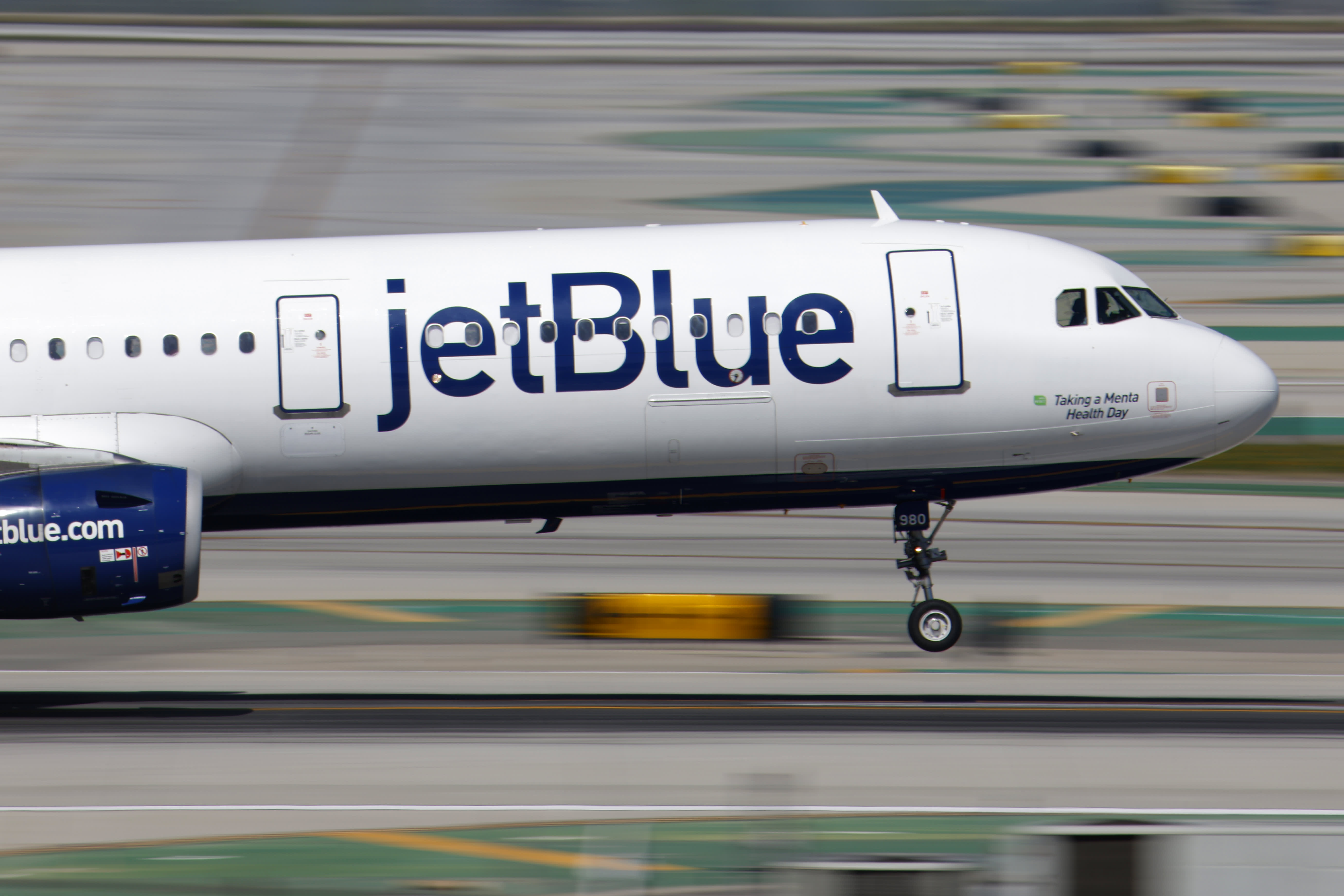
JetBlue launches BlueFirst, a new domestic first-class cabin with lie-flat seats and premium amenities, starting at $299. Here is what you need to know.
Source: CNBC
The aviation industry is witnessing a significant shift as legacy carriers and low-cost competitors alike pivot toward premiumization. JetBlue, a pioneer in the transatlantic premium market, is now aggressively targeting the domestic sector with its latest innovation. The airline has officially unveiled BlueFirst, a new domestic first-class offering designed to bridge the gap between standard economy and its international Mint business class. This move signals JetBlue's strategic intent to capture a larger share of the market by offering higher-yield fares on shorter routes. As travelers increasingly demand more comfort and personalized service, even on domestic flights, the introduction of BlueFirst arrives at a critical juncture in the competitive landscape of U.S. air travel.
Key Highlights of JetBlue BlueFirst
- Expanded Availability: BlueFirst seats are now open for booking on over 30 domestic routes, covering key markets across the United States.
- Distinct from Mint: Unlike the airline's lie-flat Mint business class, which is reserved for longer international flights, BlueFirst is designed specifically for domestic routes that do not require flat beds.
- Introductory Pricing: JetBlue is offering competitive introductory fares, with tickets starting as low as $249 on select routes.
- Enhanced Comfort: Passengers can enjoy seats that recline up to 5 inches and receive up to 7 inches of additional legroom compared to Main Cabin seats.
- Premium Amenities: The cabin includes Bluetooth-connected seatback screens, complimentary food and beverages, and priority services like Group 1 boarding and expedited security screening.
- Flexible Fare Options: The new tier includes a standard option and a "flex" option, which offers greater flexibility for changes and cancellations.
- Strategic Launch: The inaugural flight is scheduled for December 8, 2026, between Boston and Fort Lauderdale, Florida, with additional routes to follow in the coming weeks.
In-Depth Analysis
The launch of BlueFirst represents a calculated risk and a necessary evolution for JetBlue. For years, the airline has relied on its Mint product to drive profitability on long-haul international flights. However, the domestic market presents a different set of challenges and opportunities. By introducing a premium cabin on shorter flights, JetBlue is effectively monetizing demand for a better travel experience without the operational complexity of lie-flat seats. This strategy allows the airline to compete more directly with legacy carriers like American and United, which have long dominated the domestic premium market.
From a consumer perspective, BlueFirst addresses a growing dissatisfaction with cramped economy seats. The promise of 7 inches of extra legroom and a recline of up to 5 inches is a compelling value proposition for business travelers and leisure passengers alike. Furthermore, the inclusion of Group 1 boarding and expedited security is a tangible benefit that saves time, a critical factor for the modern traveler. The "flex" fare option also suggests a move toward a more customer-centric pricing model, acknowledging that flexibility is a premium commodity in today's volatile travel environment.
However, the success of BlueFirst will ultimately depend on JetBlue's execution and the willingness of passengers to pay a higher fare for domestic travel. The introductory pricing strategy is a smart way to generate buzz and attract early adopters, but sustaining interest will require consistent service quality and a clear differentiation from the standard Main Cabin experience. As the airline rolls out the new cabin on more routes, it will be interesting to observe how this impacts overall load factors and revenue per available seat mile (RASM).
Frequently Asked Questions
What is the difference between BlueFirst and JetBlue Mint?
JetBlue Mint is the airline's international business class, featuring lie-flat seats, premium dining, and a dedicated lounge. BlueFirst is a domestic-first class designed for shorter flights, offering enhanced comfort and amenities but without lie-flat seating.
How much does a BlueFirst ticket cost?
JetBlue is currently offering introductory fares ranging from $249 to $299 on select routes. Prices will vary based on the specific flight, date, and availability.
What amenities are included in the BlueFirst cabin?
BlueFirst passengers enjoy seats with extra legroom and recline, Bluetooth-connected seatback screens, complimentary food and beverages, priority boarding (Group 1), and expedited security screening.
Source: https://www.cnbc.com/2026/10/15/jetblue-bluefirst-first-class.html
Related posts

The Billionaire Space Race: Musk vs. Bezos
Elon Musk and Jeff Bezos are locked in a fierce rivalry for the future of space exploration, utilizing their immense wealth to dominate the aerospace industry.
Southwest Airlines Overhauls Loyalty Program with New Tiers and Benefits
Southwest Airlines is replacing its two-tier frequent flyer program with silver, gold, and platinum levels, offering enhanced benefits and changing its approach to the Companion Pass.

Strait of Hormuz Attacks Surge as Iran Seeks to Influence US Midterm Elections
Recent spike in vessel attacks in the Strait of Hormuz reveals Iran's strategy to impact global oil markets and US politics amid escalating tensions.
US Restrictions on Chinese Drones Backfire as Performance Gap Widens
American bans on Chinese drones are causing significant problems across multiple industries, with police departments and construction firms struggling to find affordable alternatives that match Chinese technology.
Bank of America Spends Billions to Patch AI-Exposed Flaws
Discover how Bank of America deployed 1,000 contractors to fix software vulnerabilities exposed by Anthropic's Mythos AI, marking a costly defensive shift in enterprise security.

Zelensky Announces Resumption of Strikes on Russian Oil Refineries
Ukraine to restart attacks on Russian energy infrastructure after temporary pause requested by US, citing lack of missile warnings and Starlink limitations.
SpaceX Starshield Cuts Ukraine's Starlink Speed: US-Government Pressure or Political Stunt?
Ukraine claims SpaceX Starlink speed limits are hindering military operations. We analyze the US government's alleged role in restricting Starshield services and its impact on the Ukraine war.
China Upgrades Asia-Africa Pavilion at CIIE to Boost Zero-Tariff Benefits
China's Ministry of Foreign Affairs announces enhanced Asia-Africa product zone at CIIE 2026 to help African nations capitalize on zero-tariff advantages.
Latest Articles
- Bank of America Q3 2026: Revenue Miss, Regulatory Penalty, and Stock Drop Analysis
- Morgan Stanley Q3 2026: AI Boom Fuels Record Equity Trading Revenue
- AI-Powered Counterterrorism: New Frontiers in the Fight Against Modern Terrorist Threats
- Korea's Yoon Suk Yeol Prepares for Trump Golf Meeting
- Climate Journalism at the Tipping Point: Finding Action in Environmental Crisis
- US Lawmaker: AI Transcends Borders, Urging US-China Cooperation