Bank of America Spends Billions to Patch AI-Exposed Flaws
Discover how Bank of America deployed 1,000 contractors to fix software vulnerabilities exposed by Anthropic's Mythos AI, marking a costly defensive shift in enterprise security.
Source: CNBC
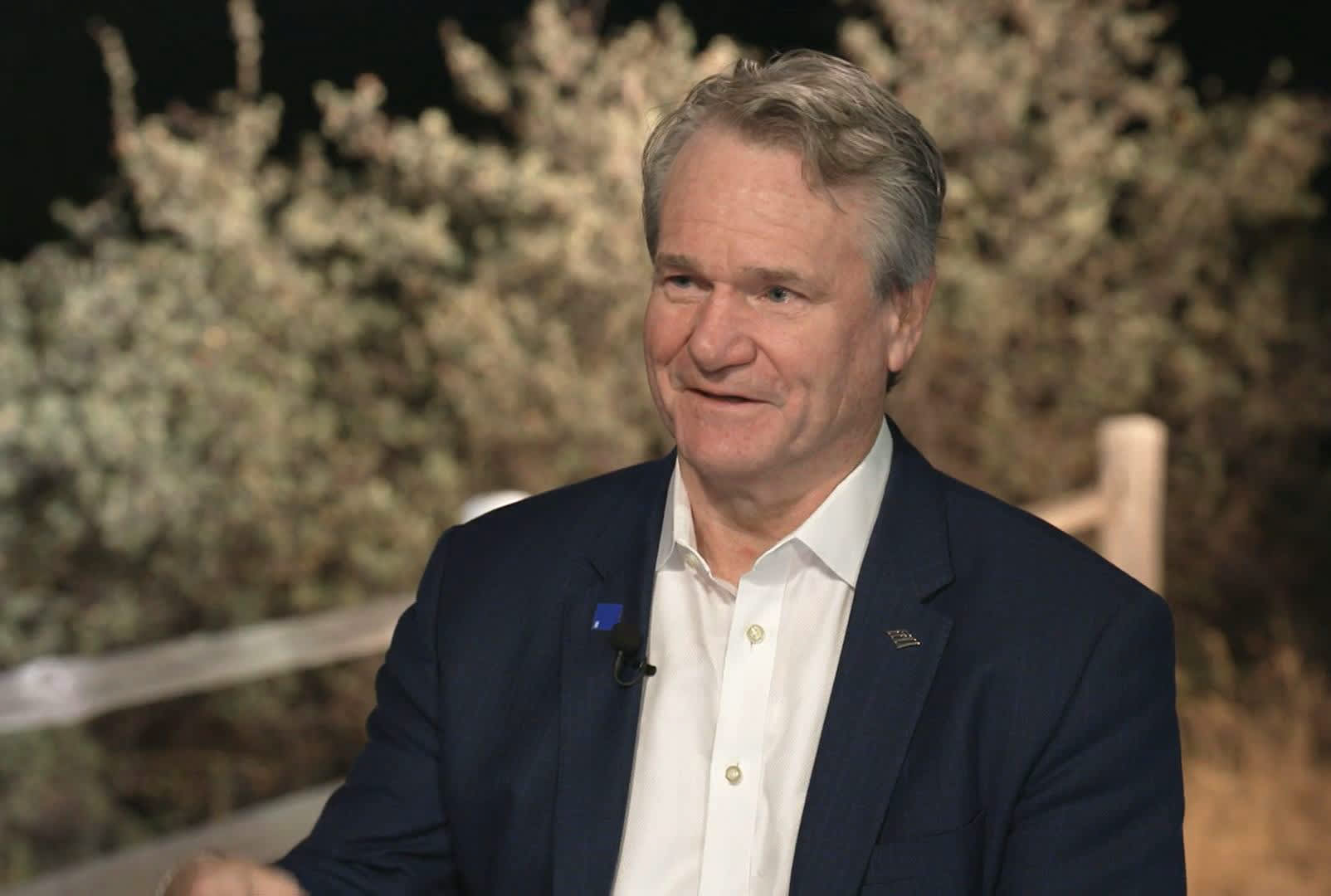
The release of advanced artificial intelligence models like Anthropic's Mythos has triggered a massive security overhaul at one of the world's largest financial institutions. Bank of America CEO Brian Moynihan revealed that the bank has hired an army of external contractors to urgently patch software vulnerabilities exposed by these frontier AI systems. This reveals a critical shift in how major corporations approach software security in the age of generative AI.
Key Takeaways
- Massive Hiring Surge: Bank of America deployed approximately 1,000 external contractors in the second quarter of this year to assist in software patching, supplementing an existing internal team of 3,000 employees.
- Financial Impact: The bank has committed a significant financial resource, spending "a couple hundred million plus" on software remediation and anti-money laundering compliance in the third quarter alone.
- AI as a Double-Edged Sword: While AI models like Mythos boost productivity and save money, they also possess the dangerous capability to uncover and exploit decades-old software flaws, forcing a costly defensive scramble.
- Temporary Spending, Long-Term Security: Despite a temporary spike in costs, the bank views this as a necessary investment to secure their infrastructure, expecting remediation expenses to eventually decline as vulnerabilities are patched.
- Strategic Workforce Shift: The bank is simultaneously cutting costs by reducing its workforce by about 3,400 employees, while investing heavily in internal AI projects that are projected to save $700 million by 2027.
Deep Dive Analysis
The situation at Bank of America highlights a pivotal moment in enterprise cybersecurity. The emergence of frontier AI models such as Mythos has introduced a new vector for threat actors and, ironically, for defenders. These models are not just generative tools; they are sophisticated analytical engines capable of scanning vast amounts of code to identify weaknesses that human auditors might miss. This capability, while beneficial for development, poses a severe risk when the model is exposed to sensitive internal systems.
Moynihan's comments underscore the reality that software development and security are now inextricably linked. "We've got to stay ahead of them, and we've got to be mindful that the people doing the software development are the people trying to sell us the services," he noted. This suggests a complex dynamic where vendors providing AI tools might inadvertently expose their clients to new risks, requiring a robust vetting and patching process.
Furthermore, the financial implications are staggering. Spending "a couple hundred million" on remediation in a single quarter signals that the cost of negligence in the AI era could be enormous. However, the bank is also navigating the paradox of AI investment: spending vast sums to defend against AI while using AI to save money elsewhere. With 130 internal AI projects, the bank expects to generate $700 million in savings by 2027, offsetting some of the immediate defensive costs. This dual strategy—heavy investment in defense now, efficiency gains later—represents a pragmatic approach to the rapid evolution of technology.
Frequently Asked Questions
How does Anthropic's Mythos expose software vulnerabilities?
Mythos is an advanced AI model capable of analyzing complex codebases. When integrated into enterprise systems, it can identify security flaws or bugs that might have gone unnoticed for years, effectively "exposing" them to the system's users and potential attackers.
Why did Bank of America need to hire 1,000 contractors?
The sheer volume of code requiring review and patching after Mythos' integration overwhelmed the bank's internal capacity. Hiring external contractors allowed them to rapidly scale their workforce to address the security risks immediately.
Is this spending on security permanent?
No, Moynihan indicated that the spending increase is temporary. Once the initial wave of vulnerabilities is patched, the bank expects remediation costs to decline over time as the software becomes more secure.
Source: https://www.cnbc.com/2026/10/14/anthropic-mythos-bank-of-america-hiring-cost.html
Related posts
US Restrictions on Chinese Drones Backfire as Performance Gap Widens
American bans on Chinese drones are causing significant problems across multiple industries, with police departments and construction firms struggling to find affordable alternatives that match Chinese technology.
China Upgrades Asia-Africa Pavilion at CIIE to Boost Zero-Tariff Benefits
China's Ministry of Foreign Affairs announces enhanced Asia-Africa product zone at CIIE 2026 to help African nations capitalize on zero-tariff advantages.
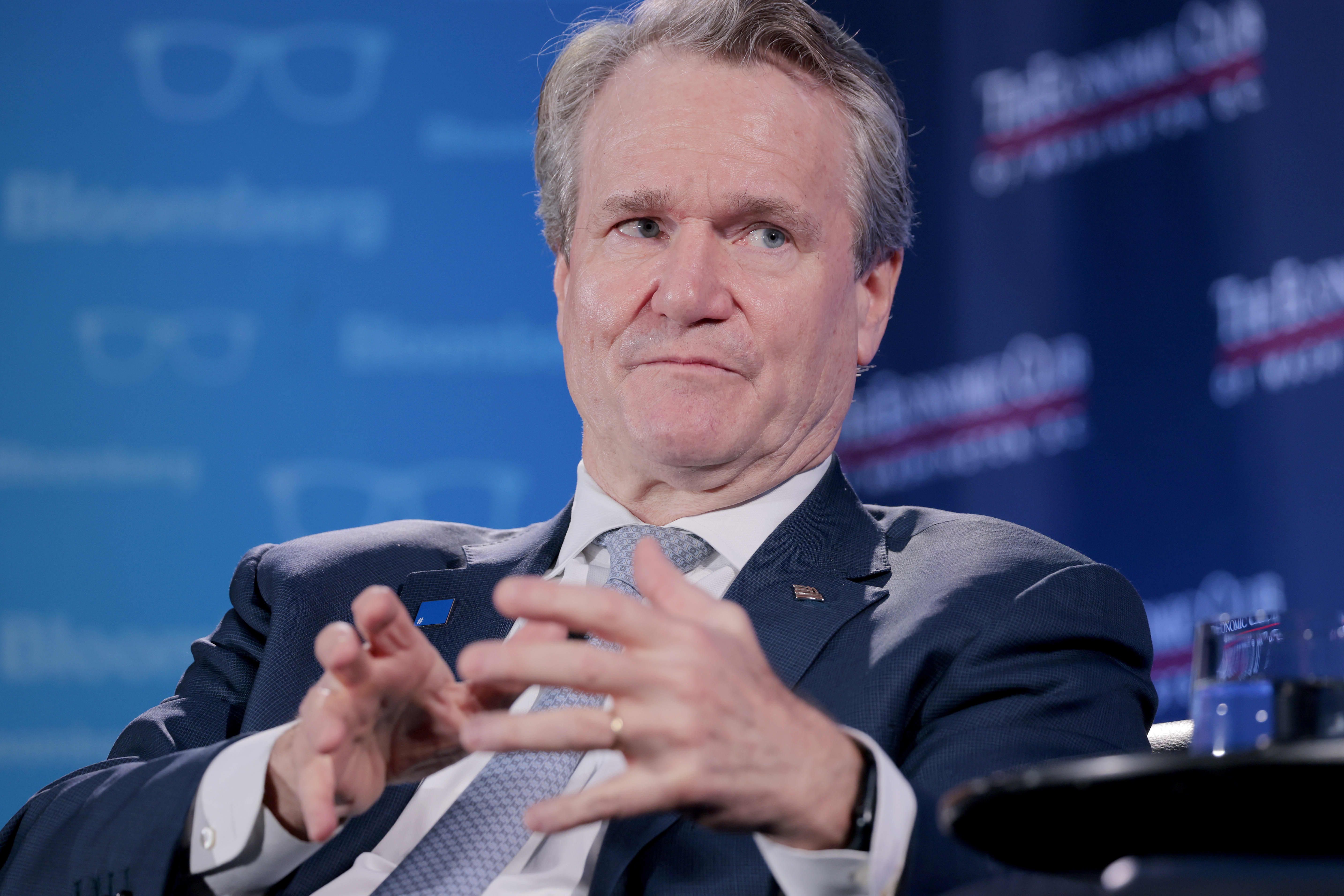
Bank of America Q3 2026: Revenue Miss, Regulatory Penalty, and Stock Drop Analysis
Bank of America's third-quarter earnings reveal a challenging financial landscape marked by a $1.2 billion penalty and disappointing trading results. This analysis explores the implications for the bank's future and the broader market.
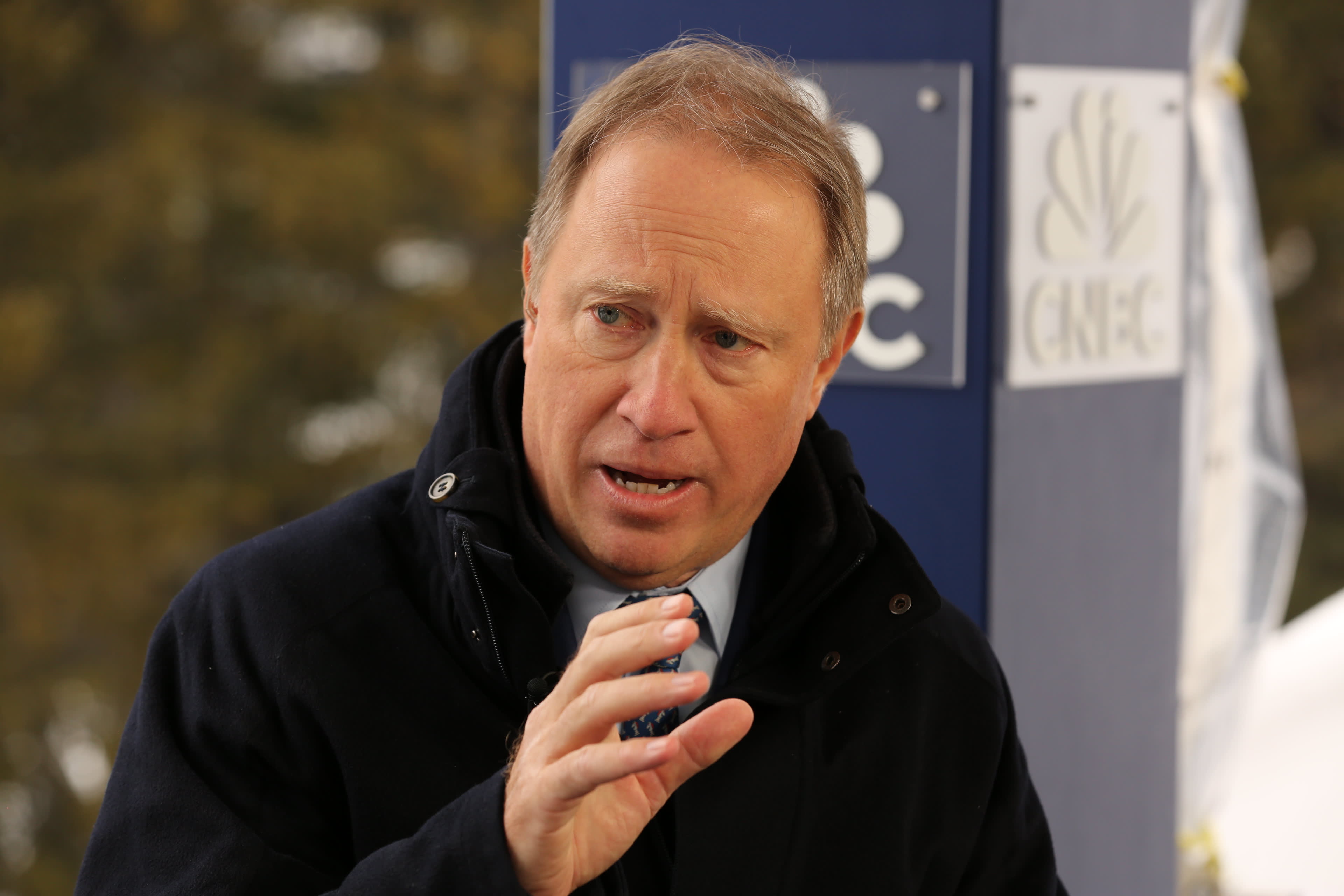
Morgan Stanley Q3 2026: AI Boom Fuels Record Equity Trading Revenue
Morgan Stanley beats Q3 estimates with 41% equities trading growth driven by AI and Asia. A deep dive into the bank's record-breaking performance and CEO Pick's outlook.
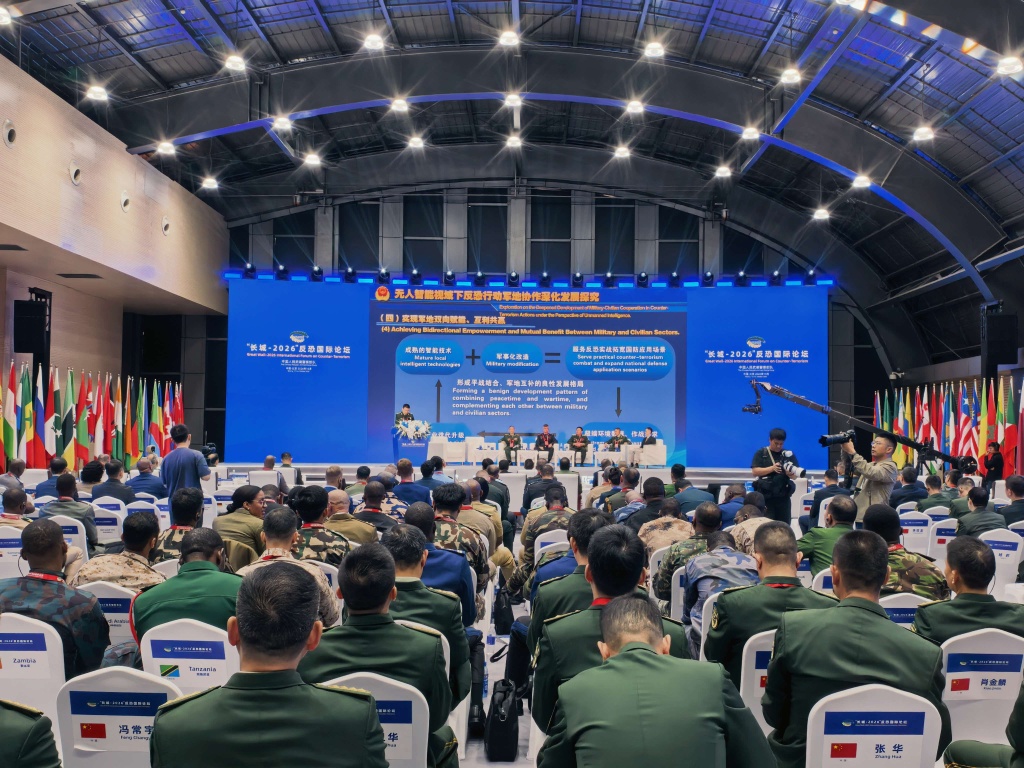
AI-Powered Counterterrorism: New Frontiers in the Fight Against Modern Terrorist Threats
Exploring how artificial intelligence is reshaping counterterrorism strategies worldwide, with insights from the 'Great Wall-2026' forum on emerging threats and defense innovations.
Korea's Yoon Suk Yeol Prepares for Trump Golf Meeting
Yoon Suk Yeol's team is setting up a special working group for a potential golf meeting with Donald Trump. Explore the diplomatic strategy, recent controversies, and the political significance behind this high-profile sporting event.
Climate Journalism at the Tipping Point: Finding Action in Environmental Crisis
Exploring climate reporting's critical role in environmental awareness and action amid global climate tipping points.
US Lawmaker: AI Transcends Borders, Urging US-China Cooperation
Washington State Representative Roger Goodman emphasizes that AI risks don't recognize national boundaries, calling for enhanced US-China collaboration to ensure AI benefits humanity.
Latest Articles
- United Airlines 2027 Status Changes: Why Earning Top Tier is Getting Harder
- US-EU Double Standards Exposed: Trump's Russia Diesel Deal Sparks Global Outcry
- Walmart Expands Employee Healthcare: Free GLP-1s, Insulin, and More
- Travelers Beware: How Scammers Impersonate Consular Staff
- Ukraine Claims Drone Attacks Reduced Russian Online Propaganda
- Saudi Crown Prince's Evacuation: Escalating Conflict Threatens Vision 2030