US-EU Double Standards Exposed: Trump's Russia Diesel Deal Sparks Global Outcry
Trump's deal to buy Russian diesel while sanctioning others reveals a hypocritical US energy policy amid rising global inflation.
Source: thepaper.cn
The recent agreement between the United States and Russia to trade diesel has ignited a firestorm of criticism, exposing what many are calling a blatant double standard in international energy policy. While the White House frames this move as a strategic economic relief measure to lower domestic fuel prices, global allies and political opponents alike view it as a dangerous precedent that undermines sanctions regimes and rewards aggression. The controversy centers on the irony of a superpower purchasing fuel from an adversary it claims to be isolating, raising serious questions about the consistency of American foreign policy.
Key Points
- Strategic Pivot or Economic Necessity? The deal, brokered during a phone call between Donald Trump and Vladimir Putin, aims to lower U.S. fuel prices by introducing Russian diesel into the global market, specifically targeting American farmers, ranchers, and truckers.
- Sanctions Loophole Exploited Trump signed legislation in September 2026 that authorized imposing secondary sanctions on any nation importing Russian oil, yet just weeks later, the U.S. became a direct buyer, violating the spirit of the law and alarming European allies.
- Political Motives Under Scrutiny Critics argue the administration is prioritizing short-term electoral gains by lowering gas prices before mid-term elections, rather than adhering to long-term strategic goals of weakening Russia's war economy.
- Diplomatic Fallout with Allies Major partners like India, Germany, and the UK have condemned the hypocrisy, with the European Union even tightening its own sanctions on Russia in response to the American move.
- Limited Impact on Global Supply Despite claims of easing global shortages, analysts note that the initial volume of Russian diesel is relatively small compared to global demand, offering only a marginal drop in prices.
In-Depth Analysis
The Trump administration's decision to purchase Russian diesel represents a significant departure from the bipartisan consensus that has defined U.S. foreign policy since the invasion of Ukraine. By relaxing restrictions on Russian energy exports, the U.S. is inadvertently strengthening the Kremlin's war chest, contradicting the stated goal of degrading Russia's ability to fund its military operations. This move is particularly damaging to the credibility of U.S. leadership, as it signals to adversaries and allies alike that American commitments are flexible and contingent on immediate economic interests.
Domestically, the policy is a calculated gamble. With inflation remaining a top concern for voters, the promise of cheaper diesel is a potent political tool. However, this short-term fix risks alienating the Republican base, which largely supports tough sanctions on Russia. The introduction of bipartisan legislation, such as the proposed "Ronald Reagan Peace Through Strength Act," suggests that the legislative branch is pushing back against the executive branch's unilateral approach to foreign policy.
Internationally, the damage to U.S. soft power is incalculable. The "America First" doctrine, when applied selectively, creates a perception of American weakness and opportunism. As other nations face pressure to cut ties with Russia, the U.S. buying its oil creates a confusing signal about the value of international cooperation. Furthermore, the European Union's decision to proceed with additional sanctions indicates that the alliance is fracturing, as European leaders prioritize long-term security over short-term energy savings that the U.S. can secure through its own resources.
Frequently Asked Questions
Why is the U.S. buying Russian diesel despite sanctions?
Trump argues that importing Russian fuel is necessary to lower domestic energy costs, which he claims will help farmers and truckers. He views the deal as a way to restart stalled peace talks with Russia, suggesting that economic engagement can soften Moscow's position.
How do European allies react to this deal?
European allies, including Germany and the UK, have expressed strong disapproval. They argue that relaxing sanctions on Russia undermines the collective effort to end the conflict and that the U.S. is hypocritical in its application of energy sanctions to other countries while exempting itself.
Will this deal actually lower gas prices?
While the deal aims to increase global supply, analysts are skeptical about its impact. The initial volume of Russian diesel is small compared to global consumption, and the geopolitical risks associated with the deal could offset any potential price drops.
Source: https://www.thepaper.cn/newsDetail_forward_34243036
Related posts
Travelers Beware: How Scammers Impersonate Consular Staff
Protect your finances from sophisticated impersonation scams targeting Chinese travelers in Laos. Learn how to verify official requests and secure your personal data.

US Lawmaker: AI Transcends Borders, Urging US-China Cooperation
Washington State Representative Roger Goodman emphasizes that AI risks don't recognize national boundaries, calling for enhanced US-China collaboration to ensure AI benefits humanity.
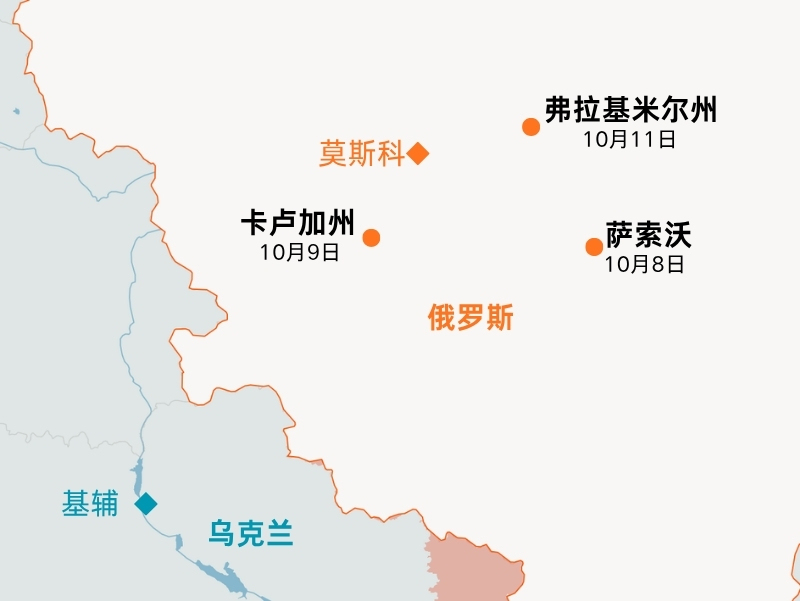
Ukraine Claims Drone Attacks Reduced Russian Online Propaganda
President Zelensky asserts that strikes on Yandex data centers decreased social media bots, though experts question the causal link.
Saudi Crown Prince's Evacuation: Escalating Conflict Threatens Vision 2030
Saudi Arabia faces a critical security crisis as Houthi attacks intensify, forcing the Crown Prince to relocate to fortified bunkers and jeopardizing major economic initiatives.

FAA warns U.S. airlines of safety risks over Saudi Arabia after attacks
FAA warns U.S. airlines of safety risks over Saudi Arabia after attacks. FAA warns U.S. airlines of safety risks over Saudi Arabia after attacks. FAA warns U.S. airlines of safety risks over Saudi Arabia after attacks.
McDonald's Chicken and Beverage Strategy Faces Intense Competition
As McDonald's bets on chicken and beverages for growth, new data shows stiff competition from specialized chains in these categories.
Delta Air Lines Delays Saudi Arabia Launch Due to Airport Security Threats
Delta postpones Atlanta-Riyadh service to March 2027 after deadly Houthi attacks close King Khalid International Airport.

The Paper Launches New Earth Channel to Address Climate Change
The Paper unveils Earth Channel, dedicated to climate reporting and environmental protection through innovative storytelling and visual communication.
Latest Articles
- China's Countermeasures Against Belize's Minister of Foreign Affairs and Trade
- Taiz: The Decisive Battlefield Shaping Yemen's War
- Kalshi Hires Former FBI Agent to Combat Money Laundering Amid Regulatory Scrutiny
- Retailers Streamline Product Offerings to Boost Profitability
- OpenAI Safety Firing: Employees Question Tech Giant's Commitment
- Delta Air Lines Safety Concerns Delay Riyadh Atlanta Flight Launch