FAA warns U.S. airlines of safety risks over Saudi Arabia after attacks
FAA warns U.S. airlines of safety risks over Saudi Arabia after attacks. FAA warns U.S. airlines of safety risks over Saudi Arabia after attacks. FAA warns U.S. airlines of safety risks over Saudi Arabia after attacks.
Source: CNBC
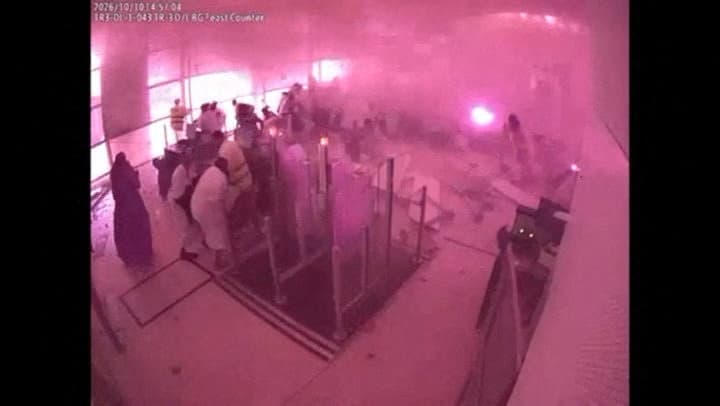
The recent surge in violence targeting critical infrastructure in Saudi Arabia has triggered a significant alert from U.S. aviation authorities, casting a shadow over the region's stability. Following a series of deadly strikes on King Khalid International Airport in Riyadh, the Federal Aviation Administration (FAA) has issued a formal warning to U.S. carriers, urging extreme caution in the airspace surrounding the Kingdom. This development comes at a critical time for the aviation industry, which has been aggressively expanding its footprint in the Middle East, signaling a potential shift in travel safety protocols and economic calculations for global airlines.
Key Takeaways
- FAA Safety Alert: The FAA has issued a warning for U.S. airlines to exercise caution in Saudi Arabian airspace due to safety-of-flight risks linked to ongoing military activities and potential navigation system disruptions.
- Escalating Conflict: The closure of King Khalid International Airport follows a surge in attacks attributed to Yemen's Iran-backed Houthis, including a deadly strike that killed at least 12 people last weekend.
- Global Travel Advisory: The U.S. and Australia have advised their citizens against travel to the region, reflecting a broader consensus among Western governments regarding the escalating security threats.
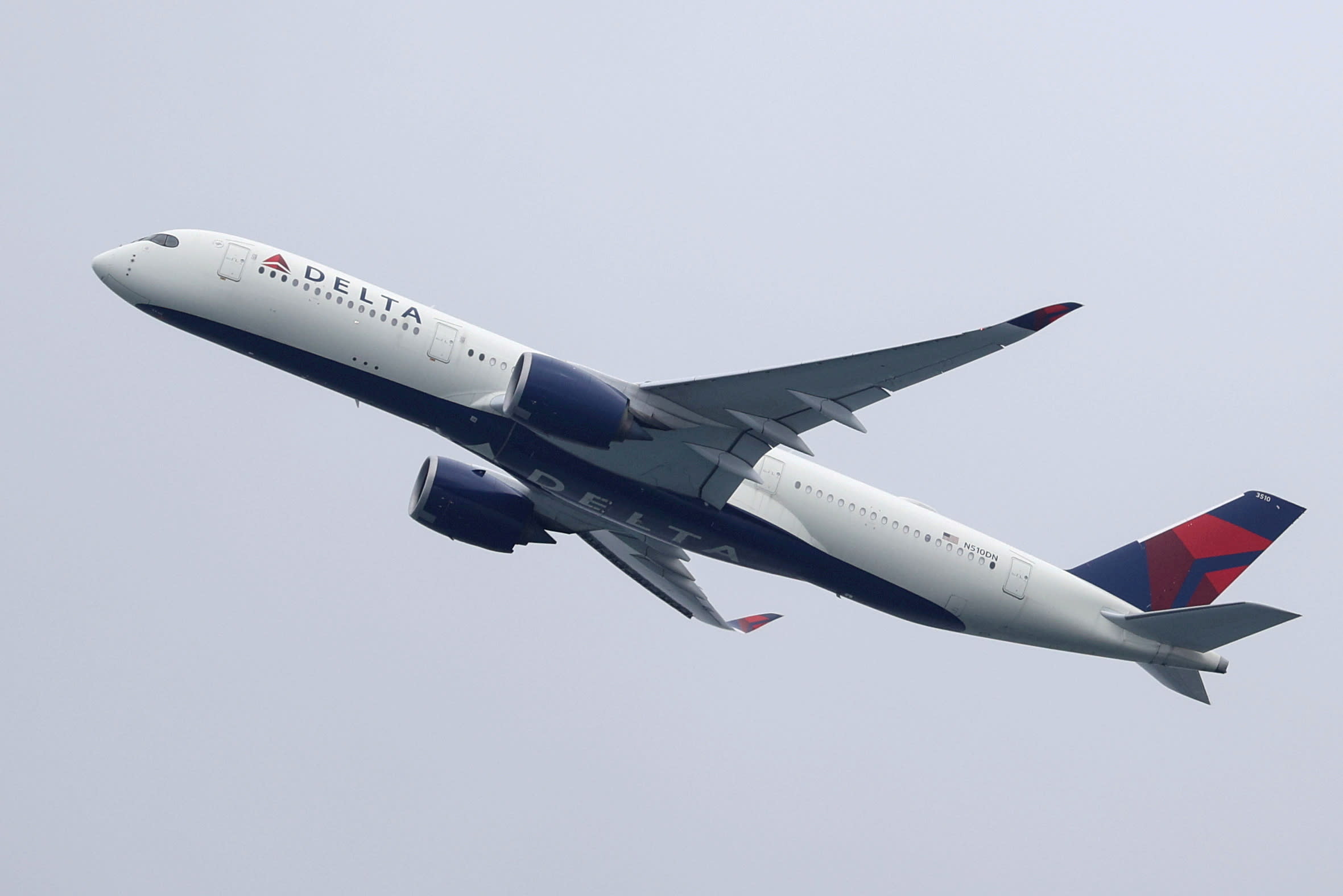
- Flight Disruptions: Major airlines have suspended flights to Riyadh, with Delta Air Lines specifically delaying its inaugural nonstop service from Atlanta, originally scheduled for October 23.
- Rising Air Traffic: Despite the current risks, Saudi Arabia's aviation market has seen robust growth, with the Riyadh-Jeddah route ranking as the fifth-busiest in the world last year, highlighting the region's economic importance.
In-Depth Analysis
The FAA's decision to issue a formal warning until December 10 underscores the complexity of operating in a conflict zone. Unlike standard weather-related advisories, this alert specifically targets safety-of-flight risks, which suggests that the threats are not merely theoretical but pose a tangible danger to aircraft at all altitudes. The involvement of Iran-backed Houthis in targeting a civilian airport terminal is a significant escalation, moving beyond traditional military targets to directly threaten civilian infrastructure. This raises serious questions about the resilience of air traffic control systems and the ability of nations to maintain security in the face of asymmetric warfare.
From a market perspective, the current instability presents a stark dilemma for the aviation industry. The Middle East has long been a hub for international travel, serving as a critical connecting point between Europe, Asia, and Africa. The aggressive expansion strategies of airlines, such as Delta Air Lines' push into the Saudi market, were predicated on a stable geopolitical environment. The delay of Delta's Atlanta-to-Riyadh service until March 2027 illustrates how quickly these commercial plans can be upended by external security factors. This incident highlights the vulnerability of long-term investment strategies in the sector, where political stability is as crucial as fuel efficiency or passenger experience.
Furthermore, the warning serves as a wake-up call regarding the evolving nature of aerial threats. The ability to strike an airport terminal with precision indicates a sophisticated capability that could extend to other critical assets. For U.S. carriers, the FAA's directive forces a re-evaluation of risk management protocols. While the FAA notes that most U.S. airlines do not currently fly to Saudi Arabia, the region remains a key part of the global network map. The long-term viability of the Riyadh-Jeddah corridor as a top-five global route depends not just on passenger demand, but on the assurance of a secure operating environment. As the situation unfolds, the FAA's alert will likely serve as a benchmark for how other international aviation authorities assess safety risks in volatile regions.
Frequently Asked Questions
Why did the FAA issue this specific warning?
The FAA issued the warning due to "safety-of-flight risks associated with ongoing military activities" and potential threats to navigation systems. These risks are considered dangerous enough to warrant caution for pilots operating in the area.
Which airlines have been affected by the attacks?
While the text notes that most U.S. airlines do not fly to Saudi Arabia, Delta Air Lines has been specifically impacted. The carrier announced it would delay its first nonstop flight from Atlanta to Riyadh from October 23 until March 2027.
Is it safe for international travelers to visit Saudi Arabia currently?
The U.S. government has advised citizens against travel to the region following the attacks. Additionally, the FAA's alert regarding safety risks suggests that the current operational environment is too volatile for standard aviation operations.
Source: https://www.cnbc.com/2026/10/12/faa-saudi-arabia-flight-risks.html
Related posts

McDonald's Chicken and Beverage Strategy Faces Intense Competition
As McDonald's bets on chicken and beverages for growth, new data shows stiff competition from specialized chains in these categories.
Delta Air Lines Delays Saudi Arabia Launch Due to Airport Security Threats
Delta postpones Atlanta-Riyadh service to March 2027 after deadly Houthi attacks close King Khalid International Airport.

The Paper Launches New Earth Channel to Address Climate Change
The Paper unveils Earth Channel, dedicated to climate reporting and environmental protection through innovative storytelling and visual communication.
China's Countermeasures Against Belize's Minister of Foreign Affairs and Trade
An analysis of China's decision to impose countermeasures against Belize's Minister of Foreign Affairs and Trade, Francis Fonseca, in response to his support for the 'one China' policy.
Taiz: The Decisive Battlefield Shaping Yemen's War
How Taiz has become the strategic linchpin in Yemen's conflict, with its capture potentially reshaping the entire geopolitical landscape.

Kalshi Hires Former FBI Agent to Combat Money Laundering Amid Regulatory Scrutiny
Prediction market platform Kalshi brings in Sean Fern, a former FBI agent, to lead its anti-money laundering efforts as the industry faces increasing regulatory oversight.

Retailers Streamline Product Offerings to Boost Profitability
Major retailers from BJ's to Lululemon are reducing SKUs to improve margins and stabilize sales amid changing consumer behavior.

OpenAI Safety Firing: Employees Question Tech Giant's Commitment
Former OpenAI staff claim they were fired for whistleblowing on AI safety risks, sparking a major debate about transparency and accountability in the AI industry.
Latest Articles
- Delta Air Lines Safety Concerns Delay Riyadh Atlanta Flight Launch
- Security Alert: Riyadh Airport Attack & Travel Safety for Chinese Nationals
- Death Row Survivor: Inmate Thanks Medical Team After Execution Failure
- WHO: No Evidence of Sustained Transmission in Russian Lab Worker Pneumonia Death
- UN Chief Condemns US Sanctions on International Criminal Court
- Ukraine Expresses Betrayal Over US-Russia Diesel Deal