McDonald's Chicken and Beverage Strategy Faces Intense Competition
As McDonald's bets on chicken and beverages for growth, new data shows stiff competition from specialized chains in these categories.
Source: CNBC
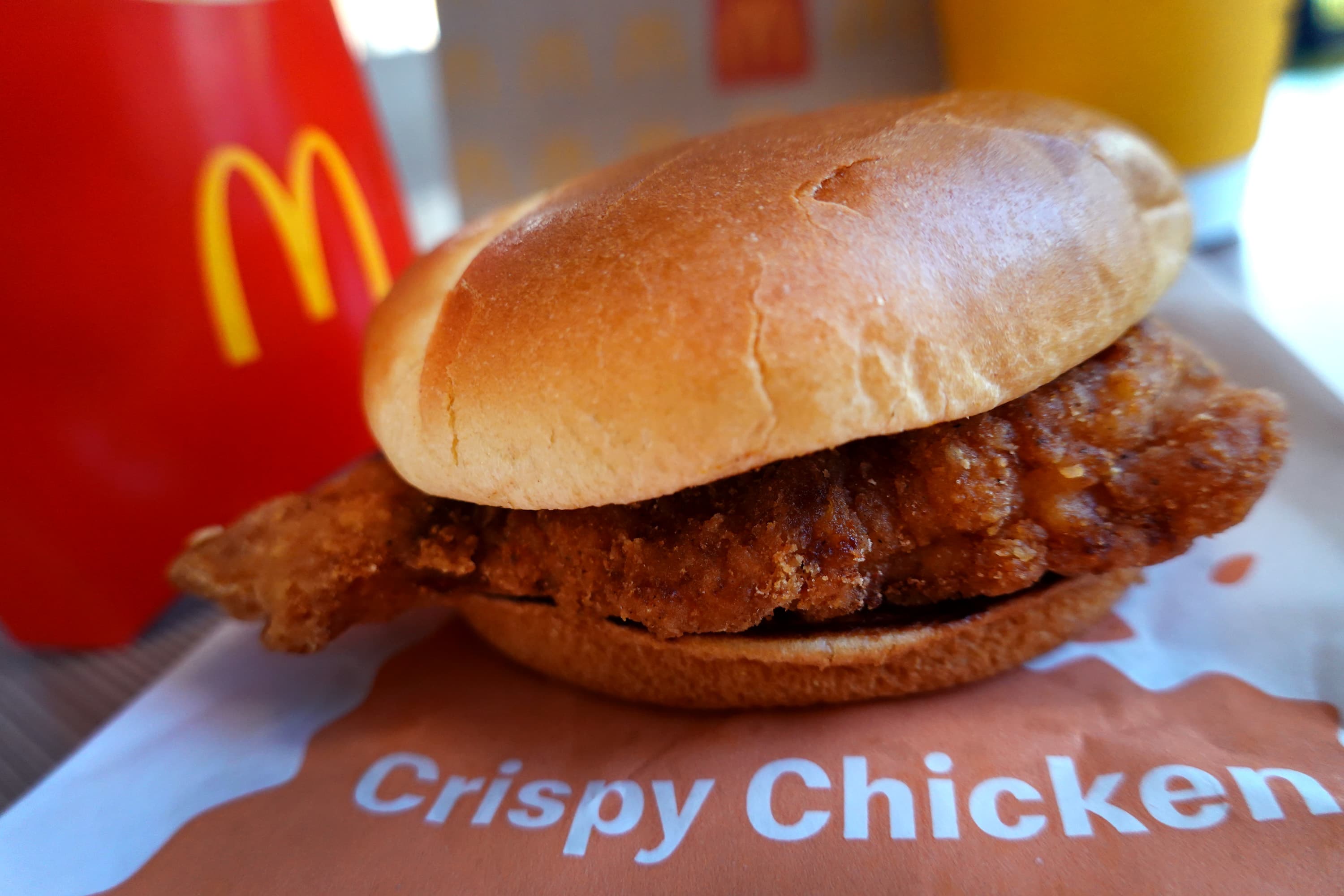
The fast-food industry is undergoing a significant transformation as McDonald's attempts to pivot its growth strategy toward chicken and beverages. With traditional beef offerings reaching market saturation, the global giant is looking to these categories to drive its next phase of expansion. However, recent consumer spending data reveals that McDonald's faces an uphill battle against specialized competitors who have already established strong footholds in these lucrative segments.
Key Insights
-
Market Share Ambitions: McDonald's aims to gain an additional 1.5 percentage points of global market share in both chicken and beverages by 2030. The company currently holds approximately 20% of the $130 billion chicken market and 10% of the $230 billion beverage market, compared to 40% of the $50 billion beef market where growth potential is more limited.
-
Competitive Landscape: Data from Consumer Edge shows that specialized chains are winning significant spending from McDonald's customers. Chick-fil-A gained 0.58 percentage points of limited-service restaurant spending in Q3 compared to the previous year, making it the biggest gainer among tracked chains.
-
Coffee Competition: The coffee segment presents particular challenges for McDonald's. Drive-thru-only chain 7 Brew added 0.4 percentage points of spending share, while Starbucks, Dutch Bros. Coffee, and Dunkin' also ranked among the top 10 gainers, collectively capturing 0.88 percentage points of spending share.
-
Burger King's Gains: Restaurant Brands International-owned Burger King gained 0.24 percentage points of spending share, representing the largest increase among burger chains, indicating that even within the traditional burger category, McDonald's faces competitive pressure.
-
Consumer Selectivity: As consumers become more selective with their dining spending, the battle for market share intensifies. Michael Gunther, Consumer Edge senior vice president, noted that "there's a big battle for a smaller amount of restaurant spend as people become more selective in what they spend."
In-depth Analysis
McDonald's strategic pivot toward chicken and beverages reflects a broader industry trend toward diversification beyond traditional offerings. The company's recognition that growth potential is greater in these categories than in the saturated beef market demonstrates a forward-thinking approach to market evolution. However, the competitive landscape suggests that McDonald's faces significant challenges in executing this strategy.
The data reveals a fundamental truth about consumer behavior: when people seek specific categories like chicken or coffee, they increasingly turn to specialized brands rather than generalist fast-food chains. This poses a significant threat to McDonald's growth ambitions, as these specialized competitors have built their entire brand identity around these categories, allowing them to develop deeper expertise and more compelling offerings.
From an industry perspective, this shift represents a maturation of the fast-food market. As consumers become more sophisticated and discerning, they expect higher quality and more specialized experiences. McDonald's, with its massive scale and standardized operations, may struggle to match the agility and category focus of specialized competitors.
Looking ahead, McDonald's success will likely depend on its ability to innovate within these categories while maintaining operational efficiency. The company will need to invest significantly in menu development, marketing, and potentially acquisitions to build competitive offerings in chicken and beverages. Wall Street has already expressed skepticism about the timeline and investment required, with Bernstein analyst Danilo Gargiulo noting that "the scale of investment required to deliver [the company's growth plan] McDonald's Next was above our expectations and introduces additional pressure on near-term earnings."
The coming years will be critical for McDonald's as it attempts to execute this strategic pivot. While the company's massive scale and global presence provide undeniable advantages, the competitive landscape suggests that growth in these categories will be hard-won rather than easily captured.
Frequently Asked Questions
Why is McDonald's focusing on chicken and beverages? McDonald's is targeting these categories because they represent larger market opportunities with greater growth potential than the saturated beef market. Chicken is a $130 billion category where McDonald's currently holds 20% share, while beverages represent a $230 billion market with only 10% penetration.
How are specialized competitors affecting McDonald's growth? Chains like Chick-fil-A and coffee specialists are capturing increasing spending from McDonald's customers. Consumer Edge data shows these competitors are gaining market share at McDonald's expense, particularly in the chicken and beverage segments where McDonald's is trying to expand.
What challenges does McDonald's face in executing this strategy? McDonald's must overcome significant competitive pressure from specialized brands, invest heavily in menu development and marketing, and potentially modify its standardized operations to compete effectively in these categories. Wall Street analysts have also questioned the timeline and investment required for this strategic pivot.
Source: https://www.cnbc.com/2026/10/12/mcdonalds-chicken-beverage-growth.html
Related posts

FAA warns U.S. airlines of safety risks over Saudi Arabia after attacks
FAA warns U.S. airlines of safety risks over Saudi Arabia after attacks. FAA warns U.S. airlines of safety risks over Saudi Arabia after attacks. FAA warns U.S. airlines of safety risks over Saudi Arabia after attacks.
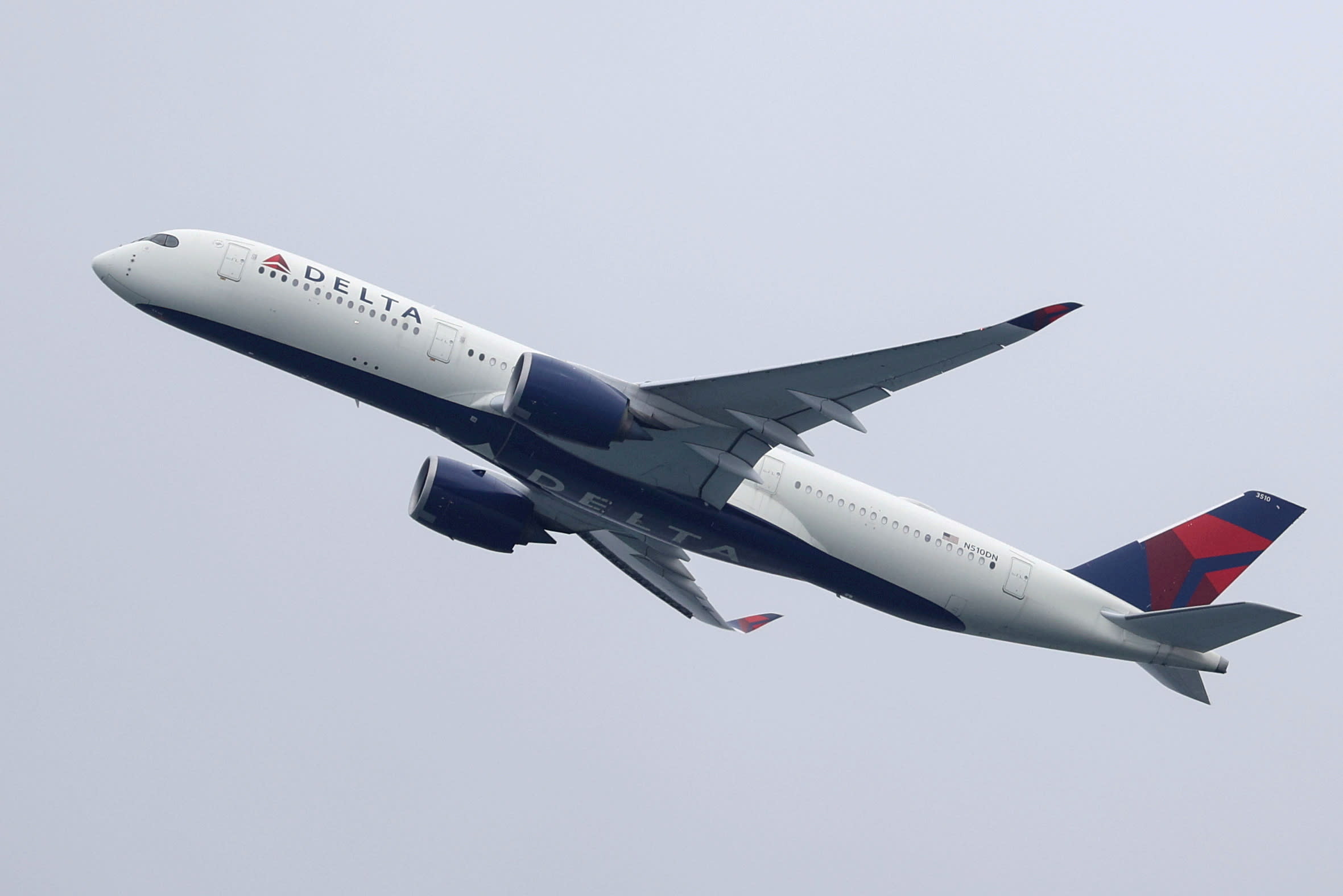
Delta Air Lines Delays Saudi Arabia Launch Due to Airport Security Threats
Delta postpones Atlanta-Riyadh service to March 2027 after deadly Houthi attacks close King Khalid International Airport.

The Paper Launches New Earth Channel to Address Climate Change
The Paper unveils Earth Channel, dedicated to climate reporting and environmental protection through innovative storytelling and visual communication.
China's Countermeasures Against Belize's Minister of Foreign Affairs and Trade
An analysis of China's decision to impose countermeasures against Belize's Minister of Foreign Affairs and Trade, Francis Fonseca, in response to his support for the 'one China' policy.

Taiz: The Decisive Battlefield Shaping Yemen's War
How Taiz has become the strategic linchpin in Yemen's conflict, with its capture potentially reshaping the entire geopolitical landscape.

Kalshi Hires Former FBI Agent to Combat Money Laundering Amid Regulatory Scrutiny
Prediction market platform Kalshi brings in Sean Fern, a former FBI agent, to lead its anti-money laundering efforts as the industry faces increasing regulatory oversight.
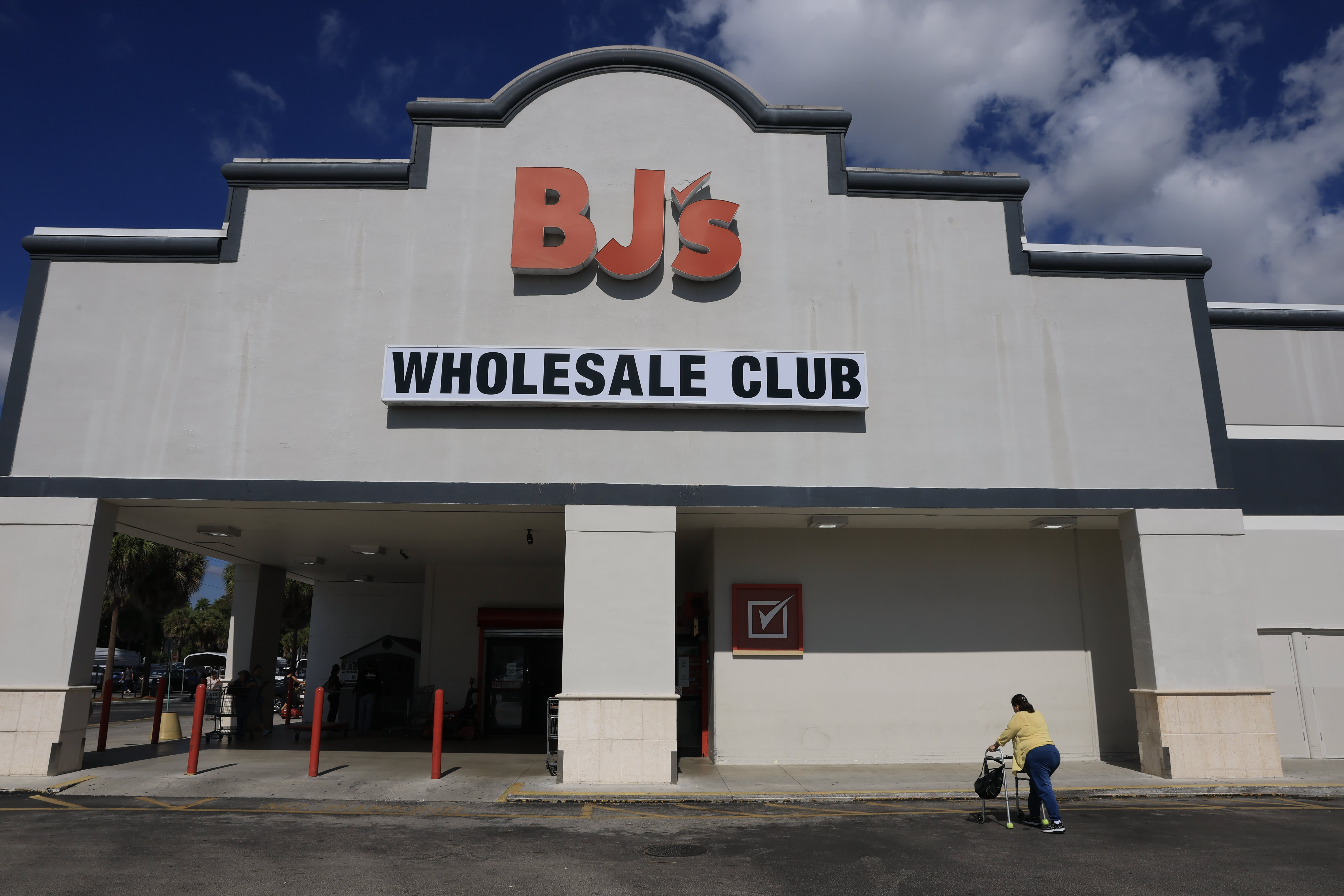
Retailers Streamline Product Offerings to Boost Profitability
Major retailers from BJ's to Lululemon are reducing SKUs to improve margins and stabilize sales amid changing consumer behavior.

OpenAI Safety Firing: Employees Question Tech Giant's Commitment
Former OpenAI staff claim they were fired for whistleblowing on AI safety risks, sparking a major debate about transparency and accountability in the AI industry.
Latest Articles
- Delta Air Lines Safety Concerns Delay Riyadh Atlanta Flight Launch
- Security Alert: Riyadh Airport Attack & Travel Safety for Chinese Nationals
- Death Row Survivor: Inmate Thanks Medical Team After Execution Failure
- WHO: No Evidence of Sustained Transmission in Russian Lab Worker Pneumonia Death
- UN Chief Condemns US Sanctions on International Criminal Court
- Ukraine Expresses Betrayal Over US-Russia Diesel Deal