Taiz: The Decisive Battlefield Shaping Yemen's War
How Taiz has become the strategic linchpin in Yemen's conflict, with its capture potentially reshaping the entire geopolitical landscape.
Source: thepaper.cn
The recent escalation in Yemen's civil war has brought renewed focus to Taiz, a city that has been under siege for 11 years yet remains at the heart of the conflict. As Houthi forces advance and government forces attempt to hold their ground, Taiz has emerged as the decisive battlefield that could determine the war's trajectory. The city's strategic importance cannot be overstated—it sits at the crossroads of Yemen's most critical military and economic corridors, making its control essential for any party seeking to dominate the region.
Key Points
- Strategic Crossroads: Taiz is Yemen's third-largest city, located between the central highlands and the Red Sea coast. Its position allows control over vital routes to Marib oil fields, the Red Sea coast, and the port city of Aden.
- Historical Significance: The city has been a cultural and political center since the medieval Rasulid dynasty, serving as Yemen's "cultural capital" with a rich tradition of Islamic scholarship and commerce.
- Current Battlefield: Since September 2026, Houthi forces have captured key positions around Taiz, including strategic mountain heights and the southern town of Turba, effectively surrounding the city.
- Humanitarian Crisis: The siege has exacerbated an already dire humanitarian situation, with over 184,000 people displaced since August and critical infrastructure like hospitals and schools struggling to function.
- Geopolitical Implications: Control of Taiz would allow the Houthis to threaten Aden and potentially cut off government supply lines, while its defense represents the government's last major stronghold in western Yemen.
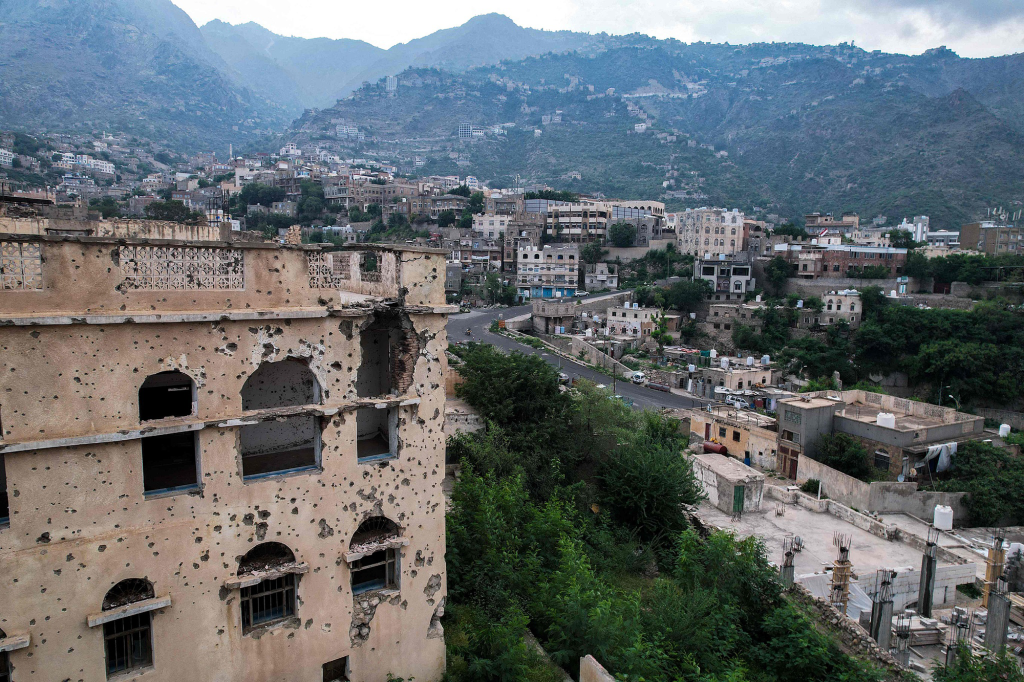
In-depth Analysis
The battle for Taiz represents far more than a military confrontation—it's a clash of civilizations, political ideologies, and regional ambitions. The city's strategic importance stems from its unique geography: whoever controls Taiz essentially dominates Yemen's southwestern corridor, connecting the Red Sea to the interior. This explains why both sides have invested so heavily in this seemingly peripheral front.
The Houthis' recent advances have been methodical, focusing first on securing the Red Sea coast before turning their attention to Taiz's surrounding highlands. This two-pronged approach has effectively cut off government supply lines while establishing defensive positions that would make any counterattack extremely costly. Meanwhile, the government's "Yemen Dawn" offensive, launched in early October, demonstrated both the possibilities and limitations of their current capabilities—able to make temporary gains in open terrain but struggling against entrenched positions in mountainous areas.
The international dimension adds further complexity to the conflict. Iran's support for the Houthis has allowed them to maintain pressure through missile and drone attacks despite lacking conventional air and naval power. Saudi Arabia, meanwhile, remains committed to protecting Red Sea shipping lanes and oil exports, though its willingness to commit ground forces appears limited. The recent inclusion of Turkey and Pakistan through the "Mecca Common Defense Agreement" has further complicated the regional calculus.
Looking ahead, Taiz's fate will likely determine the broader trajectory of Yemen's conflict. If the Houthis can consolidate their control, they would be positioned to threaten Aden and potentially sever the government's connection to Marib's oil fields. Conversely, if government forces can break the siege, it could restore momentum to their cause and potentially shift the balance of power in western Yemen. Regardless of the outcome, the human cost continues to mount, with civilians bearing the brunt of the fighting and displacement.
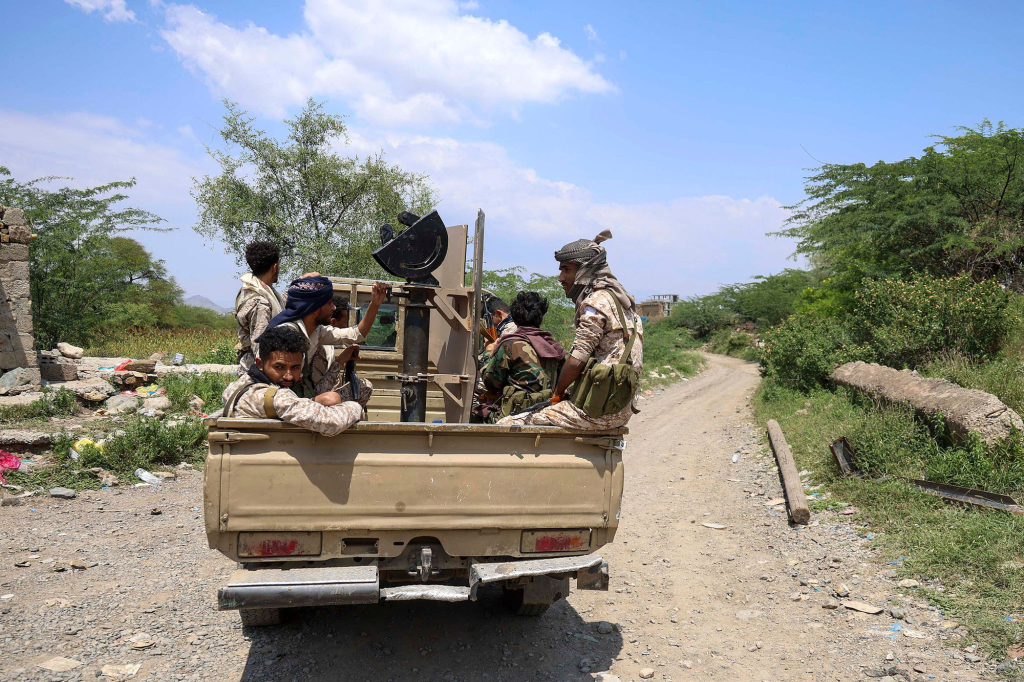
Frequently Asked Questions
Why is Taiz so important in Yemen's conflict? Taiz's strategic location makes it a gateway between Yemen's northern and southern regions, controlling access to vital economic corridors and the Red Sea coast. Its capture would allow either side to dominate southwestern Yemen and potentially threaten key cities like Aden.
How has the international community responded to the fighting in Taiz? International response has been mixed, with Saudi Arabia leading military support for the government while Iran backs the Houthis. The United States has provided intelligence and targeting support but avoided direct military intervention, maintaining communication channels with both sides.
What are the humanitarian consequences of the siege? The siege has created a severe humanitarian crisis, with over 184,000 people displaced since August. Cut off from supply lines, residents face skyrocketing prices for food, fuel, and medicine, while hospitals and schools struggle to function due to lack of resources and damage from fighting.
Source: https://www.thepaper.cn/newsDetail_forward_34235446
Related posts
China's Countermeasures Against Belize's Minister of Foreign Affairs and Trade
An analysis of China's decision to impose countermeasures against Belize's Minister of Foreign Affairs and Trade, Francis Fonseca, in response to his support for the 'one China' policy.

The Paper Launches New Earth Channel to Address Climate Change
The Paper unveils Earth Channel, dedicated to climate reporting and environmental protection through innovative storytelling and visual communication.

Kalshi Hires Former FBI Agent to Combat Money Laundering Amid Regulatory Scrutiny
Prediction market platform Kalshi brings in Sean Fern, a former FBI agent, to lead its anti-money laundering efforts as the industry faces increasing regulatory oversight.

Retailers Streamline Product Offerings to Boost Profitability
Major retailers from BJ's to Lululemon are reducing SKUs to improve margins and stabilize sales amid changing consumer behavior.

OpenAI Safety Firing: Employees Question Tech Giant's Commitment
Former OpenAI staff claim they were fired for whistleblowing on AI safety risks, sparking a major debate about transparency and accountability in the AI industry.
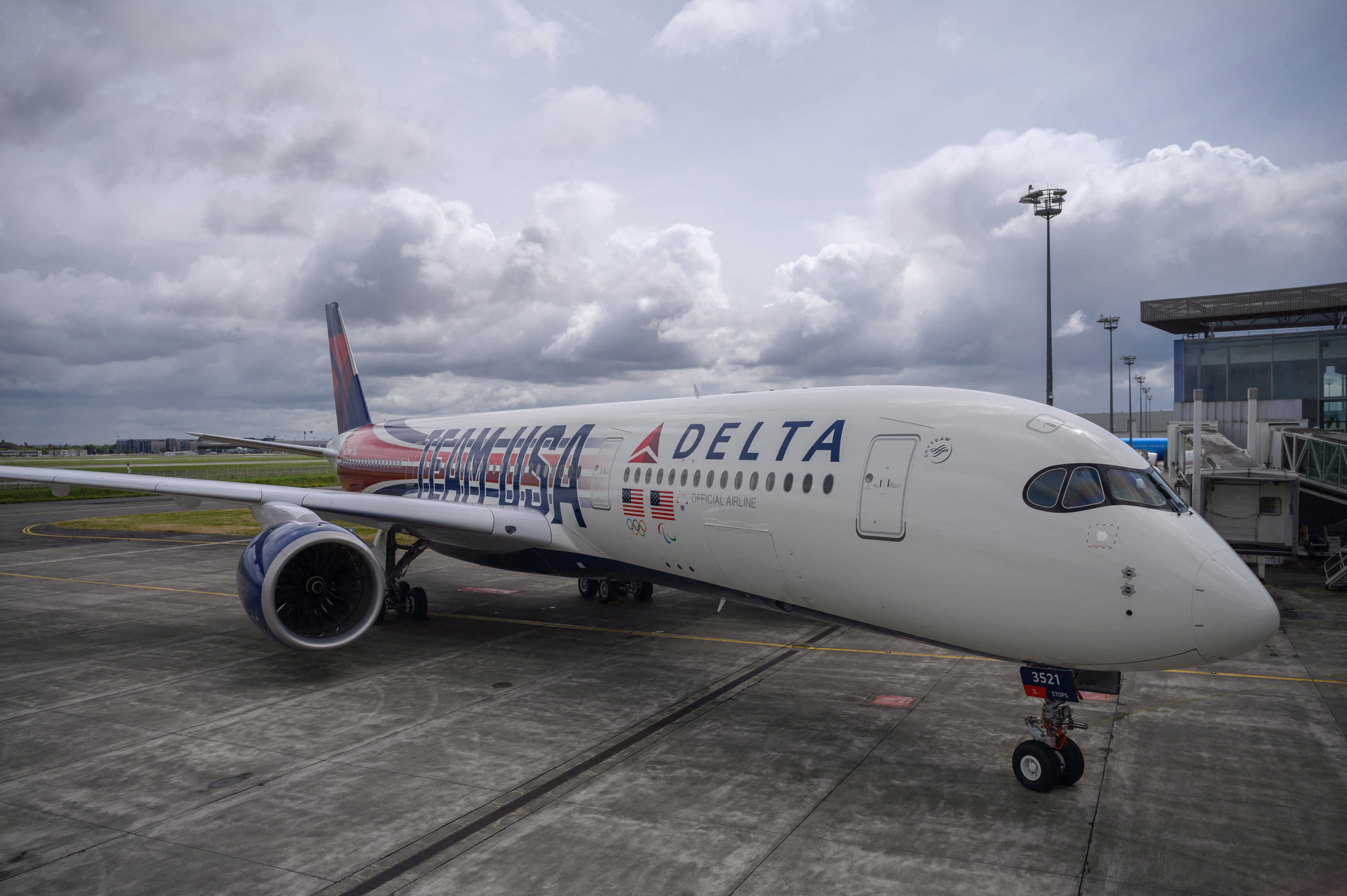
Delta Air Lines Safety Concerns Delay Riyadh Atlanta Flight Launch
Delta CEO Ed Bastian confirms safety is the deciding factor for the new Atlanta to Riyadh route amid escalating Houthi attacks.
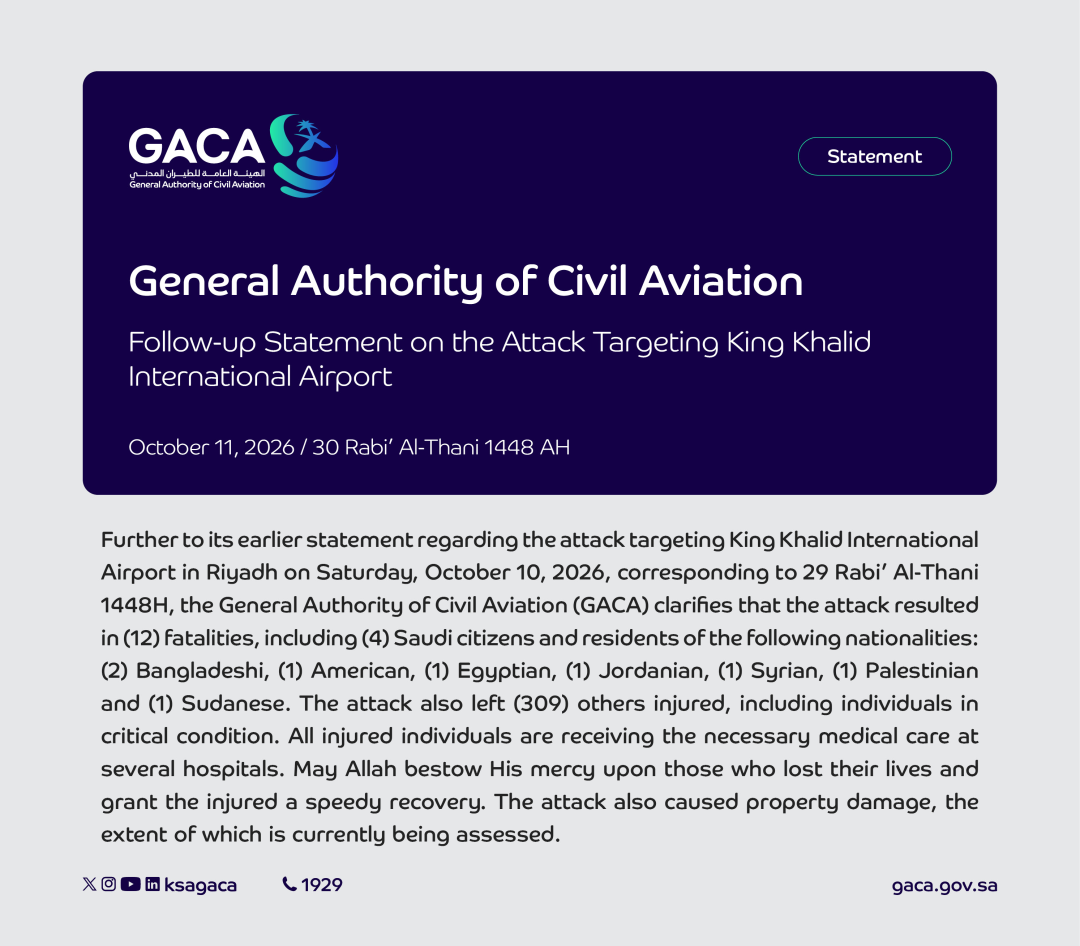
Security Alert: Riyadh Airport Attack & Travel Safety for Chinese Nationals
Chinese Embassy in Saudi Arabia confirms Riyadh airport attack with 12 dead and 309 injured. Updated safety guidelines and travel advice for Chinese citizens.

Death Row Survivor: Inmate Thanks Medical Team After Execution Failure
Christa Pike becomes first person to survive lethal injection execution, now receiving rehabilitation in prison.
Latest Articles
- WHO: No Evidence of Sustained Transmission in Russian Lab Worker Pneumonia Death
- UN Chief Condemns US Sanctions on International Criminal Court
- Ukraine Expresses Betrayal Over US-Russia Diesel Deal
- WFP Chief Warns: 'Slow-Burning' Food Crisis as War, Climate, and Supply Chain Disruptions Collide
- Colin Mackerras: Australia's Renowned Sinologist and Bridge Between Nations
- EU Parliament Report on China: Diplomatic Response & Future Outlook