WHO: No Evidence of Sustained Transmission in Russian Lab Worker Pneumonia Death
World Health Organization reports no ongoing transmission from fatal pneumonia case at Russian plague research institute, though pathogen remains unidentified.
Source: thepaper.cn
In an era where global health threats can spread rapidly, the World Health Organization's latest assessment regarding a mysterious pneumonia death in Russia provides crucial reassurance. The WHO has confirmed that while a 28-year-old female laboratory worker at the Irkutsk Siberia and Far East Anti-Plague Institute died from an 'unknown cause pneumonia,' there is currently no evidence of sustained transmission of the pathogen to others. This development comes amid heightened global surveillance for emerging infectious diseases following the COVID-19 pandemic.
Key Findings
-
No Ongoing Transmission: According to the WHO's October 10th statement, Russian health authorities have found no evidence that the pathogen responsible for the lab worker's death is spreading beyond the initial case. The organization emphasized that no new severe pneumonia cases linked to this incident have been identified.
-
Laboratory Safety Confirmed: The WHO confirmed that no biological safety incident occurred at the laboratory where the deceased worked. This is particularly significant given the facility's specialized focus on dangerous infectious diseases, including plague research.
-
Comprehensive Public Health Measures: Russian health officials have implemented full-scale preventive measures in accordance with relevant health laws. These measures included thorough testing of the deceased worker and all her contacts, with no high-threat pathogens detected.
-
Vaccination Status: The Russian Federal Service for Surveillance on Consumer Rights Protection and Human Wellbeing reported that the deceased worker had been vaccinated against dangerous infectious diseases related to her work and had immunity. This detail helps contextualize her individual risk profile.
-
Contact Monitoring Complete: All individuals who had contact with the deceased have completed medical observation, with no infectious disease-related health issues reported among them. The Russian authorities specifically denied the existence of a second case.
In-depth Analysis
The WHO's cautious approach to this situation reflects the complex balance between transparency and responsible risk communication in global health emergencies. While the absence of sustained transmission is reassuring, the unidentified nature of the pathogen creates a critical knowledge gap that health authorities must address. This incident highlights the ongoing challenges in laboratory safety protocols, even in specialized facilities with established biosecurity measures.
From a market perspective, this case underscores the importance of maintaining robust public health infrastructure and transparent communication channels. The global biotechnology and pharmaceutical sectors will be watching closely as investigations continue, particularly given the potential implications for research on dangerous pathogens. The incident may also influence discussions about international biosecurity standards and the sharing of information about laboratory-acquired infections.
Looking ahead, the WHO's continued monitoring of this situation sets an important precedent for how global health authorities should handle similar incidents in the future. The emphasis on evidence-based assessment rather than alarmist reporting could help prevent unnecessary market disruptions while ensuring genuine public health risks are properly addressed.
Frequently Asked Questions
What exactly caused the Russian lab worker's death? The specific pathogen responsible for the 28-year-old lab worker's death remains unidentified. While Russian authorities have ruled out several high-threat pathogens, the WHO continues to monitor the situation as more information becomes available.
Should people be concerned about this pneumonia case spreading globally? Based on current information, there is no evidence of sustained transmission of the pathogen. The WHO has specifically stated that no new cases linked to this incident have been identified, and all contacts of the deceased have completed medical observation without showing symptoms.
How does this compare to previous laboratory-acquired infections? This case appears less concerning than some previous laboratory-acquired infections, as there is no evidence of transmission beyond the initial case. However, the unidentified nature of the pathogen means health authorities must remain vigilant until the causative agent is confirmed.
Source: https://www.thepaper.cn/newsDetail_forward_34230386
Related posts
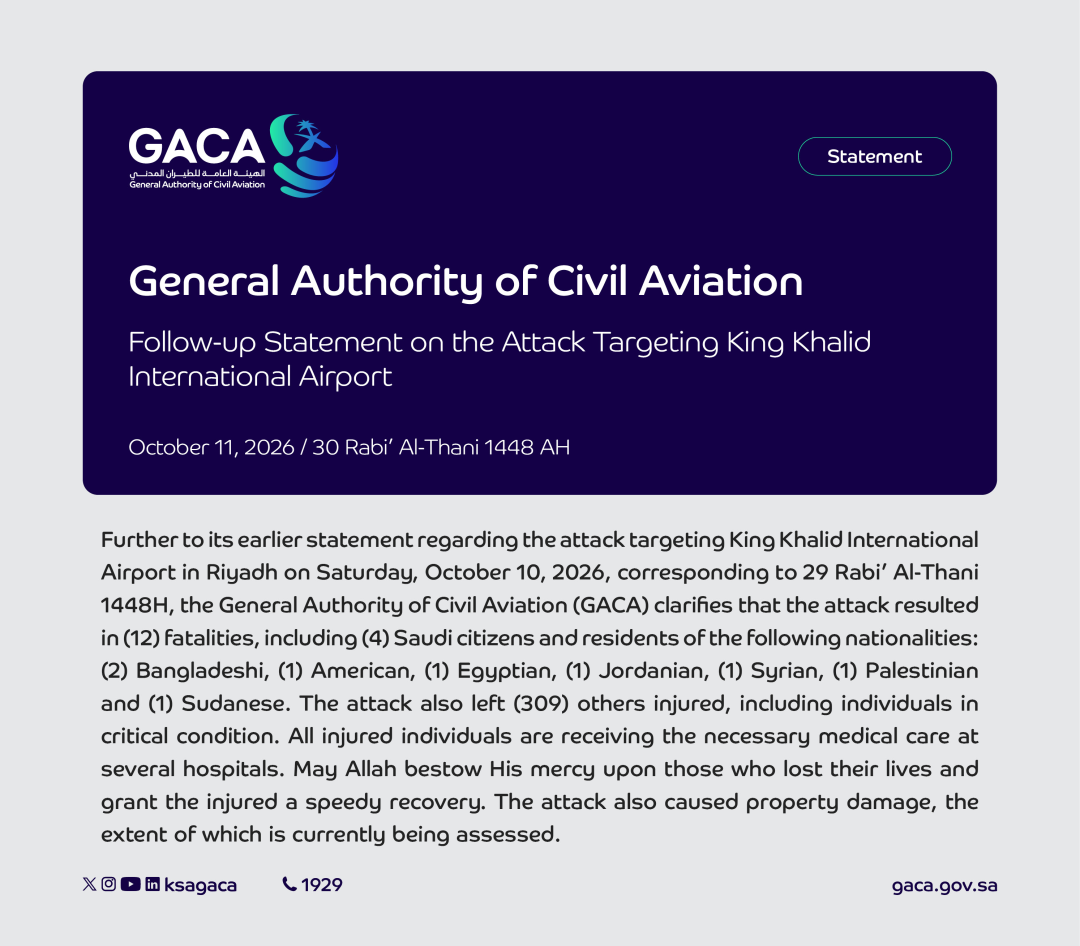
Security Alert: Riyadh Airport Attack & Travel Safety for Chinese Nationals
Chinese Embassy in Saudi Arabia confirms Riyadh airport attack with 12 dead and 309 injured. Updated safety guidelines and travel advice for Chinese citizens.

OpenAI Safety Firing: Employees Question Tech Giant's Commitment
Former OpenAI staff claim they were fired for whistleblowing on AI safety risks, sparking a major debate about transparency and accountability in the AI industry.
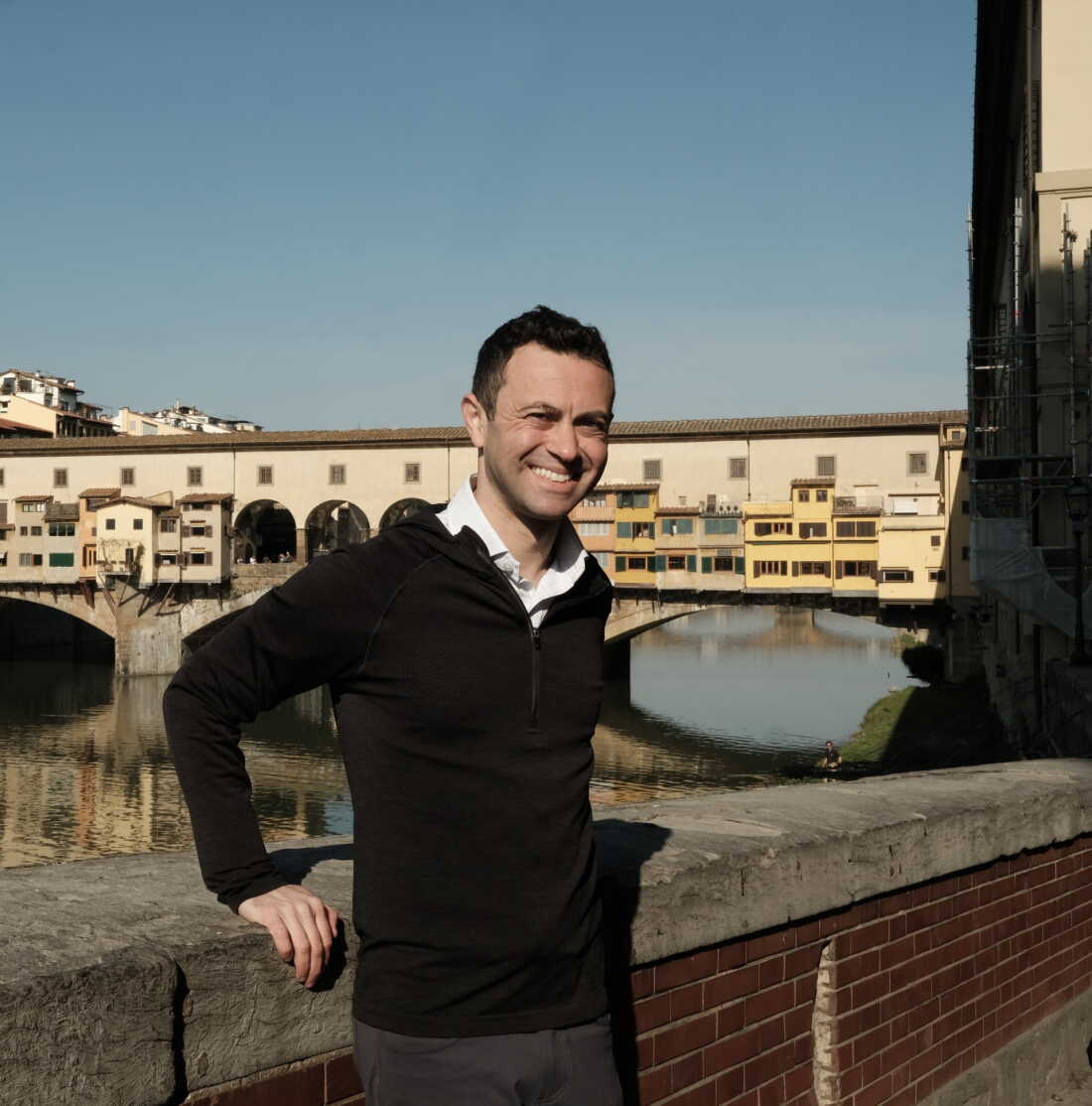
Kalshi Hires Former FBI Agent to Combat Money Laundering Amid Regulatory Scrutiny
Prediction market platform Kalshi brings in Sean Fern, a former FBI agent, to lead its anti-money laundering efforts as the industry faces increasing regulatory oversight.
UN Chief Condemns US Sanctions on International Criminal Court
UN Secretary-General António Guterres denounces US sanctions on the ICC as a threat to global justice. Major allies like the UK and Germany also criticize the move.

Ukraine Expresses Betrayal Over US-Russia Diesel Deal
Ukrainian President Zelensky voices disappointment after US and Russia reach diesel agreement, calling it a 'weak decision' by a strong partner.
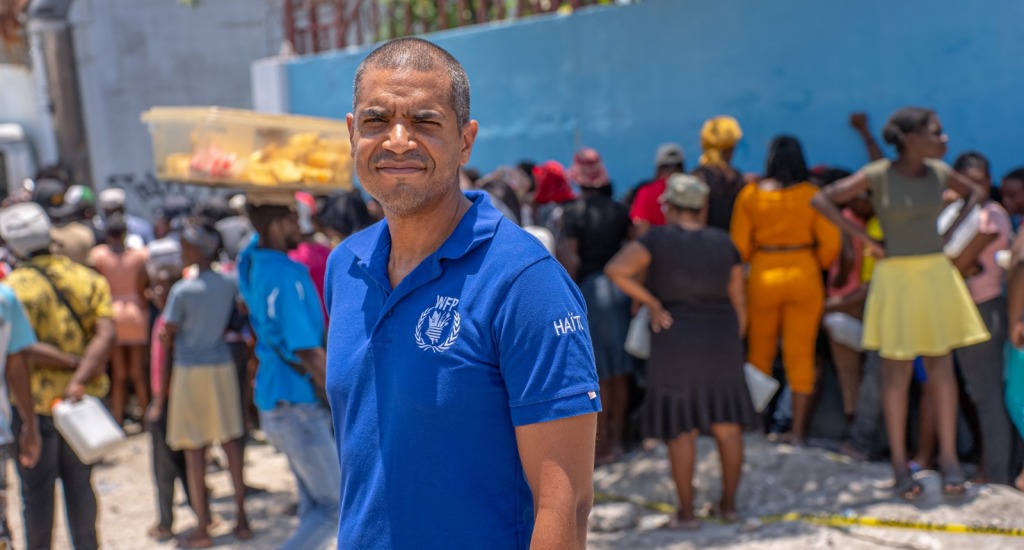
WFP Chief Warns: 'Slow-Burning' Food Crisis as War, Climate, and Supply Chain Disruptions Collide
An in-depth analysis of the structural collapse of global food security, featuring expert insights from WFP Director Jean-Martin Bauer on the compounded risks of conflict, El Niño, and logistics failures.
Colin Mackerras: Australia's Renowned Sinologist and Bridge Between Nations
Australian Sinologist Colin Mackerras passes away at 87. He received China's Friendship Award and dedicated his life to bridging cultural gaps.
EU Parliament Report on China: Diplomatic Response & Future Outlook
China's Foreign Ministry responds to the European Parliament's recent report, condemning ideological bias and interference in domestic affairs.
Latest Articles
- South Korea Successfully Tests First Indigenous Hypersonic Glide Vehicle
- Hurricane Isaias Prepares To Hit Gulf Coast: Oil Industry Evacuates, Refineries At Risk
- Delta Air Lines Cuts 2026 Forecast Due to Fuel Surge, Despite Strong Demand
- Botswana President's State Visit to China: Strengthening Strategic Partnership
- US Budget Deficit Reaches $2 Trillion in FY 2026: A Warning Sign for Global Markets
- Starbucks Acquisition of Chipotle: A Strategic Fit or Financial Overreach?