Delta Air Lines Cuts 2026 Forecast Due to Fuel Surge, Despite Strong Demand
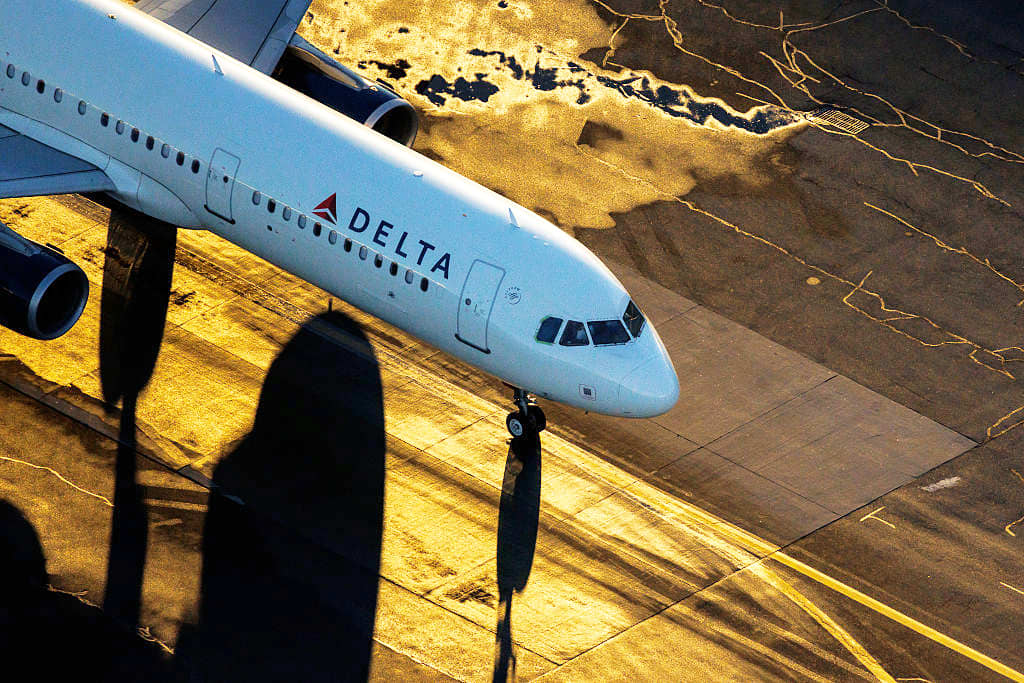
Delta Air Lines reduces 2026 profit outlook as jet fuel prices double, but CEO Ed Bastian insists travelers are booking despite higher fares.
Source: CNBC
The aviation industry is currently navigating a perfect storm of soaring operational costs and shifting consumer behaviors. Delta Air Lines has recently signaled a significant shift in its financial trajectory for 2026, slashing its profit outlook as jet fuel prices continue to climb. Despite these headwinds, the airline's leadership remains optimistic about underlying demand, suggesting a complex interplay between rising costs and the airline's pricing power. This article analyzes the key factors driving Delta's revised forecast and the broader implications for the global travel sector.
Key Takeaways
- Significant Earnings Outlook Cut: Delta has reduced its full-year 2026 adjusted earnings per share (EPS) forecast to a range of $5.10 to $5.60, a substantial drop from the previous projection of $6.50 to $7.50.
- Fuel Cost Surge: Jet fuel prices in the U.S. Gulf region have nearly doubled over the past year, forcing airlines to absorb billions in costs or pass them on to consumers.
- Strong Consumer Resilience: CEO Ed Bastian reports that consumer response remains robust across all cabin classes and geographies, with fare increases continuing to gain traction.
- Revenue Growth Outpacing Costs: Delta projects a 20% revenue increase for the fourth quarter, outperforming the previous quarter’s growth and indicating sustained demand.
- Operational Efficiency Challenges: The airline has adjusted its free cash flow outlook to $2.5 billion, reflecting the immediate impact of fuel volatility on liquidity.
In-Depth Analysis
The decision by Delta Air Lines to lower its 2026 profit forecast underscores the persistent inflationary pressures facing the airline industry. The primary culprit is the dramatic rise in jet fuel prices, which have surged due to geopolitical instability, specifically the ongoing conflict in Iran. For an industry that typically operates on razor-thin margins, fuel costs are the single largest expense, and a doubling of prices in key regions like the U.S. Gulf of Mexico has created a severe squeeze on profitability.
However, the airline’s ability to maintain a positive revenue outlook amidst these cost increases is a testament to its strategic pricing power. By passing on a significant portion of the $6 billion increase in fuel costs to consumers, Delta has managed to grow its premium revenue by 18% in the third quarter. This suggests that the demand for air travel remains resilient; passengers are willing to pay higher fares, particularly for premium services, indicating a strong recovery in business travel and a continued boom in leisure travel.
Looking ahead, the airline's performance will likely hinge on its ability to balance cost containment with the need to maintain service quality. Delta’s investment in its own refinery in Pennsylvania provides a unique competitive advantage, helping to mitigate some of the price volatility compared to competitors who must rely on the open market. Nevertheless, the volatility of fuel prices remains a critical risk factor for the sector, potentially dampening future growth unless mitigated by technological advancements or regulatory interventions.
Frequently Asked Questions
How much has Delta cut its 2026 profit outlook?
Delta has slashed its adjusted earnings per share forecast for 2026 to a range of $5.10 to $5.60, down from the $6.50 to $7.50 range projected in July when fuel prices were lower.
Why are Delta's profits declining despite higher fares?
While Delta is successfully passing on higher costs to travelers, the sheer magnitude of the fuel price increase—nearly doubling in the U.S. Gulf region—has outpaced revenue growth in certain areas, leading to a net reduction in net income year-over-year.
How does Delta's fuel cost impact compare to competitors?
Delta is the most profitable airline in the U.S., but like all carriers, it faces the same fuel price surge. However, its ownership of a refinery in Pennsylvania allows it to refine crude oil into jet fuel, potentially offering a cost advantage over airlines that purchase fuel entirely on the open market.
Source: https://www.cnbc.com/2026/10/09/delta-air-lines-dal-q3-2026-earnings.html
Related posts
Botswana President's State Visit to China: Strengthening Strategic Partnership
Botswana's President Mokgweetsi Masisi to visit China for high-level talks and Fujian province tour, marking 51 years of diplomatic relations.
US Budget Deficit Reaches $2 Trillion in FY 2026: A Warning Sign for Global Markets
The US fiscal deficit for FY 2026 has surged to $2 trillion, driven by massive spending increases in interest, defense, and social welfare. Here is a detailed analysis of the economic implications.

South Korea Successfully Tests First Indigenous Hypersonic Glide Vehicle
President Lee Jae-myung watches the successful launch of the Hycore hypersonic missile, marking a major shift in regional defense capabilities.
EU Parliament Report on China: Diplomatic Response & Future Outlook
China's Foreign Ministry responds to the European Parliament's recent report, condemning ideological bias and interference in domestic affairs.

Starbucks Acquisition of Chipotle: A Strategic Fit or Financial Overreach?
Starbucks reportedly explores buying Chipotle. Analyze the potential merger, synergies, and risks for both restaurant giants.
Japan Requests China Show 'Respect' to Prime Minister, Sparks Diplomatic Row
Japan demands China show proper respect to Prime Minister Sanae Takaichi after Chinese diplomats omitted her title in a press conference, escalating diplomatic tensions between the two Asian powers.

Skydance & Warner Bros. Merger: Building the Next Gen Media Giant
Skydance CEO David Ellison explains how combining Paramount and Warner Bros. creates a dominant global entertainment powerhouse.
PepsiCo Slashes Earnings Forecast as North American Turnaround Faces Delays
PepsiCo reports stronger international growth but lowers full-year earnings outlook due to underperformance in its North American market, where turnaround efforts are taking longer than anticipated.
Latest Articles
- German Intelligence Chief Arrested in Major Espionage Scandal
- US Company Accuses Chinese Entities of AI Attacks on Korean Banks
- Israel Closes UK Consulate in Jerusalem, Escalating Diplomatic Tensions
- Death Penalty Failure in Tennessee: Legal and Ethical Crisis After Krista Parker Survives Execution
- Levi Strauss Q3 2026: Profit Guidance Hikes Amid Tariff Refunds and DTC Challenges
- Lululemon's Strategic Product Shift: Athleta CEO Maggie Gauger Joins as Chief Product Officer